


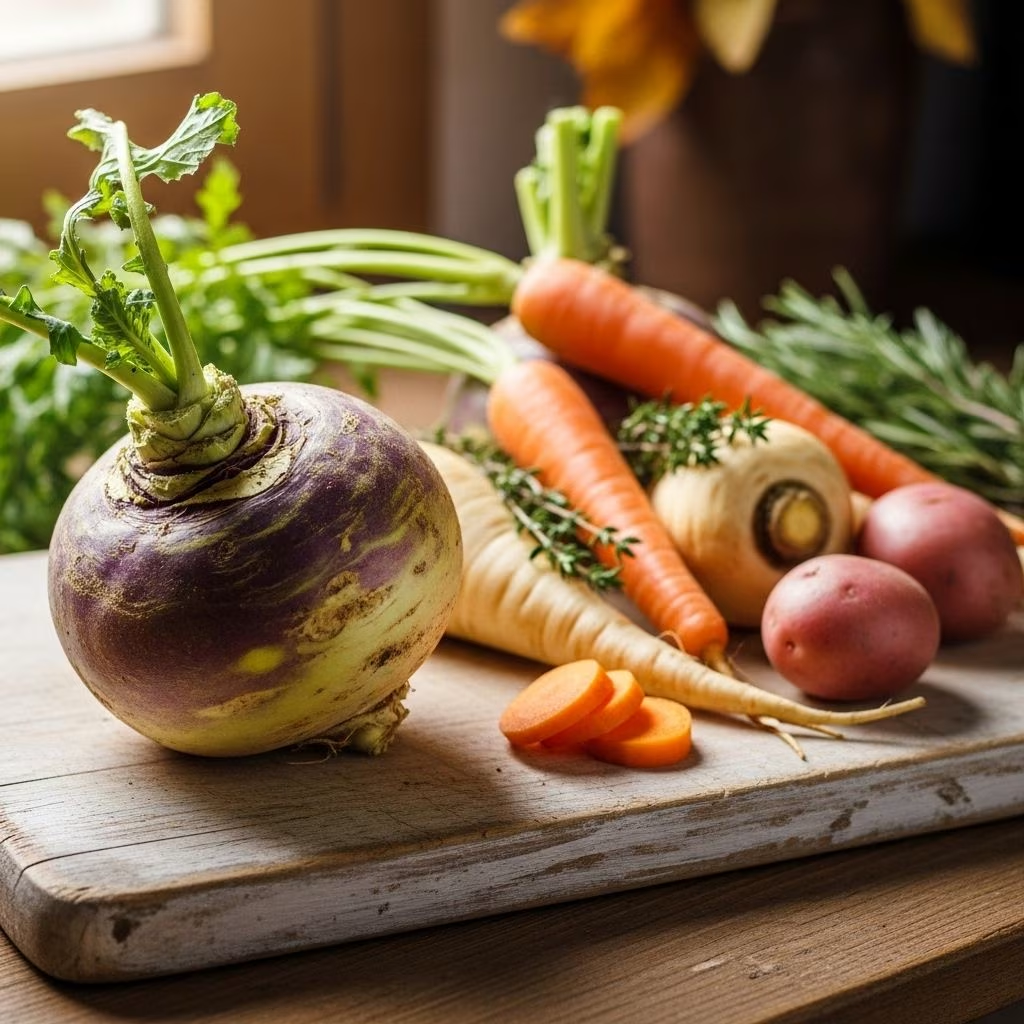
Rutabaga, known by many names such as Swedish turnip or “swede,” is a robust, cold-climate root vegetable treasured for its remarkable nutritional benefits, culinary versatility, and unique taste. Though often overshadowed by its relative the turnip, rutabaga boasts a fascinating hybrid origin, a spectrum of health-promoting qualities, and a prominent place in traditional and modern cuisine. This comprehensive guide explores everything about rutabaga—from its botanical roots and nutrient content to practical kitchen uses and how it tastes on the palate.
Origin and History of Rutabaga
Rutabaga (Brassica napobrassica) is believed to have originated in Scandinavia or Russia as a result of spontaneous crossbreeding between turnips and wild cabbage in the late Middle Ages . The vegetable gained prominence in Sweden—where it is commonly called “rotabagge”—before making its way across Europe and eventually to North America in the 18th and 19th centuries. Rutabaga, also known regionally as “swede,” “neep,” or “yellow turnip,” was cultivated both as food for humans and as livestock fodder during its initial spread.
Botanical Characteristics and Varieties
Rutabaga is a biennial plant belonging to the Brassicaceae (mustard) family, cultivated mainly for its enlarged edible root. It is visually similar to the turnip but grows larger and develops smoother, wax-coated leaves. Notable features include:
- Root appearance: Typically round to slightly oblong, 4 to 6 inches in diameter.
- Flesh color: Yellow to orange (in contrast to the white of most turnips).
- Skin color: Green, purple, or bronze, often with a waxy coating for preservation.
- Leaves: Smooth, glaucous, and less hairy than turnip leaves.
Rutabagas thrive in cool climates, making them ideal for northern Europe, Canada, and parts of the northern United States. They are slow to mature, typically requiring a long growing season and are most often harvested as a late-summer or fall crop.
Nutritional Value
Rutabaga is a nutritional powerhouse among root vegetables, offering a low calorie yet high fiber profile enriched with vitamins and minerals.
| Nutrient | Value |
|---|---|
| Calories | ~50 |
| Dietary Fiber | ~3 g |
| Vitamin C | ~53% DV |
| Potassium | ~12% DV |
| Vitamin A | ~3% DV |
| B Vitamins (including folate) | Modest amounts |
Rutabagas are also rich in antioxidants, minerals like magnesium and calcium, and contain trace amounts of protein and virtually no fat.
Health Benefits of Rutabaga
Regularly consuming rutabaga offers multiple health benefits supported by its dense nutrient profile and phytonutrient content:
- High in fiber: Supports digestive health, promotes fullness, and aids in healthy weight management.
- Rich in vitamin C: Strengthens immune system, supports tissue repair, and functions as a powerful antioxidant.
- Potassium: Helps regulate blood pressure and maintain heart health.
- Antioxidants and anti-inflammatory compounds: Such as glucosinolates and carotenoids, offering cellular protection and potentially reducing chronic disease risk.
- Blood sugar support: Low glycemic index and high fiber content may help stabilize blood sugar levels, beneficial for those managing diabetes.
- Satiating yet low-calorie: Helps with healthy weight management by keeping you full without excess calories.
The presence of glucosinolates, typical of cruciferous vegetables, may provide extra cancer-protective effects. Additionally, regular inclusion in diets is linked to better overall cardiovascular and metabolic health.
Summary of Key Benefits
- Supports digestive health and regularity
- Promotes immune function and antioxidant defenses
- May lower chronic disease risk (heart disease, diabetes)
- Helps with weight management
- Potassium promotes healthy blood pressure
Potential Safety Concerns
Rutabaga is generally safe for most people when cooked and consumed in normal food quantities. However, consider the following precautions:
- Food allergy: Rare, but some individuals may have allergic reactions including swelling, itching, hives, or difficulty breathing after consumption. Consult a healthcare provider if these occur.
- Digestive upset: Rapidly increasing dietary fiber can temporarily result in bloating, gas, or cramps. Increase intake gradually if unaccustomed to high-fiber foods.
- Goitrogens: Like other cruciferous vegetables, rutabaga contains natural compounds (goitrogens) that may interfere with thyroid hormone synthesis in large amounts, especially if iodine intake is inadequate or in raw form. Cooking reduces this effect.
How to Select and Store Rutabaga
When shopping for the freshest, best-tasting rutabaga, use these guidelines:
- Look for: Smooth, firm roots 4 to 6 inches in diameter, free from bruises or blemishes. The skin should be tight and often waxed to prolong shelf life.
- Avoid: Roots with shriveled spots, soft patches, or obvious injuries.
- Storage: Uncut rutabagas store well in cool (32–35°F), humid conditions for 4–6 months. Store in the refrigerator in a bag or crisper for several weeks. Waxed rutabagas may keep even longer.
Culinary Uses and Preparation Tips
Rutabaga is an exceptionally versatile ingredient in the kitchen, lending itself to a wide range of culinary preparations. Used raw or cooked, it can star in both hearty traditional dishes and inventive modern recipes.
Common Ways to Prepare Rutabaga
- Mashed: Similar to mashed potatoes, but creamier and slightly sweeter in flavor.
- Roasted: Diced and tossed with oil, herbs, and spices for a caramelized, nutty result.
- Boiled or Steamed: For soups, stews, or as a simple side dish.
- Baked: In casseroles, gratins, or savory pies.
- Raw: Thin slices or matchsticks as part of salads, slaws, or crudités.
- Pickled: Adds a tangy, crisp dimension to a variety of dishes.
- Greens: The leaves can be cooked and eaten like mustard greens.
Sample Recipe: Simple Roasted Rutabaga
Ingredients: Rutabaga, olive oil, salt, pepper, dried herbs (such as thyme or rosemary).
- Peel and dice rutabaga into uniform cubes.
- Toss with olive oil, salt, pepper, and desired herbs.
- Spread on a baking sheet and roast at 400°F (200°C) for 30–40 minutes until golden and tender.
This easy preparation brings out rutabaga’s natural sweetness and earthy undertones.
Taste Profile: What Does Rutabaga Taste Like?
Rutabaga is famed for its mildly sweet, earthy flavor with subtle notes of cabbage and turnip. Compared to turnip, it is less peppery and more mellow, with a creamy texture when cooked. The flavor profile often includes descriptions such as:
- Sweetness: More pronounced than turnip, especially when roasted or baked.
- Earthy and nutty: Hints reminiscent of potatoes or parsnips, but with a distinctive floral, cabbage-like background.
- Bitterness: Some people with a specific gene may find rutabaga more bitter, similar to their response to Brussels sprouts or kale.
When raw, rutabaga can be crisp and slightly spicy, while cooking mellows the flavor and enhances its natural sugars.
Rutabaga vs. Turnip: A Quick Comparison
| Feature | Rutabaga | Turnip |
|---|---|---|
| Botanical Family | Brassicaceae | Brassicaceae |
| Origin | Hybrid: Turnip × Cabbage | Wild Eurasian species |
| Flesh Color | Yellow to orange | White |
| Skin Color | Purple, green, or bronze (often waxed) | White and purple, non-waxed |
| Size | Larger (4-6 inches) | Smaller (2-4 inches) |
| Taste | Sweeter, milder, earthier | More peppery, pungent |
| Popular Usage | Casseroles, roasting, mashing | Soups, pickling, salads |
Frequently Asked Questions (FAQs)
Q: What is the best way to peel and prepare rutabaga?
Use a sturdy vegetable peeler or sharp knife to remove the tough outer skin. Cut the root into manageable pieces and continue with your recipe. Waxed rutabagas may take extra effort to peel.
Q: Can you eat rutabaga raw?
Yes, rutabaga is crisp and crunchy when raw, making an excellent addition to salads and slaws. However, it is more commonly cooked to enhance its sweetness and reduce potential bitterness.
Q: Is rutabaga suitable for people with diabetes?
Rutabaga is lower in carbohydrates than starchy vegetables and has a low glycemic index, making it a good choice for people with diabetes when eaten in moderation.
Q: Are rutabaga greens edible?
Yes, the greens are edible and can be steamed, sautéed, or used like other leafy greens such as collards or mustard.
Q: Can rutabaga be used as a substitute for potatoes?
Yes, rutabaga is an excellent lower-calorie alternative to potatoes in mashes, roasted dishes, soups, and gratins due to its similar texture and lower carb content.
Q: Why is rutabaga sometimes waxed in stores?
The wax coating is applied to extend shelf life by preventing moisture loss and keeping the root firm during storage.
Q: Who should avoid rutabaga?
Individuals with a history of allergies to cruciferous vegetables, those with certain thyroid disorders (due to goitrogens), and anyone advised by a healthcare provider should exercise caution or consult a physician.
References
- Rupa Health: Rutabaga 101 – Health Benefits, Nutrition, and Recipes
- Encyclopedia Britannica: Rutabaga Overview
- Texas A&M Horticulture: Rutabaga Specialty Vegetable Guide
- The Land Connection: What’s a Rutabaga?
References
- https://www.rupahealth.com/post/rutabaga-101-health-benefits-nutrition-and-easy-recipes
- https://www.britannica.com/plant/rutabaga
- https://aggie-horticulture.tamu.edu/vegetable/guides/specialty-vegetables/rutabaga/
- https://www.thelandconnection.org/blog/whats-a-rutabaga/
- https://blog.suvie.com/all-about-rutabagas
- https://en.wikipedia.org/wiki/Rutabaga
- https://www.mofga.org/resources/vegetables/rutabagas/
- https://www.rimping.com/blog/7865/rutabaga-scandinavian-root-veg


