


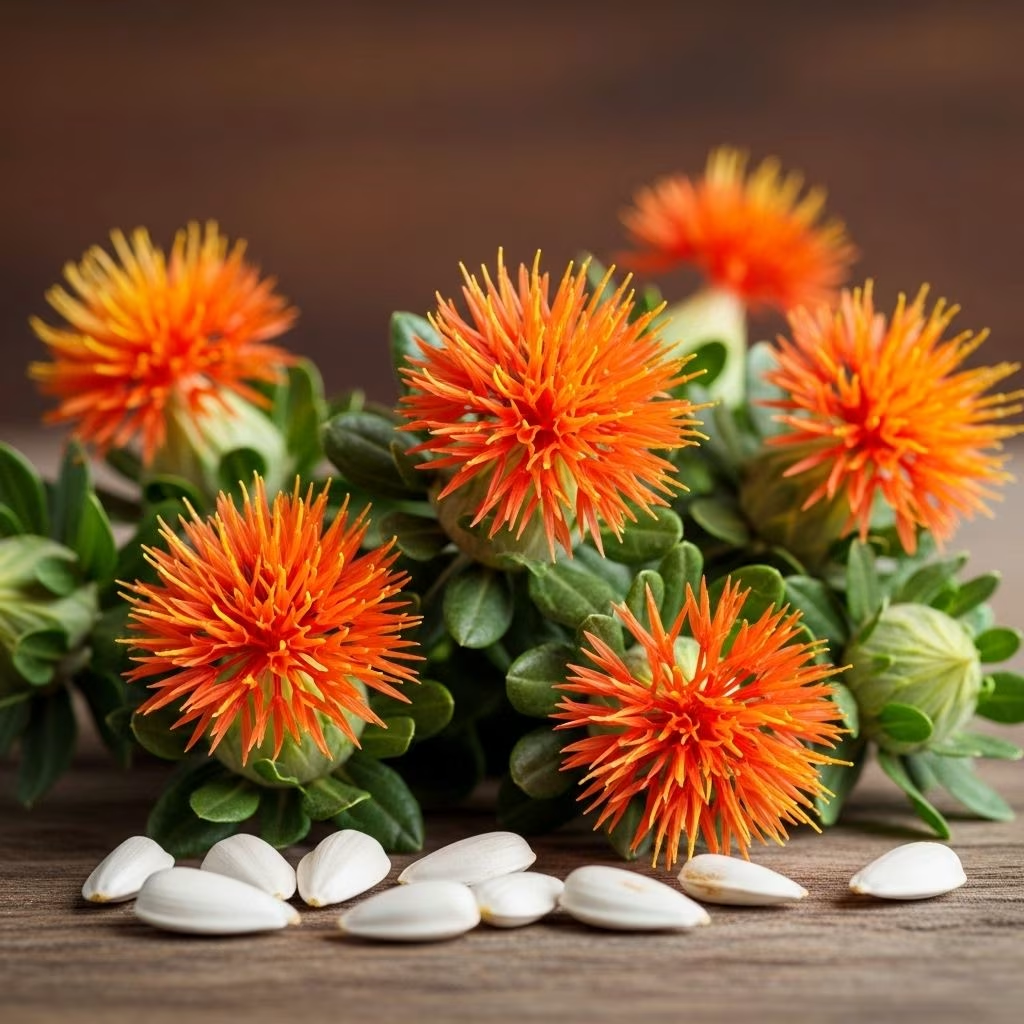
Safflower (Carthamus tinctorius), also known as false saffron, is one of humanity’s oldest crops. Valued for its vivid flowers and multifaceted applications, it plays a significant role in nutrition, health, and industry globally. This comprehensive guide explores safflower’s origins, botany, nutritional profile, health effects, traditional and modern uses, as well as its distinct flavor profile.
Introduction to Safflower
Safflower is a highly branched, herbaceous annual plant in the Asteraceae family. Due to its resemblance to saffron, its dried flowers are commonly referred to as ‘false saffron’ and have been used as a coloring and flavoring agent for centuries. Today, safflower is cultivated mainly for its seeds, which yield a high-quality oil, and for the use of its petals in food, dyes, and traditional medicine.
Botanical Characteristics and Origin
Plant Description
- Height: 30 to 150 cm (12–59 inches)
- Flower Heads: Globular, with yellow, orange, or red flowers; each plant bears multiple heads, and each head contains about 15–20 seeds.
- Leaves: Alternate, simple, often with spiny edges, 10–15 cm long
- Root System: Deep taproot (can exceed 2 meters), enabling drought resistance.
- Growth Habit: Adaptable to arid climates, tolerates poor or acidic soils, thrives in regions with seasonal rainfall.
Origin and Distribution
Safflower is believed to have originated in the Fertile Crescent and parts of Asia and Africa, where it has been cultivated for at least 4,000 years. Today, major producers include India, the United States, Mexico, China, and several Central Asian nations.
Nutritional Profile
Safflower seeds are a nutritional powerhouse, valued for both their oil content and other macro- and micronutrients.
| Nutrient | Percentage in Safflower Seed |
|---|---|
| Water | 7.2% |
| Protein | 14.3% |
| Carbohydrates | 16.5% |
| Dietary Fiber | 31.2% |
| Fat (Oil) | 28% |
Due to this composition, safflower seeds are rich in polyunsaturated fats, especially linoleic acid, and contain a moderate amount of protein and fiber.
Health Benefits of Safflower
Safflower and its oil are linked to several potential health benefits, largely due to their unique composition of fatty acids and bioactive compounds:
- Heart Health: Safflower oil contains unsaturated fats, particularly linoleic acid (omega-6), which may help lower LDL (“bad”) cholesterol and reduce cardiovascular disease risk.
- Blood Sugar Regulation: Studies suggest safflower oil could improve glycemic control in individuals with type 2 diabetes by enhancing insulin sensitivity.
- Anti-Inflammatory Properties: Safflower extracts possess compounds that may reduce inflammation, making them promising in managing certain chronic diseases.
- Antioxidant Effects: The flowers are rich in flavonoids and other antioxidants, which may help combat oxidative stress and support overall health.
- Weight Management: Some research indicates safflower oil may assist with modest weight loss and improve fat distribution.
- Skin Health: Safflower oil, used topically, can hydrate and nourish the skin due to its light texture and high vitamin E content.
Summary Table: Health Effects of Safflower Oil
| Potential Benefit | Supporting Compound |
|---|---|
| Lowers LDL cholesterol | Linoleic acid, unsaturated fats |
| Improves insulin sensitivity | Linoleic acid, polyphenols |
| Reduces inflammation | Flavonoids, lignans |
| Hydrates skin | Vitamin E |
Traditional and Modern Uses
Throughout history and across cultures, safflower has served multiple purposes:
- Food Coloring & Flavoring: Safflower petals have been used as a less expensive substitute for saffron, lending a golden-yellow color to rice, soups, and baked goods.
- Medicinal: In traditional Chinese, Persian, and Indian medicine, safflower flowers and oil have been used to treat menstrual issues, pain, inflammation, and cardiovascular ailments.
- Edible Oil: Safflower oil is commonly used in cooking due to its high smoke point and neutral flavor.
- Animal Feed: The by-product meal from oil extraction is rich in protein and sometimes used as livestock feed.
- Birdseed: Safflower seeds are popular for feeding wild and pet birds, particularly cardinals, as many bird species enjoy them while squirrels do not.
Safflower Oil: Types and Uses
Types of Safflower Oil
- High-Linoleic Safflower Oil: Rich in polyunsaturated linoleic acid, often used in salad dressings, margarine, and as a dietary supplement due to possible heart-health benefits.
- High-Oleic Safflower Oil: Contains mostly monounsaturated oleic acid, which is more stable at high temperatures and ideal for cooking and frying.
Comparison Table: High-Linoleic vs. High-Oleic Safflower Oil
| Type | Main Fatty Acid | Best Use | Stability |
|---|---|---|---|
| High-Linoleic | Linoleic acid (omega-6) | Salads, cold dishes | Less stable (easily oxidized) |
| High-Oleic | Oleic acid (omega-9) | Cooking, frying | Highly stable (resists oxidation) |
Culinary Uses and Taste Profile
Safflower seed oil’s neutral flavor makes it highly versatile in the kitchen:
- Salad dressings and mayonnaise
- Cooking oil for sautéing, stir-frying, and baking (especially high-oleic type)
- Margarine production
- Traditional dishes: Safflower petals (‘false saffron’) used to color and flavor rice, stews, and teas in Middle Eastern, Indian, and Central Asian cuisine.
Taste Profile
Safflower petals: Mild, slightly sweet, and earthy with a faint resemblance to saffron though lacking its intensity. Primarily valued for color more than taste.
Safflower oil: Neutral flavor (especially refined varieties), which does not overpower other ingredients. This quality makes it a go-to choice for baking and salad dressings where delicacy is desired.
Industrial and Other Applications
The value of safflower extends beyond food and health:
- Dyes: Safflower petals are used to extract a yellow or red dye historically prized for textiles and artwork, particularly before the advent of synthetic dyes.
- Cosmetics: Used in lotions and skin creams for its hydrating and anti-inflammatory properties.
- Paints and varnishes: Safflower oil is a preferred substitute for linseed oil in white paints and varnishes as it does not yellow with age.
- Traditional textiles: Produces hydrosoluble dyes used in fabric coloring for centuries
- Pharmaceuticals: Ongoing research studies safflower’s potential in functional foods and drug formulations.
Potential Risks and Safety
Though safflower is generally recognized as safe, certain precautions are warranted:
- Poor for people with allergies: Those allergic to ragweed, daisies, or marigolds may also react to safflower.
- Bleeding risk: Safflower may slow blood clotting; people with bleeding disorders or taking anticoagulants should exercise caution.
- Pregnancy: Safflower has traditionally been used to stimulate menstruation; pregnant women should avoid large medicinal doses due to the risk of uterine stimulation.
- Digestive sensitivity: Oils may cause loose stools or mild digestive upset in some people when consumed in larger quantities.
Frequently Asked Questions (FAQs)
Q: Is safflower the same as saffron?
A: No, safflower and saffron are different plants. Safflower is sometimes called “false saffron” since its petals look similar and are used to color foods, but they have different flavors and price points.
Q: What does safflower oil taste like?
A: Safflower oil has a neutral, mild flavor that does not overpower foods. It is prized for use in dishes where a clean, unobtrusive oil is desired.
Q: Is safflower oil good for frying?
A: Yes, high-oleic safflower oil is highly heat-stable and suitable for frying, sautéing, and baking.
Q: Does safflower oil have health benefits?
A: Studies indicate that safflower oil may help lower “bad” cholesterol, improve blood sugar, reduce inflammation, and support skin health when used in moderation.
Q: How is safflower used medicinally?
A: Safflower petals and oil have been used in traditional medicine to help with circulation, menstrual issues, inflammation, and skin health, but modern evidence is still emerging.
Conclusion
The versatility of safflower—spanning ancient dye baths, global kitchens, and modern health applications—makes it a remarkable, multipurpose crop. Its seeds and petals offer nutritional, culinary, and health-promoting benefits, while neither overwhelming nor dominating other flavors. Safflower continues to play a vital role in both heritage and innovation, standing out as a valuable plant for global wellness and sustainability.
References
- https://en.wikipedia.org/wiki/Safflower
- https://pmc.ncbi.nlm.nih.gov/articles/PMC5984022/
- https://www.springhausagro.com/post/uses-of-the-safflower
- https://gobotany.nativeplanttrust.org/species/carthamus/tinctorius/
- https://www.royers.com/usrf.cfm?funfacts=floraldisplaypage&floral_id=102
- https://pfaf.org/user/Plant.aspx?LatinName=Carthamus+tinctorius
- https://extension.usu.edu/crops/research/safflower-in-utah
- https://www.kew.org/plants/safflower


