


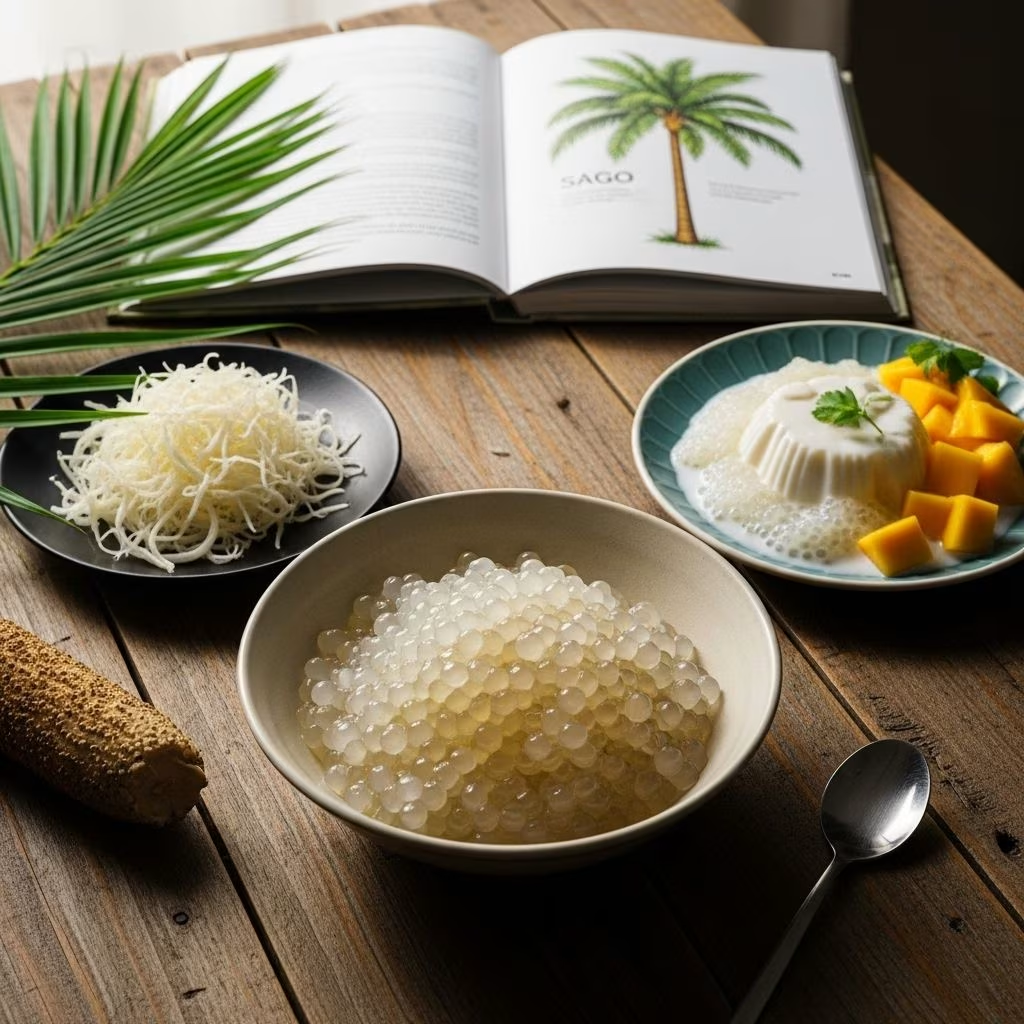
Sago, a starchy substance extracted from tropical palm stems, has been a staple in households across Asia, Africa, and Oceania for centuries. With its neutral flavor, rapid preparation, and versatility, it’s renowned as an energy-boosting, gluten-free ingredient. In this extensive guide, learn about sago’s origin, unique health benefits, culinary applications worldwide, nutritional attributes, and frequently asked questions.
Introduction to Sago
Sago is a starch primarily extracted from the pith—or spongy center—of various tropical palm stems, notably the Metroxylon sagu palm. It is processed into small pearly grains or pearls, often resembling tapioca. Sago serves as a dietary staple in Southeast Asia, Papua New Guinea, parts of India, and West Africa, where it is prepared in both sweet and savory dishes.
The confusion between sago and tapioca is common. While both appear similar and share similar culinary properties, sago is derived from palm trunks, whereas tapioca comes from the cassava root. This distinction influences both their nutritional content and certain culinary applications.
Key Features of Sago:
- Source: Starch from the sago palm.
- Form: Available as pearls, flour, or granules.
- Color: Typically white or off-white.
- Preparation: Boiled, soaked, or steamed for various recipes.
- Allergen Status: Naturally gluten-free and grain-free.
Nutritional Profile of Sago
Sago is renowned for its high carbohydrate content and rapid energy release but is relatively low in protein, fat, fiber, and micronutrients compared to whole grains or legumes. Nonetheless, it can serve as a rapid energy source and is easily digestible, making it suitable for specific dietary needs.
| Nutrient | Amount |
|---|---|
| Calories | 332–360 kcal |
| Carbohydrates | 83–94 g |
| Protein | 0.2–1 g |
| Fat | ~0.2–1 g |
| Fiber | less than 1.5 g |
| Potassium | 11–17 mg |
| Calcium | 11–20 mg |
| Iron | 1.2–4.6 mg |
| Zinc | ~11% of RDI |
| B Vitamins (incl. folic acid) | trace amounts |
Sago’s moderate mineral content includes trace levels of iron, calcium, copper, phosphorus, potassium, and rare amounts of B vitamins. Most commercial sago is pure starch, so it is typically paired with nutrient-dense foods.
Health Benefits of Sago
While sago is not a nutritional powerhouse in terms of micronutrients, it does offer several notable health advantages, particularly regarding digestive health, energy metabolism, specialty diets, and certain traditional uses.
1. Quick Source of Energy
Sago’s ultra-high carbohydrate content (over 90% in dry pearl form) makes it an instant energy source. This feature is highly prized among athletes, growing children, and individuals recovering from illness or surgery who require easy-to-digest calories. Many athletes consume sago-based foods for a rapid boost before or after intense activity.
2. Digestive Health and Gentle on the Stomach
Because sago is low in fiber, fat, and protein, and forms a soft, gel-like consistency when cooked, it is gentle on the digestive system and suitable for people recovering from gastrointestinal distress, the elderly, and infants. It is sometimes chosen as a bland, low-allergen food during convalescence and specific dietary restrictions.
3. Gluten-Free Alternative
Sago is naturally free from gluten and common cereal grains, making it a favored substitute in recipes for those with celiac disease, gluten sensitivities, or on paleo/grain-free diets. It can replace wheat flour in various baked goods, pancakes, and puddings.
4. Rich in Resistant Starch and Prebiotic Potential
Approximately 7.5% of sago’s starch is of the resistant type, escaping digestion in the small intestine and reaching the colon to nourish beneficial gut bacteria. This prebiotic effect contributes to a healthier gut environment and the production of short-chain fatty acids, which have positive effects on inflammation, blood sugar regulation, and appetite control.
5. Antioxidant Content
Test tube experiments indicate sago contains polyphenols—particularly flavonoids and tannins—that function as antioxidants. Diets rich in plant polyphenols may promote immunity, reduce chronic inflammation, and decrease the risk of cardiovascular diseases. Some animal studies further confirm sago’s antioxidant effects, though human data is limited.
6. Weight Management and Controlled Weight Gain
Sago is sometimes recommended for individuals needing to gain healthy body mass, such as those who are malnourished, underweight, or recovering from illness, due to its calorie density and easy palatability. However, people aiming for weight loss should consume it sparingly, as a small serving is rich in calories.
7. Other Potential Health Benefits
- Potential blood pressure support: Trace potassium may act as a vasodilator and contribute to cardiovascular health.
- Bone health: Small amounts of iron and calcium may assist in maintaining bone mineral density.
- Neural tube protection: The presence of moderate folic acid can help prevent certain congenital fetal conditions when combined with other sources.
Note: Sago should not be relied upon as a primary source of essential vitamins or minerals—pairing it with fruits, dairy, nuts, or vegetables is encouraged for balanced nutrition.
Culinary Uses of Sago
Sago is celebrated for its adaptability in global cuisines—most notably across India, Malaysia, Indonesia, and Africa. Able to absorb flavors readily, it features in both sweet and savory preparations.
Popular Culinary Applications
- Traditional Desserts: Sago pudding (payasam, sago kheer), sweet coconut-milk-based dishes, fruit sago pudding, rose water-flavored cold sago, sago laddoo (sweet balls).
- Breakfast and Savory Snacks: Sago upma (spiced breakfast dish), sago vada (crispy fritters usually made for fasting periods), dumplings, cutlets, thickening clear broths/soups, or even as a coating for fried foods.
- Fasting/Festive Foods: In Hindu fasting rituals, sago pearls are often soaked and made into simple porridges, khichdi, or snack balls that comply with strict dietary customs.
- Baby Food: Cooked and mashed sago can be served as a porridge that is gentle on infants’ digestive systems.
- Baked Goods and Alternatives: Sago flour can be mixed with other flours for gluten-free pancakes, muffins, and breads.
Preparation Tips
Sago pearls require careful soaking and cooking. They must be rinsed thoroughly—usually soaked in water for a few hours to soften—before being boiled until they turn transparent and gelatinous. Overcooking leads to mushiness, while undercooking leaves an unpleasant chalky core.
Sago soaks up water and flavors efficiently, thus is often sweetened with sugar, jaggery, syrup, or flavored with spices like cardamom, saffron, or vanilla, and combined with coconut milk or dairy for richness.
What Does Sago Taste Like?
Sago by itself is prized more for texture than for taste. Naturally, it has a nearly neutral or bland flavor profile, thanks to its pure starch composition. The mouthfeel is what gives sago its worldwide appeal—the pearls, when cooked, become soft yet slightly chewy, almost like a pliant jelly, which carries sweet or savory flavors in recipes without masking them.
- In desserts: Sago absorbs milky, fruity, or floral notes, making it a cooling, refreshing base.
- In savory dishes: It complements spices, herbs, and vegetables without adding strong flavor of its own.
- As an additive: Often used as a thickening agent due to its gelatinization when heated.
Possible Side Effects & Precautions
Although sago is generally safe for most healthy individuals, excessive or improper consumption can have drawbacks, especially for those with certain health conditions.
- Digestive concerns: Because it is so starchy and low in fiber, sago may cause bloating or constipation, especially if water intake is insufficient.
- Blood sugar impact: Sago possesses a high glycemic index and can cause spikes in blood glucose. Individuals with diabetes should consult their doctor and moderate their intake.
- Allergic reactions: Rare, but some individuals may display sensitivity to certain palm starches.
- Nutritional limitations: Using sago as a dietary staple without sufficient intake of vitamins, minerals, protein, and fiber can result in nutrient deficiencies.
Always combine sago with protein, fiber-rich, and micronutrient-dense foods.
Frequently Asked Questions (FAQs)
Q: What is the difference between sago and tapioca?
A: Sago is extracted from sago palm stems, while tapioca comes from the cassava root. Both appear as pearls or flour, but they have slight differences in texture, preparation, and nutritional content.
Q: Is sago good for gluten-free diets?
A: Yes, sago is entirely gluten-free and is frequently used in recipes for celiac disease and grain-free diets.
Q: Is cooked sago easy to digest?
A: Cooked sago is soft, gel-like, and typically easy to digest, making it suitable for children, elderly, and people with digestive disorders. However, it is low in nutrients and should be combined with a balanced diet.
Q: Can sago help with weight gain?
A: Yes, because of its calorie density and digestibility, sago can assist those needing to gain weight, particularly during recovery from illness or for malnourished individuals.
Q: Are there any nutritional drawbacks to sago?
A: Sago is low in protein, fiber, and key vitamins, so it should not be the sole source of nutrition, especially for children and during long-term fasting or mono-diets. Pair it with nutrient-rich foods.
Q: Does sago have any medicinal or traditional uses?
A: In many Asian cultures, sago is consumed during illness, fever, or fasting because it is light, bland, and easy to digest. In some cases, it is used to soothe digestive discomfort or as baby food.
Sago, when integrated wisely into a diverse and balanced diet, offers culinary delight and functional benefits without being a nutritional replacement for fruits, vegetables, legumes, and protein sources.
References
- https://instacare.pk/blog/sago
- https://www.healthline.com/nutrition/sago
- https://www.organicfacts.net/sago.html
- https://bebodywise.com/blog/benefits-of-sabudana/
- https://www.webmd.com/diet/tapioca-health-benefits-nutrition-uses
- https://www.healthline.com/health/food-nutrition/is-sabudana-good-for-weight-loss
- https://www.metropolisindia.com/blog/preventive-healthcare/sabudana-benefits-nutritional-value
- https://www.medicalnewstoday.com/articles/318411


