


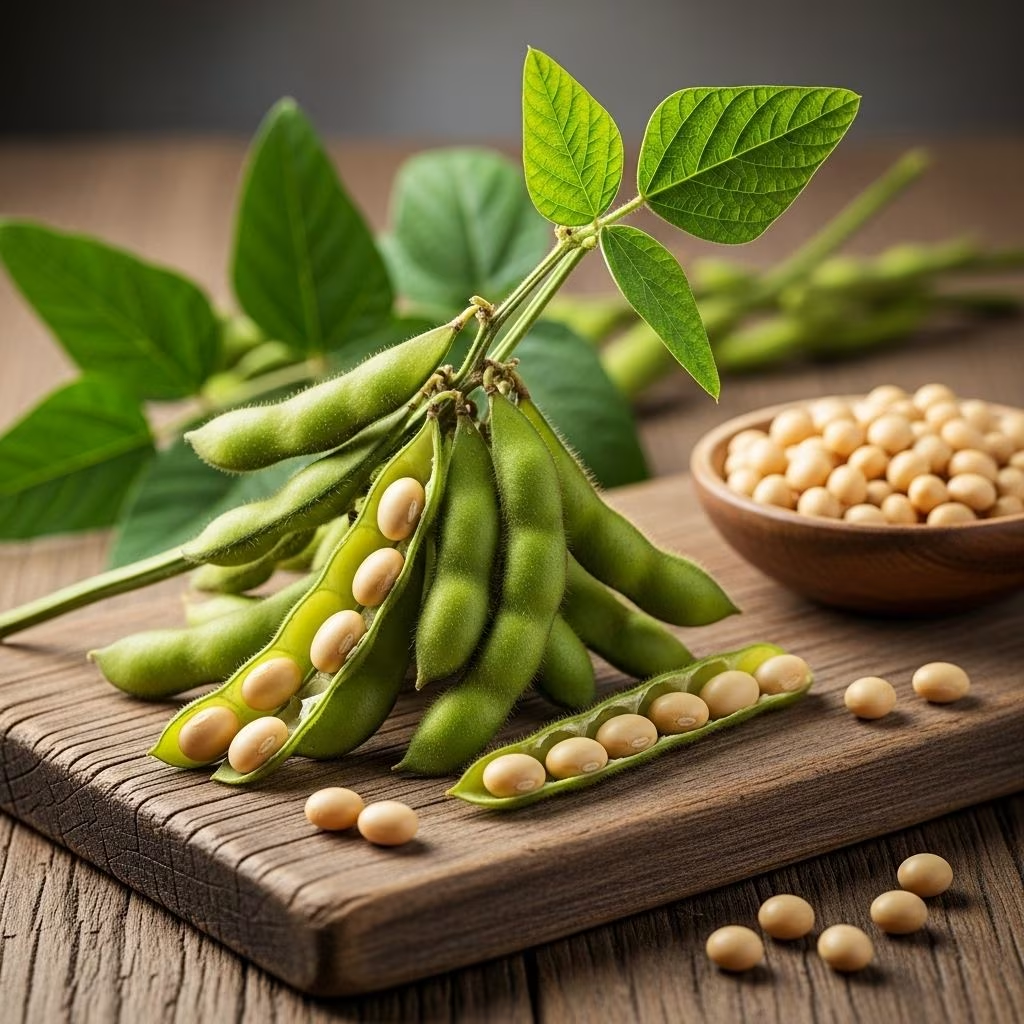
Introduction to Soybean
Soybean (Glycine max) is a leguminous plant native to East Asia, valued worldwide for its rich nutritional profile and wide-ranging applications. As one of the oldest cultivated crops, soybeans have played a central role in both traditional diets and modern food industries. They are prized for their high protein and oil content, making them a staple protein alternative and an economic crop for global agriculture.
Soybeans are consumed in various forms, from whole beans to processed products such as tofu, soy milk, tempeh, miso, and soy protein isolates. Their versatility extends beyond human nutrition and into animal feed, industrial applications, and biofuel production.
Nutritional Profile of Soybeans
Soybeans are regarded as nutritional powerhouses among legumes due to their unique macronutrient and micronutrient composition.
Macronutrients in Soybeans
- Protein: 36–56% of dry weight, making soybeans among the highest plant-based protein sources. One cup (172g) of boiled soybeans provides about 31g of protein, composed mainly of glycinin and conglycinin proteins.
- Carbohydrates: 8.4g per 100g boiled. Soybeans contain significant fiber (6g/100g) and a modest amount of sugar (3g/100g). Carbohydrates in soybeans are mostly oligosaccharides, which act as prebiotics and promote gut health.
- Fats: 9g per 100g boiled. Unlike many other legumes, soybeans contain higher fat content (about 40% of calories), primarily polyunsaturated fats (linoleic acid and alpha-linolenic acid), including both essential omega-6 and omega-3 fatty acids.
| Nutrient | Amount | Role |
|---|---|---|
| Calories | 172 kcal | Provides energy |
| Protein | 18.2g | Muscle repair, growth, cell function |
| Carbohydrate | 8.4g | Fiber, energy |
| Fat | 9g | Cell membranes, hormones |
| Fiber | 6g | Digestive health |
| Water | 63% | Hydration |
Micronutrients and Bioactive Compounds
- Molybdenum: An essential trace element involved in enzyme function.
- Vitamin K1 (phylloquinone): Critical for blood clotting.
- Folate (vitamin B9): Crucial for DNA synthesis and cell division, especially important during pregnancy.
- Copper: Supports cardiovascular and neurological health.
- Manganese: Necessary for metabolism and bone health.
- Phosphorus: Vital for bone structure and energy metabolism.
- Thiamine (vitamin B1): Involved in energy metabolism.
- Potassium: Regulates fluid balance and muscle contractions.
Isoflavones and Phytochemicals
- Isoflavones: Soybeans are uniquely high in isoflavones (phytoestrogens such as genistein and daidzein), which have been researched for their role in reducing chronic disease risk.
- Prebiotics: Soybean oligosaccharides support gut health by feeding beneficial bacteria.
Health Benefits of Soybeans
Scientific research and traditional knowledge attribute a host of health benefits to soybeans, mainly due to their varied nutrient profile and bioactive compounds.
Heart Health
- Soy protein intake is associated with modest reductions in LDL cholesterol, offering cardiovascular protection.
- The fat profile, rich in polyunsaturated and essential fatty acids, supports healthy cholesterol levels and lowers risk factors for heart disease.
- The FDA has approved qualified health claims for soybean oil’s ability to lower cholesterol when replacing saturated fats in the diet.
Bone Health
- Soy foods often contain calcium and magnesium; fortified soy milk and tofu provide calcium absorption similar to cow’s milk.
- Isoflavones in soy support bone density and may help lower osteoporosis risk, particularly in postmenopausal women.
Weight Management
- High protein and fiber content promote satiety, helping with weight control and healthy metabolism.
- Soy foods can be part of balanced vegetarian or vegan diets supporting long-term weight management.
Diabetes & Blood Sugar Control
- Soybean’s low glycemic index, high fiber, and prebiotics help regulate blood Sugar levels and support metabolic health.
Cancer Prevention
- Some research suggests isoflavones in soy may reduce risk of hormonally-driven cancers (e.g., breast, prostate cancer); however, findings remain mixed and ongoing research continues.
Digestive Health
- Fiber and oligosaccharides act as prebiotics, promoting beneficial gut bacteria and aiding digestion.
Culinary Uses of Soybeans
Soybeans are incredibly versatile, used globally in diverse culinary traditions and food processing.
Whole Soybean Products
- Edamame: Immature soybeans harvested while green, steamed or boiled, eaten as a snack or appetizer.
- Boiled Soybeans: Used in salads, stews, and side dishes.
Processed Soy Foods
- Tofu: Made by coagulating soy milk; available in various textures (silken, firm, extra-firm). Used in stir-fries, soups, and desserts.
- Tempeh: Fermented whole soybeans pressed into cakes, with a nutty flavor and firm texture. Appreciated for higher protein and fiber.
- Miso: Fermented soybean paste with salty umami notes, essential in Japanese soups and marinades.
- Soy Milk: Plant-based milk alternative made by soaking, grinding, and boiling soybeans, commonly consumed alone or used in baking.
- Natto: Fermented soybeans with a strong savory flavor and sticky texture, traditional in Japanese breakfasts.
Industrial and Non-Food Applications
- Soy Protein Isolates and Concentrates: Used in processed foods to boost protein content, including meat alternatives, bars, and shakes.
- Soybean Oil: Extracted for cooking and food manufacturing; also utilized in margarine, mayonnaise, salad dressings, and industrial products like biodiesel.
- Animal Feed: Major protein source in livestock feed due to efficient protein digestibility and nutritional balance.
- Bio-industrial Uses: Soy-based products find use in plastics, inks, and biofuels.
Culinary Versatility Across Cultures
- The United States and Brazil are leading global producers of soybeans, exporting vast quantities for food, feed, and industrial use.
- Asian cuisines utilize soy in countless dishes, both fermented and fresh, underlining its adaptability.
Taste and Sensory Profile
Soybean flavor profile depends on form and processing:
- Fresh Edamame: Mild, sweet, and nutty with a tender bite. Often lightly salted to accentuate flavor.
- Boiled Mature Soybeans: Earthy, slightly beany with subtle bitterness. Texture is firm, occasionally mealy.
- Tofu: Neutral flavor, absorbs seasoning well. Silken tofu: creamy; firm tofu: mildly nutty.
- Tempeh: Savory, nutty, slightly tangy due to fermentation.
- Miso/Natto: Pronounced umami, salty, with miso giving depth of flavor and natto offering pungent, fermented notes.
- Soy Milk: Creamy, slightly sweet, with unique beany aftertaste (varies by brand/processing).
Texture and taste can vary depending on genetic variety, growing conditions, and preparation methods. Fermentation enhances umami and mitigates some natural bitterness.
Potential Concerns and Antinutrients
Soybeans, like other legumes, contain some antinutritional factors to be aware of:
- Allergenic Potential: Some individuals may develop allergies to soy proteins (glycinin, conglycinin).
- Phytates: Though present, soybean phytates have less impact on iron absorption than in other plant foods, and most antinutrients are reduced by cooking or fermentation.
- Trypsin Inhibitors: Raw soybeans contain trypsin inhibitors, reducing protein digestion, which are largely neutralized by adequate cooking or processing.
- Isoflavone Effects: Concerns about hormonal effects have led to research; current evidence supports moderate soy intake as safe for most people.
Fermented soy foods (tempeh, miso, natto) tend to contain fewer antinutrients and are more easily digested. Proper preparation, such as soaking, cooking, and fermenting, maximizes nutritional value and bioavailability.
Frequently Asked Questions (FAQs)
Q: Is soybean protein suitable for vegetarians and vegans?
A: Yes. Soy is considered a complete plant-based protein, containing all essential amino acids with a protein quality equal to animal sources.
Q: Are soybeans safe for people with thyroid conditions?
A: Moderate soy intake is considered safe for most people, but those with thyroid disorders should consult a healthcare provider, as soy may slightly interfere with thyroid hormone absorption.
Q: What is the difference between fermented and unfermented soybean products?
A: Fermented soy foods (tempeh, miso, natto) are easier to digest, have enhanced flavor, and reduced antinutrients. Unfermented forms (tofu, soy milk, edamame) retain more of the original nutrients but may contain higher amounts of phytates and trypsin inhibitors.
Q: Can soybeans help reduce cholesterol?
A: Yes. Soy protein and soybean oil have FDA-qualified health claims supporting their cholesterol-lowering effects when used to replace saturated fat in the diet.
Q: Do soybeans contain gluten?
A: No. Soybeans are naturally gluten-free and safe for people with celiac disease or gluten sensitivity.
Conclusion
Soybeans stand out as a nutrient-dense legume, packed with high-quality protein, healthy fats, fiber, vitamins, minerals, and unique bioactive compounds. Their extensive health benefits, global culinary versatility, and distinctive flavor profile make them a mainstay in both traditional and contemporary diets. Understanding soy’s nutritional attributes, benefits, and potential concerns enables optimal use of this remarkable crop for personal and planetary wellness.
References
- https://www.healthline.com/nutrition/soybeans
- https://s10901.pcdn.co/wp-content/uploads/2021/06/Nutritional-and-Health-Attributes-of-Soyfoods-Overview.pdf?pwsName=bob
- https://pmc.ncbi.nlm.nih.gov/articles/PMC3931876/
- https://www.medicalnewstoday.com/articles/320472
- https://www.fao.org/4/t0532e/t0532e02.htm
- https://pmc.ncbi.nlm.nih.gov/articles/PMC9410752/


