


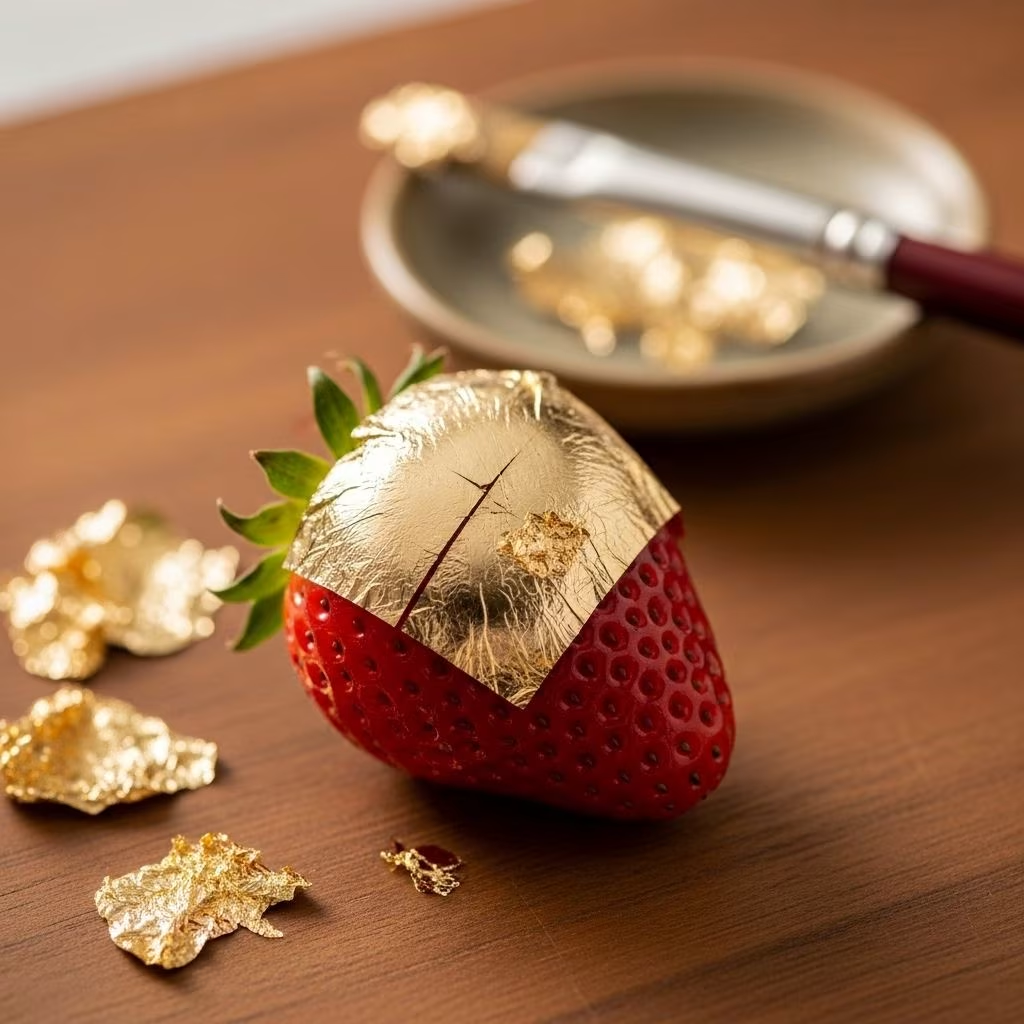
Gold leaf has fascinated artisans, chefs, and designers for centuries, offering the allure of genuine gold in a form so thin and versatile that it can embellish art, architecture, and even gourmet delicacies. But what is gold leaf exactly, what benefits does it offer, where is it used, and, intriguingly, what does it taste like? Read on for an extensive exploration of gold leaf—its composition, applications, advantages, and sensory profile.
Definition and Origins
Gold leaf is a material created by hammering gold into ultra-thin sheets, typically averaging about 0.12 microns in thickness, compared to copier paper at 130 microns and human hair at about 60 microns. The process stretches a small quantity of gold to cover large surface areas, making it ideal for decorative and artistic applications.
Historically, gold leaf has been used for thousands of years. Ancient Egyptians adorned tombs with gold leaf, European craftsmen gilded frames and religious icons, and Asian cultures have used gold leaf in temples and sacred texts. Today, gold leaf’s brilliance can be seen atop edifices like the Statue of Liberty’s torch and several state capitols, as well as in artwork and culinary masterpieces.
Types of Gold Leaf
Gold leaf is available in both genuine (real) and composition (imitation) varieties, each with specific uses, benefits, and limitations:
- Genuine Gold Leaf: Made from real gold, usually ranging from 22 to 24 karats. 24k gold leaf is 99.9% pure gold, with lower karat leaves blended with metals like silver and copper to adjust color and durability.
- Composition Gold Leaf: Also called imitation gold leaf, Dutch gold, or Schlagmetal. Typically made from alloys such as copper, brass, and zinc—with little to no gold content. Used mostly for decorative purposes where cost is a factor.
Real vs. Imitation Gold Leaf: Main Differences
| Type | Main Composition | Uses | Durability | Cost |
|---|---|---|---|---|
| Genuine Gold Leaf | Gold (99.9% for 24k, otherwise alloyed) | Art, religious icons, monuments, haute cuisine | Does not tarnish or rust | Expensive |
| Composition Gold Leaf | Copper, brass, zinc (no gold or very little) | Decorative arts, crafts, some edible varieties | Can tarnish/rust; requires varnish for protection | Affordable |
Manufacturing Process
The creation of gold leaf is a highly specialized craft, involving beating gold into sheets so thin they are nearly transparent. Here’s an overview of how it’s made:
- Melting and Blending: Gold (or alloy for composition leaf) is melted and cast into small ingots.
- Rolling: Ingots are rolled into thin ribbons.
- Beating: The rolled gold is hand-hammered or machine-beaten between layers of parchment until the desired thinness is achieved. For genuine gold leaf, this process continues until the sheet is nearly imperceptible to the touch.
- Cutting and Packaging: Sheets are cut (often 5.5″ x 5.5″ for metal leaf), then packaged in books for ease of handling.
Special Gold Leaf Forms
- Loose Leaf: Used for water gilding; requires a gilder’s tip and careful handling.
- Patent (Transfer) Leaf: Mounted on tissue paper for easier application to flat surfaces or outdoor work; not suitable for water gilding.
- Edible Gold Leaf: Specially produced for human consumption, usually 22k-24k, without any harmful additives. Only edible gold leaf should be used in food.
Benefits of Gold Leaf
Gold leaf offers several notable benefits, both as a decorative material and in culinary and design contexts:
- Aesthetic Luxury: Adds an unmistakable sense of opulence, beauty, and luminosity to surfaces, art, architecture, and food.
- Durability: Genuine gold leaf resists corrosion, tarnishing, and rust, maintaining its brilliance over time.
- Versatility: Can be applied to almost any surface—wood, metal, paper, glass, and edible items.
- Cultural Value: Used in icons, manuscripts, temples, and heritage objects, preserving cultural legacy.
- Safe for Consumption (when pure): Edible gold leaf is considered non-toxic and biologically inert, passing harmlessly through the digestive system when used in moderation in food.
Uses of Gold Leaf
Gold leaf finds its way into numerous domains owing to its adaptability and prestige. The main applications fall into three categories:
1. Artistic and Decorative Uses
- Fine Art and Sculpture: Embellishes paintings, frames, statuary, and artifacts for enhanced color, radiance, and historical authenticity.
- Architectural Details: Domes, ceilings, and columns; a gold leaf finish reflects sunlight brilliantly and offers cultural symbolism (see the Statue of Liberty’s torch).
- Furniture and Interiors: Adds luxurious highlights to woodwork, picture frames, mirrors, and more.
- Restoration: Used to restore ancient and historical artifacts to their former glory.
2. Culinary Applications
- Gourmet Dishes: Gold leaf is sometimes used to adorn chocolates, cakes, pastries, cocktails, sushi, and even savory cuisine. Edible gold leaf signals luxury and exclusivity at high-end restaurants and patisseries.
- Drinks: Sparkling wine and specialty cocktails are occasionally garnished with edible gold flakes for visual impact and novelty.
- Celebratory Events: Gold leaf is often incorporated into foods for weddings, anniversaries, and special ceremonies.
3. Religious and Cultural Uses
- Manuscripts and Icons: Used in illuminated manuscripts and religious artwork to symbolize divinity and reverence.
- Temples and Offerings: In many Asian cultures, worshippers apply gold leaf to statues as a form of homage.
Taste of Gold Leaf
Gold leaf itself has no flavor, aroma, or nutritional value, as it is completely inert and does not react with food or digestive acids. Thus, gold leaf does not alter the taste or texture of dishes to which it is added—it is primarily a visual and symbolic enhancement. Edible gold leaf is used as an extravagant garnish rather than a flavoring agent, making food sparkle and stand out on special occasions.
Comparison with Other Metal Leaf
- Silver Leaf: Made from pure silver; commonly tarnishes if unprotected.
- Aluminum Leaf: Sometimes called imitation silver—does not tarnish as readily as silver leaf.
- Copper Leaf: Made from pure copper; decorative, but prone to tarnish and requires sealing.
- Palladium Leaf: Used as a durable alternative to silver for exterior applications due to high resistance to corrosion.
- Variegated Leaf: Metal leaf modified for colorful effect; used in artistic settings.
Safety and Edibility
The safety of gold leaf depends on purity and intended use:
- Genuine (Edible) Gold Leaf: 22k-24k gold leaf produced for food is non-toxic and considered safe when properly certified. It passes through the body without absorption, posing no health risks in small quantities.
- Imitation/Composition Gold Leaf: Made from metal alloys like copper, brass, and zinc. Not safe for consumption unless specifically labeled as food-grade edible leaf. Consuming non-edible metal leaf can cause health problems.
Always ensure products labeled as edible gold leaf meet food safety standards set by relevant authorities.
Frequently Asked Questions about Gold Leaf
Q: Is gold leaf a compound?
No. Gold leaf made from pure gold is an element, not a compound. Alloyed or imitation gold leaves are combinations of metals, considered alloys.
Q: Can gold leaf rust?
Genuine gold leaf will never rust, because gold is a non-reactive element. Imitation leaf may tarnish or corrode depending on metal content.
Q: How do you apply gold leaf to surfaces?
Gold leaf can be applied using the following techniques:
- Water Gilding: Applying gold leaf to a prepared bole (clay) surface. Used mainly on flat or curved panel surfaces.
- Oil Gilding: Applying leaf to surfaces coated in oil-based adhesive; suitable for outdoors and varied objects.
- Patent Leaf Application: Where gold leaf is pressed onto surfaces using its tissue backing, simplifying placement for certain projects.
Q: What surfaces can gold leaf decorate?
Gold leaf may be applied to wood, metal, canvas, glass, ceramics, objects, and edible items (when food-grade).
Q: Is imitation gold leaf really just a metal alloy?
Yes. Imitation gold leaf is made from alloyed metals like copper, brass, and zinc, lacking the purity of true gold leaf.
Q: Does gold leaf have health benefits?
No proven nutritional or medicinal benefits exist for ingesting pure gold leaf. It is inert and passes safely through digestion, serving strictly ornamental and luxury purposes when added to food.
Q: What is “bole” and its role in gilding?
Bole is a refined clay surface applied to objects before water gilding; it influences the reflectiveness and final sheen of the gold finish, enhancing luster.
Conclusion
Gold leaf is a marvel of artistry and craftsmanship, transforming minute quantities of gold into expansive, gleaming sheets for use in art, architecture, restoration, and cuisine. Genuine gold leaf delivers lasting beauty and exceptional durability, while imitation leaf provides a more accessible, if less permanent, alternative for creative endeavors. When it comes to culinary usage, only certified edible gold leaf is safe, enhancing visual appeal rather than taste. From cultural icons to gourmet treats, gold leaf remains a timeless symbol of luxury, beauty, and meticulous skill.
References
- https://barnabasgold.com/composition-gold-leaf/
- https://conservationsupportsystems.com/system/assets/file/gilding-info-view.html
- https://www.goldenleafproducts.com/info-what-is-gold-leaf.html
- https://www.merriam-webster.com/dictionary/gold%20leaf
- https://fiveable.me/key-terms/art-renaissance-to-modern-times/gold-leaf
- https://johncanningco.com/blog/art-and-process-of-gilding/
- https://www.britannica.com/art/gold-leaf


