


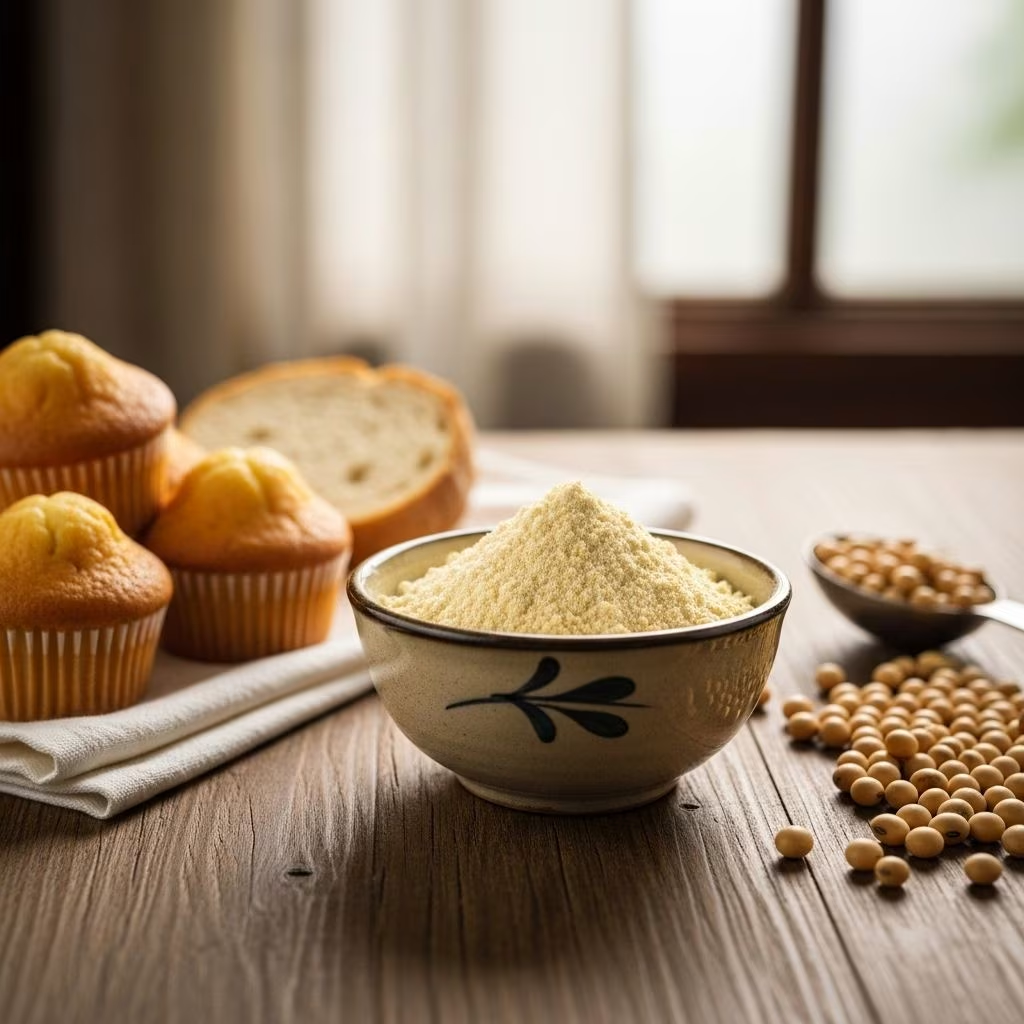
Soy flour stands out as both a powerhouse of nutrition and a versatile ingredient in the baker’s pantry. Whether you’re seeking a gluten-free option, trying to boost protein in your recipes, or looking for dairy and egg alternatives, soy flour offers broad potential. This guide comprehensively explores how to use soy flour in baking, the best substitutes, and its impressive nutritional content.
Introduction to Soy Flour
Soy flour is made by grinding roasted or raw soybeans into a fine powder. Its growth in popularity owes largely to its nutritional profile—rich in plant-based protein, fiber, and essential minerals—as well as its function as a gluten-free, high-protein ingredient in baked goods. Soy flour’s versatility allows it to appear in everything from breads to cookies to cakes, as a partial replacement for wheat flour or a protein booster.
Nutritional Profile of Soy Flour
Soy flour is valued for its high protein, healthy fats, and micronutrients. The following table shows an approximate nutritional breakdown for 100 grams of full-fat soy flour:
| Nutrient | Amount per 100g |
|---|---|
| Calories | 400 kcal |
| Protein | 35–40 g |
| Carbohydrates | 25–30 g |
| Fiber | 5–7 g |
| Total Fat | 18–20 g |
| Calcium | 200–250 mg |
| Iron | 6–7 mg |
| Magnesium | 240–250 mg |
| Potassium | 2000 mg |
- Protein: Excellent amino acid profile, nearly as high as lean meats and much higher than typical grain-based flours, making it ideal for vegetarians and vegans.
- Fiber: Promotes digestion and satiety.
- Healthy fats: Primarily unsaturated fats, beneficial for heart health.
- Micronutrients: Contains significant B vitamins, iron, magnesium, potassium, and calcium.
- Isoflavones: Contains plant compounds with antioxidant properties that have been studied for potential health benefits, including lowering cholesterol and supporting hormone balance.
Note: Defatted versions (where oil is removed) contain less fat and slightly more protein. Roasted soy flour (kinako) has a warmer flavor, whereas raw soy flour has a milder, bean-like taste.
Types of Soy Flour
- Full-fat soy flour: Made from whole soybeans, contains all natural oil for richer flavor and moisture.
- Defatted soy flour: Oil removed, resulting in higher protein concentration, ideal when a lighter texture and less flavor are desired.
- Roasted soybean flour (Kinako): Common in Japanese baking; toasted for a nutty, aromatic character.
Each type works slightly differently in recipes. For instance, full-fat soy flour adds moisture, while defatted soy flour produces a more neutral result and can sometimes be used in higher proportions.
Baking Uses: Why Use Soy Flour?
Soy flour is a favorite in gluten-free, protein-rich, and allergy-friendly baking. Its functional properties make it a powerful ingredient for:
- Gluten-free baking: Does not contain gluten, making it suitable for celiac or gluten-sensitive individuals. It often appears in combination with other flours for optimal structure and moisture.
- Protein enrichment: Substituting some wheat flour with soy flour can significantly increase a baked item’s protein content, which supports muscle repair and satiety.
- Moisture and tenderness: Soy flour retains water during baking, enhancing softness and extending shelf life of products. Particularly useful in cakes, muffins, and quick breads.
- Flavor enhancement: Adds a subtle, nutty, and slightly sweet flavor, which complements cookies, muffins, brownies, and even breads.
- Improved browning: Promotes golden color in baked goods due to its natural sugars and protein content.
- Egg substitution: Thanks to its binding and emulsifying properties, soy flour can replace eggs (especially when mixed with water and oil) in recipes for vegans or those with egg allergies.
Common Baked Goods Made with Soy Flour
- Muffins and cupcakes (e.g., blueberry soy flour muffins)
- Cookies, shortbread, and energy bites
- Cakes (including gluten-free or low-carb variants)
- Quick breads (banana bread, pumpkin bread)
- Homemade crackers and crisps
- Pancakes and waffles
- Pizza crusts and flatbreads
It is best to start by replacing 10–30% of the wheat flour in a recipe with soy flour to acclimate to the flavor and texture changes. Because soy flour lacks gluten, higher percentages may lead to denser, more crumbly products unless paired with gluten-containing flours or suitable binders.
Best Substitutes for Soy Flour
Although soy flour excels for many purposes, there may be reasons to seek alternatives, such as allergies, taste preferences, or ingredient availability. Top substitutes include:
- Chickpea (Garbanzo) flour: Similar protein, mild nutty flavor, comparable in gluten-free recipes.
- Almond flour: Good for low-carb and gluten-free, but higher in fat and less protein than soy flour. Adds a sweet, nutty flavor.
- Coconut flour: Absorbs more moisture than soy flour, so use less or add extra liquid. Distinct coconut flavor, higher in fiber.
- Oat flour: Mild flavor and suitable for gluten-free diets (if certified). Lower in protein than soy flour.
- Pea protein flour: High protein, neutral taste, commonly found in high-protein and gluten-free products.
- Rice flour: Neutral flavor, but adds crumbly texture in some recipes and is lower in protein.
For best results, substitute 1:1 by weight rather than by volume, as densities vary. For egg replacement, you can also mix ground flaxseed or chia seed with water, but they do not add as much protein as soy flour. Always adjust liquid in the recipe when using coconut or almond flour, since they absorb moisture differently.
Practical Baking Tips with Soy Flour
- Proportion matters: Use up to 30% soy flour in wheat-based recipes for best results. More may require additional binder (e.g., xanthan gum, psyllium husk, or an extra egg) to prevent crumbling.
- Flavor balancing: Its beany taste can be masked with vanilla, citrus, or sweet spices in desserts. Roasted soy flour (kinako) provides a pleasant nutty note.
- Leavening: Soy flour does not rise as much as wheat flour. Increase baking powder or baking soda slightly in traditional recipes.
- Storage: Store in airtight container in a cool, dark place, or refrigerate to prevent oils from spoiling.
- Hydration: Soy flour absorbs more water than regular flour. Adjust recipes by adding a little extra liquid as needed.
Allergies & Considerations
- Soy allergy: People allergic to soybeans must avoid soy flour and its derivatives.
- Digestive effects: For some, high intake of soy foods may cause bloating. Start slowly and increase intake as tolerated.
- Phytoestrogens: Contains isoflavones, plant estrogens studied for health effects. They are generally considered safe in moderation, but consult a healthcare provider for infants, those with thyroid conditions, or people at risk for hormone-related cancers.
- Raw soy flour safety: Some raw varieties contain trypsin inhibitors. Cooking or baking deactivates these naturally occurring compounds, making the flour safe to eat.
Frequently Asked Questions (FAQs)
Q: Can I use soy flour in place of regular wheat flour one-for-one?
A: No. For best texture and flavor, replace only 10–30% of the wheat flour in most recipes with soy flour. For gluten-free baking, combine with other gluten-free flours and appropriate binders.
Q: Is soy flour suitable for keto or low-carb diets?
A: Soy flour is relatively low in carbohydrates compared to wheat flour, but not as low-carb as almond or coconut flours. Check your dietary limits before using it extensively.
Q: Can I use soy flour to replace eggs in recipes?
A: Yes. 1 tablespoon soy flour + 1 tablespoon water can replace one egg in baked goods, though it works best in recipes with additional binder ingredients.
Q: What’s the difference between soy flour and roasted soybean flour (kinako)?
A: Roasted soy flour (kinako) has a toasted, nutty flavor and golden color, while regular soy flour (often pale or off-white) is made from unroasted beans with a milder taste.
Q: How should I store soy flour?
A: In a tightly sealed container, kept dry and cool. For extended freshness, refrigerate or freeze, as soy flour’s natural oils can go rancid if left at room temperature for long periods.
Sample Soy Flour Recipes
1. Soy Cookies (High Protein, Gluten-Free)
- 1 cup soy flour
- 1/2 cup oat flour
- 2 tsp baking powder
- 1/4 cup olive oil (or oil of choice)
- 1/4 cup sugar
- 1/4 tsp salt
- 1 tsp vanilla extract
- 1/4 cup water
Mix dry and wet ingredients separately, then combine and add water gradually until a dough forms. Shape cookies and bake at 160°C (320°F) for 15–20 minutes.
2. Gluten-Free Soy Flour Cake
- 3 eggs
- 3 tbsp sugar
- 6 tbsp soy flour
- Optional: vanilla extract and powdered sugar
Whip eggs and sugar until light and frothy, then fold in the soy flour. Bake in a lined cake pan at 180°C (350°F) for 20 minutes. Simple, fluffy, moist, and high-protein.
3. Blueberry Soy Flour Muffins
- 1 cup soy flour
- 3 cups all-purpose flour
- 1 tbsp baking powder
- 1/2 tsp baking soda
- 1 tsp salt
- 1 tsp cream of tartar
- 2/3 cup granulated sugar
- 2/3 cup vegetable shortening
- 8 egg whites
- 2 cups orange juice
- 1.5 cups blueberries (fresh or frozen)
Combine dry and wet ingredients separately, then mix and gently fold in blueberries. Bake at 180°C (350°F) until golden and firm, about 20–25 minutes.
Conclusion
Soy flour’s unique combination of high-quality plant-based protein, rich micronutrients, and versatile baking abilities make it a favorite for both health-conscious bakers and those managing allergies or dietary restrictions. By understanding how to incorporate soy flour and when to choose substitutes, you can create exceptionally nutritious, flavorful, and satisfying baked goods for every occasion.


