


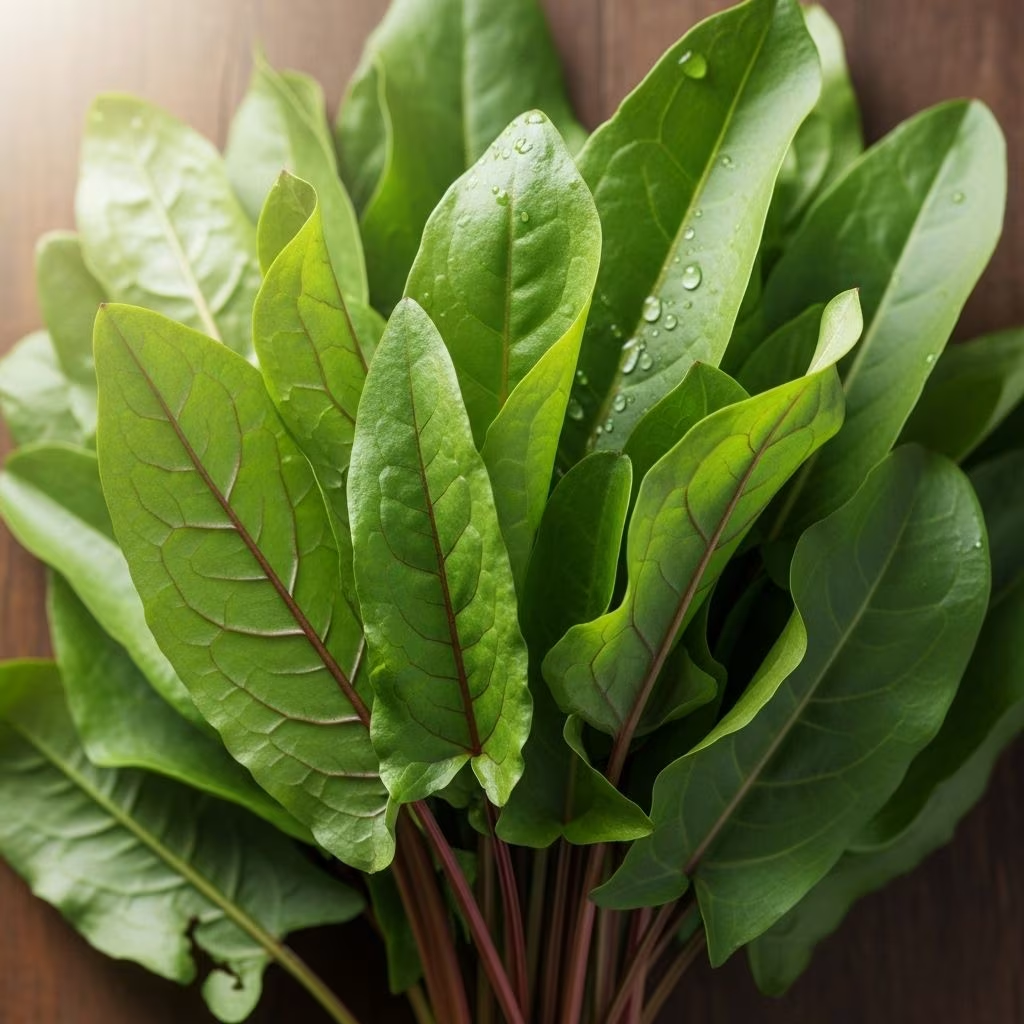
Sorrel is a perennial herb valued worldwide for its sharp, tangy flavor and reputed health benefits. It is used as both a culinary green and a traditional medicinal plant, with a rich history stretching from Europe and Asia to Africa and the Caribbean. This article explores sorrel’s botanical details, nutritional profile, different types, potential health benefits, primary uses, flavor notes, key recipes, safety, and FAQs.
What Is Sorrel?
Sorrel refers to several hardy perennial herbs in the buckwheat family (Polygonaceae), most notably Rumex acetosa (garden or common sorrel), cultivated for their edible, sour-tasting leaves. It is sometimes called spinach dock or narrow-leaved dock and is native to Eurasia, but now grows widely in temperate climates across the globe. Sorrel is used in salads, soups, and sauces, as well as in traditional medicine and natural remedies.
It is important not to confuse the leafy green sorrel (Rumex genus) with Jamaican sorrel (which actually refers to a type of hibiscus flower), or wood sorrel (Oxalis) which, while similarly sour, belongs to an entirely different botanical family.
Main Types & Varieties of Sorrel
Multiple species and cultivars are known as “sorrel.” Here are the most common varieties:
- Garden/Common Sorrel (Rumex acetosa): The type most widely grown and available at markets; has large, arrow-shaped leaves and a pronounced tart flavor.
- French Sorrel (Rumex scutatus): Also called buckler-leaf sorrel; known for smaller, more rounded leaves and a milder, less acidic taste.
- Sheep Sorrel (Rumex acetosella): Often grows wild as a weed; smaller leaves and sharp acidity similar to common sorrel.
- Red-veined Sorrel (Rumex sanguineus): Distinctive with its deep red veins; often appreciated for both its decorative and culinary uses, with a more subtle tartness.
- Wood Sorrel (Oxalis species): Not a true sorrel, but shares the sour taste; recognizable by its trifoliate heart-shaped leaves and yellow or pink flowers.
| Type | Botanical Name | Leaf Description | Flavor |
|---|---|---|---|
| Garden/Common Sorrel | Rumex acetosa | Large, arrow-shaped | Sharp, tangy, lemon-like |
| French Sorrel | Rumex scutatus | Small, rounded | Mild, less acidic |
| Sheep’s Sorrel | Rumex acetosella | Small, slender | Very tart, acidic |
| Red-veined Sorrel | Rumex sanguineus | Medium, red veined | Mild tartness |
| Wood Sorrel (not true sorrel) | Oxalis species | Heart-shaped, trifoliate | Burst of sourness |
Botanical Characteristics
Sorrel is a herbaceous perennial, typically reaching up to 60 cm (24 inches) high, with arrow- or lance-shaped leaves and reddish-green flowers that appear in early summer.
- Root system: Deep taproot, allowing it to reach water and resist drought.
- Leaves: Arrow- or lance-shaped in most species, sometimes red-veined; soft and juicy in texture; grow from a basal rosette.
- Flowers: Whorled spikes, small, reddish-green to purplish as they mature.
- Fruit/Seed: Tiny, brown seeds formed after flowering.
True sorrel should not be mistaken for Oxalis, despite similarities in taste and “sourness.” Oxalis species have heart-shaped, trifoliate leaves, and yellow or pinkish flowers. Culinary or common sorrel (Rumex species) have arrow- or lance-shaped leaves and belong to a different plant family.
Nutritional Profile of Sorrel
Sorrel is a nutrient-dense leafy green, rich in several important vitamins, minerals, and plant compounds:
- Vitamin C: High in ascorbic acid, which acts as an antioxidant and immune booster.
- Vitamin A: Essential for healthy vision and immune function.
- Iron: Supports normal blood oxygenation.
- Potassium, Magnesium, and Calcium: Important for cardiovascular and nerve health.
- Dietary Fiber: Promotes a healthy digestive system.
- Oxalic Acid and Polyphenols: Responsible for sour taste and possible health benefits, but may limit absorption of some minerals if consumed in high amounts.
Low in calories and fat, sorrel is a powerful leafy green to include in a balanced diet.
Health Benefits of Sorrel
The unique nutritional and phytochemical composition of sorrel gives rise to several health-supporting effects, many supported by traditional medicine and modern studies:
- Rich Antioxidant Content: High levels of vitamin C and polyphenols help neutralize free radicals and may reduce oxidative stress.
- Supports Immune Health: Sorrel’s vitamin C and plant acids bolster immune defenses against pathogens.
- Supports Digestive Health: The fiber content encourages healthy digestion, while the plant’s acids may have mild appetite-stimulating effects.
- Anti-inflammatory Properties: Used traditionally as a poultice for skin inflammation and infections.
- May Aid Weight Management: Low in calories and fat, sorrel can be used in salads and soups as a nutrient-dense, low-calorie green.
- Potential Heart Health Benefits: Presence of potassium and magnesium helps regulate blood pressure and cardiovascular function.
Note: While sorrel has been valued in folk medicine for everything from liver health to fever reduction, evidence from modern human studies is limited and more research is needed to confirm these effects.
Culinary Uses of Sorrel
Sorrel’s distinctive sourness and tender leaves make it a valued herb and vegetable in cuisines around the world. Culinary uses include:
- Salads: Young, tender leaves are used raw in salads for a lemony bite.
- Soups: Famous for classic French soupe à l’oseille (sorrel soup), combining its flavor with potatoes, cream, or eggs.
- Sauces: Blended into creamy sauces, particularly to accompany fish or poultry.
- Garnish: Used as a bright-tasting garnish on a wide range of dishes.
- Herb Mixes: Included in classic European herb blends like fines herbes.
- Cooked Greens: Sautéed like spinach, often with butter and garlic.
- Pies and Tarts: Used in savory pies, especially in Eastern European and Middle Eastern recipes.
When cooked, sorrel wilts quickly and its bright color and sharp flavor mellow. Adding cream, eggs, or potatoes to sorrel-based recipes helps balance its acidity.
Taste Profile and Flavor Notes
Sorrel’s most characteristic feature is its tangy-sour flavor profile, which is typically compared to lemon, kiwi, or sour wild strawberries. This tartness is mainly due to its oxalic acid content.
- Younger leaves: More tender, milder, and suitable for raw salads.
- Mature leaves: More sour and pungent, usually best when cooked.
The overall experience is refreshing and slightly astringent, adding complexity wherever it is used. Overcooking sorrel causes the leaves to break down into a purée, which is typical for soups and sauces.
Traditional and Medicinal Uses
Various cultures have historically employed sorrel as a natural remedy:
- Digestive Aid: Used to stimulate appetite and support digestion in folk medicine.
- Scurvy Prevention: High vitamin C content made it an essential food for preventing scurvy among sailors and explorers.
- Fever and Inflammation: Applied as poultices for skin swelling, or brewed as a tea for fevers.
- Diuretic: Employed in traditional herbalism to support urinary and kidney function.
>
Precautions and Safety Information
Sorrel is generally safe when consumed in moderation as a food, but potential safety considerations include:
- Oxalic Acid Content: High doses of sorrel may inhibit the absorption of calcium and promote the formation of kidney stones, particularly if one is predisposed or has kidney disorders.
- Allergies and Reactions: Rare, but some individuals may experience allergic symptoms or gastrointestinal upset.
- Children and Pregnant Women: Should consume sorrel sparingly and avoid high supplementation due to oxalic acid.
Tip: Cooking sorrel can help reduce oxalic acid content. If you are prone to kidney stones or have concerns, consult a healthcare provider before increasing sorrel intake.
Growing and Harvesting Sorrel
Sorrel is easy to cultivate, making it a valuable addition to home gardens:
- Planting: Prefers full sun to partial shade and moist, well-drained soil.
- Maintenance: Perennial habit with a deep taproot allows for drought resistance and year-to-year growth.
- Harvest: Pick young leaves for raw use; mature leaves for cooking. Remove flowering spikes to maintain leaf production.
- Pests/Diseases: Relatively pest-free, but watch for slugs or snails.
Frequently Asked Questions (FAQs)
Q: Is sorrel the same as Jamaican sorrel used in drinks?
A: No, Jamaican sorrel refers to Hibiscus sabdariffa, a flowering plant used to make a tart, red holiday beverage. Garden sorrel (Rumex acetosa) is an unrelated leafy green.
Q: What does sorrel taste like?
A: Sorrel has a signature sour, citrus-like flavor—akin to lemon or tart green apple—that lifts salads and adds depth to cooked dishes.
Q: Can I eat sorrel raw?
A: Yes, tender young leaves are delicious raw in salads or as a garnish. Mature leaves can be eaten raw but are more sour and often cooked to mellow their taste.
Q: Is sorrel healthy?
A: Sorrel is rich in vitamins C and A, and contains iron, fiber, and polyphenols—making it a nutritious addition to many diets.
Q: Are there any risks to eating sorrel?
A: Consuming large amounts of sorrel may pose a risk for people susceptible to kidney stones due to its oxalic acid content. Occasional culinary use is generally considered safe.
Q: How do I store sorrel?
A: Store fresh sorrel leaves in a plastic bag in the refrigerator for up to three days. Blanched or cooked sorrel can be frozen for later use.
Q: How do I use sorrel in cooking?
A: Add fresh to salads, blend into soups or sauces, sauté as a side dish, or pair with fish, eggs, potatoes, and creamy dairy ingredients to balance its sharpness.
References
- https://en.wikipedia.org/wiki/Sorrel
- https://feralforaging.com/wood-sorrel/
- https://draxe.com/nutrition/sorrel/
- https://www.britannica.com/plant/sorrel
- https://www.phillyorchards.org/2022/08/08/plant-spotlight-the-small-and-sour-sorrel/
- http://www.missouribotanicalgarden.org/plantfinder/PlantFinderDetails.aspx?taxonid=285455
- https://www.rhs.org.uk/herbs/sorrel/grow-your-own
- https://pfaf.org/user/plant.aspx?LatinName=Rumex+acetosa


