


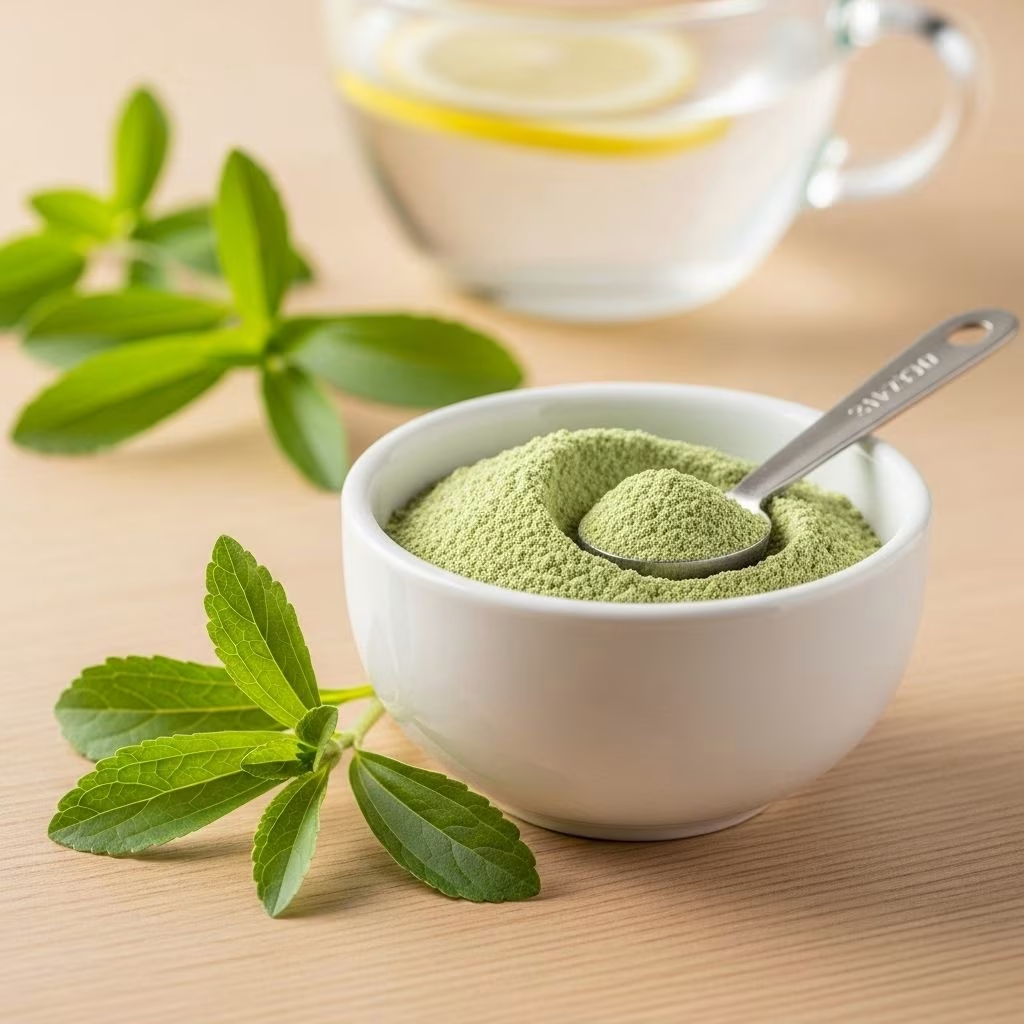
Stevia stands out as a natural, calorie-free sweetener that has gained popularity among health-conscious consumers and those seeking alternatives to sugar. Known for its intense sweetness and plant-based origin, stevia presents a compelling option for individuals looking to reduce their sugar intake without sacrificing flavor. This article delves into what stevia is, its health benefits, culinary and practical uses, safety profile, and most importantly, its distinctive taste experience.
What Is Stevia?
Stevia is a natural, non-nutritive sweetener derived from the leaves of the Stevia rebaudiana plant, which is native to South America. The leaves contain compounds called steviol glycosides—primarily stevioside and rebaudioside A—that are responsible for its pronounced sweetness, which is between 200 and 400 times sweeter than table sugar. Unlike artificial sweeteners, stevia offers a plant-based, calorie-free alternative to sucrose and other caloric sweeteners.
Key Characteristics of Stevia
- Extracted from Stevia rebaudiana leaves
- Sweetness comes from steviol glycosides
- No calories or carbohydrates
- Available in powder, liquid, tablets, and blends
- Widely used as a tabletop sweetener and food additive
Historical and Cultural Uses of Stevia
Centuries before its commercial popularity, indigenous peoples of Paraguay and Brazil used stevia leaves in traditional medicine and as a sweetener for tea and foods. The plant was referred to as “ka’a he’ê,” meaning “sweet herb.” In modern times, stevia found rapid acceptance in Japan, China, South Korea, and now North America and Europe, often as an alternative in foods and drinks seeking to reduce added sugars.
The Science of Stevia’s Sweetness
The extraordinary sweetness of stevia comes from steviol glycosides:
- Stevioside and rebaudioside A are the primary sweet compounds.
- They bind to sweet taste receptors on the tongue, switching the sensation of sweetness to much higher intensities than sucrose.
- Stevia’s sweet compounds do not raise blood glucose levels, making them suitable for people with diabetes and those on calorie-restricted diets.
- Steviol glycosides are heat-stable, allowing use in baking and cooking.
The purified forms used commercially are produced by steeping the leaves in water, filtering and purifying the resulting extract for use in foods and beverages.
Health Benefits of Stevia
As research and consumer interest in sugar alternatives grows, the health benefits of stevia stand out in scientific literature. Here’s what studies and health organizations have found:
1. Blood Glucose Management and Diabetes
- Several clinical studies have demonstrated stevia’s potential to reduce blood glucose levels and improve insulin sensitivity, especially in people with diabetes.
- Animal studies suggest stevia may stimulate insulin production and help regulate pancreatic β-cell function, reducing risk of hypoglycemia.
- Unlike sugar, stevia use does not cause spikes in blood sugar, making it safer for diabetics.
2. Weight Management and Obesity Prevention
- Stevia is totally calorie-free, enabling lower overall energy intake without losing sweetness.
- Consuming stevia instead of sugar may help prevent weight gain and lower obesity risk, especially when replacing sugar in drinks or recipes.
- Some research indicates that stevia does not increase appetite or compensate for the lack of caloric energy, making it a useful tool for weight management plans.
3. Cardiovascular and Metabolic Health
- Stevioside and other steviol glycosides appear to have anti-inflammatory, antioxidant, and anti-hypertensive properties in preclinical models.
- Potential to support healthy lipid profiles and oxidative balance, offering protective effects against heart disease.
4. Oral Health
- Stevia does not contribute to tooth decay and exhibits anti-cariogenic properties, potentially reducing risk of cavities compared to sugar.
- Some studies show inhibitory effects against oral bacteria, complementing good dental hygiene practices.
5. Anti-inflammatory and Antioxidant Effects
- Contains natural phytochemicals with anti-inflammatory actions.
- Some evidence suggests stevia extracts have bactericidal capabilities, adding a potential layer of immune support.
6. Suitable for Diverse Diets
- Fits vegan, keto, diabetic, and gluten-free eating patterns.
- Does not disrupt most common dietary restrictions, increasing its versatility as a sweetening agent.
Is Stevia Safe?
Stevia has undergone rigorous safety assessments by food and health authorities:
- The World Health Organization (WHO) and U.S. Food and Drug Administration (FDA) have deemed purified steviol glycosides safe for consumption in specified quantities.
- Multiple clinical studies confirm no adverse health effects in healthy adults, diabetics, and children when used appropriately.
- Unlike some artificial sweeteners, stevia has not been linked to carcinogenic or toxic effects in humans.
- Rare cases of mild gastrointestinal upset have been reported, usually in sensitive individuals or with excessive use.
Culinary and Everyday Uses
Stevia’s adaptability makes it easy to incorporate into a variety of recipes and products:
- Tabletop Sweetening: Use in coffee, tea, on fruit, oatmeal, or cereals.
- Baking and Cooking: Stevia can withstand heat and is commonly used in sugar-free recipes, from cakes and cookies to sauces and jams. Be mindful that it lacks sugar’s browning and moisture-retaining properties.
- Beverages: Featured in many diet sodas, flavored waters, sports drinks, and even cocktail mixers.
- Dairy and Desserts: Used in yogurts, ice creams, pudding, and more, making these treats accessible for people restricting sugar.
- Processed Foods: Stevia is an ingredient in a growing number of protein bars, granola, salad dressings, and even some condiments.
Stevia is available as:
- Pure extracts (liquid or powder)
- Blend products (often mixed with erythritol, dextrose, or other bulking agents for improved texture)
- Small packets, dissolvable tablets, and baking blends
Stevia Conversion Table
| Sweetener | Sweetness (relative to sugar) | Lorem Ipsum |
|---|---|---|
| Table Sugar | 1x | 1 cup |
| Stevia Extract | 200–400x | 1/2 to 1 tsp liquid or 1/8 to 1/4 tsp powder |
| Stevia Blend | 2–4x | 1/4 cup blend |
Note: Always refer to product-specific conversion guidelines, as potency and blends may vary.
Potential Side Effects and Considerations
For most people, stevia is very well tolerated, but consider the following:
- Some individuals report a slight licorice or bitter aftertaste, especially with pure extracts or in high concentrations.
- Overconsumption can occasionally lead to digestive discomfort, such as bloating or diarrhea, particularly when mixed with sugar alcohols (like erythritol).
- Highly processed stevia products may contain bulking agents or additives—always check ingredient lists if you have sensitivities.
- Human studies do not show stevia lowers blood pressure to unsafe levels, but if you take blood pressure medications, consult your healthcare provider before frequent use.
Stevia vs. Other Sweeteners
| Sweetener | Source | Calories | Glycemic Impact | Taste Notes |
|---|---|---|---|---|
| Stevia | Plant (Stevia rebaudiana) | 0 | Zero | Slight licorice, clean finish, sometimes bitter |
| Table Sugar | Sugarcane/beetroot | 16/teaspoon | High | Sweet, neutral, caramelizes |
| Aspartame | Synthetic | 0 | Zero | Chemical, clean, no aftertaste |
| Saccharin | Synthetic | 0 | Zero | Sometimes metallic aftertaste |
| Honey | Bees/flower nectar | 21/teaspoon | Moderate | Rich, floral, sticky |
What Does Stevia Taste Like?
Stevia’s taste profile can be polarizing. While it is exceedingly sweet, some people detect a slight bitterness or licorice/menthol note, especially in high concentrations or pure extract forms. Many commercially available blends are engineered to minimize aftertaste and more closely approximate sugar’s flavor profile in culinary applications.
- Pure stevia extract: Potent sweetness, may have lingering bitterness or herbal notes.
- Stevia-sugar blends: More balanced, milder aftertaste, designed to mimic sugar.
- In drinks and foods: Taste is generally pleasant and clean in properly formulated commercial products.
Pro tip: Try stevia in small amounts and different brands to find the flavor profile you like best. Using it in recipes with acidic or bold flavors (lemon, coffee, chocolate) can help mask any aftertaste.
Frequently Asked Questions (FAQs)
Q: Can stevia help with diabetes management?
A: Yes. Stevia does not raise blood glucose or insulin levels and may be safely used as a sugar substitute by most people with diabetes. Clinical and animal studies indicate possible added benefits in blood sugar management; consult your healthcare provider for individual recommendations.
Q: Is stevia safe for daily consumption?
A: Major health authorities such as the FDA and WHO have approved purified stevia extracts for daily use within recommended intake guidelines. Side effects are rare at normal consumption levels.
Q: Does stevia have calories or carbohydrates?
A: No. Stevia is a non-caloric, non-carbohydrate sweetener, making it suitable for people on low-calorie or low-carb diets.
Q: How should I use stevia when baking or cooking?
A: Use conversion charts: stevia is much sweeter than sugar, so only a small amount is needed. Some blends are specifically designed for baking to help with texture and browning. Pure extracts require precise measurement and may best be used alongside other bulking agents.
Q: Does stevia affect appetite or weight loss?
A: Stevia can help lower calorie intake and is often included in weight management plans for this reason. Research does not indicate an increase in appetite or compensatory caloric intake for most individuals, though more long-term studies are needed.
Final Thoughts
Stevia has emerged as a leading zero-calorie sweetener, valued for its natural origin, safety, and wide-ranging benefits. While taste experience may vary between individuals, stevia remains a versatile and effective sugar alternative—suitable for diabetics, dieters, and anyone seeking to reduce added sugar yet retain sweetness in their favorite foods and beverages.


