


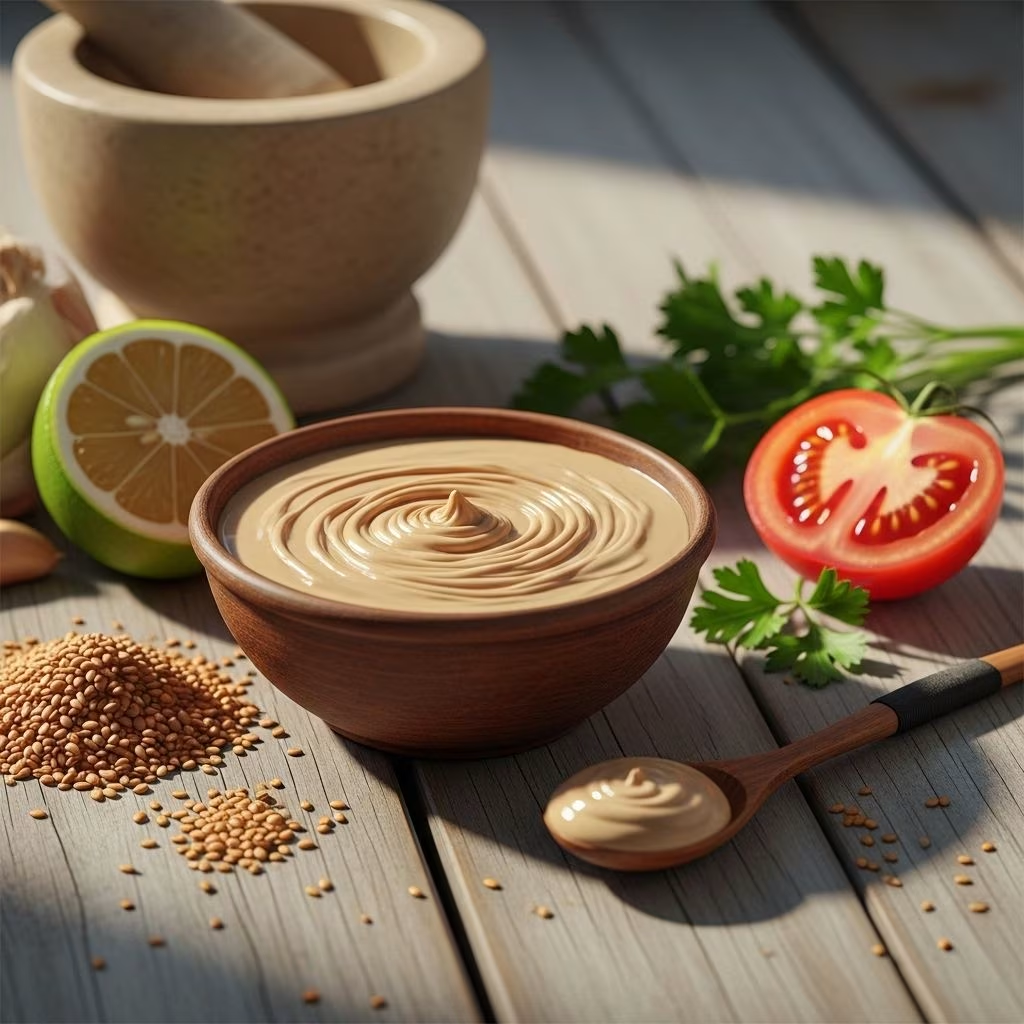
Tahini: Exploring Its Origins, Health Benefits, Versatile Uses, and Distinct Taste
Tahini, the creamy and luscious sesame seed paste, stands as both a beloved staple of Middle Eastern and Mediterranean cuisines and a rising ingredient globally for its nutrition and culinary adaptability. Its subtle yet notable flavor, impressive nutrient profile, and seamless ability to transform both savory and sweet dishes continue to make it a prized condiment and ingredient in kitchens around the world.
Introduction: What Is Tahini?
Tahini is a thick, creamy paste made from ground sesame seeds. Its name is derived from the Arabic word tahn, meaning “to grind.” Tahini is central to Mediterranean and Middle Eastern food traditions, where it’s prized for both its flavor and nutrition. With a texture akin to natural peanut butter and an oily surface, tahini is used as a condiment, sauce base, or ingredient in sweet and savory dishes alike.
- Primary Ingredient: Sesame seeds (hulled or unhulled, roasted or raw).
- Appearance: Creamy, beige-colored paste with an oily top layer.
- Main Use: Spread, dip, sauce, ingredient in both savory and sweet recipes.
History and Origins
Tahini’s story stretches back over 4,000 years, with ancient civilizations cultivating sesame for both oil and its health benefits. Sesame seeds were used in Mesopotamia, Egypt, Persia, and Greece, often for medicinal purposes as well as in cuisine.
- Ancient use: Sesame wine served to the gods, sesame used as currency, and recommended by Hippocrates for nutrition.
- Geographical spread: Middle East, North Africa, Eastern Mediterranean, Balkans, South Asia, Central Asia, East Asia.
- Modern popularity: Tahini entered Western markets in the mid-20th century and grew in popularity in health food circles.
The grinding of sesame seeds into a paste became an established culinary method, with tahini now a vital staple in dishes like hummus and baba ghanoush, extending its legacy from ancient kitchens to contemporary tables.
Types and Varieties of Tahini
Tahini comes in several varieties, with each offering subtle differences in taste, color, and nutritional content.
- Hulled Tahini: Made from sesame seeds with the hull removed. Mild flavor, smoother texture, lighter color.
- Unhulled Tahini: Made from whole sesame seeds, including the hull. Slightly bitter, nuttier, darker appearance, higher in fiber and nutrients.
- Raw Tahini: Made from unroasted seeds, resulting in a subtler flavor profile.
- Roasted Tahini: Created by roasting seeds before grinding, accentuating the nutty taste.
Table: Hulled vs. Unhulled Tahini
| Type | Color | Taste | Nutrition |
|---|---|---|---|
| Hulled | Pale, creamy | Milder, less bitter | Lower in fiber and some minerals |
| Unhulled | Darker beige | Richer, slightly bitter | Higher fiber, calcium, iron |
Nutritional Profile and Health Benefits
One of tahini’s greatest assets is its rich nutritional profile, making it both a culinary powerhouse and a food with broad health appeal. Each serving brings a concentrated dose of essential minerals, healthy fats, and plant-based protein.
- Healthy fats: Tahini is a source of heart-healthy unsaturated fats, including omega-6 fatty acids.
- Plant protein: Offers a substantial amount of vegetarian protein.
- Fiber: Particularly high in unhulled tahini, aiding digestion and satiety.
- Minerals: Rich in calcium, magnesium, phosphorus, and iron.
- Vitamins: Provides B-vitamins such as thiamine and niacin, which support energy metabolism.
- Antioxidants: Contains lignans (sesamin, sesamol) with antioxidant and anti-inflammatory properties.
While tahini is calorie-dense, its nutrient composition means it can support heart health, bone strength, and sustained energy when consumed in moderation.
Culinary Uses: From Traditional to Innovative
Tahini’s versatile flavor and creamy texture make it a standout ingredient in cuisines spanning the globe. Traditionally, it is featured as a sauce, dip, dressing, and ingredient in sweets, but modern chefs continue to find new uses in both plant-based and omni diets.
- As a Dip: Served solo with a drizzle of olive oil or mixed with lemon and garlic for dipping vegetables or bread.
- In Sauces & Dressings: Core component in hummus, baba ghanoush, and falafel sauce. Whisked into creamy dressings for salads or grain bowls.
- Spread: Used for breads, toast, and sandwiches alone or with honey and jams.
- In Sweets: Tahini forms the base for halva (Middle Eastern confection), and is used in cakes, cookies, and brownies for a nutty depth.
- Savory Dishes: Incorporated into stews, soups, marinades, and toppings for grilled meats or roasted vegetables.
- Global Fusion: Shows up in Asian stir-fry sauces, noodle dishes, and even fusion-style smoothies or breakfast bowls.
Modern uses extend further: tahini is now frequently found as a creamy addition to pasta sauces, grain salads, and vegan alternatives to dairy-based spreads and dips.
Taste and Texture of Tahini
Tahini’s taste is subtle and nutty, with hints of bitterness or earthiness depending on how it’s prepared. Its texture is smooth, pourable, and similar to that of natural peanut butter, often with a slightly oily surface due to the separation of natural fats.
- Flavor profile: Nutty, earthy, sometimes mildly bitter (especially unhulled or roasted varieties).
- Mouthfeel: Creamy, thick, spreadable.
- Pairings: Works well with acidic (lemon, vinegar), sweet (honey, maple), spicy (garlic, chili), or umami ingredients.
Its understated taste makes tahini a natural enhancer in multi-layered dishes while still able to anchor simple recipes on its own.
How Tahini Is Made
Making tahini is a straightforward process, though the best results come from careful attention to roasting and grinding. The basic method involves:
- Soaking: Sesame seeds may be soaked to soften hulls.
- Hulling: Seeds are sometimes hulled, depending on the desired tahini variety.
- Roasting: Seeds are roasted to enhance nutty flavors (optional).
- Grinding: Roasted seeds are ground into a paste using a stone mill or food processor.
- Optional oil: A small amount of oil (often sesame or olive) may be added to adjust consistency.
Homemade tahini is possible, though commercial varieties often benefit from industrial-scale grinding, leading to a creamier, smoother texture.
Storage and Shelf Life
- Sealed jars: Store unopened tahini in a cool, dark place; shelf life is several months to a year.
- Opened jars: Refrigerate after opening to preserve freshness and prevent oil separation.
- Stirring: Always stir well before use; natural oils tend to separate.
- Spoilage signs: Off odors, mold, or extreme bitterness indicate spoilage.
Proper storage ensures tahini remains safe and maintains optimal taste and nutritional qualities over time.
Tahini Compared to Other Common Spreads
| Spread | Main Ingredient | Texture | Flavor | Key Nutrition |
|---|---|---|---|---|
| Tahini | Sesame seeds | Creamy, smooth | Nutty, earthy | High calcium, plant protein, healthy fats |
| Peanut Butter | Peanuts | Thick, creamy | Roasted, sweet or salty | High protein, healthy fats |
| Almond Butter | Almonds | Thick, slightly gritty | Mild, sweet, nutty | Vitamin E, magnesium |
Common Recipes Featuring Tahini
- Classic Hummus: Chickpeas, tahini, lemon, garlic, olive oil.
- Baba Ghanoush: Roasted eggplant, tahini, lemon, garlic.
- Tahini Dressing: Tahini, lemon, garlic, water, salt (great for salads or bowls).
- Halva: Sweet confection of tahini and sugar (sometimes pistachios or other nuts).
- Tahin-pekmez: Turkish breakfast dish mixing tahini with grape syrup.
- Tahini Cookies/Brownies: Adds richness and subtle nutty depth.
Tahini’s scope in recipes is only expanding, with vegan and health-conscious cooks using it to replace dairy or nut-based ingredients.
Frequently Asked Questions (FAQs)
- Q: Is Tahini Gluten-Free?
Yes, pure tahini made only from sesame seeds is naturally gluten-free. - Q: Can I make tahini at home?
Absolutely. Roasting sesame seeds and grinding them in a food processor (optionally with oil) creates homemade tahini. - Q: Is tahini suitable for vegan diets?
Yes, tahini is plant-based and often used in vegan cooking for its creamy texture and nutritional benefits. - Q: How do I prevent tahini from separating?
Stir well before each use; refrigeration after opening slows separation, but does not stop it entirely. - Q: What are some unusual ways to use tahini?
Tahini is increasingly used in smoothies, oatmeal, granola bars, and as an ingredient in vegan ice cream for richness.
Conclusion
Tahini’s legacy as an ancient staple continues to thrive in modern kitchens, thanks to its blend of nutritional benefits, culinary flexibility, and distinctive taste. Whether swirled into hummus or baked into desserts, tahini remains a vital and delicious ingredient in global cuisine.
References
- https://unboxgreece.com/tahini-a-nutritional-and-culinary-powerhouse/
- https://www.bodrumnyc.com/blog/all-about-tahini-the-sesame-paste
- https://tastecooking.com/what-is-tahini-exactly/
- https://en.wikipedia.org/wiki/Tahini
- https://www.splendidtable.org/story/2016/07/21/a-brief-history-of-tahini
- https://www.jewishbookcouncil.org/pb-daily/tahini-a-brief-history
- https://www.merriam-webster.com/dictionary/tahini
- https://www.etymonline.com/word/tahini


