


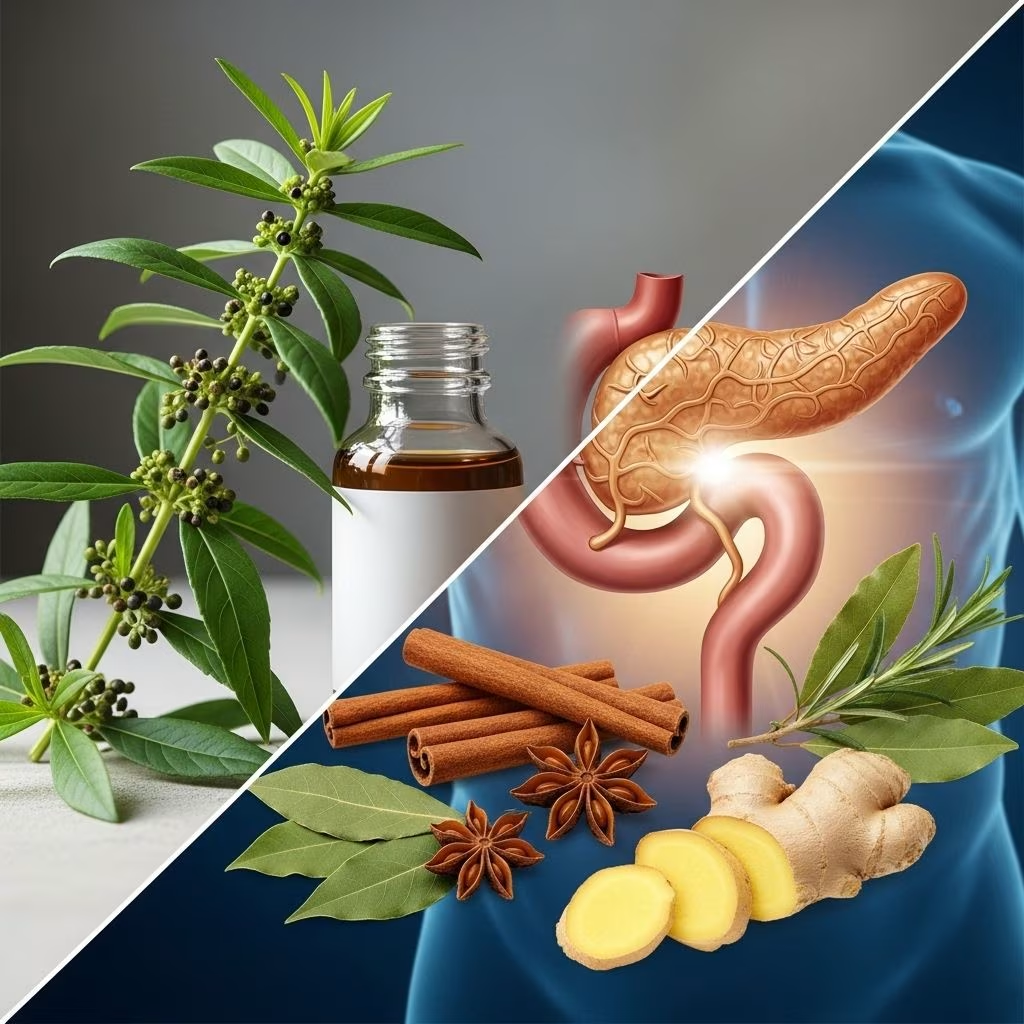
Plavinol and Natural Remedies for Diabetes: Understanding Condimentary Medicine
Diabetes, particularly type 2, afflicts millions worldwide and demands effective, science-based management. Amidst rising interest in natural remedies, products like Plavinol claim to complement or improve diabetes treatment. Yet, the rush to market these supplements often outpaces the clinical research necessary to prove their safety and effectiveness. This article examines Plavinol, Morus alba (white mulberry), and comparable products, exploring the evidence, uncertainties, and marketing tactics that influence diabetic care today.
What Is Plavinol?
Plavinol is presented as a breakthrough dietary supplement targeting blood sugar regulation and overall metabolic health. Advertised ingredients include:
- Mulberry (Morus alba) leaf extract (1% deoxynojirimycin, 500 mg)
- Gymnema sylvestre leaf extract (400 mg)
- Ashwagandha root and leaf extract (250 mg)
- Banaba leaf extract (1% corosolic acid, 48 mg)
- Vanadium (100 mcg)
These formulations, touted to:
- Control post-meal blood sugar
- Support healthy weight loss
- Improve A1C levels
- Boost metabolism
draw on a mix of preliminary animal studies, anecdotal human reports, and speculative marketing.
Evaluating the Evidence: Morus alba (White Mulberry)
Animal Research
Morus alba, the primary active ingredient in Plavinol, demonstrates blood sugar lowering effects in animal studies. Mouse models show some positive effects when mulberry is used alone or with other herbs; however, animal findings rarely translate directly to humans.
Human Studies
- One small double-blind crossover trial involving just 12 people found that a single dose of mulberry leaf extract slightly reduced post-glucose-challenge blood sugar spikes, but produced no change in insulin levels.
- A modest-sized RCT (76 subjects, 12 weeks) showed increased 1,5-anhydroglucitol levels at 8 and 12 weeks—suggestive, but not definitive. Crucially, there was no significant difference in fasting plasma glucose, insulin, hemoglobin A1C, or glycated albumin between mulberry and placebo groups.
- An uncontrolled Romanian study from 1989 claimed to lower blood sugar in 74 of 82 diabetic patients using a mulberry blend, yet the absence of controls and the use of different herbs make these results unreliable.
Summary Table: Morus alba Human Research
| Study Type | Subjects | Duration | Findings | Comments |
|---|---|---|---|---|
| Double-blind trial | 12 adults | Single dose | Lowered post-glucose spike, no insulin change | Small sample, short-term |
| RCT | 76 adults | 12 weeks | Higher 1,5-AG; no effect on A1C or fasting glucose | Marginal clinical significance |
| Uncontrolled | 82 adults | Variable | Blood sugar reportedly lowered in 74 | Lacks control, uses different herbs |
Takeaway: The most trustworthy resource, the Natural Medicines Comprehensive Database, judges Morus alba only “possibly safe” and “possibly effective,” cautioning that no scientific studies have shown consistent improvements in HbA1c—the best long-term measure of diabetes control.
Plavinol’s Supporting Ingredients: Do They Add Value?
- Gymnema sylvestre: Traditionally claimed to reduce sugar absorption and enhance insulin. Human data is preliminary/descriptive, not robustly proven.
- Ashwagandha: Studied mainly in stress and general health; specific diabetes-related effects remain speculative. No direct evidence supports its use in diabetes supplements.
- Banaba: Contains corosolic acid, occasionally shown to modestly lower blood sugar in small studies, but definitive RCTs are lacking.
- Vanadium: Has limited evidence for impacting glucose metabolism at supplemental doses. High exposure may carry toxicity risks; long-term safety is unclear.
There is no published research testing the Plavinol product as a whole—its ingredients and their proposed synergy have not been reliably documented in human trials. Marketers usually combine several such ingredients, confident that buyers will not press for rigorous, product-specific clinical evidence.
The Appeal and Peril of Natural Diabetes Remedies
Supplements are widely marketed to diabetic patients, capitalizing on promises of “natural” and “side-effect-free” solutions. While some botanical products are widely used (such as berberine), quality control issues, lack of placebo-controlled trials, and the possibility of unsafe interactions persist.
- Unproven Claims: Most supplement claims arise from limited animal studies, anecdotal reports, or preliminary human research.
- Product Variability: Ingredient concentrations vary wildly; one batch may bear little resemblance to the next, making dosage and efficacy unpredictable.
- Lack of Standardization: Supplements seldom undergo the regulatory scrutiny or standardized testing seen with pharmaceuticals.
Case Study: Berberine as a Hypoglycemic Agent
Among botanical candidates, berberine (from Coptis chinensis) stands out. Clinical studies have found that it can lower blood glucose and improve lipid metabolism in patients with type 2 diabetes:
- In a pilot study, berberine reduced HbA1c by approximately 2% in newly diagnosed diabetics—comparable to metformin. Fasting and postprandial blood glucose, as well as plasma triglycerides and cholesterol, also decreased significantly.
- Some subjects reported transient gastrointestinal side effects; no severe liver or kidney toxicity was observed.
However, as with all supplements, variability in product quality and a paucity of large-scale RCTs means caution remains essential.
Regulatory Oversight and Safety Concerns
The FDA categorizes most of these supplements as dietary, exempt from the rigorous study and oversight required of drugs.
- Pharmacokinetics, mechanism of action, and potential toxicity of many supplements remain inadequately studied.
- False security: Many patients may wrongly believe that “natural” equals “safe,” underestimating possible side effects and interactions with prescribed diabetes medications.
What Is Condimentary Medicine?
Condimentary medicine—a term coined by Richard Rawlins—refers to practices or products that add “spice and flavor” to medical care but do not meaningfully affect clinical outcomes. In diabetes, these are supplements and therapies with insufficient evidence. They may make patients feel proactive, but should never substitute for proven therapies.
Clinical Guidance and Consensus
- Evidence-based medicine demands large randomized controlled trials, consistent human outcomes, and long-term safety assessments before advocating new therapies—even “natural” ones.
- Authoritative recommendations (e.g., from Healthline and the Natural Medicines Comprehensive Database) clearly warn: Supplements should not replace standard diabetes treatment. While certain supplements show promise in animal models, human evidence is weak.
- The sensible approach is to integrate evidence-based therapies while closely monitoring blood sugar through established medical care.
Frequently Asked Questions (FAQs)
Is Plavinol proven to help with diabetes?
No. Although Plavinol includes ingredients with some preliminary research, there is no robust clinical evidence supporting its effectiveness for diabetes control in humans. No published studies have evaluated the actual Plavinol formula.
Can Morus alba or mulberry leaf extract reliably lower blood sugar?
Not reliably. Modest effects in animal studies and preliminary human trials have not translated into proven long-term benefits for diabetes management, especially in measures like HbA1c.
Are dietary supplements safe for diabetic patients?
Some may be “possibly safe” when used judiciously and under medical supervision, but long-term safety data is often lacking. Supplements can interact with medications and may carry unpredictable risks.
Should I substitute supplements for my diabetes medication?
Never. Authoritative health sources strongly recommend that supplements should not replace standard diabetes treatments, as their efficacy and safety are unproven.
What does the term ‘condimentary medicine’ mean?
It describes products or practices that add flavor or excitement to therapeutic regimens but offer no demonstrated effect on outcomes. They should be viewed as adjuncts, not replacements for evidence-based care.
Take-Home Messages for Patients and Clinicians
- Scrutinize supplement claims. Look for large, placebo-controlled human trials before accepting marketing assertions.
- Rely on proven diabetes treatment. Insulin, metformin, lifestyle modifications, and physician-supervised therapies remain the standard of care.
- Recognize condimentary medicine. Supplements may offer hope, but without robust evidence, they are best regarded as ‘spice’ and not ‘substance.’
- Consult healthcare providers. Always discuss new supplements with your doctor, especially to avoid harmful interactions or unwarranted reliance on unproven products.
Summary Table: Plavinol Vs Evidence-Based Diabetes Therapy
| Feature | Plavinol (and Similar Supplements) | Evidence-Based Therapy |
|---|---|---|
| Scientific Support | Preliminary animal/human studies, no product trials | Extensive, consistent large RCTs |
| Clinical Outcomes (HbA1c, fasting glucose, long-term safety) | None proven | Demonstrated efficacy and safety |
| Regulatory Oversight | Minimal | High |
| Cost | Generally expensive (e.g., $78.85/month for Plavinol) | Insurance coverage, variable cost |
Key Points to Remember
- Diabetes is a serious disease requiring proven medical care.
- Some supplements (berberine, possibly Morus alba) hold preliminary promise, but require much more rigorous study.
- Marketers frequently overstate benefits and underplay risks.
- Condimentary medicine can distract from effective treatment.
Conclusion: The Reality Behind the Hype
Natural remedies and supplements like Plavinol are widely promoted, often framed as breakthrough solutions for diabetes control. Scrutiny of the research reveals that the promised effects are marginal, inconsistently supported, and not tested in the marketed formulations themselves. Until properly conducted randomized controlled trials confirm notable, safe benefits, such products are best characterized as condimentary medicine: perhaps flavorful, but not foundational for health. Always consult with evidence-based healthcare professionals and treat supplements as minor adjuncts, never alternatives, to science-backed diabetes management.
References
- https://sciencebasedmedicine.org/plavinol-and-other-natural-remedies-for-diabetes-condimentary-medicine/
- https://sciencebasedmedicine.org/natural-remedies-for-diabetes-plavinol-glucopure/
- https://pmc.ncbi.nlm.nih.gov/articles/PMC2410097/
- https://pmc.ncbi.nlm.nih.gov/articles/PMC7887529/
- https://sciencebasedmedicine.org/naturopathy-vs-science-diabetes-edition/


