


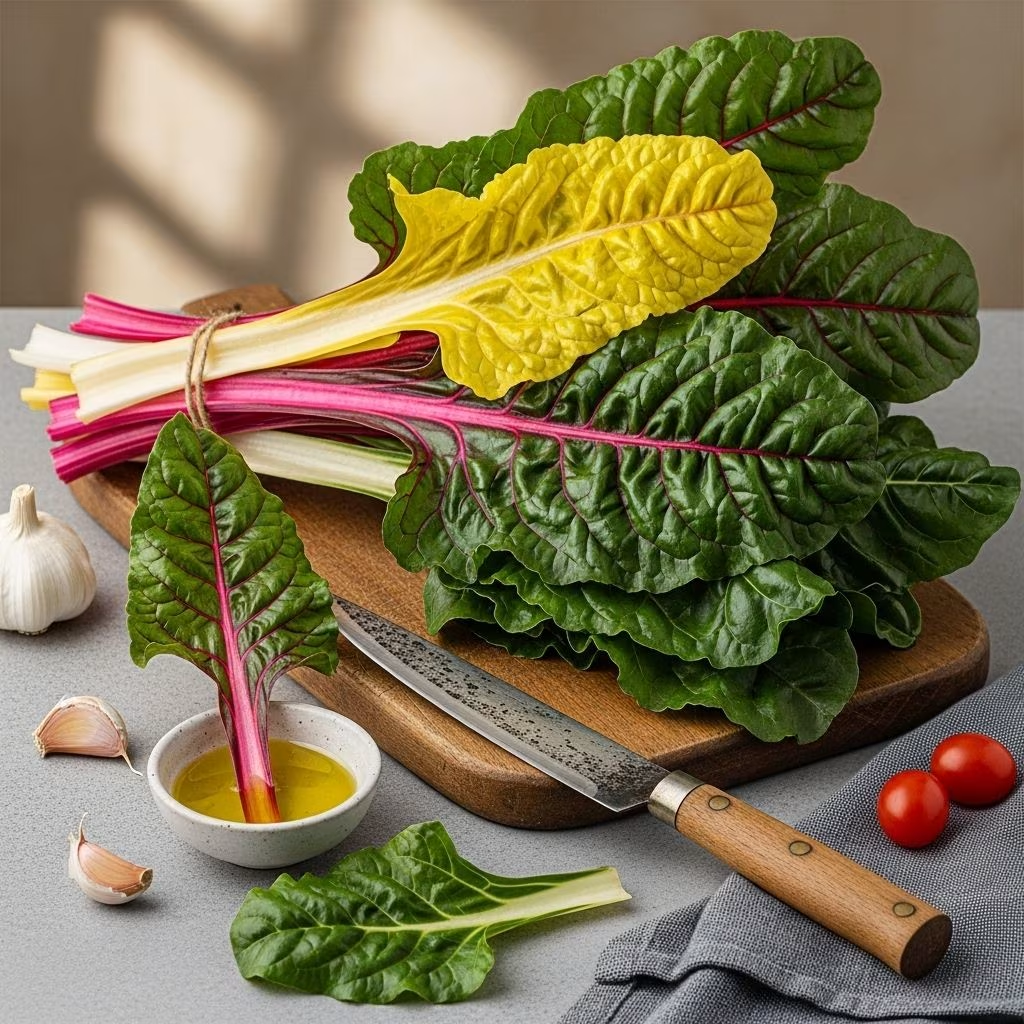
Swiss chard stands out both in the garden and kitchen as a versatile, brilliantly colored leafy green. Renowned for its nutritional value, ease of cultivation, and distinctive appearance, it remains a favorite for home cooks and gardeners seeking flavor, beauty, and health benefits. This article covers what Swiss chard is, its nutritional profile, culinary uses, taste, growing guide, storage tips, common varieties, and answers to frequently asked questions.
What Is Swiss Chard?
Swiss chard (Beta vulgaris subsp. vulgaris, Flavescens Group) is a leafy green vegetable developed for its tender leaves and colorful, crunchy stalks. It belongs to the same species as beetroot but is grown for its above-ground parts rather than the root. Swiss chard is also known as silverbeet (especially in New Zealand and Australia), spinach beet, and Roman kale.
Native to the Mediterranean region, Swiss chard boasts a legacy that dates back to before the Roman Empire. Its leaves resemble beet greens but feature pronounced, often vibrantly colored stalks. In fact, mixes of multiple chard varieties with different colored stems are popularly marketed as “rainbow chard.”
- Botanical family: Amaranthaceae (formerly considered Chenopodiaceae), shared with beets and spinach
- Alternative names: Silverbeet, Roman kale, spinach beet, perpetual spinach, seakale beet, leaf beet
- Ornamental value: Grown for both culinary and decorative purposes
- Plant structure: Large, crinkled leaves with thick stalks in red, white, yellow, orange, pink, or green
Nutritional Benefits of Swiss Chard
Swiss chard is celebrated as a nutritional powerhouse. In a single cup of chopped raw Swiss chard (about 36 grams), you’ll find a wealth of vitamins, minerals, and fiber.
- Calories: Approximately 6-7 kcal per cup raw; about 35 kcal per cooked cup
- Dietary fiber: Contributes to digestive health
- Vitamins:
- Vitamin K: Supplies over 300% of daily value per cup (important for blood clotting and bone health)
- Vitamin A: Supports vision and immune function
- Vitamin C: Antioxidant that promotes skin and immune health
- Minerals:
- Magnesium: Muscle and nerve function, metabolism
- Potassium: Heart and muscle health, electrolyte balance
- Iron: Oxygen transport and energy
- Calcium: Bone strength
- Phytonutrients:
- Beta-carotene (from vitamin A)
- Lutein and zeaxanthin (eye health)
- Flavonoids (antioxidant effects)
Low in calories but rich in essential nutrients, Swiss chard is an excellent addition to most diets. Its combination of fiber, vitamins, and minerals contributes to a healthier metabolism and supports overall well-being.
Health Benefits and Risks
Eating Swiss chard provides a range of health advantages, making it one of the top greens recommended by nutritionists and dietitians.
- High in antioxidants: Protects cells from damage by neutralizing free radicals
- Anti-inflammatory properties: Contains vitamin K and flavonoids that help reduce inflammation
- Cardiovascular support: Potassium and magnesium aid in maintaining normal blood pressure and heart function
- Bone health: High vitamin K supports bone metabolism and strength
- Supports eye health: Beta-carotene, lutein, and zeaxanthin are associated with improved vision and eye protection
- Potential cancer protection: Antioxidants and fiber may help lower the risk of certain cancers
- Blood sugar management: Fiber helps slow glucose absorption; research indicates plant-based nitrates can support vascular health
Considerations and Possible Risks
- Oxalates: Swiss chard contains oxalates, compounds that can bind calcium; those prone to kidney stones should moderate intake
- Raw consumption safety: Like all leafy greens, chard is susceptible to pathogens if improperly handled; always rinse thoroughly and store at refrigeration temperatures
Varieties of Swiss Chard
There are several popular Swiss chard cultivars, often grouped by the color of their stems and leaf veins. The different varieties are not just attractive; they also have subtle differences in flavor and texture.
| Variety Name | Stem Color | Notes |
|---|---|---|
| Bright Lights | Red, yellow, orange, pink, white | Multicolored, most commonly used for “rainbow chard” |
| Fordhook Giant | White | Large leaves, thick white stems, mild flavor |
| Lucullus | White | Very productive, tender leaves |
| Red Ruby (Rhubarb Chard) | Red | Deep red stalks, colorful foliage |
| Bright Yellow | Yellow | Golden stems |
| Rainbow Chard | Mixed | Blend of colored varieties in one bunch |
Uses in Cooking
Swiss chard is an exceptionally adaptable vegetable in the kitchen. Both the stems and leaves are edible, though they differ in texture and cooking times; stems are thicker and take longer to cook than leaves.
- Raw: Young, tender leaves add color and nutrients to salads and sandwiches. Stems are less commonly eaten raw.
- Sautéed: The most popular method—chard cooks quickly with garlic, olive oil, and sometimes lemon or chili flakes.
- Steamed or boiled: Retains nutrients and color; pairs well with eggs or as a simple side dish.
- Baked or roasted: Bring out flavor in casseroles, gratins, and tarts.
- Soups and stews: Chopped chard adds nutrients and color to broths, minestrone, and bean stews.
- Frittatas and quiches: Complements eggs and cheese, boosting flavor and nutrition.
- Stuffed: Large leaves can be used to wrap fillings of grains, herbs, or ground meats, similar to cabbage rolls.
- Stir-fries: Stems can be stir-fried with aromatics or other vegetables.
Every part of the chard plant can be used in culinary applications, making it one of the most versatile leafy greens available.
Taste Profile: What Does Swiss Chard Taste Like?
Swiss chard offers a mildly bitter, earthy taste balanced by a subtle sweetness, especially when cooked. The flavor is often compared to a cross between spinach and beet greens.
- Raw leaves: Tender, with a mild, slightly grassy, or earthy flavor—less bitter than mature leaves.
- Cooked leaves: The bitterness mellows, yielding a delicate flavor similar to spinach.
- Stems: Crunchy and juicy when raw, with a faint beet-like sweetness. When cooked, stems soften and develop a flavor reminiscent of artichoke hearts (especially the white varieties).
Rainbow chard’s colored stems are visually striking but do not markedly change the flavor; instead, they add aesthetic appeal to dishes.
Cultivation and Growing Tips
Swiss chard is highly appreciated by gardeners for its ease of cultivation, resilience, and year-round productivity.
- Hardiness: Grows in cool and warm seasons; more heat-tolerant than spinach and slower to bolt (go to seed)
- Soil: Thrives in most soil types, provided there’s good drainage and moderate fertility
- Sun exposure: Prefers full sun but will tolerate partial shade
- Planting: Sow seeds outdoors 2–4 weeks before last frost or transplant seedlings; continues producing through summer and into fall
- Watering: Keep soil consistently moist, especially during hot weather
- Pest and disease resistance: Generally robust, though susceptible to leaf miners and aphids
- Ornamental use: Popular in foodscaping, container gardens, and flower beds for its colorful foliage
Buying, Selecting, and Storing Swiss Chard
- Selection: Choose bunches with crisp, unwilted leaves and bright, blemish-free stalks. Avoid yellowed or slimy leaves.
- Storage: Store in a loose bag in the refrigerator’s crisper drawer. Wash only just before use, as moisture can speed spoilage.
- Freshness: Best consumed within 3–5 days of purchase, though it can last a bit longer if kept cold and dry.
- Food safety: Rinse well to remove soil and pathogens; chard is sometimes linked to outbreaks of foodborne illnesses if not cleaned thoroughly.
Frequently Asked Questions (FAQs)
Q: Is Swiss chard the same as spinach or beet greens?
A: Swiss chard is botanically related to both but is distinct. It is bred for its leaves and stems, not its root (like beets). Its taste is milder than beet greens and less metallic than spinach.
Q: Can you eat Swiss chard stems?
A: Yes, the stems are not only edible but delicious. They are best cooked a little longer than the leaves for optimal tenderness.
Q: Is it safe to eat Swiss chard raw?
A: Raw chard is safe to eat and adds texture to salads. Be sure to wash thoroughly since leafy greens can harbor soil and bacteria.
Q: Are there risks to eating a lot of Swiss chard?
A: For most people there is no issue, but those with a history of kidney stones should limit intake, as Swiss chard contains oxalates.
Q: What dishes best highlight Swiss chard’s flavor?
A: Sautéed chard with garlic, baked in frittatas, or cooked gently in soups and stews all showcase its unique flavor. The stems can be pickled, roasted, or added to stir-fries for color and crunch.
Q: How do I prevent chard from becoming bitter?
A: Cooking chard lightly can mellow bitterness. Combine with citrus juice or vinegar, or pair with aromatic seasonings to enhance sweetness and curb any strong flavors.
Conclusion
Swiss chard’s exceptional nutritional profile, vibrant appearance, and versatility in cooking have kept it popular for centuries. Whether steamed, stir-fried, or served raw, chard’s colorful leaves and stalks provide a nutritious, flavorful boost to almost any meal, making it an excellent addition to both gardens and kitchens.
References
- https://hort.extension.wisc.edu/articles/swiss-chard/
- https://www.webmd.com/diet/features/swiss-chard-9-healthy-facts
- https://en.wikipedia.org/wiki/Chard
- https://gardeningsolutions.ifas.ufl.edu/plants/edibles/vegetables/swiss-chard/
- https://www.chhs.colostate.edu/fsi/food-articles/produce/swiss-chard/
- https://www.rhs.org.uk/advice/grow-your-own/features/fascinating-facts-chard
- https://buchanansplants.com/plant-library/vegetables/bright-lights-swiss-chard/
- https://www.sierravistagrowers.net/herbs-vegetables/swiss-chard
- https://www.masterclass.com/articles/what-is-swiss-chard-learn-how-to-cook-with-swiss-chard-and-sauteed-swiss-chard-recipe


