


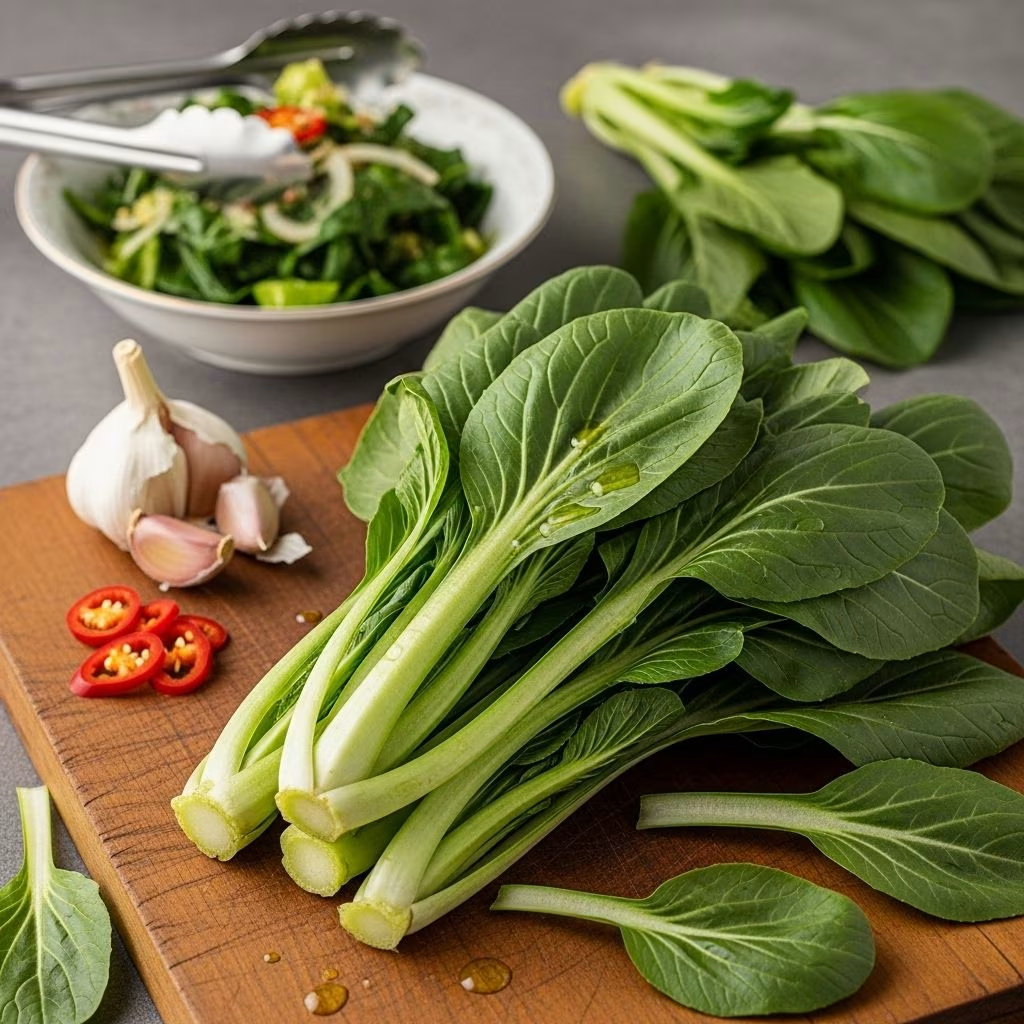
Tatsoi, also known as spoon mustard or rosette bok choy, is a leafy green vegetable native to East Asia that has captured attention for its unique taste, robust nutritional value, and culinary versatility. This article explores tatsoi’s origin, nutritional benefits, botanical traits, health advantages, culinary uses, and answers to common questions—giving you a comprehensive guide to this emerging supergreen.
Introduction: What Is Tatsoi?
Tatsoi (Brassica rapa subsp. narinosa or Brassica rapa var. rosularis) is a member of the Brassica family—closely related to bok choy and mustard greens. Recognized for its smooth, spoon-shaped leaves forming a tight rosette, tatsoi is celebrated in Asian cuisines for its mild, mustardy flavor and impressive nutrient content. Tatsoi is sometimes referred to as “spinach mustard,” “spoon mustard,” “Chinese flat cabbage,” and “rosette bok choy”.
Origin and History
Tatsoi’s cultivation dates back centuries in China and Japan, where it thrives in cool, temperate climates. Historical records suggest tatsoi has been consumed in Japan since at least 500 AD, demonstrating its longstanding role in traditional diets. Although native to regions near the Yangtze River, tatsoi’s popularity has spread worldwide, especially in North America and Europe, where chefs and gardeners embrace its versatility and quick growth cycle.
Traditional Names and Terminology
- Tatsoi / Tat Choy: Derived from Cantonese “taap3 coi3,” meaning “drooping vegetable.”
- Rosette Bok Choy: Refers to its tight formation of spoon-shaped leaves.
- Spoon Mustard: Because of the leaf shape.
- Spinach Mustard: Alludes to similarities with spinach in texture and use.
Botanical Profile and Characteristics
The tatsoi plant forms a dense, compact rosette of dark green, glossy leaves. Each leaf is round to spoon-shaped, smooth, and measures about three inches across, growing close to the soil. In ideal conditions, mature plants reach heights between six and twelve inches, with a width of up to twelve inches.
| Aspect | Description |
|---|---|
| Taxonomy | Brassica rapa subsp. narinosa / var. rosularis |
| Leaf Shape | Spoon-shaped, convex, tender, glossy |
| Mature Size | 6–12 inches high, 12 inches wide |
| Color | Dark green leaves, white or pale green stems |
| Growth Habit | Compact rosette, low to ground |
| Edible Parts | Leaves, stems, flowers |
Flowering and Reproduction
When allowed to flower, tatsoi produces small yellow blossoms arranged in the classic cross pattern of Brassica plants. Both leaves and flowers are edible—flowers offer a milder, subtly sweet note for culinary use. Tatsoi is biennial in temperate climates, producing leafy growth before flowering, with a rapid harvest cycle of about 45–50 days from sowing.
Climate Adaptability
- Tolerates frost and low temperatures (down to –10°C/15°F).
- Harvestable even beneath snow cover, making it ideal for cold-season gardening.
Nutritional Composition and Health Benefits
Tatsoi stands out as a nutritional powerhouse among leafy greens, earning the nickname “vitamin green.” The leaves are rich in essential vitamins, minerals, and phytonutrients that contribute to overall health.
Major Nutrients in Tatsoi
- Vitamin A: Supports vision, immune function, and cellular growth.
- Vitamin C: Promotes immune health, skin integrity, and antioxidant protection.
- Vitamin K: Vital for blood clotting and bone metabolism.
- Folate: Key in DNA synthesis and red/white blood cell formation, important for pregnant women.
- Calcium: Essential for healthy bones and teeth.
- Potassium: Regulates fluid balance, nerve signals, and muscle contractions.
- Dietary Fiber: Promotes digestion, heart health, and satiety.
- Carotenoids: Antioxidants beneficial for eye health and cellular protection.
Health Benefits Supported by Research
- Supports Immunity: High levels of vitamin C and antioxidants aid immune defenses.
- Promotes Bone Health: Calcium and vitamin K contribute to strong bones.
- Boosts Circulatory Health: Potassium helps maintain healthy blood pressure.
- Antioxidant Protection: Dark green leaf vegetables provide compounds that fight free radicals.
- Supports Pregnancy: Folate is crucial for fetal neural development and healthy cell growth.
- Digestive Health: The fiber content aids in regular bowel movements and feeds beneficial gut bacteria.
Being low in calories and carbohydrates, tatsoi is an excellent choice for weight management, plant-based diets, and anyone seeking to increase micronutrients through whole foods.
Culinary Uses: How to Cook and Eat Tatsoi
Tatsoi’s tender texture and mild, mustardy flavor make it extremely versatile in the kitchen. Chefs and home cooks have embraced it both in traditional Asian preparations and modern fusion cuisine.
Popular Culinary Applications
- Salads: Tatsoi’s small, tender leaves are perfect raw, lending a mild peppery note to mixes. Common in mesclun or baby green blends.
- Stir-Fries: Add tatsoi at the end of cooking for a silky texture and vibrant flavor.
- Soups: Wilts beautifully into broths and ramen, retaining color and nutrition.
- Braising or Sautéing: Tatsoi’s leaves quickly wilt and absorb seasoning, similar to spinach or Swiss chard.
- Risotto, Pasta, and Grain Bowls: Provides color, texture, and subtle flavor boost.
- Sandwiches and Wraps: Use leaves as a greener alternative to lettuce.
- Raw Garnishes: Top dishes with tatsoi flowers and leaves for nutrients and visual appeal.
Simple Tatsoi Recipe Ideas
- Tatsoi and sesame salad with ginger vinaigrette
- Stir-fried tatsoi with garlic and soy sauce
- Miso soup with tatsoi and tofu
- Sautéed tatsoi with mushrooms and chili oil
- Tatsoi pesto blended with nuts and olive oil
Taste Profile: What Does Tatsoi Taste Like?
Tatsoi is renowned for its mild mustard flavor, which is often described as a blend between spinach, Swiss chard, and mild mustard greens. When eaten raw, the flavor is subtly sweet and nutty, with a gentle crunch and creamy mouthfeel. Cooking intensifies its earthy, slightly peppery notes while retaining tenderness and a pleasingly silky texture.
| Preparation | Taste Profile | Texture |
|---|---|---|
| Raw | Sweet, nutty, mildly peppery | Creamy, tender, crisp |
| Cooked | Earthy, mustardy, gentle spice | Soft, silky, mellow |
Tatsoi’s flavor is less pungent than arugula or mustard greens, making it a favorite among those looking for gentle tasting greens that add nuance and contrast to dishes without overpowering other ingredients.
Growing Tatsoi: Tips and Best Practices for Gardeners
Tatsoi is celebrated for its ease of cultivation and adaptability. It fits well in cool weather gardens and thrives in spring and fall plantings.
Basic Growing Guide
- Planting Season: Sow seeds as early as soil can be worked in spring, or late in summer for fall harvest.
- Seed Depth: 1/4–1/2 inch
- Emergence Time: 5–15 days
- Spacing: 6 inches between plants
- Days to Maturity: 45–50 days—much quicker than other brassicas.
- Climate Tolerance: Grows well in cool climates; can tolerate frost and even light snow.
Harvest and Yield
- Harvest leaves as soon as plants are large enough (typically 1.5 months after sowing).
- Use scissors or a knife to cut outer leaves, allowing rosette to regrow.
- Whole plant can be harvested before flowering for best flavor.
Tatsoi is a valuable crop for home gardeners seeking reliable yields, extended harvest periods, and nutrient-rich greens throughout the colder seasons.
Possible Side Effects and Precautions
Tatsoi is well-tolerated by most individuals when included as part of a varied diet. Allergic reactions are rare. As with other cruciferous vegetables, excessive consumption may impact thyroid function due to goitrogenic compounds—especially in those with existing thyroid conditions. Cooking tatsoi reduces its goitrogenic effects. Moderation is key for optimal health.
Frequently Asked Questions (FAQs)
Q: Can I eat tatsoi raw?
A: Yes, tatsoi leaves can be eaten raw in salads and sandwich mixes. They are tender and mildly sweet with a subtle crunch.
Q: How does tatsoi compare nutritionally to spinach?
A: Both are high in vitamins A, C, and K, but tatsoi offers additional mustard-family phytonutrients and carotenoids. Its fiber and folate content also compare favorably.
Q: Is tatsoi safe for people with thyroid issues?
A: Like other cruciferous vegetables, tatsoi contains goitrogens that may affect thyroid function if consumed in very high quantity, particularly raw. Cooking diminishes this risk.
Q: Are tatsoi stems edible?
A: Yes. Both the stems and leaves are edible, contributing texture and mild flavor to cooked dishes.
Q: How do I store tatsoi?
A: Store tatsoi in the refrigerator, preferably wrapped in a damp towel or container. It keeps well for up to a week, though freshest when eaten within 3–5 days.
Q: Can tatsoi be frozen?
A: Tatsoi can be blanched and frozen for long-term storage, though its best texture and flavor is retained when fresh or briefly cooked.
Final Thoughts
Tatsoi is a highly nutritious, easy-to-grow Asian green that balances culinary versatility, health benefits, and a pleasant taste profile. Its adaptability from raw salads to sizzling stir-fries and nourishing soups makes it a valuable addition to any kitchen or home garden. Whether you’re a culinary enthusiast or health-conscious eater, tatsoi’s supergreen status is well-deserved.
References
- https://www.epicgardening.com/growing-tatsoi/
- https://en.wikipedia.org/wiki/Tatsoi
- https://draxe.com/nutrition/tatsoi/
- https://www.webmd.com/diet/health-benefits-of-tatsoi
- https://help.mygardyn.com/en/articles/1796865
- https://food52.com/story/6220-tatsoi-is-the-new-spinach-haven-t-you-heard
- https://txmg.org/hendersonmg/plant-library/greens-tatsoi/
- https://www.nearnorthnow.com/leisure/hands-in-the-dirt-tatsoi
- https://www.diversivore.com/ingredient-pages/tatsoi-rosette-bok-choy/


