


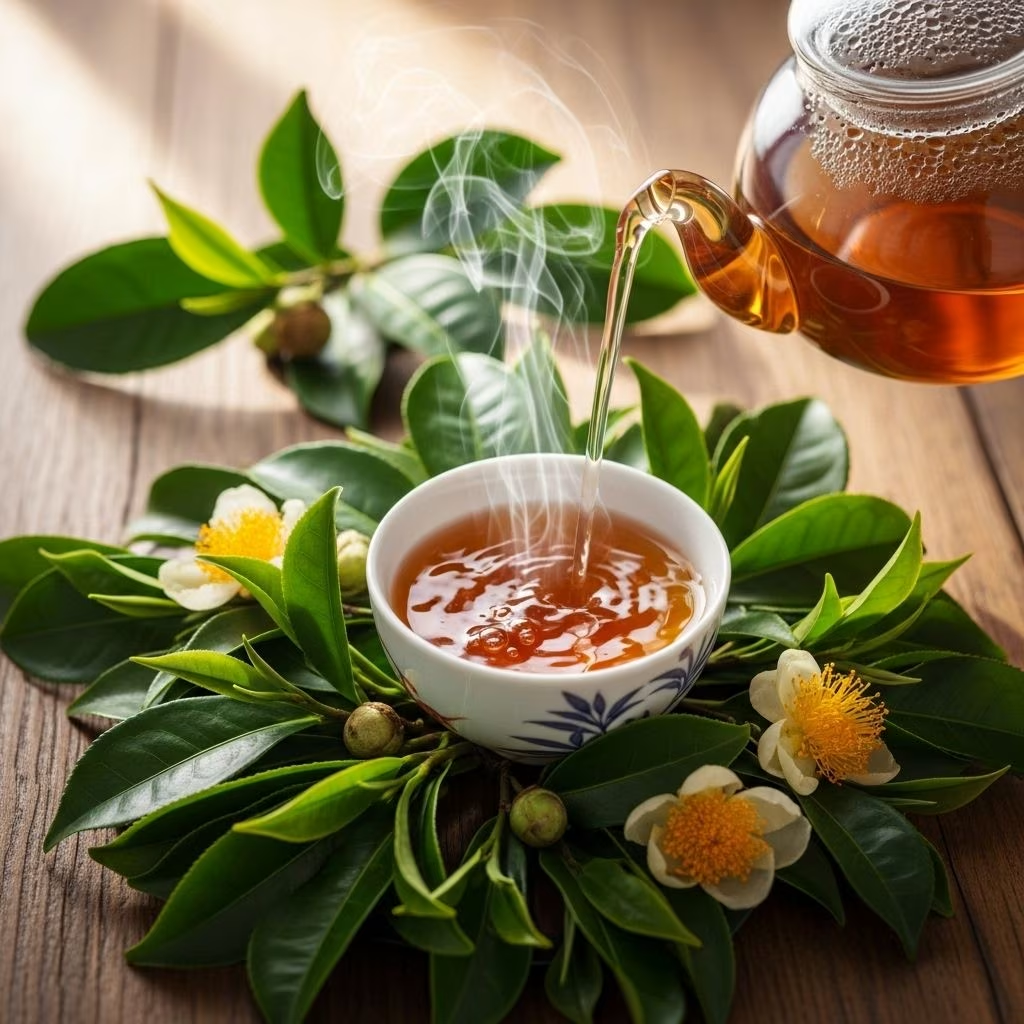
Tea, derived from the leaves of the Camellia sinensis plant, stands as one of the world’s most consumed and culturally significant beverages. Revered for its profound impact on global traditions, its vast health benefits, and its spectrum of flavors, tea transcends borders and epochs. This guide explores the botanical roots, historical journey, multifaceted benefits, practical uses, and the nuanced world of tea flavors—all rooted in the remarkable Camellia plant.
Introduction to Camellia sinensis: The Tea Plant
Camellia sinensis is an evergreen shrub native to East and Southeast Asia. Belonging to the Theaceae family, it produces glossy, serrated leaves and fragrant white flowers. All true tea—black, green, oolong, white, yellow, and pu-erh—stems from this single species, with differences arising from varietals, cultivation, and processing methods.
- Species: Camellia sinensis is the only plant species used for true tea.
- Main Varieties: Camellia sinensis var. sinensis (small-leaf, used for Chinese and Japanese teas), and Camellia sinensis var. assamica (large-leaf, used for Indian and some Southeast Asian teas).
- Growth: Can be cultivated as a shrub or left to grow into a small tree; prefers subtropical climates and well-drained, acidic soils.
Selective breeding has produced hundreds of cultivars with distinct appearances, flavors, and resilience.
Origin and History of Tea
Tea’s story traces back thousands of years and is interwoven with legend, trade, and culture across continents.
- Ancient Origins: Modern science and historical accounts suggest tea was domesticated as early as 3,000 BCE, possibly in the mountainous borderlands between present-day Yunnan (China) and Assam (India), or Myanmar.
- First Use: Originally, tea leaves were used as medicinal herbs or cooked in soups for nourishment. Only later did steeping leaves in water become common practice.
- Spread to the World: Tea became popular in China by the reign of Emperor Nung (1700 BCE). By the 17th century, tea reached Europe via the East India Company, rapidly ascending as the preferred drink among aristocracy and commoners alike.
- Global Impact: The eventual taxation of tea sparked the Boston Tea Party, sowing seeds for the American Revolution—a testament to tea’s profound societal influence.
Through millennia, tea has shaped rituals, ceremonies, and economies, symbolizing hospitality and mindfulness around the globe.
Types and Processing of Tea
Despite originating from the same plant, the broad families of tea taste remarkably different—a result of varied processing methods. The major categories include:
| Type | Processing Steps | Key Characteristics |
|---|---|---|
| Green Tea | Leaves are quickly steamed or pan-fired to halt oxidation, then rolled and dried. | Fresh, grassy, vegetal flavors; light green or yellow liquor. |
| Black Tea | Leaves undergo withering, rolling, full oxidation (fermentation), then drying. | Robust, malty, sometimes smoky flavors; reddish-brown liquor. |
| Oolong Tea | Leaves are partially oxidized (between green and black), then rolled and fired. | Complex, floral or fruity flavors; can be creamy or toasty. |
| White Tea | Young leaves and buds are simply withered and dried, minimal oxidation. | Delicate, subtle flavors; pale golden liquor. |
| Yellow Tea | Similar to green tea but undergoes slow steaming/”yellowing” process. | Mild, mellow taste; yellow liquor. |
| Pu-erh (Dark) Tea | Post-fermented, leaves are aged after processing, often for years. | Earthy, rich, sometimes sweet flavors; dark, opaque liquor. |
- Herbal Tea Note: Infusions made from plants other than Camellia sinensis (e.g., chamomile, rooibos) are technically tisanes, not true teas.
Health Benefits of Tea
Camellia sinensis teas are praised for a wide range of scientifically investigated health benefits, much of which arises from their unique phytochemical composition, notably polyphenols, catechins, and flavonoids.
- Rich in Antioxidants: Fights oxidative stress, may slow down cellular aging, and supports the immune system.
- Heart Health: Regular tea consumption is associated with reduced risk of cardiovascular diseases due to cholesterol-lowering effects and improved arterial function.
- Metabolism and Weight Management: Green tea catechins may support fat oxidation and healthy metabolism.
- Mental Alertness: Contains moderate caffeine and theanine, which together support calm focus and sustained energy without jitters found in coffee.
- Gut Health: Polyphenols in tea promote beneficial gut bacteria and may aid digestion.
- Cancer Research: Some studies suggest tea polyphenols may help reduce the risk of certain cancers, though more evidence is needed for conclusive claims.
- Blood Sugar Regulation: Regular tea intake has been linked to improved insulin sensitivity.
- Oral Health: Antimicrobial properties help fight bacteria that cause dental cavities and gum disease.
Note: The precise benefits vary by tea type, preparation, and individual response.
Culinary and Practical Uses of Tea
The influence of tea goes far beyond the teacup. Its uses span culinary arts, traditional medicine, and even daily life:
- Beverage: The most common form—drunk hot or cold, pure or blended, with or without milk, sweeteners, or spices.
- Culinary Ingredient: Used in cooking for flavor (as in matcha cakes, tea-smoked poultry, tea-infused broths, and desserts).
- Traditional Medicine: Historically valued as a digestive aid, energy tonic, and even a remedy for a range of ailments.
- Skincare and Bathing: Tea extracts and cooled brews are used as calming skin treatments or relaxing bath soaks.
- Gardening: Used tea leaves are composted to enrich soil or repel pests.
- Aromatics: Dried tea leaves are sometimes incorporated into potpourri or used as natural deodorizers.
Taste and Flavor Profiles of Camellia sinensis Tea
The taste of tea is intricately shaped by:
- Varietal and Terroir: Different cultivars and growing regions yield distinct aroma and flavor nuances.
- Processing: Levels of oxidation, roasting, and aging lead to broad differences across (and within) tea types.
- Preparation: Brewing temperature, steeping time, and water quality all impact finished flavor.
Here’s a comparative summary of classic tea taste profiles:
| Tea Type | Taste Notes | Common Aromas |
|---|---|---|
| Green Tea | Fresh, grassy, sweet, sometimes seaweed-like or vegetal | Floral, chestnut, vegetal |
| Black Tea | Bold, malty, brisk, astringent, sometimes fruity or spicy | Honey, malt, citrus, caramel |
| Oolong Tea | Floral, creamy, buttery, complex, occasionally lightly smoky | Orchid, peach, toasted nuts |
| White Tea | Delicate, sweet, subtle, slightly hay-like | Melon, honey, fresh-cut grass |
| Pu-erh Tea | Earthy, mellow, rich, occasionally woody or mushroom-like | Earth, forest floor, dried fruit |
Factors such as leaf grade, altitude, and age of harvest lead to extraordinary breadth within each category. Exploring these differences is part of tea’s enduring fascination.
How to Brew the Perfect Cup of Tea
Achieving the best taste from your tea is both science and art. Keep these guidelines in mind for optimal flavor:
- Water Quality: Use filtered, fresh water. Tea absorbs odors and minerals from water.
- Water Temperature: Match temperature to tea type (approximate ranges):
- White Tea: 70–80°C (158–176°F)
- Green Tea: 75–85°C (167–185°F)
- Oolong Tea: 85–95°C (185–203°F)
- Black/Pu-erh Tea: 90–100°C (194–212°F)
- Brewing Time: Usually 2–5 minutes, depending on the tea type and personal preference. Over-steeping can cause bitterness.
- Portion: Use 2 grams of tea per 200 ml (6.7 oz) of water as a general rule.
- Enjoy Mindfully: Observe color, aroma, and taste to appreciate the full character of your cup.
Frequently Asked Questions (FAQs)
Q: What is the difference between Camellia sinensis and herbal tea?
All true tea—green, black, oolong, white, yellow, and pu-erh—is made from Camellia sinensis leaves. Herbal teas (tisanes) use other plants like chamomile, rooibos, or peppermint and do not contain tea leaves from Camellia sinensis.
Q: Does tea naturally contain caffeine?
Yes, all Camellia sinensis teas naturally contain caffeine, though levels vary (lowest in white, highest in some black teas). The caffeine content is lower per cup than coffee but provides a gentle, sustained alertness.
Q: How should loose-leaf tea be stored?
Store tea in airtight containers, away from light, moisture, odors, and heat, to preserve flavor and aroma.
Q: Is drinking tea every day safe?
For most people, moderate tea consumption (3–5 cups per day) is considered safe and beneficial. However, sensitive individuals or those with certain health conditions (such as iron absorption issues) should consult a healthcare provider.
Q: Can tea go bad?
Tea does not really spoil, but it loses freshness and flavor over time. Most loose-leaf teas are best consumed within 6–18 months.
Q: Why does my tea taste bitter?
Bitterness often results from over-steeping or using water that is too hot—especially with green and white teas. Adjust time and temperature for a smoother cup.
Q: What are some notable traditional tea ceremonies?
Notable traditions include the Japanese chanoyu (tea ceremony), Chinese gongfu cha, British afternoon tea, and Moroccan mint tea rituals. Each reflects intricate etiquette and cultural heritage linked to tea.
References
- https://www.americancamellias.com/education-and-camellia-care/history-of-camellias
- https://pmc.ncbi.nlm.nih.gov/articles/PMC8377202/
- https://www.nannuoshan.org/pages/tea-its-origins-and-its-history
- https://www.jircas.go.jp/sites/default/files/publication/jarq/19-1-040-043_0.pdf
- https://www.rishi-tea.com/blogs/journal/what-is-tea-origins-of-camellia-sinensis
- https://en.wikipedia.org/wiki/Camellia_sinensis
- https://www.horniman.ac.uk/story/all-about-tea-camellia-sinensis/
- https://www.mlit.go.jp/tagengo-db/common/001565524.pdf
- https://www.paperandtea.com/blogs/journal/origin-of-all-teas-the-plant-camellia-sinensis


