


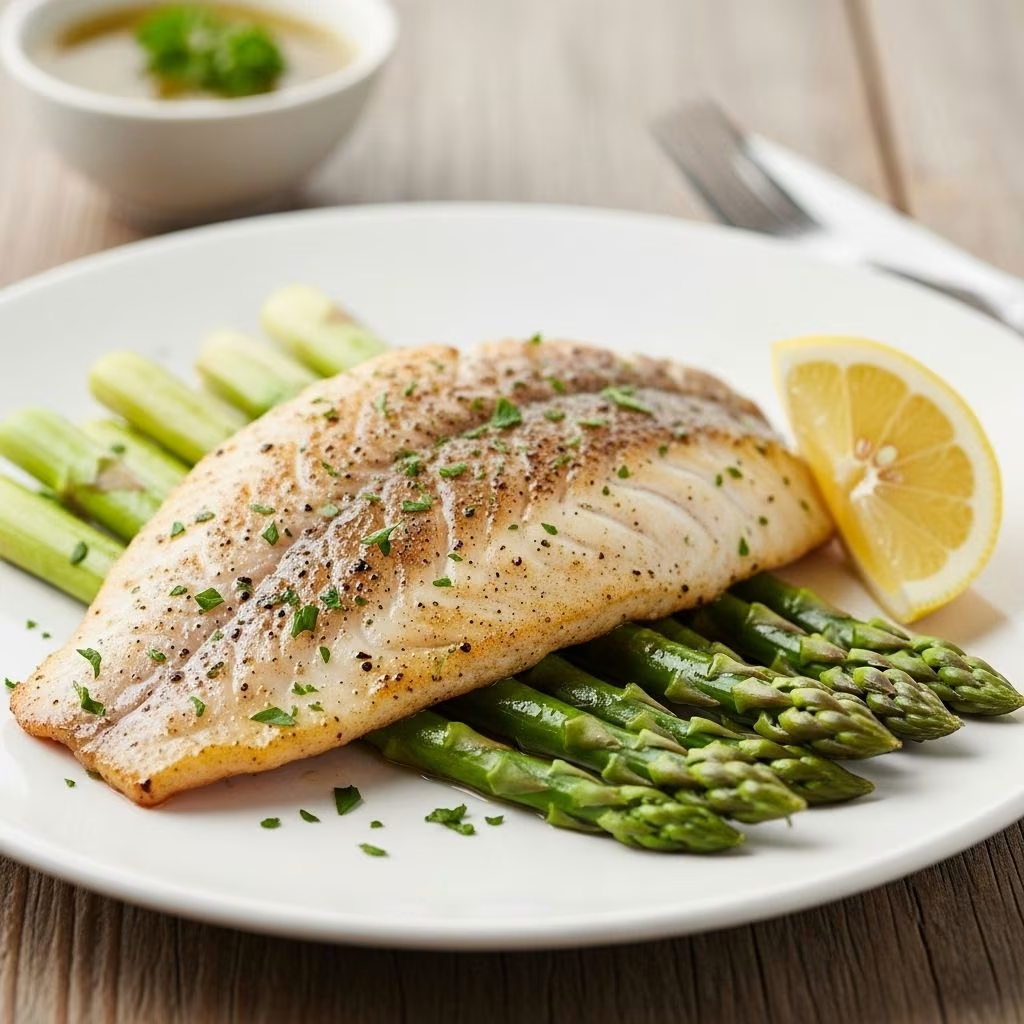
Tilapia is one of the world’s most widely farmed and consumed freshwater fish. Its rapid growth, adaptability, moderate cost, and versatile flavor have made it a staple in kitchens and markets around the globe. In this comprehensive guide, you’ll learn what tilapia is, its biological features, how it is farmed, its nutritional benefits and potential risks, key culinary uses, and essential details about the taste that continues to captivate consumers.
Introduction to Tilapia: Origins and History
Tilapia refers to a group of freshwater fish from the Cichlidae family, renowned for their adaptability and prolific breeding. Native to Africa, tilapia has a documented history dating back to ancient Egypt, where it was a dietary staple and raised in the Nile Valley. The popularity of tilapia expanded rapidly in the late twentieth century, as its adaptability and mild flavor made it suitable for aquaculture worldwide. Today, it is farmed globally, including Asia, the Americas, and the Middle East, second only to carp among farmed freshwater fish by volume.
Biology and Physical Characteristics
Tilapia fish are deep-bodied and laterally compressed, usually with smooth scales and prominent dorsal and tail fins. Their mouths are protrusible and bordered by broad, sometimes swollen lips. A distinct feature is their long dorsal fin and a lateral line that interrupts and resumes, a hallmark of cichlid fish.
- Size: Most tilapia range from 30 to 60 cm (12 to 24 inches) in length, depending on the species and cultivation conditions.
- Color: Hue varies from gray and silvery to reddish, with different species showing banding or color patterns on their fins and bodies.
- Reproduction: Tilapia are incredibly prolific; many species reach sexual maturity in just a few months. They are primarily mouth-brooders, meaning the parent fish carry their eggs and larvae in their mouths for protection.
- Feeding: Omnivorous—feed on both plant and animal matter, as well as detritus; efficient at converting feed to body mass.
Table: Major Cultivated Species
| Common Name | Scientific Name | Key Traits |
|---|---|---|
| Nile Tilapia | Oreochromis niloticus | Fast-growing, strong vertical bands, popular in aquaculture |
| Mozambique Tilapia | Oreochromis mossambicus | More salt-tolerant, adapted to brackish water |
| Blue Tilapia | Oreochromis aureus | Thrives in slightly colder water, bluish hue |
Farming, Cultivation, and Environmental Adaptability
Tilapia’s hardiness and adaptability are pivotal to its success in aquaculture. It is a preferred choice for commercial fish farms due to:
- High Tolerance: Survive in varied water quality, temperature, and salinity, flourishing in lakes, ponds, cages, and aquaculture tanks.
- Fast Growth and High Reproduction: Short maturation period and prolific spawning allow reliable and rapid production cycles.
- Feeding Efficiency: Able to utilize natural plankton and supplemented diets, requiring less animal-based feed than many carnivorous fish.
- Disease Resistance: Naturally robust against common aquaculture diseases, though farming practices still affect health.
Global tilapia production has created income and food security for millions, especially in developing regions. However, concerns regarding environmental management and sustainable practices have also arisen, particularly with poorly managed operations.
Nutritional Profile of Tilapia
One of tilapia’s major appeals is its valuable nutritional profile. A 100g serving of cooked tilapia (about 3.5 oz) typically provides:
- Calories: 96 kcal
- Protein: 20g — High-quality, complete protein with essential amino acids
- Fat: 1.7g (mainly unsaturated fats, but less omega-3 than fatty fish)
- Cholesterol: 50 mg
- Carbohydrates: 0g
- Key Micronutrients: Selenium, phosphorus, potassium, vitamin B12, niacin, and vitamin D
| Nutrient | Amount |
|---|---|
| Calories | 96 kcal |
| Protein | 20 g |
| Total Fat | 1.7 g |
| Omega-3 Fatty Acids | ~150 mg |
| Vitamin B12 | 2 mcg (83% DV) |
| Selenium | 48 mcg (87% DV) |
Tilapia is naturally low in calories, carbs, and saturated fats, making it suitable for numerous dietary needs.
Key Health Benefits
Eating tilapia regularly offers several important health advantages:
- Protein-rich, Lean Source of Nutrition: High protein, low fat content makes it ideal for those seeking muscle maintenance and weight management.
- Heart Health: Contains some omega-3 fatty acids and is extremely low in saturated fats and mercury relative to some other fish.
- Micronutrient Support: Delivers a significant amount of selenium (an antioxidant), vitamin B12 (critical for nerves and metabolism), and phosphorus (bone health).
- Digestibility & Versatility: Tilapia is easy to digest and rarely causes allergies, broadening its appeal for diverse populations.
Potential Health Concerns
While tilapia has many health benefits, there are also notable concerns and controversies to understand:
- Omega-3 vs. Omega-6 Ratio: Tilapia is not as rich in omega-3 fatty acids as fatty fish like salmon, and in some cases, farmed tilapia may contain relatively high levels of omega-6. High omega-6 intake can be pro-inflammatory if not balanced with omega-3s.
- Farming Practices: The nutritional profile and safety of tilapia can depend heavily on how it is farmed. Fish farmed in clean, well-regulated environments generally have a favorable nutrient profile, while poorly managed farms may produce lower quality and even contaminated fish.
- Methylmercury: Tilapia generally have lower mercury levels than larger predatory fish, making them safer for frequent consumption, including for children and pregnant women.
Culinary Uses of Tilapia
Tilapia’s culinary versatility stems from its mild flavor, tender yet firm flesh, and uniform fillet size. It is valued for:
- Adaptability to Cooking Methods: Can be baked, grilled, broiled, sautéed, steamed, or fried without falling apart or turning mushy.
- Neutral Flavor Profile: Accepts a wide spectrum of marinades, sauces, and seasonings, making it perfect for international cuisines.
Popular Tilapia Recipes and Preparations:
- Seasoned and baked tilapia fillets (with lemon, herbs, or spices)
- Grilled tilapia with fresh salsa or citrus drizzle
- Pan-fried or blackened tilapia for fish tacos or sandwiches
- Poached tilapia in coconut milk or tomato-based broths
- Steamed tilapia with soy sauce, ginger, and scallions (common in Asian cuisine)
Tilapia’s rapid cooking time and uniform texture make it a favorite in family meals, seafood restaurants, and mass catering alike.
Taste and Texture of Tilapia
Tilapia’s taste is best described as:
- Mild, Delicate, and Slightly Sweet, with minimal “fishy” notes
- White, Flaky Flesh when cooked, retaining moisture and tenderness
- Subtle Aftertaste: Lacks the lingering aftertaste found in stronger-flavored fish like mackerel or sardines
This delicate flavor allows tilapia to blend seamlessly in various dishes, capable of taking on both bold and subtle flavors given the right preparation.
Sustainability and Environmental Impact
Tilapia aquaculture is considered efficient but can present both positive and negative environmental impacts:
- Low Trophic Level: Tilapia are primarily herbivores; they require less fishmeal or animal protein feed compared to carnivorous species, lessening pressure on ocean resources.
- Rapid Growth: Highly efficient turnover rate reduces resource and energy input per kilogram of fish produced.
- Potential Issues: Unsustainable practices such as the use of untreated wastewater, poor feed management, and escape of tilapia into non-native habitats can cause water pollution, disease outbreaks, and disruption of local ecosystems.
Certification bodies (like ASC or GlobalGAP) and improved farming practices are helping the industry reduce its environmental footprint.
Consumer Tips: Buying and Cooking Tilapia
When selecting and preparing tilapia, keep these tips in mind:
- Source Carefully: Whenever possible, choose tilapia that is farmed responsibly, indicated by eco-certifications or traceable supply chain information.
- Look for Freshness: Fresh fillets should be moist, translucent, and without strong odors. Avoid fish with dull flesh or an ammonia-like smell.
- Storage: Store tilapia in the coldest part of your refrigerator and use within one to two days; frozen fillets should be free of ice crystals and freezer burn.
- Cooking: Tilapia cooks quickly—generally in under 10 minutes whether baking, grilling, or pan-frying. Avoid overcooking to preserve moisture and texture.
Frequently Asked Questions (FAQs)
Q: Is tilapia a healthy fish to eat?
A: Yes, tilapia is a lean, high-protein fish that offers ample nutrients and little fat, though it contains less omega-3 than fatty fish. Opt for responsibly farmed tilapia and include a variety of fish in your diet for best health benefits.
Q: Why is tilapia so affordable compared to other fish?
A: Tilapia’s short growth cycle, high reproduction rate, and ability to thrive on mostly plant-based diets make it cost-effective to farm, resulting in lower market prices.
Q: Does tilapia have a fishy taste or smell?
A: No, tilapia is celebrated for its mild, non-fishy flavor and delicate aroma, making it ideal for people who dislike strong-tasting fish.
Q: Are there differences in quality between wild-caught and farmed tilapia?
A: Most commercial tilapia is farmed. Responsibly farmed tilapia is generally of good quality, but sourcing and farming practices matter greatly for nutrition and safety. Wild-caught tilapia can have a slightly firmer texture and more pronounced flavor but is less common in markets.
Q: Can tilapia be part of a gluten-free or low-calorie diet?
A: Absolutely. Tilapia contains no gluten, is low in calories, and fits well in both gluten-free and weight management plans.
Conclusion
Tilapia’s global popularity stems from its rapid growth, resilience, low cost, nutritional benefits, and adaptable, mild taste. With mindful sourcing and preparation, tilapia offers a healthy, versatile, and delicious protein for a variety of diets and cuisines. Whether you’re a culinary professional or a home cook, tilapia is a reliable and rewarding choice for countless meals.
References
- https://en.wikipedia.org/wiki/Tilapia
- https://regalsprings.co.id/en/articles/the-tilapia-fish-characteristics-cultivation-meat-and-nutritional-value/
- https://aquaculture.mgcafe.uky.edu/sites/aquaculture.ca.uky.edu/files/srac_283_tilapia_life_history_and_biology.pdf
- https://edis.ifas.ufl.edu/publication/FA012
- https://www.extension.purdue.edu/extmedia/FNR/FNR-621-W.pdf
- https://foodprint.org/real-food/tilapia/
- https://www.healthline.com/nutrition/tilapia-fish
- https://www.aquaculturetilapia.com/about-tilapia/aquaculture-tilapia-features/


