


Introduction
Tofu skin, also known as yuba, fupi, beancurd skin, or bean curd sheet, is a versatile plant-based food beloved in various Asian cuisines and increasingly popular worldwide. High in protein, vitamins, and flavor-absorbing capacity, tofu skin stands out as an ingredient that suits vegetarian and vegan diets, offers unique culinary applications, and delivers an appealing taste and texture for diverse palates.
What Is Tofu Skin?
Tofu skin forms during the tofu production process when heated soy milk produces a thin layer of “skin” on the surface. This occurs at temperatures between 80–90°C (176–194°F) in an open shallow pan, resulting in a film that is then lifted off, dried, and often formed into sheets or sticks. Despite the name, tofu skin is not the literal skin of a block of tofu, nor does it involve peeling tofu; instead, it’s a byproduct of soy milk boiling and is rich in soy protein and lipids.
- Other names: Yuba (Japan), Fuzhu/Youpi (China), Beancurd sheet or robe.
- Forms: Fresh sheets, dry sheets, sticks, rolls, or clumps (like cheese texture).
- Not a true tofu: Does not use coagulants typical for tofu blocks.
History and Origins of Tofu Skin
The origin of tofu skin traces back to ancient China, with early written records dating to the 16th century. It is suggested to have become popular during the Tang Dynasty, notably among Buddhist communities as a vegetarian meat alternative. Subsequent references appeared in Japanese culinary literature, including tea ceremony diaries and medical texts from the late 1500s and onward.
- China: Historical texts like Bencao Gangmu (1596) document tofu skin as a delicacy.
- Japan: Known as yuba, referenced in tea ceremony records and food literature.
Throughout East Asia, tofu skin became embedded in culinary traditions, recognized both for its nutritional profile and its utility in Buddhist, vegetarian, and festive dishes.
Nutritional Benefits
Tofu skin is exceptionally rich in protein, making it a nutritional powerhouse for plant-based diets. It also contains B-vitamins, fiber, minerals, and is typically low in fat and sodium.
| Nutrient | Amount per 100g | Health Benefit |
|---|---|---|
| Protein | ∼50g | Muscle growth, tissue repair |
| B Vitamins | Present (e.g. B6, Folate) | Cell metabolism, energy |
| Magnesium | Present | Bone health, nerve function |
| Fiber | Present | Gut health, cholesterol balance |
| Fat | Low | Supports low-fat diets |
| Sodium | Low | Supports heart health |
- Benefits: May help lower cholesterol, stabilize blood pressure, boost memory, and prevent bone loss.
- Suitable diets: Vegan, vegetarian, plant-based, and those seeking high-protein, low-fat foods.
Types and Varieties of Tofu Skin
Depending on the method of preparation and origin, tofu skin comes in several distinct forms, each lending itself to various applications.
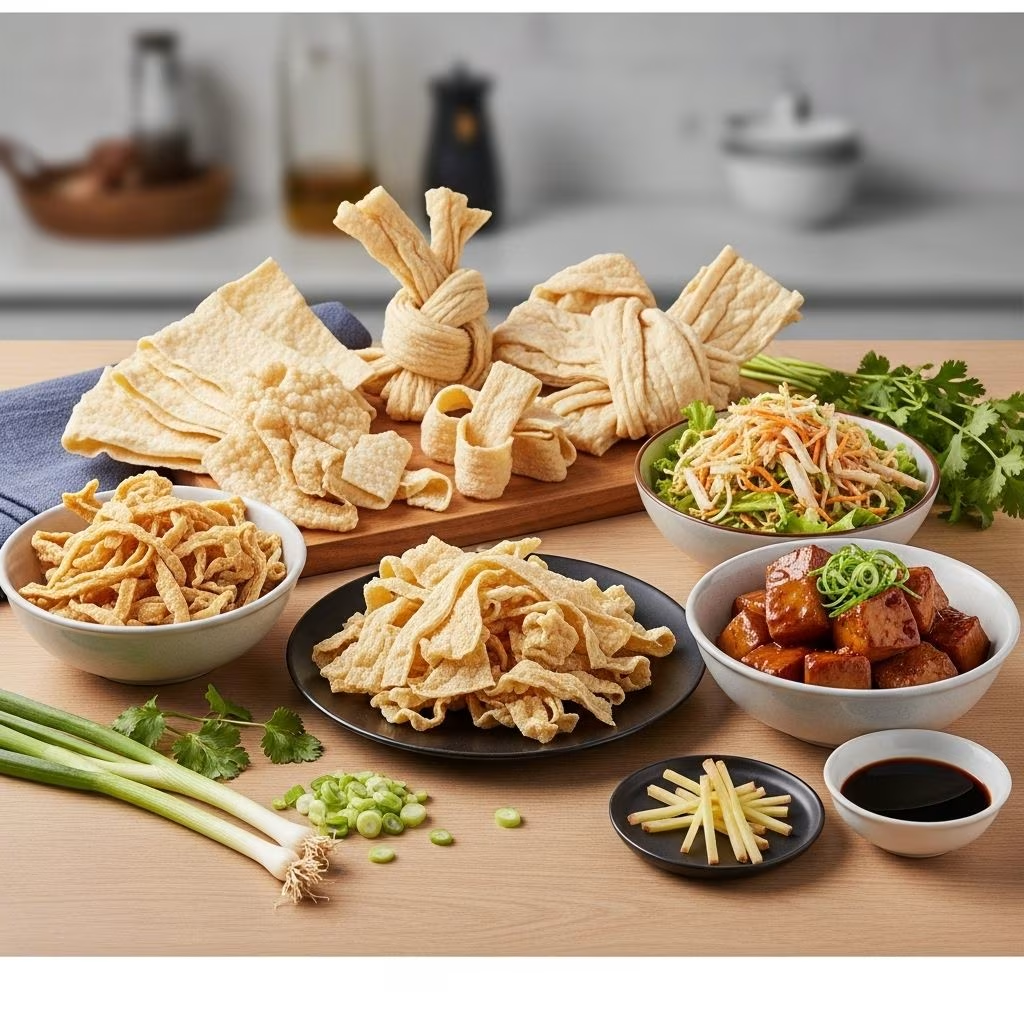
- Fresh tofu skin sheets: Creamy, nutty, flexible sheets best used for wraps or salads.
- Dry tofu skin: Sponge-like, often used shredded or rehydrated in soups and braised dishes.
- Fried tofu skin rolls: Spongy, ideal for absorbing broths and flavors in hot pots.
- Large sheets: Used as wrappers for savory fillings, similar to spring rolls.
- Tofu sticks (fuzhu): Thin, dried sticks that can be rehydrated, stir-fried, or simmered.
- Kumiage yuba: Japanese term for the soft, cheese-like gathered fresh film.
Each variety offers a distinct texture—from stretchy and tender to chewy and sponge-like—making tofu skin a dynamic ingredient for numerous dishes.
Culinary Uses Around the World
Tofu skin is integral to Chinese, Japanese, and Korean cuisines, with growing popularity in fusion and Western vegetarian cooking.
- Wrappers: Used to wrap dim sum, spring rolls, or festive stuffed parcels.
- Noodle substitute: Shredded tofu skin acts as high-protein noodles in salads and stir-fries.
- Mock meats: Provides base for vegetarian versions of duck, goose, or BBQ pork; often found in Buddhist or vegetarian restaurants.
- Soups and hot pots: Absorbs flavors and offers chewy texture in broths and stews.
- Salads: Adds crispy or tender element to cold and warm salads, depending on preparation.
- Snacks: Fried or dried as savory snacks in Asian markets.
Versatility is a hallmark of tofu skin—it can be grilled, steamed, stir-fried, braised, or deep-fried, easily adapting to desired flavors and culinary traditions.
How to Cook and Prepare Tofu Skin
- Purchasing: Tofu skin is often sold as dried sheets or sticks in Asian markets, though fresh tofu skin may be found in specialty stores or restaurants.
- Rehydration: If using dried tofu skin, soak it in warm water for 15–30 minutes until tender before cutting and cooking.
- Cooking: Tofu skin can be simmered in broths, stir-fried with vegetables, brushed with sauces and grilled, or used as a wrapper for dumplings and rolls.
- Flavor absorption: Like tofu, tofu skin readily soaks up marinades, sauces, and spices.
- Texture adjustment: Modify cooking time for chewier or silkier results depending on the desired application.
Tips: For crispy results, pan-fry rehydrated tofu skin until golden. For soft, comforting dishes, simmer in seasoned broths. When wrapping, use fresh or well-rehydrated sheets for flexibility.
Taste and Texture Profile
Tofu skin offers a creamy, nutty flavor with subtle soy undertones. Its ability to absorb seasoning makes it a chameleon ingredient in both light and robust dishes.
- Fresh sheets: Tender, creamy, slightly sweet.
- Dried sheets/sticks: Chewy, spongy, and soak up surrounding flavors.
- Fried rolls: Spongy, meaty in texture—ideal for replicating animal protein mouthfeel.
- Soft yuba: Silky, like fresh cheese or soft tofu.
Overall, tofu skin is often said to taste “better than it sounds”—with many first-time eaters pleasantly surprised by its umami-rich profile and adaptable texture.
Health Considerations
- Allergies: Tofu skin is made from soy, a common allergen; those with soy allergies should avoid.
- Digestibility: High protein and fiber content support digestion, but some individuals may experience bloating or digestive sensitivities.
- Low fat/sodium: Suitable for heart-friendly and weight-management diets.
Frequently Asked Questions
Q: Is tofu skin the same as tofu?
No. While both are soy-based, tofu skin forms from the boiled soy milk surface and does not use coagulants, making its texture and preparation quite different from pressed tofu blocks.
Q: How do I store tofu skin?
Dried tofu skin can be stored in a cool, dry place for several months. Fresh tofu skin should be refrigerated and consumed within a few days.
Q: Does tofu skin require special preparation?
Dried tofu skin needs soaking; fresh tofu skin can be used directly. Cook according to recipe requirements for best texture and flavor absorption.
Q: Is tofu skin gluten-free?
Yes, provided no gluten-containing ingredients are added during processing or cooking.
Q: Can tofu skin be eaten raw?
Fresh tofu skin may be eaten raw in salads or as part of chilled dishes, but dried tofu skin requires soaking and/or cooking first.
Q: What dishes best showcase tofu skin?
Classic applications include:
- Dim sum tofu rolls
- Vegetarian “mock duck” or “goose”
- Tofu skin hot pot
- Stir-fried shredded bean curd
- Cold salads
- Salty fried snacks
- Sushi wraps
Q: Is tofu skin suitable for people with high cholesterol?
Yes—its protein content supports cholesterol lowering, and since it’s naturally low in saturated fat, it’s appropriate for heart-friendly diets.
References (for in-article context):
- The Daily Meal: Tofu Skin—It Tastes A Lot Better Than It Sounds
- Tasting Table: What Is Tofu Skin And How Do You Use It?
- Wikipedia: Tofu Skin
- VegNews: What Is Tofu Skin? Nutrition and Recipes
References
- https://www.thedailymeal.com/1246811/tofu-skin-it-tastes-a-lot-better-than-it-sounds/
- https://www.tastingtable.com/1137303/what-is-tofu-skin-and-how-do-you-use-it/
- https://en.wikipedia.org/wiki/Tofu_skin
- https://vegnews.com/what-is-tofu-skin-recipes
- https://andreanguyen.substack.com/p/what-is-tofu-skin-yuba
- https://kids.kiddle.co/Tofu_skin
- https://en.wikipedia.org/wiki/Tofu
- https://kokorocares.com/products/yuba-tofu-skins


