


What is Tocopherol?
Tocopherol, commonly known as vitamin E, is a fat-soluble vitamin that serves as one of the most powerful antioxidants in skincare. This essential nutrient exists naturally in the human body and plays a crucial role in protecting cellular membranes from oxidative damage. In the context of skin health, tocopherol acts as a guardian against environmental stressors, particularly ultraviolet radiation and pollution that can accelerate skin aging.
The skin, being the body’s largest organ, faces constant exposure to harmful environmental factors including UV radiation, air pollutants, and free radicals. These elements contribute to premature aging, inflammation, and various skin conditions. Tocopherol’s primary function involves neutralizing these damaging free radicals before they can cause significant cellular damage.
What makes tocopherol particularly valuable for skincare is its ability to integrate into the skin’s natural lipid barrier, where it provides ongoing protection. Unlike water-soluble antioxidants that may wash away easily, tocopherol’s fat-soluble nature allows it to remain in the skin longer, offering sustained protective benefits.
Forms of Vitamin E in Skincare
Vitamin E encompasses a family of eight compounds, each offering unique benefits for skin health. Understanding these different forms helps in selecting the most appropriate skincare products for specific skin concerns.
Alpha-Tocopherol
Alpha-tocopherol represents the most biologically active form of vitamin E and is the primary form stored in human tissues. This form demonstrates exceptional antioxidant properties and shows superior stability in skincare formulations. Research indicates that alpha-tocopherol effectively penetrates the skin and accumulates in cellular membranes, where it provides robust protection against oxidative stress.
Tocotrienols
Tocotrienols, another subfamily of vitamin E, have gained attention for their unique structural properties that may offer enhanced skin benefits. Studies suggest that tocotrienols demonstrate superior antioxidant activity compared to tocopherols in certain situations. These compounds show particular promise in protecting against UV-induced skin damage and may help reduce pigmentation issues more effectively than other forms of vitamin E.
Vitamin E Esters
Vitamin E esters, such as tocopherol acetate, represent stabilized forms of vitamin E commonly used in commercial skincare products. While these esters offer improved shelf stability, they require cellular metabolism to convert into active vitamin E, which may slightly delay their protective effects compared to free tocopherol forms.
Skin Benefits of Tocopherol
The skin benefits of tocopherol are extensive and well-documented through scientific research. These benefits encompass protection, repair, and enhancement of overall skin health through multiple mechanisms of action.
Powerful Antioxidant Protection
Tocopherol’s primary benefit lies in its exceptional antioxidant capabilities. Free radicals generated by UV exposure, pollution, and normal metabolic processes can damage skin cells, leading to premature aging, inflammation, and various skin disorders. Tocopherol neutralizes these harmful molecules before they can cause significant damage, effectively slowing down the aging process and maintaining skin integrity.
The antioxidant action of tocopherol extends beyond simple free radical scavenging. It helps regenerate other antioxidants in the skin, creating a synergistic protective network. This regenerative capability makes tocopherol particularly valuable when combined with vitamin C, as it can help restore oxidized vitamin C to its active form, enhancing overall antioxidant protection.
UV Protection and Photoaging Prevention
One of tocopherol’s most significant benefits involves protection against ultraviolet radiation damage. UV exposure depletes natural vitamin E levels in the skin, making supplementation particularly important for maintaining protective capabilities. Topical application of tocopherol has been shown to reduce UV-induced skin damage, including sunburn, DNA damage, and inflammatory responses.
Research demonstrates that tocopherol supplementation, whether oral or topical, helps maintain higher vitamin E concentrations in the skin even after UV exposure. This protection translates into reduced signs of photoaging, including wrinkles, age spots, and loss of skin elasticity. The photoprotective effects are enhanced when tocopherol is combined with other antioxidants, particularly vitamin C.
Anti-Inflammatory Properties
Tocopherol exhibits significant anti-inflammatory effects that benefit various skin conditions. It helps reduce inflammatory markers such as prostaglandins and cytokines that contribute to skin irritation and chronic inflammatory conditions. These anti-inflammatory properties make tocopherol valuable for managing conditions like atopic dermatitis, psoriasis, and general skin sensitivity.
The anti-inflammatory action of tocopherol works through multiple pathways, including inhibition of inflammatory enzymes like cyclooxygenase-2 (COX-2) and reduction of inflammatory mediator production. This comprehensive anti-inflammatory approach helps calm irritated skin and may reduce the risk of inflammatory skin aging.
Moisturization and Barrier Function Enhancement
Tocopherol contributes to skin moisturization through its integration into the skin’s lipid barrier. This integration helps strengthen the barrier function, reducing transepidermal water loss and improving skin hydration. Enhanced barrier function also provides better protection against environmental irritants and allergens.
The moisturizing effects of tocopherol are particularly beneficial for dry or damaged skin. By supporting the skin’s natural barrier, tocopherol helps maintain optimal hydration levels and promotes a healthier skin texture and appearance.
Wound Healing and Scar Reduction
Tocopherol has been traditionally used for wound healing and scar reduction, though scientific evidence for these applications shows mixed results. Some studies suggest that tocopherol may support the healing process by protecting newly formed tissue from oxidative damage and promoting healthy collagen formation.
However, it’s important to note that some research has shown limited or even negative effects of topical vitamin E on scar formation. The effectiveness may depend on the specific formulation, concentration, and individual skin response. More research is needed to fully understand tocopherol’s role in wound healing and scar management.
How Tocopherol Works on Your Skin
Understanding the mechanism of action helps explain why tocopherol is so effective for skin health. The vitamin works through several interconnected pathways to provide comprehensive skin protection and improvement.
Cellular Membrane Integration
Tocopherol’s fat-soluble nature allows it to integrate directly into cellular membranes, where it provides ongoing protection against lipid peroxidation. This integration is crucial because cellular membranes are particularly vulnerable to free radical damage due to their high lipid content.
Once integrated into membranes, tocopherol acts as a chain-breaking antioxidant, interrupting the cascade of free radical reactions that can cause extensive cellular damage. This protective mechanism helps maintain cellular integrity and function, supporting overall skin health and appearance.
Antioxidant Network Participation
Tocopherol doesn’t work in isolation but participates in a complex antioxidant network within the skin. It works synergistically with other antioxidants like vitamin C, glutathione, and coenzyme Q10 to provide comprehensive protection against oxidative stress.
This network approach is particularly important because different antioxidants protect against different types of free radicals and work in different cellular compartments. Tocopherol’s ability to regenerate other antioxidants helps maintain the overall protective capacity of this network.
Gene Expression Modulation
Recent research suggests that tocopherol may influence gene expression related to skin health and aging. It may help regulate the production of collagen, elastin, and other structural proteins that maintain skin firmness and elasticity.
Additionally, tocopherol may influence the expression of genes involved in inflammation and oxidative stress response, helping optimize the skin’s natural protective and repair mechanisms.
Uses and Applications
Tocopherol can be incorporated into skincare routines through various applications, each offering specific advantages for different skin concerns and lifestyles.
Topical Applications
Topical application of tocopherol through serums, creams, and oils provides direct delivery to the skin. This method allows for concentrated doses and immediate availability where protection is most needed. Topical formulations are particularly effective for targeted treatment of specific areas or concerns.
When selecting topical tocopherol products, look for formulations that protect the vitamin from oxidation and ensure stability. Dark glass containers and airless pumps help maintain potency. Products combining tocopherol with other antioxidants often provide enhanced benefits compared to single-ingredient formulations.
Oral Supplementation
Oral vitamin E supplementation can help maintain overall antioxidant status and may support skin health from within. However, the bioavailability and distribution of orally consumed tocopherol may be less targeted compared to topical application.
Oral supplementation may be particularly beneficial for individuals with limited dietary intake of vitamin E or those experiencing high levels of oxidative stress. However, it’s important to consult with healthcare providers before beginning supplementation, as high doses of vitamin E may have contraindications with certain medications.
Combination Approaches
Research suggests that combining oral and topical tocopherol may provide optimal benefits for skin health. This dual approach helps maintain systemic antioxidant levels while providing concentrated protection where it’s most needed.
Combination approaches are particularly valuable for individuals with significant sun exposure, environmental stressors, or existing skin concerns. The synergistic effects of internal and external tocopherol support may offer superior protection compared to either method alone.
Potential Side Effects
While tocopherol is generally well-tolerated, understanding potential side effects helps ensure safe and effective use.
Topical Side Effects
Topical tocopherol is generally considered safe for most people, but some individuals may experience allergic reactions or skin sensitivity. Contact dermatitis, characterized by redness, itching, or inflammation at the application site, represents the most common adverse reaction.
Individuals with sensitive skin should introduce tocopherol products gradually, starting with lower concentrations and less frequent application. Patch testing on a small skin area before full application can help identify potential sensitivity issues.
Oral Supplementation Considerations
High-dose oral vitamin E supplementation may cause side effects including nausea, diarrhea, stomach cramps, fatigue, weakness, headache, and blurred vision. More concerning, excessive vitamin E intake may increase bleeding risk, particularly in individuals taking anticoagulant medications.
The upper limit for vitamin E intake from supplements is 1,000 mg per day for adults. Exceeding this amount may lead to vitamin E toxicity, which can interfere with blood clotting and increase stroke risk in some individuals.
Drug Interactions
Vitamin E supplementation may interact with certain medications, particularly anticoagulants like warfarin, increasing bleeding risk. It may also interact with chemotherapy drugs and statins, potentially affecting their efficacy or safety profile.
Individuals taking medications should consult healthcare providers before beginning vitamin E supplementation to avoid potential interactions and ensure safe use.
Special Populations
Pregnant and breastfeeding women should exercise caution with vitamin E supplementation, as high doses may pose risks to developing fetuses or nursing infants. Similarly, individuals with bleeding disorders or those scheduled for surgery should avoid high-dose vitamin E supplementation.
Best Practices for Using Tocopherol
Maximizing the benefits of tocopherol while minimizing risks requires following evidence-based best practices for selection, application, and monitoring.
Product Selection Guidelines
When selecting tocopherol products, prioritize formulations that ensure stability and potency. Look for products stored in dark, airtight containers and check expiration dates carefully. Formulations combining tocopherol with complementary antioxidants like vitamin C often provide enhanced benefits.
Consider the concentration of tocopherol in products, starting with lower concentrations if you’re new to vitamin E skincare. Higher concentrations aren’t necessarily better and may increase the risk of skin irritation in sensitive individuals.
Application Techniques
Apply tocopherol products to clean, dry skin, allowing adequate absorption before applying additional products. For topical applications, gentle massage can help improve penetration and distribution.
Consider the timing of application, as some formulations may increase photosensitivity. While vitamin E generally provides photoprotection, certain formulations or combinations may require evening application to avoid potential interactions with sunlight.
Monitoring and Adjustment
Monitor your skin’s response to tocopherol products, particularly during the initial weeks of use. Look for signs of improvement in targeted concerns as well as any indication of irritation or adverse reactions.
Adjust application frequency or concentration based on skin response and seasonal changes. Summer months may require different approaches compared to winter, as environmental factors affecting skin health vary throughout the year.
Integration with Overall Skincare
Integrate tocopherol into a comprehensive skincare routine that includes appropriate cleansing, moisturizing, and sun protection. Avoid potential conflicts with other active ingredients, particularly those that may increase skin sensitivity.
Consider professional consultation for complex skin concerns or when combining multiple active ingredients. Dermatologists can provide personalized guidance based on individual skin type and specific concerns.
Frequently Asked Questions
Q: Can I use tocopherol if I have sensitive skin?
A: Yes, but start with lower concentrations and patch test first. Tocopherol is generally well-tolerated, but sensitive skin may require gradual introduction and careful monitoring for reactions.
Q: How long does it take to see results from tocopherol skincare?
A: Initial improvements in skin texture and hydration may be visible within 2-4 weeks, while more significant anti-aging benefits typically require 8-12 weeks of consistent use.
Q: Can I combine tocopherol with vitamin C?
A: Yes, tocopherol and vitamin C work synergistically to enhance antioxidant protection. This combination is particularly effective for photoprotection and anti-aging benefits.
Q: Is oral or topical tocopherol better for skin health?
A: Both have benefits, but topical application provides more direct and concentrated delivery to the skin. Combining both approaches may offer optimal results for comprehensive skin protection.
Q: What’s the difference between tocopherol and tocopherol acetate?
A: Tocopherol is the active form, while tocopherol acetate is a stabilized ester that requires conversion to active vitamin E in the skin. Both are effective, though pure tocopherol may provide more immediate benefits.
Q: Can tocopherol help with acne scars?
A: While traditionally used for scars, scientific evidence is mixed. Some people report improvements, but results vary significantly. Professional treatment may be more effective for significant scarring.
Q: Are there any foods rich in tocopherol that benefit skin?
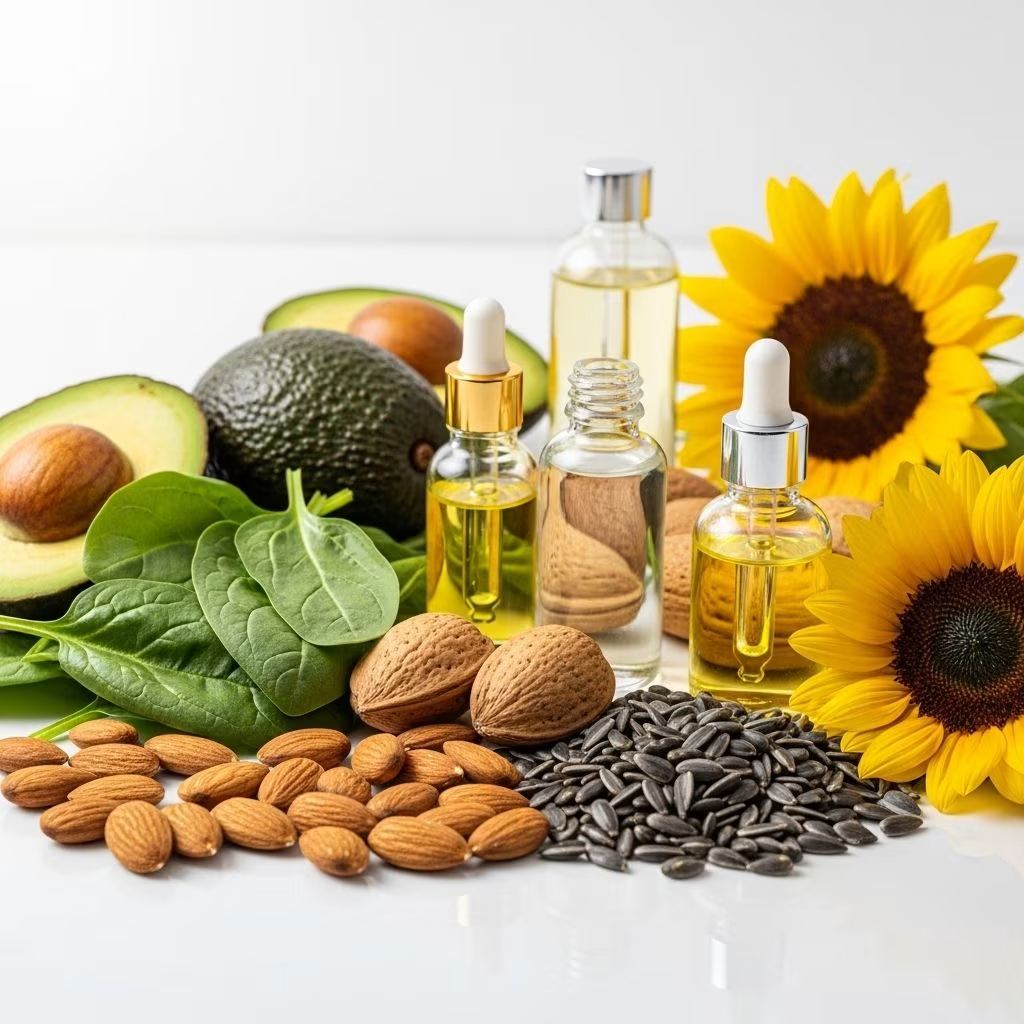
A: Yes, nuts, seeds, vegetable oils, and leafy greens are excellent sources. A diet rich in vitamin E supports overall skin health and complements topical skincare routines.
Q: Should I avoid tocopherol if I’m taking blood thinners?
A: Consult your healthcare provider before using vitamin E supplements if taking anticoagulant medications, as high doses may increase bleeding risk. Topical use is generally safer but discuss with your doctor.
References
- https://www.frontiersin.org/journals/pharmacology/articles/10.3389/fphar.2022.1006198/full
- https://lpi.oregonstate.edu/mic/health-disease/skin-health/vitamin-E
- https://curology.com/blog/tocopherol-in-skin-care-what-are-the-potential-benefits/
- https://pmc.ncbi.nlm.nih.gov/articles/PMC4976416/
- https://pmc.ncbi.nlm.nih.gov/articles/PMC8670689/
- https://ej-clinicmed.org/index.php/clinicmed/article/view/354
- https://my.clevelandclinic.org/health/drugs/vitamin-e
- https://ec.europa.eu/health/ph_risk/committees/sccp/documents/out148_en.pdf


