


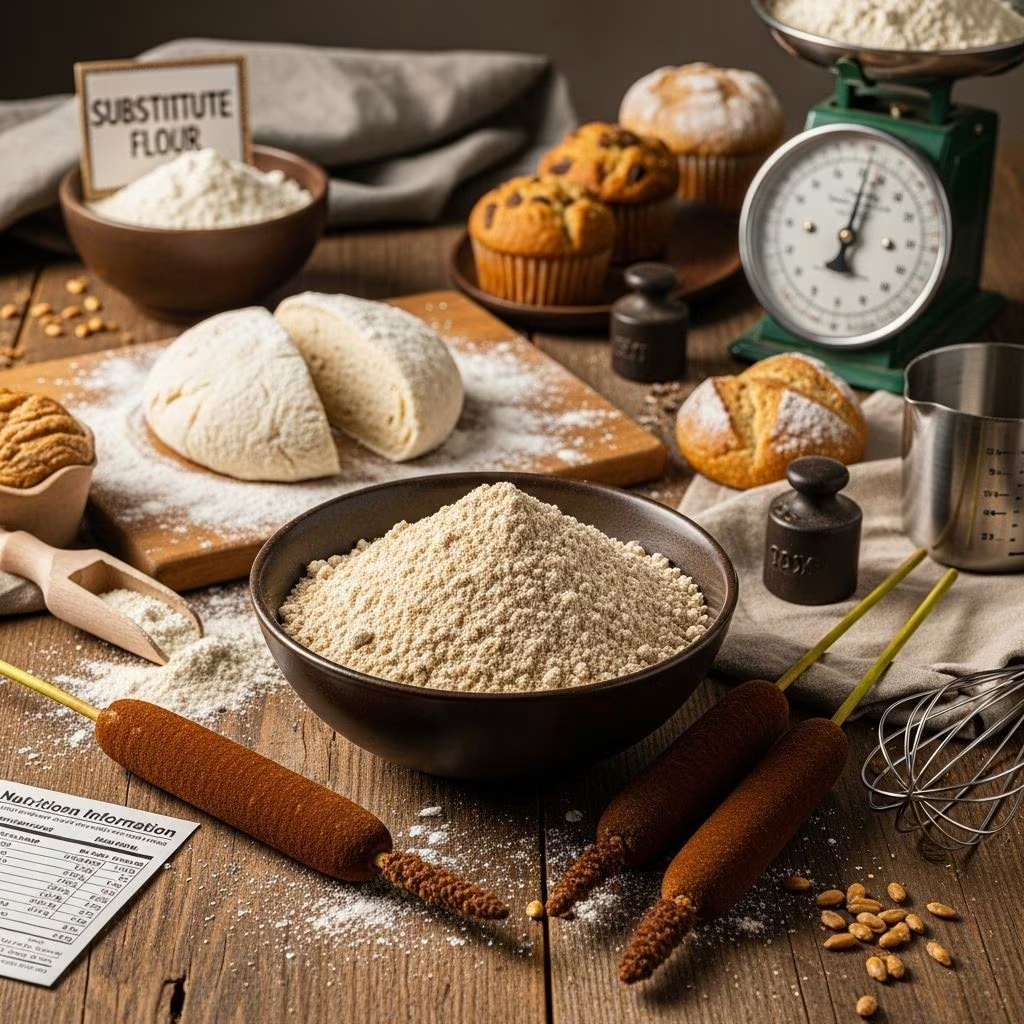
Typha Flour (Cattail Flour): Baking Uses, Substitutes & Nutrition
Cattail flour, made from the roots and pollen of Typha plants, is an ancient wild food rediscovered by modern foragers and bakers for its distinctive flavor and versatile baking uses. This article explores Typha flour’s preparation, role in baking, potential substitutions, nutrition, and practical recipes, providing a comprehensive guide for culinary enthusiasts seeking novel ingredients and approaches.
Introduction to Typha Flour
Typha, commonly known as cattail, is a well-known wetland plant found across diverse climates. Its edible rhizomes and pollen have served as food sources for centuries. Cattail flour is derived from two main sources:
- Rhizomes (roots): The starchy underground parts are roasted, dried, and then ground into flour.
- Pollen: The golden pollen collected in spring or summer can be sifted and used as a fine flour substitute, ideal for blending into baked goods.
Typha flour brings a mildly nutty flavor and lightly sweet aroma, enhancing the complexity of both traditional and modern recipes. It also opens up creative opportunities for gluten-free and wild-foraged baking.
Foraging and Preparation of Cattail Flour
Harvesting cattail flour requires ethical foraging and careful preparation to ensure purity and safety:
- Choose healthy stands of Typha away from pollution.
- Rhizome Harvest: Dig roots in early spring or late fall, wash thoroughly to remove dirt, boil or roast, then dry and grind into flour. Some traditional methods involve soaking and straining to separate starch and fiber for finer texture.
(Reference: Wild Edibles, YouTube) - Pollen Collection: In late spring and early summer, shake pollen-laden flower spikes into a container or bag. Sift to capture the brilliant yellow powder.
(Reference: Eat The Weeds)
Both pollen and rhizome-derived flour may require sifting to remove fibrous pieces, resulting in a fine, baking-ready product.
Baking Uses of Typha Flour
Typha flour is not a direct substitute for wheat or gluten-rich flours but offers distinctive properties that can elevate baked goods:
- Blending: Recommended for use in combination with wheat, gluten-free blends, or nut flours. Common ratios include 1:3 or 1:4 cattail to conventional flour for best texture. (Reference: Native Foods Nursery, Wild Edibles)
- Flavor Profile: Mildly earthy and nutty, with a subtle vegetal sweetness. Pollen imparts a golden hue and faint floral notes.
- Texture: Adds density and chew to baked goods; pollen can lighten crumbs and add a tender finish to cakes, muffins, and cookies.
- Applications:
- Breads (especially flatbreads and quickbreads)
- Cookies and shortbreads
- Biscuits, pancakes, and muffins
- Thickeners for sauces, gravies, and even soups (as a starch-rich flour)
Cattail Flour Substitutes for Baking
When Typha flour is unavailable, several substitutes can mimic its performance and nutritional contributions:
| Substitute | Ratio (vs. Cattail Flour) | Best Use | Notes |
|---|---|---|---|
| Tapioca Flour | 1:1 | Thickening & gluten-free baking | Neutral taste, gluten-free |
| Cassava Flour | 1:1 | Bread & cookies | Slightly nutty, more fiber |
| Arrowroot | 1:1 for thickening; blend for baking | Sauces & gluten-free desserts | Virtually flavorless, too dense alone |
| Rice Flour | Use half for thickening | Baking (blend) | Gluten-free, heavier texture |
| Potato Starch | 0.25:1 in blends | Pie fillings, gravies | Heavy, use in moderation |
| Cornstarch | 0.5:1 for thickening | Soups, sauces | Stronger thickener |
| Wheat Flour | 1:1 (if gluten is not an issue) | General baking | Slightly denser texture |
For wild-foraged or nutrient-focused recipes, cassava and rice flour are top choices for blending due to their compatible texture and gluten-free composition.
Nutritional Profile of Typha Flour
Typha flour’s nutritional benefits stem from its source components:
- Root-derived flour: High in complex carbohydrates and starch; moderate fiber; trace protein; low fat.
- Pollen-derived flour: Slightly more protein than root flour; provides vitamins A, B-complex, and minerals such as potassium and magnesium.
- Both contain some antioxidants and phytonutrients typical of wild plants.
This nutritional profile makes Typha flour ideal for energy-rich baked goods and as a supplement to gluten-free flours that might lack comparable nutrient density.
Cattail Flour Recipes for Baked Goods
Cattail Pollen Biscuits
Bright yellow and delicately flavored, these biscuits showcase the pollen’s fine texture and golden hue.
- 1/4 cup cattail pollen
- 1 3/4 cups wheat or gluten-free flour
- 3 tsp baking powder
- 1 tsp salt
- 4 tbsp shortening
- 3/4 cup milk
Mix dry and wet ingredients separately, combine, knead, cut biscuits, and bake at 425°F for 20 minutes. For extra color, add another 1/4 cup pollen.
Cranberry Citrus Shortbread Cookies (with Cattail Flour)
- 1 cup unsalted butter (room temperature)
- 1/2 cup coconut sugar
- 1/4 cup sifted cattail flour
- 3/4 cup gluten-free all-purpose flour
- 1 cup fresh cranberries, chopped
- 1 tsp vanilla extract
- Zest of 1 orange
Cream butter, sugar, and zest; add flours and vanilla. Mix in cranberries. Form into a log, chill, then slice and bake at 350°F for 10–12 minutes. Sifting cattail flour thoroughly improves texture but fibrous bits are edible and a point of discussion.
General Usage Recommendations
- For moist bread, use 25–50% Typha or cattail flour blended with other flours.
- For cookies and cakes, use 1:3 ratio for balanced texture and flavor.
- Pollen adds a golden color and should replace up to 25% regular flour for best results.
- When using in pancakes or muffins, blend with baking powder for tenderness.
Storage and Shelf Life
- Store Typha flour in airtight containers away from light and moisture.
- Pollen may clump over time; sift prior to use.
- Root-derived flour is best consumed within 3–6 months for peak freshness, though proper dehydration can prolong shelf life to a year.
- Check regularly for spoilage or off odors.
Safety and Allergy Considerations
- Foraging Safety: Only gather cattails from clean water sources, avoiding industrial or contaminated areas.
- Processing: Wash and cook roots thoroughly to eliminate bacteria and remove debris.
- Cattail is considered hypoallergenic for most people, but those with grass or pollen allergies should exercise caution with pollen-derived products.
- Do not confuse with non-edible related species or plants in polluted waterways.
Frequently Asked Questions (FAQs)
What does Typha flour taste like?
Cattail flour is mildly nutty, subtly earthy, with a hint of sweetness. Pollen imparts a delicate floral aroma and golden color.
Is Typha flour gluten-free?
Yes, both root-based and pollen-based cattail flour are naturally gluten-free. However, blending with wheat or other gluten-containing flours will change this status.
How do I use cattail flour in everyday baking?
Use as a partial substitute in recipes for breads, cookies, pancakes, and muffins. Suggested ratios range from 1:3 to 1:4 with your preferred flour.
Can I replace Typha flour with other wild or commercial flours?
Yes, top substitutes include cassava, tapioca, rice, arrowroot, and potato starch for comparable texture and nutritional benefits.
What nutritional advantages does cattail flour offer?
It provides carbohydrates, fiber, trace minerals, and some vitamins; pollen adds protein and antioxidants, making it suitable for those seeking wild-sourced nutrition.
How do I store homemade cattail flour?
Store in sealed containers, keep cool and dry, and use within several months for optimal freshness.
Summary
Typha (cattail) flour offers foragers and bakers a unique, nutritious, and versatile ingredient, ideal for blending into breads, cookies, and more. Its history as a nutritional staple, adaptability in recipes, and compatibility with contemporary dietary needs reinforces its value in both wild and modern kitchens. Explore creative blends, experiment with pollen and root flour, and discover the rich flavors and benefits this wild ingredient brings.
References
- https://panhandlemilling.com/the-ultimate-tapioca-flour-baking-and-substitute-guide/
- https://www.eattheweeds.com/tag/typha-angustifolia/
- https://nativefoodsnursery.com/native-foods-blog/making-cattail-flour-and-cookie-recipe/
- https://www.youtube.com/watch?v=UfpV7gA6RA8
- https://forums.egullet.org/topic/108181-cat-tail-flour/
- http://magicalchildhood.com/life/2019/01/27/cattail-starch-contain-gluten/
- https://honest-food.net/cattail-pollen-pasta-recipe/
- http://hungerandthirstforlife.blogspot.com/2010/06/wild-about-cattail-pollen.html


