


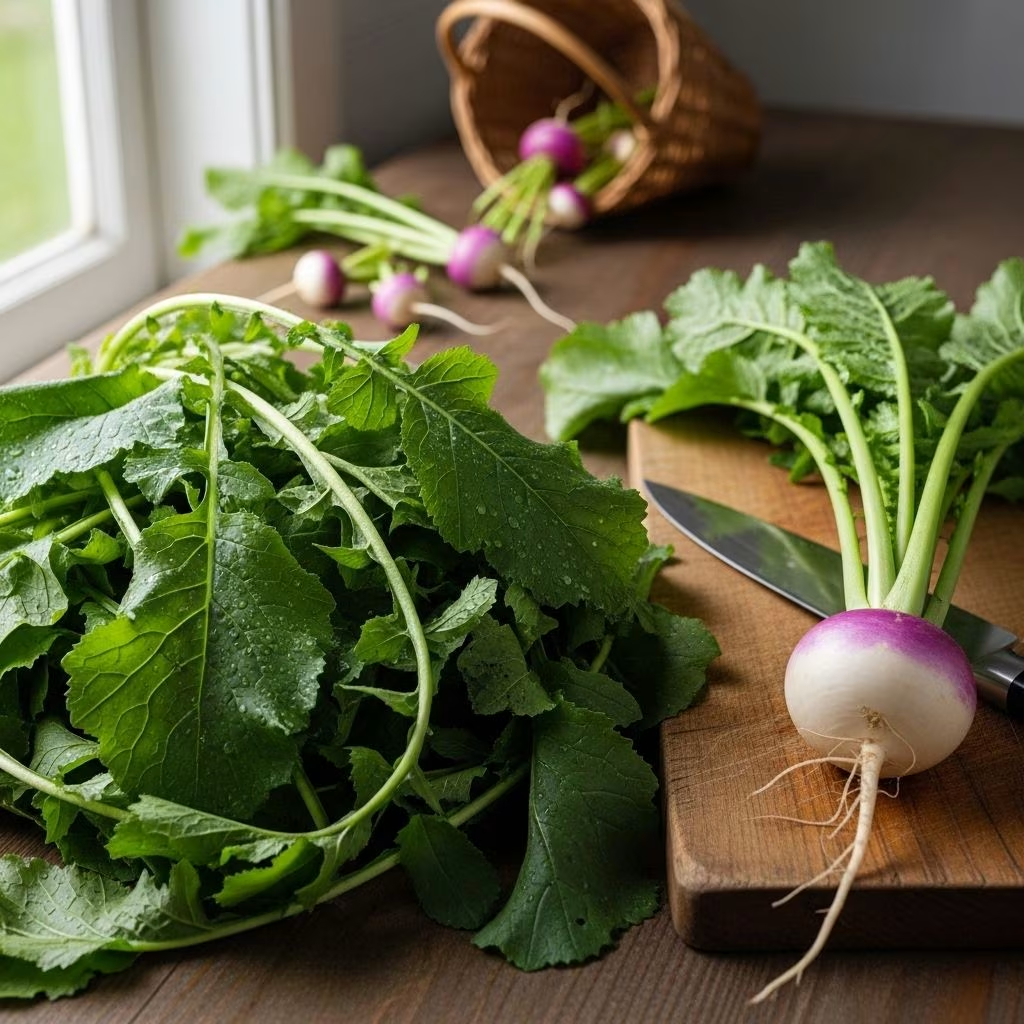
Turnip greens are the leafy tops of the turnip plant (Brassica rapa), a member of the cruciferous vegetable family that also includes kale, collard greens, and mustard greens. Renowned for their impressive nutritional value, rich history in traditional cuisines, and distinctive flavor, turnip greens are an underrated yet highly beneficial addition to the modern diet. This comprehensive guide explores what turnip greens are, their nutrient content, proven health benefits, practical culinary uses, and their complex taste profile.
Introduction to Turnip Greens
Turnip greens are the broad, vibrant green leaves that grow atop the turnip root. While the root itself is commonly used as a vegetable, the greens have long been a dietary staple in the Southern United States, parts of Asia, and Africa. They can be eaten raw or cooked and are packed with potent nutrients, making them a superfood in their own right.
- Scientific Name: Brassica rapa
- Family: Brassicaceae (cruciferous family)
- Edible Parts: Leaves (turnip greens) and root (turnip bulb)
Nutritional Profile of Turnip Greens
Turnip greens are exceptionally rich in essential vitamins, minerals, and antioxidants while remaining low in calories. Compared ounce-for-ounce, their nutritional density surpasses many commonly eaten greens.
Macronutrients and Micronutrients (per 1 cup, cooked, about 144g)
| Nutrient | Amount | % Daily Value (DV) |
|---|---|---|
| Calories | 29 | 1% |
| Carbohydrates | 6.3g | 2% |
| Fiber | 5g | 20% |
| Protein | 1.6g | 3% |
| Fat | 0.3g | 0% |
| Vitamin K | 529 μg | 662% |
| Vitamin A | 10,982 IU | 220% |
| Vitamin C | 39.5mg | 66% |
| Folate | 170 μg | 42% |
| Calcium | 197mg | 20% |
| Manganese | 0.5mg | 24% |
| Potassium | 292mg | 8% |
Source: Healthline, Dr. Axe, USDA,
- Rich in Vitamin K: Vital for blood clotting and bone health.
- High in Vitamin A: Supports eye and immune health.
- Abundant in Vitamin C: Powerful antioxidant, boosts immunity and aids iron absorption.
- Excellent source of Folate (for cell regeneration and pregnancy support).
- Significant calcium content for bone strength and metabolic functions.
Unique Compounds
- Glucosinolates: Sulfur-based phytochemicals with cancer-protective properties.
- Lutein and Zeaxanthin: Carotenoids essential for eye health.
- Oxalates: Present (~50 mg/100g), may impact calcium absorption in large amounts for sensitive individuals.
Key Health Benefits
Regular consumption of turnip greens is associated with multiple health benefits, many backed by scientific research.
- Supports Bone Health: High vitamin K and calcium content help maintain strong bones and may lower osteoporosis risk.
- Enhances Immunity: Abundant vitamin C boosts immune system defenses and supports wound healing.
- Aids Vision and Skin: Rich beta-carotene and vitamin A support healthy eyes and skin.
- Heart Protection: Dietary fiber, antioxidants, and micronutrients may help reduce blood cholesterol and regulate blood pressure.
- Anti-Cancer Properties: Glucosinolates and other phytonutrients in turnip greens may inhibit the growth of certain cancer cells by boosting the body’s detoxification enzymes and fighting oxidative stress.
- Helps Digestion: High fiber content aids regularity, supports gut health, and may improve satiety for weight control.
- Supports Fetal Development: Substantial folate content helps prevent neural tube defects during pregnancy.
- Reduces Inflammation: Vitamins A, C, E, along with phytonutrients, help lower inflammatory markers in the body.
Culinary Uses and Preparation Tips
Turnip greens have a long tradition in a variety of cuisines due to their robust flavor and versatility. They are typically consumed cooked, but young, tender leaves can also be eaten raw.
Popular Culinary Uses
- Sautéed or Braised: Sauté chopped greens with olive oil, garlic, and a pinch of red chili flakes for a quick, flavorful side.
- Southern-Style: Simmered slowly with smoked meats (like ham hock or bacon), onion, and spices—a classic soul food preparation.
- In Soups and Stews: Add chopped greens to bean soups, lentil stews, or hearty minestrone for extra nutrients and flavor.
- Raw in Salads: Use tender baby greens in mixed salads for a spicy, mustardy kick.
- Stir-Fries: Add just before serving to Asian-inspired stir-fries for color and bite.
- As a Pesto Base: Swap in blanched turnip greens for basil to make a unique, peppery pesto.
Preparation Tips
- Washing: Rinse thoroughly to remove any grit; greens often trap soil in their folds.
- Stems: Tougher stems may be removed or cooked slightly longer to soften.
- Blanching: Briefly blanching the leaves before cooking can reduce bitterness and retain color.
- Pairing with Fats: Eating with a small amount of healthy fat (like olive oil) boosts absorption of vitamins A and K.
Flavor and Taste Profile
Turnip greens are noted for their assertive, slightly bitter, and peppery taste with earthy undertones. The flavor can vary depending on age (younger leaves are milder and more tender, while mature leaves are spicier and stronger), and how the greens are cooked.
- Raw: Spicy, peppery (mustard-like) bite; can be slightly bitter.
- Cooked: Bitterness mellows; they develop a deep, savory, earthy flavor reminiscent of collard or mustard greens.
- Comparison: Generally bolder than spinach, milder than mustard greens.
- Sour or smoky flavor additions (e.g., vinegar, smoked meat) can balance or enhance their natural pungency.
Buying, Storing, and Preparing
Buying Tips
- Look For: Bright, unblemished leaves with firm stems. Avoid yellowing, wilting, or slimy leaves.
- Season: Peak season is early spring and late fall, when leaves are tender and least bitter.
Storage
- Short-term: Wrap unwashed greens in a paper towel and keep in a plastic bag in the crisper drawer. Use within 3–5 days.
- Long-term: Greens can be blanched and frozen for future use.
Preparation Steps
- Rinse thoroughly in several changes of water to remove sand and grit.
- Trim and discard tough stems if desired for more tender results.
- Chop to desired size and cook as preferred (steaming, sautéing, simmering).
Possible Side Effects and Precautions
- Vitamin K: Very high levels can interfere with blood-thinning medications (such as warfarin); people on these medications should monitor vitamin K intake.
- Oxalates: Those prone to kidney stones from oxalate accumulation may want to moderate intake.
- Bitter Flavor: Sensitive palates may prefer baby greens or add balancing flavors like vinegar, lemon, or sweeteners.
Comparison: Turnip Greens vs. Other Popular Greens
| Green (1 cup, cooked) | Calories | Vitamin K (% DV) | Calcium (% DV) | Vitamin A (% DV) | Flavor Notes |
|---|---|---|---|---|---|
| Turnip greens | 29 | 662% | 20% | 220% | Spicy, slightly bitter, robust |
| Kale | 36 | 684% | 9% | 206% | Earthy, mildly bitter |
| Collard greens | 49 | 858% | 27% | 36% | Mild, slightly sweet |
| Spinach | 41 | 987% | 24% | 105% | Mild, slightly grassy |
Frequently Asked Questions (FAQs)
Q: Are turnip greens safe to eat raw?
A: Yes, young turnip greens can be eaten raw in salads or as part of a sandwich. Mature leaves are best cooked to reduce bitterness and improve digestibility.
Q: How do turnip greens compare nutritionally to kale or spinach?
A: Turnip greens are comparable, and sometimes superior, for vitamins K, A, and C, and they are especially high in calcium and fiber. Spinach is lower in calories but higher in iron.
Q: Can turnip greens help manage cholesterol?
A: Yes, the soluble fiber and antioxidants in turnip greens may help lower LDL cholesterol levels as part of a healthy diet.
Q: How can I cook turnip greens to reduce their bitterness?
A: Blanching briefly, then sautéing with garlic, onions, and a touch of vinegar, or simmering with smoked meats, are common techniques for mellowing their flavor.
Q: Are turnip greens suitable for vegetarians and vegans?
A: Absolutely. They are an excellent plant-based source of several key nutrients that may be of interest to those avoiding animal products, including calcium, iron, and folate.
Q: How should I store fresh turnip greens to maintain their quality?
A: Wrap unwashed greens in a damp paper towel and place within a plastic bag in the refrigerator crisper. Use within 5 days for best texture and flavor.
Conclusion
Turnip greens are one of nature’s nutritional powerhouses, boasting an impressive array of vitamins, minerals, and health-promoting phytonutrients. Their adaptability in both simple and sophisticated dishes, combined with their bold, peppery flavor, makes them a worthy addition to any balanced diet. Whether enjoyed as a Southern-style delicacy, a healthy stir-fry, or a leafy base in salads, turnip greens deserve a more prominent place on modern tables.
References
- https://www.healthline.com/nutrition/turnip-nutrition
- https://draxe.com/nutrition/turnip-greens-nutrition/
- https://www.uhhospitals.org/health-information/health-and-wellness-library/article/nutritionfacts-v1/turnip-greens-raw-1-cup-chopped
- https://foodstruct.com/food/turnip-greens
- https://www.medicinenet.com/are_turnip_greens_healthy/article.htm
- https://www.urmc.rochester.edu/encyclopedia/content?contenttypeid=76&contentid=11569-1
- https://www.consumerreports.org/health/nutrition-healthy-eating/are-turnips-and-turnip-greens-good-for-you-a9701449129/
- https://www.nutritionvalue.org/Turnip_greens,_raw_nutritional_value.html


