


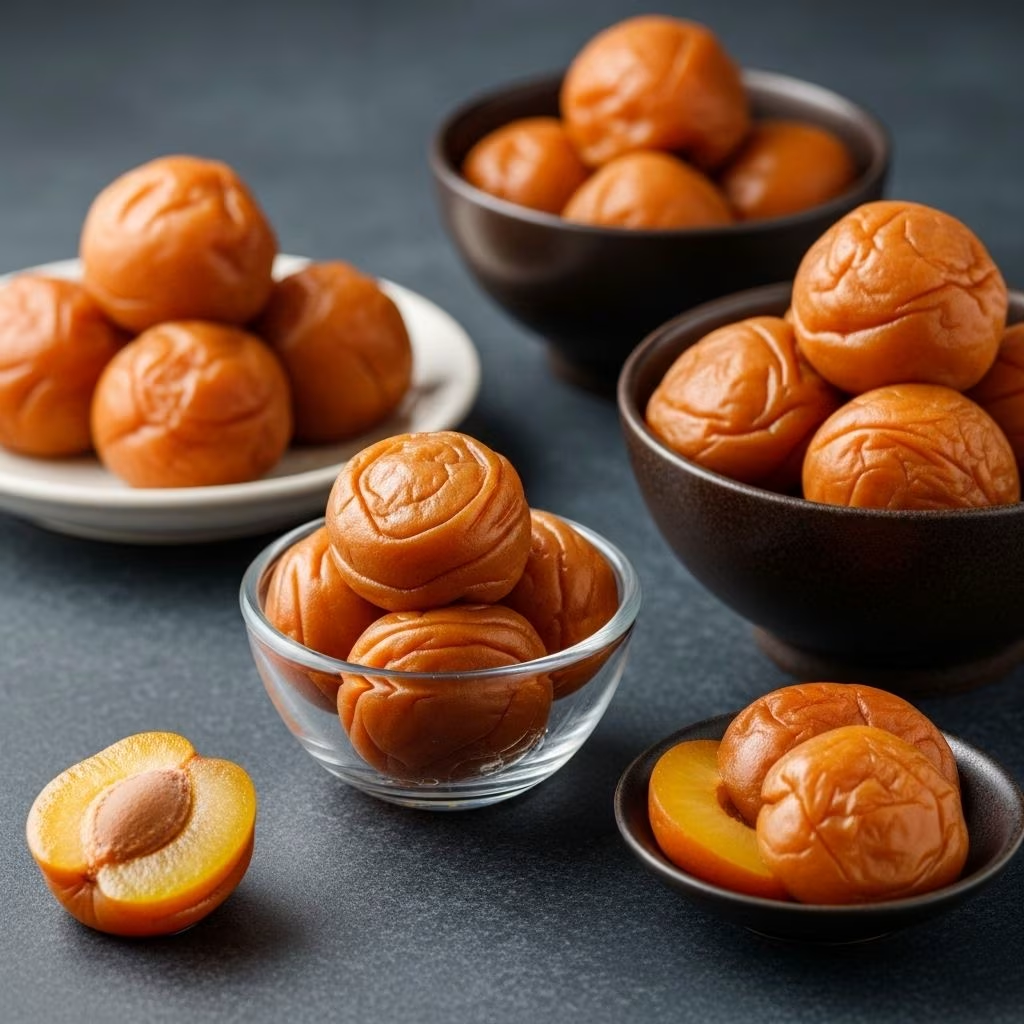
Ume, often called the “Japanese plum,” is a prized fruit in East Asian culture. Celebrated for its unique flavor, health-promoting properties, and role in tradition, ume forms the cornerstone of numerous culinary and medicinal applications across Japan and its neighbors. Despite being nicknamed a “plum,” ume is botanically closer to apricots, boasting a complex, intensely sour and tart taste profile. From striking blossoms heralding spring to delicate umeboshi on a rice ball, ume embodies nature’s tang and tradition’s wisdom.
- Scientific Name: Prunus mume
- Common Names: Ume, Japanese apricot, Japanese plum
- Origin: Native to China, widely cultivated in Japan and Korea
- Main Harvest Season: Late spring through early summer
- Main Culinary Forms: Umeboshi (pickled), Umeshu (liqueur), syrups, sauces
Table of Contents
- History and Botanical Background
- What Does Ume Look Like?
- Ume in Japanese Culture and Tradition
- Culinary Uses of Ume
- Health Benefits and Nutritional Value
- What Does Ume Taste Like?
- Ume Compared to Plums and Apricots
- Potential Risks and Safety Information
- Frequently Asked Questions (FAQs)
History and Botanical Background
Ume has a history spanning over 4,000 years, with its roots in China’s Yangtze River basin. The tree was introduced to Japan around 2,000 years ago, where it found a new cultural and culinary home. While sometimes called a “Japanese plum,” ume actually belongs to the Prunus genus and is more closely akin to apricots (Prunus armeniaca) than true plums. The species designation is Prunus mume .
Ume is a deciduous tree from the Rosaceae family, with white or pink blossoms that bloom from late winter to early spring, forming an iconic sight in parks, gardens, and festivals across Japan .
What Does Ume Look Like?
The ume tree is a medium-sized deciduous plant. Its fruit is small—about 2–3 cm in diameter—round to oval with a prominent suture line.
- Skin: Firm and smooth when young; bright green, maturing to yellow with a slight blush.
- Flesh: Pale green to yellow, dense, dry, and very sour, containing a single hard stone at the center.
- Blossoms: Fragrant, pink or white, appearing before cherry blossoms—symbolizing renewal.
Ume fruits are intensely sour, astringent, and slightly bitter when raw, making them unsuitable for fresh consumption .
Ume in Japanese Culture and Tradition
- Symbolism: Ume blossoms are associated with renewal, perseverance, hope, and the ascent of spring after winter. They often appear in Japanese literature, poetry, ukiyo-e paintings, and seasonal celebrations .
- Festivals: Ume festivals (ume matsuri) take place throughout Japan, especially in locales with ancient ume groves like Odawara, where thousands flock to see the blossoms each February .
- Spiritual meaning: The hardy blossoms are admired for blooming even in cold weather, signifying resilience.
Culinary Uses of Ume
Ume is rarely eaten raw because of its intense acidity and potential toxicity when unripe. However, through traditional preparation methods, ume is transformed into beloved staples of Japanese cuisine .
Popular Ume Products
- Umeboshi: Pickled and sun-dried ume fruits. Salty, sour, and packed with umami, typically tinted with red shiso leaves. Commonly eaten with white rice, in rice balls (onigiri), or served as a palate cleanser .
- Umeshu: A sweet-tart liqueur made by steeping ume, sugar, and alcohol. Golden, slightly syrupy, and consumed neat, on the rocks, or as a cocktail base .
- Ume Syrups and Jams: Ume boiled down with sugar makes flavorful jams, syrups for drinks, or dessert toppings .
- Ume Vinegar (Umezu): A tangy brine byproduct of the umeboshi process; used as a seasoning.
- Soy Sauce-Pickled Ume: Ume preserved in soy sauce for a savory accent, typically served as a condiment .
Other Culinary Applications
- Ingredient in sauces and marinades for fish and meat
- Mixed into salad dressings or dipping sauces
- Baked into bread or cakes for a tangy accent
- Paired with shiso, ginger, or bonito flakes for side dishes
Health Benefits and Nutritional Value
Ume is not just valued for its taste. This unique fruit also boasts a rich profile of nutrients and bioactive compounds that have been appreciated in traditional medicine for centuries.
Nutritional Components
- High in Citric Acid: Ume is notably rich in citric acid, responsible for its intense tartness. Citric acid supports energy metabolism, reduces fatigue by helping the breakdown of lactic acid, and provides mild antibacterial action .
- Potassium: Supports cardiovascular health and helps regulate blood pressure .
- Iron: Crucial for preventing anemia and supporting immune health .
- Vitamin C: Supports the immune system and acts as an antioxidant .
- Beta-carotene: An antioxidant beneficial for eye and skin health.
- Dietary Fiber: Aids digestive function.
Potential Health Benefits
- Anti-fatigue: The combination of citric acid and minerals helps combat tiredness and support recovery after exercise.
- Gut Health: Fermented ume products promote probiotic growth and regulate the digestive system .
- Antioxidant Effects: Beta-carotene and vitamin C protect cells from oxidative damage.
- Antibacterial Activity: Ume’s acidity and unique compounds may suppress harmful bacteria, historically helping to preserve rice and prevent food spoilage.
- Liver and Metabolic Health: Trace organic acids have been claimed to improve liver function and metabolism, though more research is needed .
It’s important to note that scientific studies on ume’s specific health effects in humans are ongoing; most claims are derived from tradition or in vitro research.
What Does Ume Taste Like?
Ume’s taste is unmistakable and often polarizing. The fresh fruit is intensely sour, bitter, and astringent, overwhelming for most palates when raw. Processing through pickling, drying, or infusing in alcohol mellows the harshness, turning ume into a thoughtfully balanced, savory ingredient .
| Form | Flavor | Typical Use |
|---|---|---|
| Raw Ume | Very sour, bitter, astringent | Generally not eaten (inedible/toxic) |
| Umeboshi (Pickled) | Extremely salty, intensely sour, umami-rich | With rice or onigiri, palate cleanser |
| Umeshu (Liqueur) | Sweet, tangy, aromatic, lingering tartness | Drink, dessert ingredient |
| Ume Syrup/Jam | Sour-sweet, fruity, mildly floral | Drinks, desserts, toppings |
| Soy Sauce-Pickled Ume | Savory, sour, salty, complex | Condiment, side dish |
The appeal of ume lies in its harmonious contrast—a sharp sourness balanced by salt, sweetness, or savory flavors, making it refreshing and memorable.
Ume Compared to Plums and Apricots
| Characteristic | Ume | Common Plum | Apricot |
|---|---|---|---|
| Botanical Family | Prunus mume | Prunus domestica | Prunus armeniaca |
| Appearance | Small, round-oval, green to yellow | Larger, variety of colors | Small, round, orange-yellow |
| Raw Taste | Very sour, bitter, astringent | Sweet or tart, juicy | Sweet, aromatic, slightly tart |
| Edibility (Raw) | Not recommended (toxic when unripe) | Edible | Edible |
| Common Uses | Pickled, preserved, liqueur, condiments | Fresh, cooked, preserves | Fresh, dried, jams |
Despite its English name, “Japanese plum,” ume is distinct in taste, use, and even nutritional qualities, standing apart from common plums and feeling most similar to apricots in botanical terms .
Potential Risks and Safety Information
- Raw Consumption Warning: Unripe, green ume contains cyanogenic glycosides (compounds that release small amounts of cyanide when metabolized); these can cause indigestion and should not be eaten raw .
- Safe Processing: Fermenting, pickling, cooking, or drying neutralizes toxins, making ume and its products safe and delicious.
- Sodium Content: Some ume products, especially umeboshi, are very high in salt—those watching sodium intake should consume them in moderation.
Frequently Asked Questions (FAQs)
Q: Can I eat fresh ume fruit?
A: No, raw or unripe ume is not safe to eat due to its bitterness and presence of toxic compounds. Always consume ume after proper processing.
Q: What is the main difference between ume and plums?
A: Ume is botanically closer to apricots than plums. It is far more sour and bitter when raw, and is used exclusively in processed forms like pickles or liqueurs in Japanese cuisine.
Q: Why are umeboshi so salty and sour?
A: Umeboshi are made by salting and fermenting ume fruits, intensifying their natural acidity and creating a powerful, palate-cleansing effect. The salt acts as a preservative and flavor enhancer.
Q: What does umeshu taste like?
A: Umeshu is a liqueur that is sweet, tangy, and aromatic, balancing the tartness of ume with added sugar.
Q: Is ume healthy?
A: Ume contains beneficial nutrients including citric acid, vitamin C, potassium, iron, and antioxidants, which together can support immune health, reduce fatigue, and act as natural preservatives, but it should be enjoyed as part of a balanced diet.
Q: Can I use ume in Western recipes?
A: Yes. Umeboshi paste or ume syrup can add a tart, salty kick to salad dressings, sauces, or mayonnaise, and umeshu works well as a cocktail ingredient or in desserts.
Ume remains an emblem of spring, a source of health, and a foundation of Japanese culinary and cultural heritage—delighting, nourishing, and inspiring for over a millennium.
References
- https://www.odawara-guide.com/what-is-ume-and-umeboshi/
- https://choyausa.com/blog/what-is-ume/
- https://www.kikkoman.com/en/cookbook/glossary/ume.html
- https://yunomi.life/blogs/recipes/ume-shigoto
- https://specialtyproduce.com/produce/Ume_Plums_9100.php
- https://en.wikipedia.org/wiki/Prunus_mume
- https://www.nakatafoods.com/ume
- https://dictionary.cambridge.org/us/dictionary/english/ume
- https://bokksu.com/blogs/news/what-is-umeboshi


