


Best Umbu Fruit Recipes (+ How to Cook Perfectly)
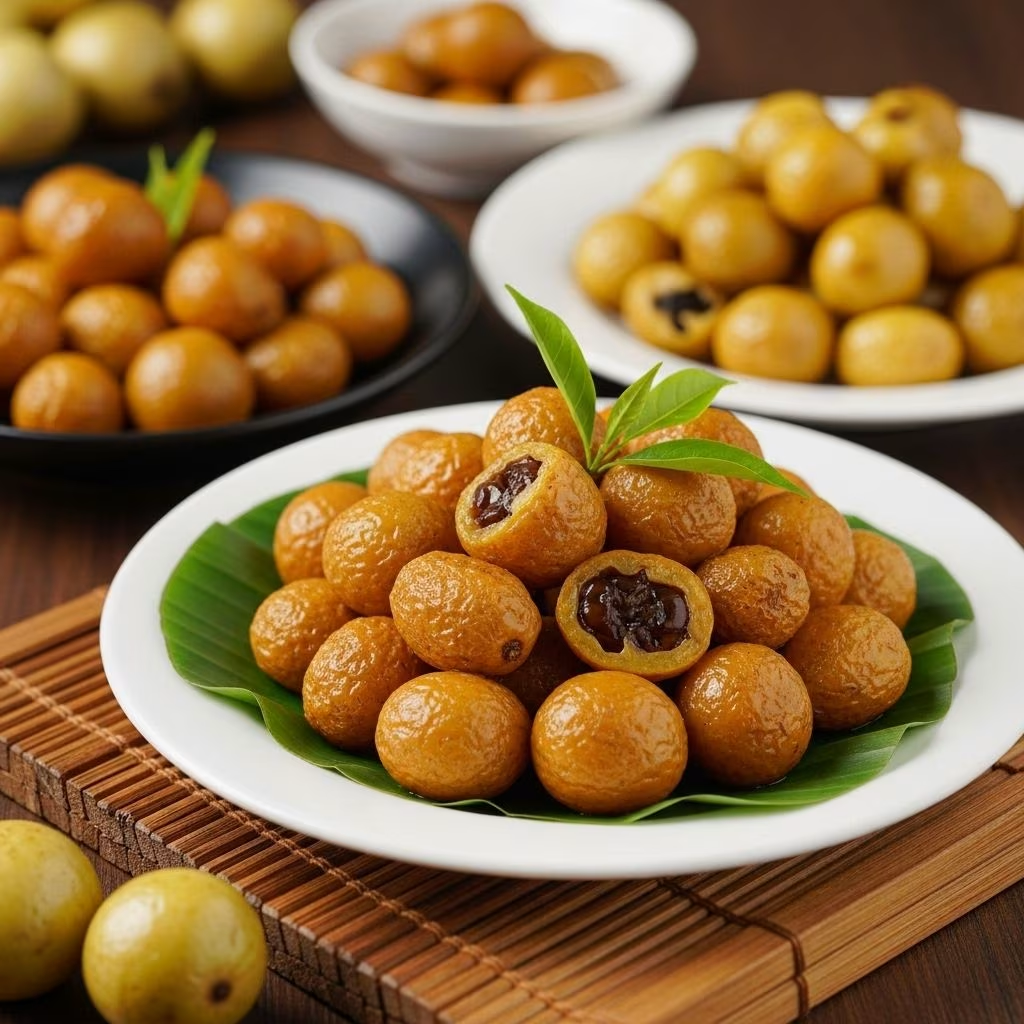
The Umbu fruit (Spondias tuberosa) is a culinary treasure from Brazil’s Sertão region, beloved for its tart, refreshing profile and remarkable versatility. Whether crafting jams, beverages, compotes, or innovative desserts, Umbu lends itself to a wealth of traditional and modern recipes. This guide presents the very best Umbu fruit recipes, with step-by-step instructions and expert tips to achieve perfect results every time.
Introduction to Umbu Fruit
Umbu, known scientifically as Spondias tuberosa, is native to the semi-arid Sertão region of Northeastern Brazil. The small, green-yellow fruit is cherished for its juicy, tart pulp and resilience in dry climates. Its flavor combines crisp acidity with subtle sweetness, making it ideal for both sweet and savory applications.
Umbu trees play a vital role in local agriculture, thriving in poor soils where few other fruit crops survive. Each mature tree can yield up to 300 kilos of fruit per season, supporting community traditions and sustainability efforts.
Nutritional Value & Culinary Properties
Umbu fruits are low in calories and high in vitamin C, antioxidants, and minerals. Their tangy pulp is rich in dietary fiber, contributing to healthy digestion. The high water content helps hydrate and refresh, especially during the hot summer months. Key culinary properties include:
- Astringent, tart flavor that balances well with sugar or creamy ingredients.
- Juicy texture: perfect for jams, juices, and compotes.
- Can be eaten fresh, preserved, or incorporated into beverages and desserts.
Locally, Umbu is prized not just for its flavor, but for its ability to thrive where water is scarce—its roots can store up to 3,000 liters of water, sustaining the tree in harsh climates.
Buying and Preparing Umbu Fruit
Choosing the Best Fruit
- Seek out Umbu fruits with smooth, green-yellow skin and a fresh fragrance.
- Avoid fruits with deep wrinkles or blemishes—they may be overripe or damaged.
- The flesh should be firm, yet yield slightly when pressed.
Basic Preparation
- Wash Umbu thoroughly under running water.
- Trim off any stems or tough ends.
- To extract the pulp, cut fruit in half and scoop out the juicy interior, discarding the large pit.
- If using for preserves, you may want to blanch the fruit to loosen skins and pulps more easily.
Umbu can be enjoyed fresh as a tart snack, but its real magic shines when cooked into jams, drinks, and creative dishes.
Classic Umbu Recipes
1. Umbu Geléia (Umbu Jam)
The quintessential Umbu preserve, geléia, is made by slowly boiling fruit and sugar until transformed into a thick, tangy jelly with a glossy sheen.
- Ingredients:
- Umbu fruit, pitted and pulped (1 kg)
- Sugar (650–800 g, to taste)
- Instructions:
- Place Umbu pulp in a large pot. Add just enough water to cover.
- Simmer gently until skins and pulp separate (about 30–40 minutes).
- Drain through a fine sieve or cheesecloth, reserving the liquid.
- Return liquid to the pot, add sugar, and cook over medium heat, stirring frequently, for 1.5–2 hours.
- Once thickened and glossy, pour into sterilized jars and seal.
- Tips: Stir constantly during final boiling to avoid scorching. For a smoother jelly, strain pulp thoroughly.
2. Umbuzada (Umbu Milk Drink)
A creamy comfort beverage, Umbuzada blends Umbu’s tart pulp with milk and sugar, making for a meal substitute or energy-boosting snack.
- Ingredients:
- Umbu pulp (300 g)
- Whole milk (1 liter)
- Sugar (to taste, typically 3–4 tablespoons)
- Optional: ice cubes, a dash of vanilla extract
- Instructions:
- Blend Umbu pulp, milk, and sugar until smooth and frothy.
- Taste and adjust sweetness. Serve chilled over ice.
- If Umbu is out of season, substitute pulp with Umbu vinegar for a tart variation.
3. Umbu Compote
Compote is a simple Umbu preserve where fruit pieces are simmered with sugar until soft but still chunky. It’s perfect atop yogurt, ice cream, or cakes.
- Ingredients:
- Umbu fruit, peeled and pitted (500 g)
- Sugar (300 g)
- Cinnamon stick (optional)
- Lemon zest (optional, for aroma)
- Instructions:
- Layer fruit and sugar in a saucepan. Add cinnamon and zest if desired.
- Simmer over low heat, stirring occasionally, until fruit is soft and syrupy (30–45 minutes).
- Ladle into jars or serve warm.
4. Umbu Fruit Cheese (Preserved Paste)
A dense, sweet-tangy preserve, fruit cheese is made by cooking Umbu pulp and sugar until thick enough to slice.
- Preparation: Similar to jam, but cooked longer until set. Spread in shallow pans, allow to cool, then cut into squares and wrap for storage.
Modern & Creative Umbu Recipes
1. Umbu Citrus Sorbet
Revive hot summer days with this refreshing sorbet, harnessing Umbu’s unique tartness.
- Ingredients:
- Umbu pulp (400 g)
- Sugar (200 g)
- Lime juice (1 tablespoon)
- Water (150 ml)
- Instructions:
- Combine all ingredients in a saucepan; bring to a gentle simmer until sugar dissolves.
- Cool, then churn in ice cream maker or freeze in shallow tray, scraping every 30 minutes to break up ice crystals.
- Scoop into bowls and garnish with mint.
2. Umbu Fruit Smoothie
Add an exotic twist to breakfast or post-workout refreshment.
- Ingredients:
- Umbu pulp (200 g)
- Banana (1 whole)
- Greek yogurt (150 g)
- Honey (1 tablespoon)
- Ice cubes
- Instructions:
- Blend all ingredients until smooth.
- Serve immediately, optionally topped with chia seeds or fresh fruit.
3. Umbu Fruit Vinaigrette
This tart-sweet dressing enhances salads, grilled vegetables, and seafood.
- Ingredients:
- Umbu vinegar (2 tablespoons)
- Olive oil (4 tablespoons)
- Honey or sugar (1 teaspoon)
- Sea salt and pepper, to taste
- Instructions:
- Whisk together Umbu vinegar, olive oil, honey, salt, and pepper.
- Drizzle over mixed greens or roasted vegetables.
4. Umbu Tartlets
Miniature Umbu pies feature a crisp pastry shell filled with Umbu compote or jam.
- Ingredients:
- Puff pastry or tart dough (prepared)
- Umbu jam or compote (as above)
- Egg wash
- Instructions:
- Shape dough into small tart shells. Fill with Umbu jam or compote.
- Brush rim with egg wash and bake at 180°C (355°F) until golden.
- Cool and serve with fresh whipped cream.
Tips for Cooking Umbu Perfectly
- Use ripe Umbu for sweet recipes; less ripe fruit suits savory or beverage preparations.
- Slow simmering brings out the depth of Umbu’s tart flavor while preventing bitterness.
- When making jams and compotes, stir regularly to avoid sticking and burning.
- Balancing tartness: Pair Umbu with sugar, honey, or milk for optimal flavor.
- For beverages, strain pulp well for a silky texture.
- Umbu’s flavor is unique—experiment by blending with citrus, coconut, banana, or spices for inventive results.
| Method | Result | Best For |
|---|---|---|
| Boiling/Simmering | Makes purees, jams, and beverages | Umbu geléia, Umbuzada |
| Baking | Creates dried fruit cheese and tart fillings | Compote, tartlets |
| Raw | Preserves crisp tartness | Snacking, salads |
Frequently Asked Questions
Q: What does Umbu fruit taste like?
A: Umbu fruit has a unique balance of tartness and subtle sweetness, often described as refreshing, slightly astringent, and with hints of citrus.
Q: Can Umbu fruit be eaten raw?
A: Yes, Umbu can be enjoyed fresh—its tart, juicy flesh is a popular snack, especially in hot climates. However, many prefer it cooked into jams or drinks for milder flavor and longer shelf life.
Q: Why is Umbu called “the fruit of the Sertão”?
A: The Umbu tree’s adaptation to dry, harsh conditions of Brazil’s Sertão region earned it this nickname. Its vast root system stores water, making it crucial for survival in arid areas.
Q: How long does homemade Umbu jam last?
A: When stored in sterilized, sealed jars at room temperature, Umbu jam can last several months. Once opened, refrigerate and use within 2–3 weeks.
Q: Are there savory Umbu recipes?
A: Yes! Umbu’s tart flavor suits vinaigrettes, salsas for seafood or grilled meats, and can be incorporated into chutneys and pickles.
Final Thoughts
The culinary legacy of Umbu fruit is a celebration of Brazil’s biodiversity and ingenuity. Whether you’re preserving the season’s bounty for later enjoyment, preparing a nourishing beverage, or experimenting with international styles, Umbu offers endless creative opportunities. With its bright flavor and robust nutritional profile, it stands as both a staple of tradition and a muse for innovating new tastes. Try one—or all—of these recipes to experience Umbu at its finest.
References
- https://www.fondazioneslowfood.com/en/slow-food-presidia/umbu/
- https://eatbreadfruit.com/pages/recipes
- https://www.youtube.com/watch?v=p-FA1p_nAeU
- https://en.wikipedia.org/wiki/Spondias_tuberosa
- https://www.youtube.com/watch?v=HjdNtO7Gp4E
- https://www.youtube.com/watch?v=it9nWgiQrmY
- https://www.youtube.com/watch?v=JGCkE6vR9no
- https://www.brazilianfarmers.com/news/sueme-more-and-camila-sande-umbu-on-the-european-menu/


