


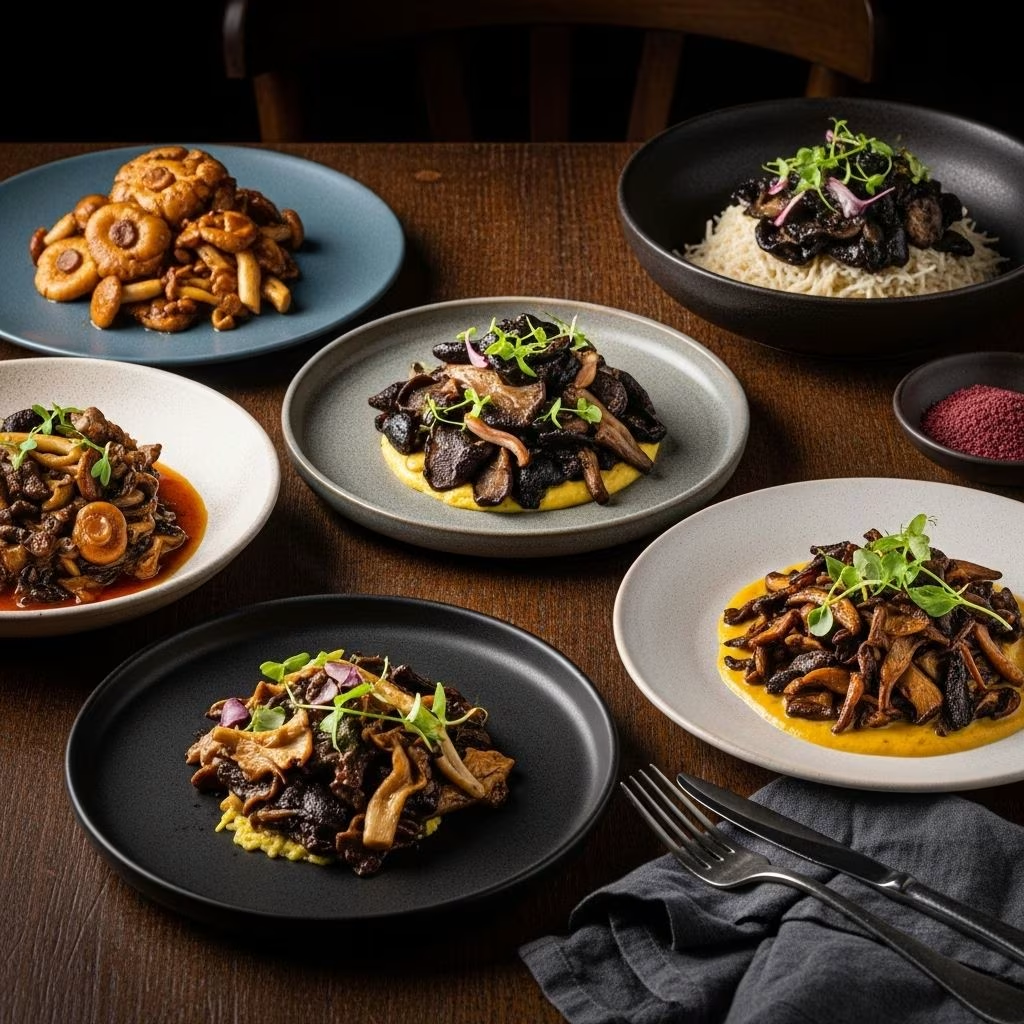
Velvet shank mushrooms—also known as Flammulina velutipes, or wild enoki—are prized for their delicate texture, subtle nutty flavor, and versatility in a wide array of dishes. Whether you forage your own or pick up cultivated enoki from the market, learning to cook velvet shank mushrooms to perfection unlocks new culinary avenues and brings a touch of gourmet flair to comfort foods, soups, snacks, and more.
Velvet Shank Mushrooms: Characteristics and Identification
Velvet shank mushrooms (Flammulina velutipes) are distinguished by their thin, elongated stems covered in a velvety texture and a shiny orange-brown cap. In the wild, these mushrooms grow in clusters on dying or dead wood, particularly during late autumn through winter, and are hardy against frost.
Cultivated enoki mushrooms, often sold in grocery stores, look different—much paler, with exceptionally long stems and small white caps—because they are grown in the dark and in high-humidity environments.
- Wild velvet shank: Deep orange cap, brown velvety stem.
- Cultivated enoki: White, very thin stems, tiny white caps.
- Flavor: Mildly nutty, slightly sweet, with a delicate crunch.
Foraging and Safety: Avoiding Deadly Galerina
Before foraging or preparing wild velvet shank mushrooms, it’s crucial to be aware of their deadly lookalike: Galerina marginata, commonly called the funeral bell. This toxic species can be mistaken for velvet shank and contains lethal amatoxins.
- Check spore prints: Velvet shank has white spores; Galerina has brown spores.
- Growth habit: Velvet shank mushrooms grow in clusters from living or dead wood, while Galerina also grows on wood but is generally smaller and duller in color.
- If unsure, consult multiple identification sources or defer to an expert.
Always prioritize safety: if foraging, use modern field guides, double-check every specimen, and avoid consumption unless identification is 100% certain.
How to Prepare and Cook Velvet Shank Mushrooms Perfectly
Wild or cultivated, velvet shank mushrooms (and their enoki cousins) are best cooked gently in broths, soups, or with moderate sautéing. Overcooking can make them slippery, but incorporated into dishes thoughtfully, they provide a satisfying, tender bite with a subtly sweet taste.
- Clean gently: Brush off debris. For wild velvet shank, trim tough stem bases; cultivated enoki stems can be trimmed off in bunches.
- Cooking methods: Best in broths, noodle soups, quick stir-fries, or added in last minutes to stews.
- Texture tip: Retain their crunch by adding towards the end of cooking or sautéing only briefly.
Do not deep fry for long—they’re too delicate (but can be used in light tempura or fritters mixed with heartier mushrooms).
Best Velvet Shank Mushroom Recipes
Discover a range of the most flavorful velvet shank mushroom recipes, expertly tailored for their delicate texture and sweet flavor, and suitable for home cooks of all experience levels.
Sautéed Velvet Shanks with Caramelized Onions and Quinoa Salad
This warming, plant-based dish showcases velvet shank’s flavor alongside sweet onions and nutty quinoa—a perfect lunch or light dinner.
- 1 pound velvet shank mushrooms (Flammulina velutipes), cleaned and sliced
- 2 large onions, thinly sliced
- 2 cloves garlic, minced
- 2 tbsp olive oil
- Salt and black pepper to taste
- 1 cup quinoa
- 2 cups water or vegetable broth
- 1/2 cup chopped cherry tomatoes
- 1/4 cup fresh parsley, chopped
- 2 tbsp balsamic vinegar
- 1 tsp honey
- 1 tbsp lemon juice
Instructions:
- Heat olive oil in a large skillet on medium. Add onions, cook ~10 minutes until caramelized. Add garlic and cook 1 minute more.
- Add sliced velvet shank mushrooms, season with salt and pepper, and cook 5-7 minutes until tender.
- Meanwhile, rinse quinoa, combine with water or broth in a saucepan, bring to a boil, reduce to a simmer, cover and cook ~20 minutes until the liquid is absorbed.
- Toss quinoa with tomatoes, parsley, balsamic vinegar, honey, and lemon juice. Adjust seasoning.
- Top quinoa salad with the mushroom-onion mixture. Serve warm.
Miso Soba Soup with Velvet Shank and Lake Whitefish
A nourishing Japanese-inspired soup that emphasizes umami flavors, healthy proteins, and the delicate bite of velvet shank mushrooms. Cultivated enoki or other mild white fish like trout or salmon may be substituted.
- 4 cups (1L) water
- 1 piece dried kombu seaweed (4–6″ long)
- 6oz bonito flakes (or 4 tsp instant dashi granules)
- 3 oz common puffball mushrooms (optional)
- 3 oz velvet shank mushrooms, destemmed
- 4 tbsp white miso paste
- 2 tbsp dried wakame seaweed
- 10 oz boneless, skinless lake whitefish, cut in 4 pieces
- 14 oz dried soba noodles
- 2 scallions, sliced
Instructions:
- Make dashi: Soak kombu in water 15 min then heat gently until bubbles form; remove kombu, add bonito flakes, simmer 1 min, steep 5 minutes. Strain or use instant dashi granules in hot water.
- Slice mushrooms. Heat dashi, add puffballs (if using) and velvet shanks, simmer 10 min. Stir in miso paste and wakame, cook 5 min more.
- Boil soba noodles per package, rinse under cold water.
- Divide noodles in bowls. Add fish pieces to soup, simmer gently until fish flakes (~2–5 min). Ladle broth, mushrooms, wakame over noodles, top with fish and scallions. Serve hot.
Wild Mushroom Pakoras (Bhajis) with Velvet Shank
Inspired by Indian street food, mixing velvet shank with heartier mushrooms for texture makes delicious, crispy mushroom fritters. Perfect for sharing or as a side dish.
- 240g wild mushrooms (combination of oyster, jelly ear, velvet shank)
- 240g gram flour (chickpea flour)
- 120g rye flour
- 150g vegan butter or clarified butter
- 1 tsp turmeric
- 2 tsp cumin seeds
- 1/2 tsp fennel seeds
- 1 tsp ground ginger
- 5 garlic cloves, roasted
- 2 large onions, chopped
- Chili (optional), salt, and pepper
Instructions:
- Crush spices using mortar and pestle. In a large bowl, combine flours, spices, onions, garlic, and butter, mix well.
- Mince/tear mushrooms and fold into mixture, adding water as needed for thick batter consistency.
- Heat oil to 180°C. Form loose tablespoons of the batter and fry in batches. Do not overcrowd. Turn until golden and crispy. Drain and serve with chutney or yogurt dip.
Wild Enoki Broth and Noodle Soups
Due to their delicate, slippery texture when cooked, velvet shank mushrooms shine in soups, hot pots, and noodle dishes. Their flavor complements umami-rich broths, winter vegetables, poultry, and even Asian-style stews.
- Broth variations: Chicken, beef, vegetable, or dashi
- Other vegetables: Leeks, scallions, carrots, napa cabbage
- Add-ins: Tofu, shredded chicken, or thinly-sliced beef
| Broth Type | Main Protein | Best Additions |
|---|---|---|
| Dashi | Whitefish, tofu | Miso, wakame, scallions |
| Chicken stock | Shredded chicken | Leeks, carrots, rice noodles |
| Vegetable broth | Puffball mushrooms, tofu | Sesame oil, vermicelli, spinach |
Add sliced or whole velvet shank mushrooms in the last 5-7 minutes of simmering for optimal texture.
Mushroom Tempura and Quick Stir-Fries
Velvet shank mushrooms can be included in tempura platters or light stir-fries when mixed with other vegetables or mushrooms. Dip small clusters in thin tempura batter (rice flour and ice water), fry for less than 2 minutes, and serve with soy or ponzu sauce. For quick stir-fries, add mushrooms in the final 2–3 minutes to keep them crisp and distinct.
Chef’s Tips for Cooking Velvet Shank Mushrooms
- Use fresh or recently harvested mushrooms for the best flavor and texture. Velvet shanks do not keep long after picking.
- Gently rinse or brush off debris. Avoid soaking, which compromises texture.
- Trim only the tough base of wild shanks. For cultivated enoki, trim stems in a single bunch for easy separation.
- Add late in the cooking process (in soups, stews, or stir-fries) to prevent over-softening. Sauté only briefly.
- Pair with bright acids (lemon, vinegar), fresh herbs, or spicy elements to enhance their mild flavor.
Perfect Pairings: What Goes Well with Velvet Shank Mushrooms?
- Proteins: Lake whitefish, salmon, tofu, shredded chicken, eggs
- Grains: Soba noodles, quinoa, rice, barley
- Vegetables: Leeks, scallions, cabbage, carrots, spinach
- Flavors: Soy sauce, ginger, miso, sesame oil, black pepper, garlic, citrus
- Beverages: Light white wines, sake, green tea
Frequently Asked Questions (FAQs)
Q: Are velvet shank and enoki mushrooms the same thing?
A: Yes, both are Flammulina velutipes. Wild velvet shank mushrooms are orange-brown with velvety stems, while cultivated enoki are white and very slender.
Q: How do I make sure my wild velvet shanks are safe to eat?
A: Always confirm with modern field guides, check spore prints (white for velvet shank, brown for toxic Galerina), and consult multiple sources. If in doubt, do not eat.
Q: What is the best way to cook velvet shank mushrooms?
A: Broth-based dishes and quick sautéing or adding at the end of cooking preserve their texture and flavor best.
Q: Can I substitute cultivated enoki for wild velvet shank in recipes?
A: Yes. Texture and flavor will be similar, though cultivated enoki are paler and slightly milder. Use them interchangeably in most dishes.
Q: How do I store velvet shank mushrooms?
A: Keep in the refrigerator, loosely wrapped; use within a few days as they are highly perishable. Do not wash until ready to use.
Now that you’re armed with the best recipes and chef’s tips for velvet shank mushrooms, you’re ready to cook up warming soups, crisp fritters, and savory salads with expert precision. Remember to identify wild mushrooms with care, savor their delicate flavor, and experiment with textures and pairings for the ultimate woodland-inspired cuisine.
References
- https://www.gone71.com/enoki-flammulina-velutipes/
- https://www.theintrepideater.com/miso-soba-soup-with-lake-whitefish-and-velvet-shanks/
- https://www.flavourfred.com/2022/02/02/winter-mushroom-farewell-dinner/
- https://foragerchef.com/category/wild-mushroom-recipes-2/enoki/
- https://www.youtube.com/watch?v=IgqFhaVXTyk
- https://foragerchef.com/snowdrinkers-the-velvetfootenokitake/
- https://edible-leeds.blogspot.com/2016/01/winter-fungi-velvet-shank.html
- https://www.youtube.com/watch?v=ZMrooFizU-g


