


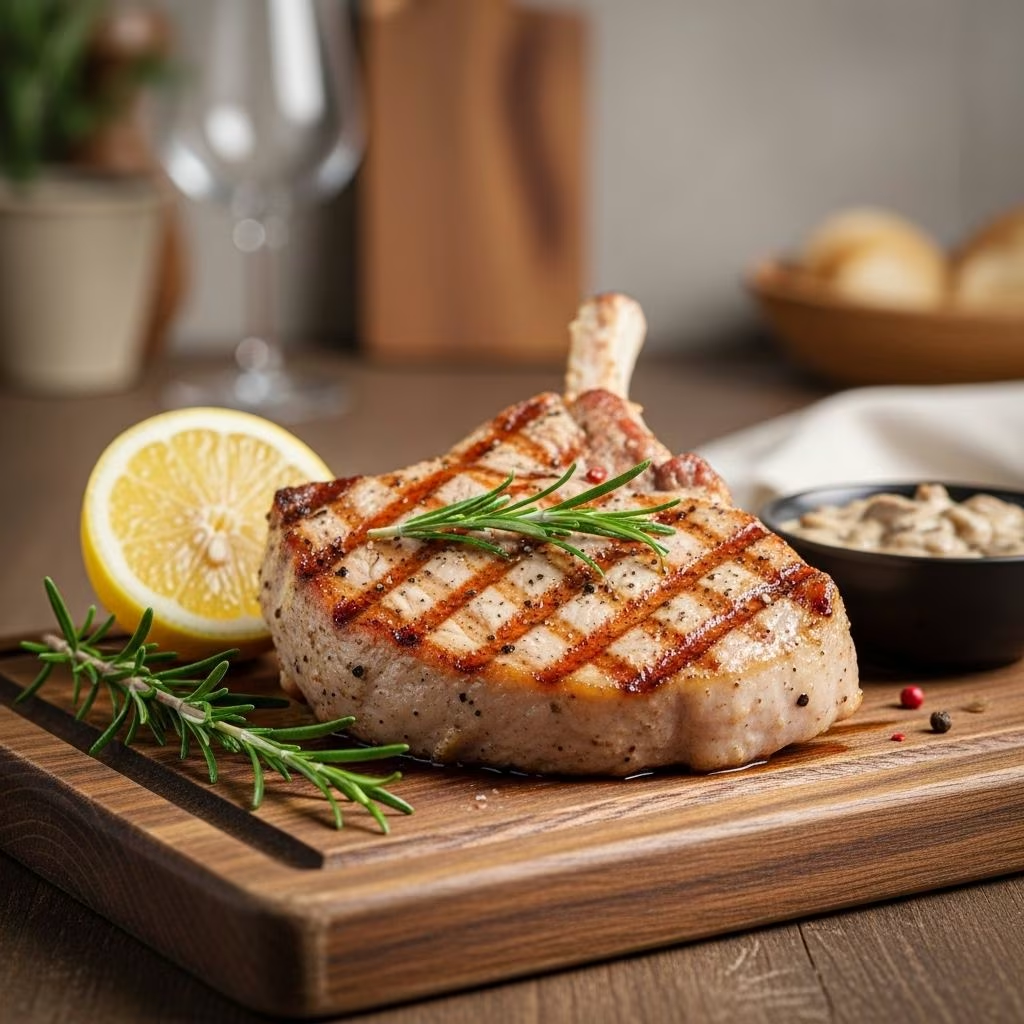
Veal holds a distinguished place in culinary history, regarded not only for its tenderness and delicate flavor but also for its high nutritional value. Often featured in sophisticated dishes across Europe and North America, veal is a mainstay in restaurants and home kitchens alike. Despite its prestige, veal also sparks ethical discussions. This article explores what veal is, its defining characteristics, nutritional benefits, culinary uses, flavor profile, types, ethical considerations, and frequently asked questions—all grounded in the latest information and food standards worldwide.
Definition and Origins of Veal
Veal is the meat derived from young calves, contrasting in both age and qualities with beef, which comes from older cattle. Most veal offered on the market is sourced from male calves, especially those from dairy breeds not used for reproduction. Historically, veal is a byproduct of the dairy industry, providing economic value for male calves that dairy farming does not otherwise utilize.
Milk-fed or “special-fed” veal calves typically reach market weight—approximately 500 pounds—at about six months of age. However, various types of veal exist, influenced by age, diet, and husbandry practices.
Veal vs. Beef
| Veal | Beef | |
|---|---|---|
| Source Age | Under 12 months (often 6–8 months) | Over 12 months |
| Color | Light pink to pale ivory | Deep red |
| Texture | Tender, fine-grained | Firmer, coarser |
| Flavor | Delicate, subtle | Rich, robust |
| Nutrient Profile | Lean, high-protein, low cholesterol | Higher fat, varying cholesterol |
| Common Uses | Roasts, scaloppini, medallions | Steaks, roasts, ground beef |
Unlike beef, veal is prized for its light color, extremely tender texture, and subtle flavor, making it especially suitable for fine dining and quick-cooking methods.
Main Types of Veal
Veal is categorized based on the age at slaughter, diet, and country-specific standards. The main types include:
- Milk-fed (Formula-fed, Special-fed or White Veal): Calves are fed a nutritionally fortified milk formula supplemented with small amounts of grain and roughage. The result is pale, very tender meat. The majority of veal in North America belongs to this category.
- Nonformula-fed (Red or Grain-fed Veal): Calves receive a diet of grains, hay, and milk, making the meat darker, with slightly more marbling and fat. Often marketed as “calf” in some countries.
- Bob Veal: Obtained from calves slaughtered under one month old (sometimes just days old). The meat is extremely pale and especially delicate. Bob veal constitutes a small share of the US veal market.
- Rose Veal/Young Beef: In the UK and parts of Europe, “rose veal” is produced from calves raised for a longer period (up to 35 weeks). The meat, owing to age and diet, is pinker and has a stronger flavor, reflecting humane rearing practices.
Nutritional Benefits of Veal
Veal offers an impressive nutrient profile, making it a valued component of balanced diets. Key nutritional benefits include:
- Lean Protein: Veal provides more protein per ounce than chicken, pork, or beef. A 3-ounce cooked veal loin portion contains around 29 grams of protein with only 173 calories.
- Low in Fat and Cholesterol: It is lower in total fat and cholesterol compared to most beef cuts, making it suitable for those watching saturated fat intake.
- Rich in Vitamins and Minerals: Essential nutrients in veal include B vitamins (B12, B6, B1), iron, zinc, and vitamin D. These nutrients are vital for energy production, red blood cell formation, immune health, and bone health.
- Omega Fatty Acids: Veal contains both omega-3 and omega-6 fatty acids, important for brain function and cardiovascular health.
- Low Sodium: Naturally low in sodium, veal is a heart-friendly meat option.
Veal can thus play an important part of a healthy diet, especially for individuals seeking quality lean protein, iron, and B-vitamins.
Culinary Uses and Popular Cuts
Veal is celebrated in cuisines around the world, thanks to its tenderness and mild flavor that adapts well to various seasonings and sauces. Classic dishes from Italian, French, Austrian, and German traditions often feature veal:
- Scaloppini: Thinly sliced veal cutlets, quickly sautéed and paired with lemon, wine-based, or creamy sauces.
- Osso Buco: Braised veal shanks with vegetables, wine, and broth, often finished with gremolata (lemon zest, garlic, parsley).
- Wiener Schnitzel: Classic Austrian dish featuring breaded, fried veal cutlets.
- Veal Marsala: Veal cutlets sautéed and served with Marsala wine sauce and mushrooms.
- Veal Stew (Blanquette de Veau): French stew of veal, white sauce, and vegetables.
| Popular Veal Cuts | Best Cooking Methods | Notes |
|---|---|---|
| Loin | Roasting, grilling | Tender, often used for medallions |
| Cutlet/Scaloppini | Sautéing, pan-frying | Thin, cooks quickly |
| Shoulder (Chuck) | Braising, stewing | Rich flavor, benefits from slow cooking |
| Shank | Braising | Used for osso buco |
| Rib | Grilling, roasting | Slightly more marbling |
Veal’s versatility enables chefs and home cooks to prepare everything from elegant main courses to comforting stews and cutlets.
Taste and Texture of Veal
Veal is prized for its delicate, mild flavor and unparalleled tenderness. Several factors contribute to its unique sensory profile:
- Tender, Fine-Grained Texture: Young age and controlled diets keep the meat exceedingly soft, making it easy to chew and palatable for most eaters.
- Mild, Subtle Taste: The flavor is nuanced and not as robust as beef, allowing subtle seasonings and complementary sauces to shine.
- Pale Color: Depending on the diet and age, veal ranges from creamy white to pink, contrasting markedly with the deep red of adult beef.
- Moisture: When cooked correctly, veal retains considerable juiciness due to its finer muscle fibers and lower fat content.
These properties make veal the centerpiece of many refined and elegant dishes across world cuisines.
Ethical Considerations in Veal Production
Veal production has evolved significantly over recent decades in response to ethical concerns, particularly around calf welfare. Historic practices, such as confining calves to small crates, drew widespread criticism and have been banned in many places. Today’s responsible producers focus on:
- Group Housing: Many modern farms raise calves in group environments rather than isolating them, allowing for natural social behaviors.
- Enriched Diets: Calves now receive nutritionally rich milk formulas along with roughage and access to water.
- Freedom to Move: Outright bans or restrictions on crates have led to healthier, more mobile calves and better meat quality.
- Certifications and Standards: Programs such as the RSPCA’s Freedom Food Standard (UK) and third-party animal welfare certifications ensure higher welfare standards for veal labeled as “rose” or “humanely raised.”
Informed consumers may seek out veal with credentials reflecting higher animal welfare or choose “rose veal” or “young beef” from reputable farms.
How to Cook Veal: Techniques and Tips
To enjoy veal at its best, proper cooking techniques must be observed:
- Do Not Overcook: Veal is lean and tender; overcooking leads to dryness and loss of subtle flavor. Most veal is best cooked to medium-rare or medium.
- Use Gentle Methods: Quick sautéing or pan-frying is best for cutlets and scaloppini. For tougher cuts (like shank and shoulder), braising in flavorful liquids yields the most tender results.
- Pair With Light Sauces: Veal’s delicacy pairs beautifully with mild, cream-based, or citrus-forward sauces.
- Rest Before Serving: Letting cooked veal rest for a few minutes preserves juices and improves texture.
Whether in fine French dining or classic Italian home cooking, veal rewards careful preparation with remarkable results.
Frequently Asked Questions (FAQs)
Q: Is veal healthy compared to other meats?
A: Yes. Veal is lean, high in protein, low in fat and cholesterol, and contains vital nutrients, making it a healthy choice in moderation.
Q: What’s the difference between veal and beef?
A: Veal comes from young calves (generally under 12 months), resulting in lighter color and finer texture, while beef is from mature cattle and is deeper red and more robust in flavor.
Q: Is veal production ethical?
A: Standards have improved, and many producers now employ humane practices like group housing and enriched diets, but ethical views vary, and consumers may seek out veal with verified welfare certifications.
Q: How is veal cooked?
A: Veal is often sautéed, pan-fried, grilled, roasted, or braised, depending on the cut. Delicate cuts require short cooking, while tougher cuts like shank are braised for tenderness.
Q: Why is veal expensive?
A: Veal production is labor-intensive, with specialized diets and husbandry, and a lower yield compared to older cattle, leading to higher prices per pound.
Conclusion
Veal remains a culinary staple revered for its fine texture, subtle taste, and impressive nutritional profile. It is versatile, fitting both traditional and contemporary recipes, and its production now reflects ongoing advances in animal welfare. Whether you savor it in classic dishes like osso buco or experiment with creative new recipes, veal offers a unique dining experience for the discerning palate.
References
- https://en.wikipedia.org/wiki/Veal
- https://www.americanveal.com/veal-good-blogs/2024/6/12/what-is-veal-answers-to-questions-about-delicious-healthy-veal
- http://inspection.canada.ca/en/food-labels/labelling/industry/meat-and-poultry-products/meat-cuts/veal
- https://www.petersfarm.com/contact/frequently-asked-questions/what-is-the-difference-between-beef-and-veal
- https://www.farmforward.com/news/what-is-veal/
- https://vealfarmers.ca/all-about-veal/all-about-veal/
- https://thehumaneleague.org/article/veal-animal
- https://meatscience.org/docs/default-source/publications-resources/rmc/1994/veal-production-and-quality.pdf?sfvrsn=2


