


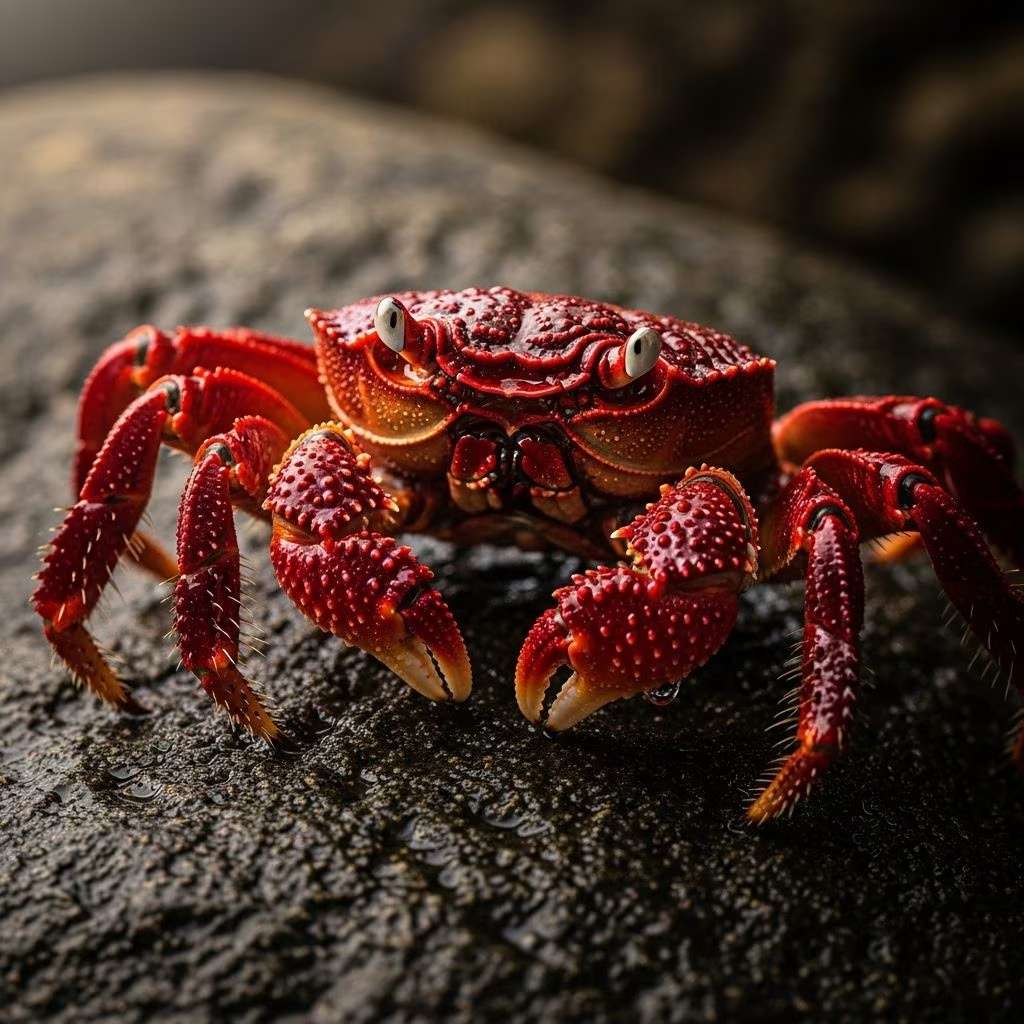
Velvet crab, scientifically known as Necora puber and commonly called the velvet swimming crab, is a remarkable yet underappreciated species of seafood prized by chefs and marine enthusiasts alike. This article explores the biological features, nutritional and health benefits, sustainability outlook, key culinary uses, and the distinct taste of this striking crustacean.
Introduction
Among the diverse world of marine crustaceans, the velvet crab stands out for its agility, striking color patterns, and culinary demand in parts of Europe. Its name is inspired by the distinctive velvet-like texture of its shell, covered with delicate short hairs, and its bold, red eyes give it a somewhat fierce appearance. Though it is lesser known globally compared to crab species like the brown crab or blue crab, it is especially beloved in regions like Spain, Portugal, and the British Isles, where its taste and texture are relished.
Biology & Habitat of Velvet Crab
Necora puber is the largest swimming crab native to the North-East Atlantic and Mediterranean, inhabiting a wide range from Norway to the Western Sahara and in the Mediterranean Sea.
- Size: Carapace width up to 10 cm; generally 6.5–10 cm in adults. Weight can approach 250g.
- Appearance: The shell is pubescent—covered with fine, yellowish hairs—giving the characteristic silky feel. The carapace is dark brown to nearly black; legs and claws often show striking blue and red colors. Eyes are bright red—one reason for the nickname “devil crab.”
- Distribution: Found along rocky shorelines, crevices, and among seaweed from shallow intertidal pools out to depths of up to 80 meters.
- Behavior: Velvet crabs are swift and aggressive, using flattened, paddle-shaped hind legs to dart through the water. Their “fighter crab” nickname reflects their spirited and sometimes defensive reactions when handled.
Diet and Life Cycle
- Diet: Omnivorous—feeds on brown algae, hermit crabs, prawns, molluscs, and small fish. While velvet crabs are fast hunters, much of their natural diet is algal material, making them important contributors to coastal ecosystem health.
- Life span: 4–6 years in the wild.
- Reproduction: Mating occurs after the female moults, with males often guarding females until after copulation. Females can lay between 5,000 and 278,000 eggs annually.
- Development: Larvae are planktonic (free-floating) for several stages before settling to the seabed and metamorphosing into juvenile crabs.
Nutritional Profile and Health Benefits
Velvet crab is not only delicious but also offers several health-promoting nutrients. Like other crabs and shellfish, its meat is low in fat and high in protein, making it suitable for a balanced diet.
- High protein content: Essential for muscle building and repair.
- Low in saturated fat: Makes it heart-healthy compared to red meats.
- Rich in omega-3 fatty acids: Beneficial for cardiovascular, neurological, and inflammatory health.
- Minerals: Excellent source of selenium (an antioxidant), zinc (immune function), phosphorus (bone health), and copper (red blood cell production).
- Vitamins: Contains vitamins B12 and E, vital for nerve health and protecting cells from oxidative stress.
| Nutrient | Amount |
|---|---|
| Calories | 87 kcal |
| Protein | 18 g |
| Total Fat | 1.1 g |
| Omega-3 (EPA/DHA) | 350 mg |
| Cholesterol | 59 mg |
| Vitamin B12 | 7.5 µg (over 300% RDA) |
| Selenium | 38 µg (55% RDA) |
| Zinc | 2.8 mg (25% RDA) |
*Values are estimates and may vary depending on habitat, diet, and preparation method.
Key Health Benefits
- Supports heart health due to favorable omega-3 fatty acid profile
- Boosts immunity and antioxidant defenses
- Promotes brain and nervous system function
- Supports healthy metabolism with essential B-vitamins and minerals
- Low in calories, making it suitable for weight management diets
Sustainability and Fishing Practices
Velvet crabs are fished year-round, especially in the coastal waters of the British Isles, France, Spain, and Portugal.
- Fishing methods: Primarily captured using pots and traps, which reduce bycatch and environmental impact compared to trawl fishing.
- Stock health: Velvet crabs remain relatively abundant, but regional overfishing or disruption of habitats could pose future challenges. Minimum sizes and local regulations help ensure sustainability.
- Conservation status: Currently, velvet crab fisheries are not under significant threat at the commercial level. Ongoing management is essential to secure populations for future generations.
Culinary Uses of Velvet Crab
The culinary scene for velvet crab is vibrant in southern Europe but emerging further north, with chefs and home cooks appreciating both its unique flavor and versatility. Its relatively small size means the yield is less than larger crabs, but its meat is considered a delicacy, especially in soups, stews, and tapas.
- Steamed or boiled whole: The most traditional preparation—serving the crab whole highlights its natural sweetness and tender texture.
- Tortilla de nécoras: A Spanish omelet dish featuring velvet crab meat for rich flavor.
- Seafood stews and soups: Add depth and sweetness to classic Basque-style or Galician recipes.
- Crab bisque: French-inspired soup using creamy stock and delicate crab flavor.
- Seafood paella: Often chosen by Spanish cooks to add complexity and aroma.
- Asian-style crab dishes: Including quick stir-fries, spicy curries, and dipping sauces to showcase the sweet, briny flavor.
Taste and Texture
Velvet crab is highly regarded for its naturally sweet, delicate meat, which is moist and tender. It has a subtle brininess and depth that is less dominant than brown crab but arguably more nuanced than blue crab. The flesh is also noted for being soft and slightly flaky, while the rich tomalley (hepatopancreas, or crab “butter”) inside the shell gives intense flavor to stocks and sauces.
If you enjoy the sweetness of blue crab or the hearty flavors of brown crab, velvet crab offers a delightful balance of both worlds: refined, oceanic, and never overpowering.
Preparation & Cooking Techniques
Tips for Cleaning and Preparing Velvet Crab
- Rinse thoroughly in cold salted water to remove debris.
- If using live crabs, place in the freezer for 30 minutes to sedate them before cooking.
- Boil in salted water (optionally flavored with bay leaf, lemon, or white wine) for 8–10 minutes per 500g, until shells turn vibrant red.
- Allow to cool before extracting meat, using kitchen shears and a seafood pick for smaller leg and claw sections.
Popular Recipes and Serving Ideas
- Velvet crab with garlic aioli: Serve steamed crab meat on toast with a dollop of homemade aioli and fresh herbs.
- Spanish seafood soup: Combine crab with white fish, clams, and shrimp in a tomato-based broth, finished with parsley and a squeeze of lemon.
- Asian stir-fried velvet crab: Quickly fry with ginger, garlic, scallions, and soy, garnished with cilantro and fresh chili.
- Classic crab salad: Toss sweet crab meat with avocado, celery, olive oil, and a splash of cider vinegar for a refreshing starter.
Velvet Crab vs. Other Popular Crabs
| Feature | Velvet Crab (Necora puber) | Brown Crab (Cancer pagurus) | Blue Crab (Callinectes sapidus) |
|---|---|---|---|
| Carapace Width | Up to 10 cm | Up to 25 cm | Up to 18 cm |
| Habitat | NE Atlantic, Mediterranean | NE Atlantic | Western Atlantic, Gulf of Mexico |
| Meat Yield | Lower (smaller size) | High | Medium |
| Flavor Profile | Sweet, delicate, moist | Hearty, slightly sweet | Very sweet, briny |
| Common Uses | Soups, Tapas, Whole-Steamed | Meat Extraction, Crab Cakes | Boil, Crab Cakes, Soups |
Frequently Asked Questions (FAQs)
Q: Where is velvet crab most commonly found?
A: Velvet crab is most commonly found in the coastal waters from Norway and the British Isles to the Mediterranean Sea, favoring rocky shorelines and crevices.
Q: Is eating velvet crab sustainable?
A: Yes, current fishing methods (mainly pots and traps) and management help keep velvet crab populations stable, though ongoing regulation and responsible purchasing are recommended.
Q: What does velvet crab taste like compared to other crabs?
A: Velvet crab’s meat is sweet, moist, and delicate with understated brininess—less robust than brown or spider crab, but distinctly softer and more elegant in flavor.
Q: How do you cook velvet crab?
A: The simplest way is to boil or steam the crab whole and serve with accompaniments. The meat can also be picked and used in soups, salads, or gourmet dishes.
Q: Are there any allergic reactions to velvet crab?
A: Velvet crab contains shellfish allergens similar to other crustaceans. Individuals with shellfish allergies should avoid consuming it.
Q: How can you tell a fresh velvet crab at the market?
A: Look for crabs with a clean, fresh sea smell, bright-colored shells, and lively movement (if alive). The shells should not be cracked or dull.
Conclusion
Velvet crab is a versatile, nutrient-rich species of seafood, celebrated for its sweet, succulent meat and appealing texture. Sourced sustainably and easy to prepare, it enriches the culinary repertoire in both traditional and modern kitchens. Exploring velvet crab not only diversifies seafood options but also supports responsible marine resource use while offering excellent health benefits. Next time you see it on the market or a menu, consider giving this unique “fighter crab” a place at your table—its flavor is likely to surprise and delight.
References
- https://www.gwct.org.uk/wildlife/species-of-the-month/2021/velvet-swimming-crab/
- https://secure.toolkitfiles.co.uk/clients/25364/sitedata/Redesign/Key_Species/Velvet-Crab-Species-Profile.pdf
- https://en.wikipedia.org/wiki/Velvet_crab
- https://animalia.bio/velvet-crab
- https://fishing.tas.gov.au/species/crab-velvet
- https://www.marlin.ac.uk/species/detail/1181
- https://www.cornwallgoodseafoodguide.org.uk/fish-guide/velvet-crab.php
- https://www.gov.scot/publications/fish-shellfish-stocks-2013/pages/22/
- https://portphillipmarinelife.net.au/species/3995


