


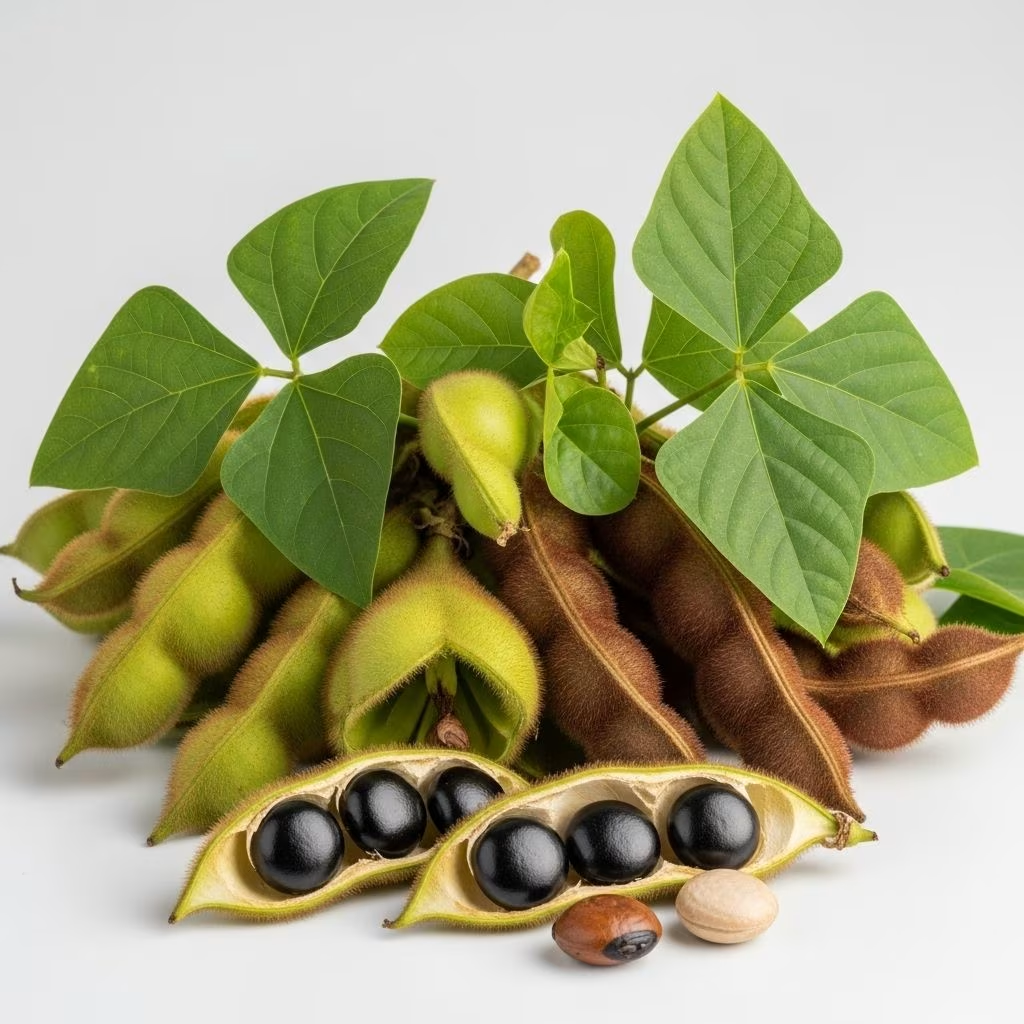
Velvet bean, scientifically known as Mucuna pruriens, is a tropical legume revered for its versatile nutritional profile and medicinal uses. From its vital role in traditional Ayurveda and folk medicine to its growing popularity as a modern supplement, velvet bean draws researchers and health enthusiasts alike. This article deeply explores what velvet bean is, its historical and contemporary uses, powerful health benefits, nutritional content, taste profile, culinary potential, and safety considerations.
What Is Velvet Bean?
Velvet bean, most commonly known as Mucuna pruriens, is a vigorous, annual climbing legume native to tropical regions of southern China and eastern India, now cultivated throughout Asia, Africa, the Pacific Islands, and the Americas. Sometimes called cowhage, Florida velvet bean, or simply mucuna, this plant is recognized for its hairy, velvety pods that enclose nutrient-rich seeds. Velvet bean is both a food source and a traditional medicinal plant, valued for its diverse health-promoting properties and as a natural green manure crop (3).
Botanical Description and Origin
- Plant type: Annual or perennial climbing vine; member of the Fabaceae (legume) family.
- Leaves: Alternately arranged, trifoliate (three leaflets), dark green, lanceolate (spear-shaped).
- Flowers: White to lavender-blue, butterfly-shaped, appearing in clusters.
- Pods: Thick, leathery, up to 10 cm (4 inches) long, curved like violin sound holes, covered in dense, brittle, orange or brown stinging hairs.
- Seeds: Four to six per pod, glossy black or dark brown, oval shaped.
The stinging hairs on the pods contain mucunain, a compound that causes intense itching if touched. Despite this irritant quality, once properly processed, velvet bean seeds are edible and nutrient-dense (3).
Traditional Uses and Cultural History
Mucuna pruriens boasts a rich history as both a nutritional and therapeutic plant:
- Ayurveda: In India, used for centuries under the names “Kawach” or “Kapikacchu” for mood, nerve, reproductive, and metabolic support (1).
- Folk Medicine: Used in Africa and Central America for treating snake bites, parasitic infections, and as a nerve tonic (3).
- Food: Consumed as a green vegetable in Asia and by indigenous groups in South India after extensive boiling to remove anti-nutrients (3).
- Animal Fodder and Green Manure: Used to enrich soil with nitrogen due to its symbiotic relationship with soil microflora.
All plant parts—leaves, seeds, roots, and pods—have found uses in various traditional healing systems for anthelmintic (deworming), rejuvenating, and aphrodisiac properties.
Nutritional Profile of Velvet Bean
Velvet bean is considered a nutrient-dense legume rich in several key compounds:
- Protein: Up to 27% protein by weight; high in essential amino acids (3).
- Minerals: Rich in iron, magnesium, calcium, phosphorus, potassium, and trace minerals.
- Carbohydrates: Contains complex starches and dietary fiber.
- L-DOPA: Contains about 3–7% L-3,4-dihydroxyphenylalanine (L-DOPA), a natural dopamine precursor prized for its neurological effects.
- Amino Acids & Fatty Acids: Provides essential amino acids and beneficial fatty acids.
- Bioactive Compounds: Phenols, flavonoids, alkaloids, and oligosaccharides (with some anti-diabetic and prebiotic effects).
Note: Raw velvet beans contain anti-nutritional factors (e.g., trypsin inhibitors, alkaloids) that must be reduced through proper processing before consumption (3).
Velvet Bean Nutritional Composition (Per 100g, Raw Seeds)
| Nutrient | Approximate Amount |
|---|---|
| Protein | 25–27 g |
| Carbohydrates | 55–60 g |
| Fat | 5–7 g |
| L-DOPA | ~5 g |
| Fiber | 4–6 g |
| Iron | 6–8 mg |
| Magnesium | 150–220 mg |
Health Benefits of Velvet Bean
Velvet bean is regarded as a functional food and herbal supplement due to an array of health benefits, with most research focusing on its neurological, metabolic, and adaptogenic actions. Major scientifically backed benefits include:
- Mood Enhancement and Brain Health: High L-DOPA content helps increase dopamine levels, supporting a brighter mood, better mental clarity, and healthy cognitive function (1).
- Stress and Anxiety Relief: Possesses adaptogenic and neuroprotective properties that help lower stress, calm the nerves, and may support those experiencing mild anxiety (1).
- Improved Sleep Quality: Dopaminergic effects help regulate sleep cycles and support restful sleep, beneficial for insomnia sufferers (1).
- Muscle Growth and Recovery: Rich in protein and amino acids, supporting muscle repair, athletic recovery, and promoting physical vitality (1).
- Blood Sugar Control: Demonstrated the ability to lower blood sugar levels and enhance insulin sensitivity, useful for prediabetes and diabetes management (1).
- Cholesterol Support: Bioactive peptides may help lower cholesterol and support cardiovascular health (2).
- Blood Pressure Balance: Antioxidant and flavonoid compounds possess mild blood pressure-lowering effects (2).
Key Medicinal Properties of Velvet Bean
Beyond its broader wellness benefits, velvet bean exhibits several specific medicinal actions recognized in both traditional and clinical research:
- Parkinson’s Disease Support: L-DOPA is a primary ingredient in many modern Parkinson’s disease medications. Velvet bean extracts are studied as a natural L-DOPA source for managing Parkinson’s symptoms (4).
- Mood Lifter & Antidepressant: Research shows hydroalcoholic extracts can produce antidepressant-like effects due to their dopamine-boosting abilities (4).
- Male Fertility and Libido: Traditionally regarded as an aphrodisiac, velvet bean has been shown to improve sperm quality, libido, and reproductive hormone balance (2)(4).
- Anthelmintic Action: Both crushed seeds and pod hairs are used to eliminate intestinal worms and parasites (2)(3).
- Antioxidant and Anti-inflammatory: Contains natural antioxidants that may protect body cells from oxidative damage, with potential effects in reducing inflammation and supporting immune health (3).
- Hepato-protective and Anti-cancer: Some seed alkaloids show anti-proliferative activity against liver cancer cells in pre-clinical studies (2).
- Skin Support: A paste of crushed leaves or extracts is sometimes applied to skin ulcers and used in preliminary studies for protection against oxidative stress-driven skin diseases (2)(3).
- Digestive Health: Traditionally used to treat dysentery, fever, and promote digestive function (2).
It is important to consult a healthcare professional before starting velvet bean supplements, especially for those who are pregnant, breastfeeding, or have neurological or cardiovascular conditions (2).
Velvet Bean in Modern Medicine
Scientific investigations into velvet bean have underscored its therapeutic potential:
- Parkinson’s Disease: Natural L-DOPA from velvet bean is under study as a safer alternative or supplement to synthetic L-DOPA for managing motor symptoms in Parkinson’s patients. Some small trials have shown comparable symptomatic relief with potentially fewer side effects (4).
- Mood Disorders: Research indicates positive results for mood enhancement, which is of growing appeal in an era of rising mental stress (1)(4).
- Diabetes Research: Oligosaccharides and phenolics in seeds have mild anti-diabetic impact, lowering post-meal blood sugar and supporting insulin sensitivity (1).
- Cardiovascular Health: Peptides and antioxidants display cholesterol- and blood pressure-lowering effects, suggesting use as a nutraceutical supplement (2).
While studies are promising, more robust human trials are needed to solidify dosing guidelines, long-term safety, and therapeutic efficacy.
Culinary Uses and Preparation Methods
Although less common in Western cuisine, velvet beans are an important staple or emergency food in parts of Africa, India, and Southeast Asia. Their culinary uses include:
- Boiled Beans: Pods and seeds are repeatedly boiled and drained to remove anti-nutrients and toxins before being eaten whole or mashed as a vegetable side dish.
- Roasted Seeds: Used as a coffee substitute, especially in Central America and India, due to their robust flavor when roasted.
- Ground Flour: Used to fortify breads and porridges.
- Leafy Greens: Young leaves are added to soups and stews or fed to livestock.
Processing Note: Raw velvet beans are not safe to eat. Proper soaking, repeated boiling, draining, and roasting are needed to detoxify the beans, in order to inactivate certain anti-nutritional and mildly toxic compounds (3).
Velvet Bean Taste Profile
The taste of velvet bean varies based on its method of preparation:
- When boiled (after removal of hulls and toxins), the seeds have a mild, nutty, somewhat earthy flavor, comparable to fava or lima beans.
- Roasted velvet beans develop a bitter, robust flavor reminiscent of coffee, which makes them a traditional basis for caffeine-free coffee substitutes.
- Unshelled or insufficiently prepared beans can taste bitter and astringent due to their natural alkaloids and L-DOPA content.
The overall culinary acceptability depends on local methods of detoxification and the specific velvet bean variety.
Safety, Side Effects, and Precautions
- Raw Velvet Beans: Contain toxins, including high L-DOPA, lectins, and trypsin inhibitors that can cause gastrointestinal distress, neurotoxicity, or allergic reactions if not properly processed.
- Supplementation Risks: Overuse can cause headaches, nausea, heart palpitations, elevated blood pressure, or, rarely, symptoms similar to excessive dopamine.
- Interactions: Velvet bean may interact with drugs for Parkinson’s disease, diabetes medications, and MAO inhibitors.
- Pregnancy and Nursing: Safety during pregnancy and lactation has not been established; use only with physician supervision.
- Allergic Reactions: The bean pod’s stinging hairs (mucunain) can cause intense itching and local dermatitis on contact with the skin.
Always consult a healthcare provider before incorporating velvet bean products, especially if you have chronic medical conditions, are on medications, or are pregnant.
Frequently Asked Questions (FAQs)
Q: Is velvet bean safe to take as a supplement?
A: When used as directed and after detoxifying/processing, velvet bean supplements are generally considered safe for most people. However, individuals with pre-existing health conditions, those pregnant or breastfeeding, or people on certain medications should consult a healthcare professional before use.
Q: Can you eat velvet beans raw?
A: No. Raw seeds and pods must be cooked, boiled, or roasted repeatedly and drained to remove anti-nutritional and toxic compounds. Never eat them raw.
Q: What is velvet bean mainly used for today?
A: Velvet bean is primarily used as a dietary supplement for mood support, nerve health, reproductive wellness, and is being studied for Parkinson’s disease versatility. It is also employed as a soil-improving legume and, in some cultures, as food.
Q: Does velvet bean help with Parkinson’s symptoms?
A: Yes. Due to its high natural L-DOPA content, velvet bean has shown promise in supporting the management of Parkinson’s symptoms in preliminary research. However, dosing and safety must be medical supervised.
Q: Are there side effects from taking velvet bean supplements?
A: Side effects may include nausea, digestive upset, headache, heart palpitations, or overly high dopamine in sensitive individuals or with excessive dosing.
Conclusion
Velvet bean remains a plant of enormous nutritional, agricultural, and therapeutic promise. Its traditional uses have inspired contemporary research into mood, neuroprotection, and metabolic balance. When properly prepared and used, velvet bean can be a valuable, functional addition to both traditional diets and modern wellness routines.
References
- https://www.1mg.com/articles/web-stories/6-health-benefits-of-velvet-beans/
- https://www.utep.edu/herbal-safety/herbal-facts/herbal%20facts%20sheet/velvet-bean.html
- https://pmc.ncbi.nlm.nih.gov/articles/PMC3942911/
- https://draxe.com/nutrition/mucuna-pruriens-velvet-bean/
- https://www.banyanbotanicals.com/pages/plants-mucuna-pruriens


