


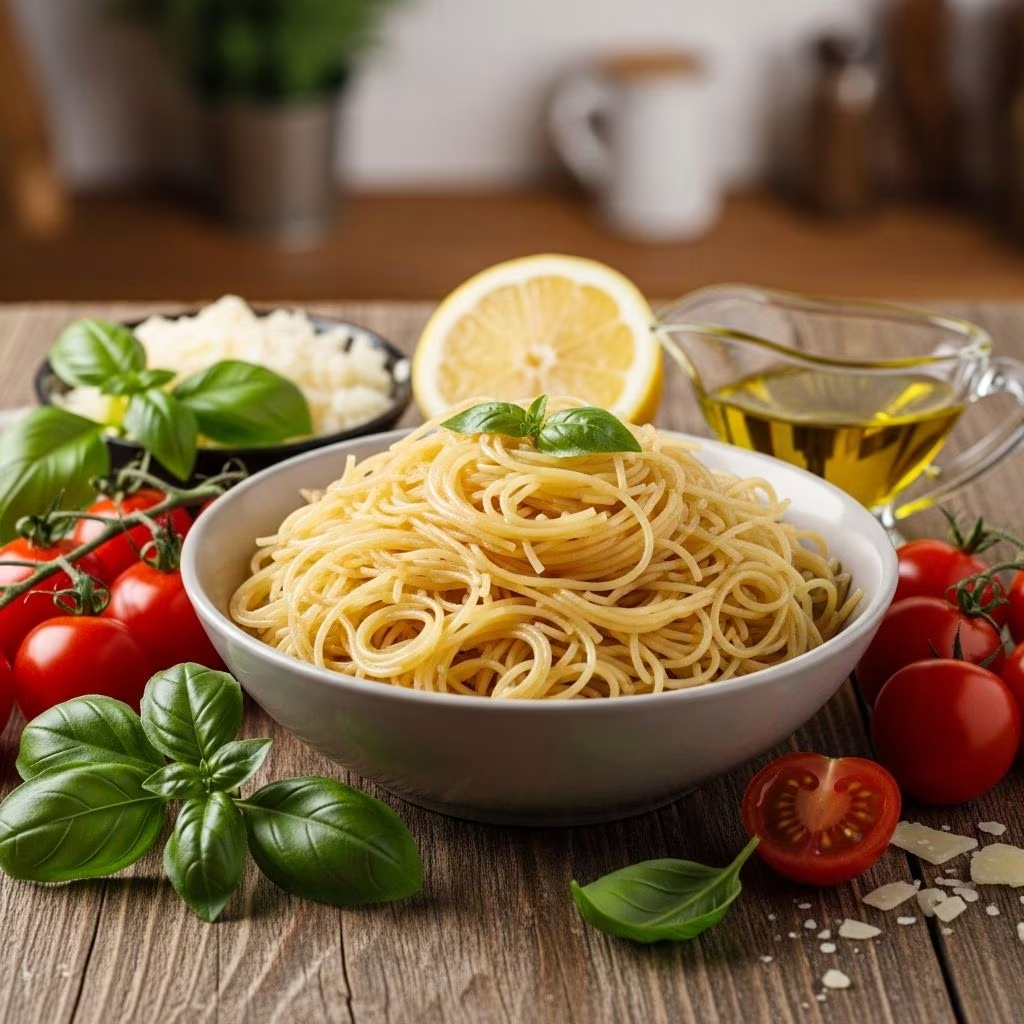
Vermicelli is a slender noodle or pasta enjoyed worldwide, notable for its delicate texture and versatility in both sweet and savory dishes. Although its name comes from the Italian for “little worms,” vermicelli is far more appetizing than the translation suggests. This comprehensive guide explores what vermicelli is, its varieties, nutritional benefits, flavor profile, and how to incorporate it into recipes from different cultures.
What Is Vermicelli?
Vermicelli refers to a family of thin noodles or pasta strands found in cuisines all over the world. Originating from the Italian word for “little worms,” vermicelli earned its name due to its small, elongated, and round appearance. In modern cooking, vermicelli includes both wheat-based Italian pasta and Asian versions made with rice or mung bean starch .
Unlike spaghetti, which is slightly thicker, vermicelli is known for its fine, delicate texture and its rapid cooking time. In the United States and some Western countries, vermicelli is slightly thicker than angel hair but thinner than standard spaghetti . Across Asia, the term generally refers to rice- or bean-based noodles.
Types and Varieties of Vermicelli
There are several types of vermicelli, each with unique ingredients and culinary applications. The most common varieties are:
- Italian Wheat Vermicelli: Traditional long, thin yellowish strands made from durum wheat semolina, sometimes with eggs for fresh pasta. Used in Italian and Mediterranean cooking .
- Rice Vermicelli: Extremely thin noodles made from rice flour or paste. Popular throughout Southeast and East Asia, often found in Vietnamese, Chinese, and Thai cuisine .
- Fideo: Short wheat-based noodles known from Spanish, Mexican, and Latin American cuisine. These may simply be broken wheat vermicelli .
- Bean Thread Vermicelli: Also called cellophane or glass noodles, made from mung bean starch. Distinct from rice vermicelli due to its transparency and slippery texture .
Different cultures even have their own name for rice vermicelli, such as bún (Vietnamese), bee hoon (Singapore), mee hoon (Indonesia/Malaysia), mífěn (China), and bihon (Philippines), but not all are made purely from rice .
Table: Comparing Common Vermicelli Types
| Type | Main Ingredient | Appearance (Cooked) | Common Cuisines |
|---|---|---|---|
| Italian Wheat Vermicelli | Wheat semolina | Pale yellow, round, thin strands | Italian, Mediterranean |
| Rice Vermicelli | Rice flour | White, opaque, fine | Vietnamese, Chinese, Thai |
| Fideo (Short Vermicelli) | Wheat flour | Short, thin, yellowish | Mexican, Spanish |
| Bean Thread Vermicelli | Mung bean starch | Translucent, extra fine | Chinese, Thai, Korean |
How Is Vermicelli Made?
Wheat-Based Vermicelli
The basic process for making Italian-style wheat vermicelli involves:
- Mixing wheat flour (or semolina), water, and sometimes salt (and eggs for fresh pasta).
- Kneading the dough until smooth.
- Extruding the dough through a special pasta machine to form long, very thin strands.
- Drying the strands either in the sun or using modern heated drying methods.
- Cutting the strands to the desired length and packaging them .
Rice-Based Vermicelli
- Turning rice flour (or paste) into a dough by combining with water.
- Pressing the dough through small holes to produce thin noodles.
- Steaming or boiling the strands briefly, then rapidly cooling.
- Drying and packaging the finished product .
Traditional methods are still used in some Asian regions, especially for boutique or artisanal products, but most vermicelli is commercially produced in modern facilities around the globe.
Nutritional Benefits of Vermicelli
Vermicelli can be a nutritious part of a balanced diet, with nutritional content depending primarily on its base ingredient (rice, wheat, or beans).
- Wheat vermicelli provides a good source of complex carbohydrates, low in fat, and a moderate amount of protein. Whole wheat or enriched versions contain B-vitamins and dietary fiber.
- Rice vermicelli is naturally gluten-free, making it suitable for people with celiac disease or gluten sensitivity. It is primarily a source of starch and energy, with very little fat and sodium. It contains negligible protein and minerals unless fortified or cooked with nutrient-rich ingredients.
- Bean thread vermicelli is higher in fiber and sometimes offers more protein compared to rice-only noodles, with a very low glycemic index.
Depending on the preparation, vermicelli dishes can be a light, easily digestible option—especially when paired with vegetables, lean meats, or plant-based protein sources.
Potential Health Benefits
- Digestion: Easy to digest and ideal for sensitive stomachs.
- Energy: High in carbohydrates, offering quick energy, making it popular in cultures with high physical activity.
- Weight Management: Low in fat and low in sodium if prepared simply. Can be adapted for high- or low-calorie diets depending on preparation.
- Gluten-Free: Rice vermicelli is naturally gluten-free (always check label for blends if allergic).
Considerations
- Plain vermicelli is low in micronutrients. For a balanced meal, combine with vegetables, meat, tofu, or legumes.
- Check for sodium and additives if using instant or pre-seasoned vermicelli packets.
Culinary Uses Around the World
Vermicelli features in an astonishing variety of dishes, both savory and sweet. Its texture allows it to absorb flavors from broths, sauces, and dressings, making it a perfect base or complement in many recipes.
Mediterranean and Middle Eastern Cuisine
- Lebanese Rice with Vermicelli: Toasted wheat vermicelli is combined with rice for a fragrant, nutty pilaf.
- Persian Faloodeh: A frozen dessert using rice vermicelli soaked in a sweet syrup, often flavored with rose water and lime .
Asian Cuisine
- Vietnamese Bún: Rice vermicelli is the star of the famous bún bowls, often accompanied by grilled meats, fresh herbs, and nuoc cham sauce .
- Chinese Stir-fries and Soups: Both rice and mung bean vermicelli are ingredients in stir-fry dishes, spring roll fillings, and soups like Guilin mifen .
- Thai and Malaysian Dishes: Rice vermicelli is featured in dishes such as Pad Thai (sometimes as a variation), Mee Siam, or rice noodle salads.
Indian Cuisine
- Semya Upma: A savory Indian breakfast dish made by sautéing wheat vermicelli with vegetables, spices, and nuts.
- Seviyan Kheer: A sweet pudding or dessert using wheat vermicelli cooked in milk, sugar, and cardamom.
Mexican and Spanish Cuisine
- Sopa de Fideo: A comforting noodle soup made with short wheat vermicelli simmered in a savory tomato broth.
- Catalan Fideuà: A paella-like seafood dish based on short vermicelli instead of rice .
What Does Vermicelli Taste Like?
Vermicelli’s flavor profile is intentionally mild, making it the perfect backdrop for stronger ingredients.
- Wheat vermicelli has a faintly nutty, wheaty taste with a firm bite when cooked al dente.
- Rice vermicelli is nearly tasteless on its own but provides a pleasant, chewy texture and soaks up the flavors of dressings, broths, or sauces .
- Bean thread vermicelli is slightly starchy with a subtle flavor, offering a slippery feel when cooked.
Vermicelli’s main culinary strength lies not in its flavor, but in its ability to complement and absorb the taste and aroma of other dish ingredients.
Vermicelli vs. Other Noodles
It’s easy to confuse vermicelli with similar noodles. Here is a quick comparison:
- Spaghetti: Thicker than Italian vermicelli; commonly used in heavier pasta dishes.
- Angel Hair (Capellini): Thinner than vermicelli, cooks even faster, and is extremely delicate.
- Glass (Cellophane) Noodles: Made with mung bean starch, turn translucent and slippery when cooked, often used in Asian stir-fries and spring rolls .
Popular Vermicelli Recipes
- Vietnamese Bun Thit Nuong: Grilled pork served over a bed of rice vermicelli, herbs, and dipping sauce .
- Lebanese Rice with Vermicelli: Toasted vermicelli noodles cooked with long-grain rice, seasoned with spices .
- Sopa de Fideo: Mexican soup with short vermicelli simmered in spiced tomato broth.
- Indian Semya Upma: A hearty breakfast or snack prepared with toasted wheat vermicelli and vegetables.
- Persian Faloodeh: Sweet and cooling vermicelli dessert.
Cooking Tips and Considerations
- Preparation: Follow package instructions for best results. Rice vermicelli typically requires only a brief soak in hot water, whereas wheat-based vermicelli is boiled in salted water.
- Rinsing: After cooking, rinse rice vermicelli in cold water to prevent clumping (unless serving hot in soup).
- Toasting: For added flavor, toast wheat vermicelli in a little oil or butter before boiling (Lebanese rice pulao style).
- Storage: Store uncooked vermicelli in a cool, dry place; cooked vermicelli can be refrigerated for 2-3 days.
- Versatility: Use vermicelli in stir-fries, salads, soups, or desserts depending on the noodle type and desired flavor.
Frequently Asked Questions (FAQs)
Is vermicelli gluten-free?
Rice vermicelli and bean thread vermicelli are both gluten-free. Traditional Italian and Mediterranean vermicelli made from wheat is not suitable for gluten sensitivities unless labeled otherwise .
How do you cook rice vermicelli properly?
Soak in boiling water for 3-5 minutes, then drain and rinse with cold water. Avoid over-soaking, as the noodles can become mushy .
Are vermicelli noodles healthy?
Vermicelli is low in fat and sodium and easily digestible. However, they are mostly simple carbohydrates, so pair with protein and vegetables for a balanced meal.
What is the difference between rice vermicelli and bean thread noodles?
Rice vermicelli is made of rice flour and is opaque white when cooked, while bean thread noodles (glass noodles) are made from mung bean starch and become translucent and very slippery .
Can vermicelli be used for desserts?
Absolutely. Vermicelli is an essential ingredient in Persian faloodeh, Indian seviyan kheer, and other sweet dishes.
What dishes can I make with vermicelli?
Try Vietnamese bún bowls, Indian upma, Lebanese rice pilaf, or Mexican sopa de fideo, as well as a range of salads, stir-fries, and desserts.
References
- https://www.themediterraneandish.com/what-is-vermicelli/
- https://www.jessicanguyen.com.au/blogs/blogs-articles/how-to-pick-the-right-vermicelli-noodles
- https://en.wikipedia.org/wiki/Rice_vermicelli
- https://www.kingsoba.com/blogs/blog/useful-things-to-know-about-vermicelli-noodles
- https://rightfoods.com/blogs/blog/rice-noodles-101-a-guide-to-the-different-types-of-rice-noodles
- https://www.uwajimaya.com/uwajipedia/vermicelli-noodles/


