


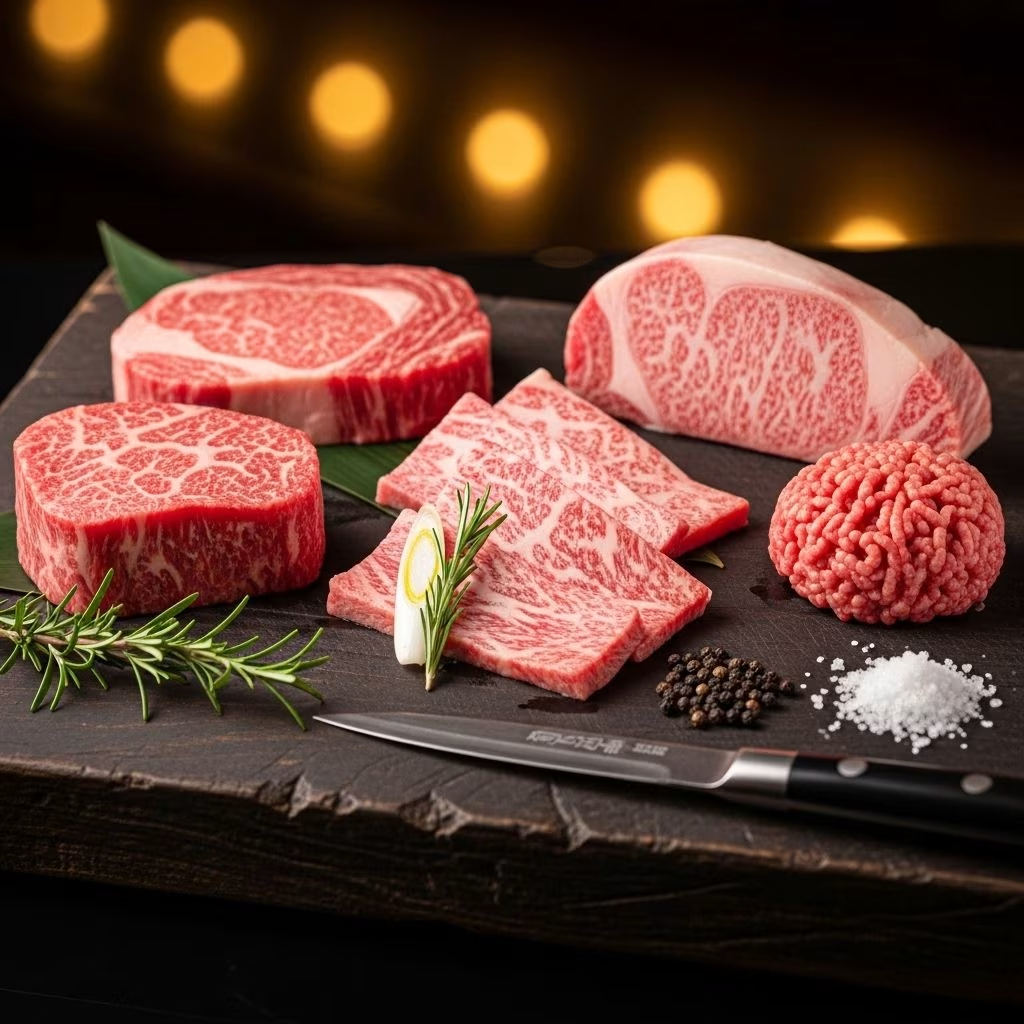
Introduction: What Is Wagyu Beef?
Wagyu beef has become a symbol of culinary luxury and gastronomic excellence, renowned globally for its rich marbling, buttery texture, and unforgettable flavor. The term “Wagyu” originates from Japan and literally means “Japanese cow.” However, not all Japanese cattle qualify as Wagyu; only specific breeds, raised using centuries-old, meticulous methods designed to maximize quality and tenderness, earn this prestigious label.
Origins and Breeds of Wagyu
The legacy of Wagyu beef is deeply rooted in Japan’s agricultural history and culture. Modern Wagyu cattle are descendants of native Japanese breeds crossed with imported European cattle during the 19th and early 20th centuries. Today, four primary Japanese breeds are officially recognized as Wagyu:
- Japanese Black (Kuroge Washu): Most prized for its extraordinary marbling and referred to as the source of the famous Kobe beef.
- Japanese Brown (Akage or Akaushi): Slightly leaner but valued for its well-balanced flavor.
- Japanese Polled: A rarer breed known for tender red meat.
- Japanese Shorthorn: Noted for leaner meat with a distinctive taste.
Internationally, Wagyu cattle have been bred with other breeds to produce “American Wagyu” or “Australian Wagyu,” increasing global accessibility and diversity of Wagyu products.
Specialty Regional Wagyu Varieties
- Kobe Beef: From Tajima strain cattle raised in Hyogo Prefecture; renowned for unparalleled marbling and exclusive production standards.
- Matsusaka Beef: Produced in Mie Prefecture, sought after for mellow richness and delicate texture.
- Omi Beef: Produced in Shiga Prefecture, one of Japan’s oldest beef brands with a deep, sweet flavor profile.
Distinctive Characteristics of Wagyu Beef
Wagyu beef’s defining trait is its extraordinary marbling (intramuscular fat), often described as a snowflake-like pattern woven through the muscle fibers. This marbling is responsible for the beef’s signature tenderness, juiciness, and unique mouthfeel. Unlike conventional beef, Wagyu fat:
- Contains a higher proportion of monounsaturated fatty acids (primarily oleic acid).
- Melts at lower temperatures (below 30°C, lower than butter), contributing to a sublime melt-in-your-mouth sensation.
- Retains moisture, keeping the cooked meat juicy and tender.
Other distinctive qualities of Wagyu beef include:
- Texture: Silky, fine-grained, and extremely tender.
- Color: Bright red meat interlaced with creamy white marbling.
- Aroma: A naturally sweet and complex “Wagyu aroma” attributed to lactones, which are compounds also found in peaches and coconuts; aroma intensifies as the beef is heated.
- Juiciness: Superior moisture retention for a luscious, juicy bite.
Physical and Genetic Traits
- Wagyu cattle are traditionally black or red-coated, with straight or slightly curved horns.
- Exclusive genetics (specifically in Japanese Black and the Tajima strain) engineer outstanding marbling qualities.
- Wagyu cattle are known for a calm temperament and unique adaptability to various environments.
Health Benefits of Wagyu Beef
Wagyu beef’s fat content and composition set it apart in terms of both culinary experience and potential health benefits. Contrary to the belief that all beef fat is unhealthy, Wagyu boasts a fat profile rich in unsaturated fats and essential nutrients:
- High Oleic Acid: Oleic acid (a monounsaturated fatty acid) is predominant in Wagyu, which scientific studies have associated with heart health and cholesterol management.
- Lower Saturated Fat: Compared to standard beef, Wagyu contains more unsaturated fat relative to saturated fat, which is preferable for cardiovascular health.
- Omega-3 and Omega-6 Fatty Acids: Wagyu is a good source of these essential fatty acids that aid brain function, reduce inflammation, and support overall wellness.
- Vitamins and Minerals: As with all beef, Wagyu provides iron, zinc, selenium, and B vitamins (especially B12), which are vital for metabolism and healthy red blood cells.
Studies suggest regular, moderate consumption of Wagyu beef may contribute positively to heart health compared to beef with higher saturated fat content, thanks to its unique fat profile.
Culinary Uses of Wagyu Beef
Wagyu beef is a celebrated ingredient in both traditional Japanese and modern international cuisines. Its versatile profile makes it a superstar in various gourmet preparations:
- Sashimi: Thin, raw slices of premium Wagyu served as a delicacy in Japan for unadulterated enjoyment of its flavor and texture.
- Yakiniku: Sliced and grilled Japanese barbecue, often with minimal seasoning to highlight natural taste.
- Steaks: Premium steaks such as ribeye, sirloin, and filet, simply seasoned and quickly seared to medium-rare or rare quality.
- Shabu-Shabu & Sukiyaki: Hotpot dishes where Wagyu slices gently cook in broth or sweet soy-based sauce, preserving tenderness.
- Wagyu Burgers: Gourmet hamburger patties made from Wagyu beef, valued for their extraordinary juiciness.
- Global Fusion: Used in tartare, carpaccio, tacos, sushi, and even pizza, chefs worldwide integrate Wagyu for its unmatched richness.
Because Wagyu is prized for its tenderness and flavor, most recipes call for minimal seasoning to let the natural characteristics shine, often limited to just salt and sometimes a hint of pepper. Overcooking can mask what makes Wagyu special.
Taste Profile: What Does Wagyu Beef Taste Like?
The taste experience of Wagyu is truly unique and is frequently described in terms of:
- Buttery Richness: The marbling delivers a velvety, almost buttery mouthfeel that gently melts on the tongue.
- Umami Depth: Wagyu’s umami flavor (known as the “fifth taste” in Japanese cuisine) is enhanced by ample intramuscular fat, giving savory complexity and subtle sweetness.
- Juiciness: The fat content retains moisture, resulting in every bite being succulent rather than greasy.
- Aroma: Its signature aroma develops upon heating, bringing a sweet, inviting fragrance with each serving.
Compared to conventional beef, Wagyu is often experienced as less chewy, more tender, and far more savory, with a lingering richness on the palate. Enthusiasts and chefs describe it as “melt-in-your-mouth” and “indulgent”—qualities rarely found elsewhere.
Wagyu Grading: Quality and Marbling
Japan’s grading of Wagyu beef is systematic, emphasizing marbling, color, texture, and fat quality:
- Beef Marbling Score (BMS): This ranges from 1 (least marbled) to 12 (most marbled). The more marbling, the higher the grade.
- Yield Grade: Designated as A, B, or C, with ‘A’ being highest in meat yield.
- Quality Grade: Assessed on four criteria: marbling, color, texture, and fat quality, labeled from 1 (poor) to 5 (excellent).
Top-scoring Wagyu can fetch extremely high prices, reserved for the best restaurants and luxury markets. The Japanese grading system has been adopted—and sometimes adapted—by countries producing Wagyu outside Japan, such as the USA and Australia, though true Japanese Wagyu remains the gold standard.
Cooking and Preparation Tips for Wagyu Beef
- Minimal Seasoning: Use sea salt or fine kosher salt; avoid anything overpowering the natural flavors.
- Cook Quickly: Due to abundant marbling, Wagyu cooks faster than regular beef. A brief sear on a hot pan or grill is ideal.
- Preferred Doneness: Rare to medium-rare preserves texture and flavor.
- Rest Period: Allow Wagyu steaks to rest briefly after cooking to retain juices.
- Thin Slices: For sashimi or shabu-shabu, slice against the grain as thinly as possible.
Pairing suggestions include simple sides (steamed rice, mushrooms, fresh greens) and traditional Japanese sauces (ponzu, soy). Wagyu’s intensity makes it best enjoyed in small portions.
Frequently Asked Questions (FAQs)
Q: What makes Wagyu beef different from regular beef?
A: Wagyu beef has superior marbling, lower melting-point fat, tender texture, and a richer, buttery flavor. Its genetic traits and specialized rearing methods result in a unique eating experience.
Q: Is Wagyu beef healthier than regular beef?
A: Wagyu contains more monounsaturated fats, Omega-3 and Omega-6 fatty acids, and less saturated fat than most other beef, making it potentially better for heart health when consumed in moderation.
Q: Why is Wagyu beef so expensive?
A: Wagyu cattle are raised using labor-intensive methods including specialized feeding, extended care, and strict regulation. Limited production, high demand, and exclusive quality drive up costs, especially for top-grade Japanese Wagyu.
Q: How can I recognize genuine Wagyu beef?
A: Look for distinct marbling, traceable breed documentation, and proper grading (Japanese standards). Authentic Wagyu from Japan is often accompanied by certificates of origin and strict labeling.
References
- https://en.wikipedia.org/wiki/Wagyu
- https://themeatery.com/blogs/main-blog/why-is-everyone-obsessed-with-wagyu
- https://www.thecattlesite.com/breeds/beef/49/wagyu
- https://kobesteakhouse.com/the-perfect-wagyu-beef-what-makes-it-so-special/
- https://wagyu.org/for-consumers/what-is-wagyu-beef
- https://www.eataly.ca/news/wagyu-guide/
- https://ruminants.ceva.pro/wagyu
- https://breeds.okstate.edu/cattle/wagyu-cattle.html
- https://www.farm2forkdelivery.ca/blogs/news/the-origins-and-allure-of-wagyu-beef-a-culinary-masterpiece


