


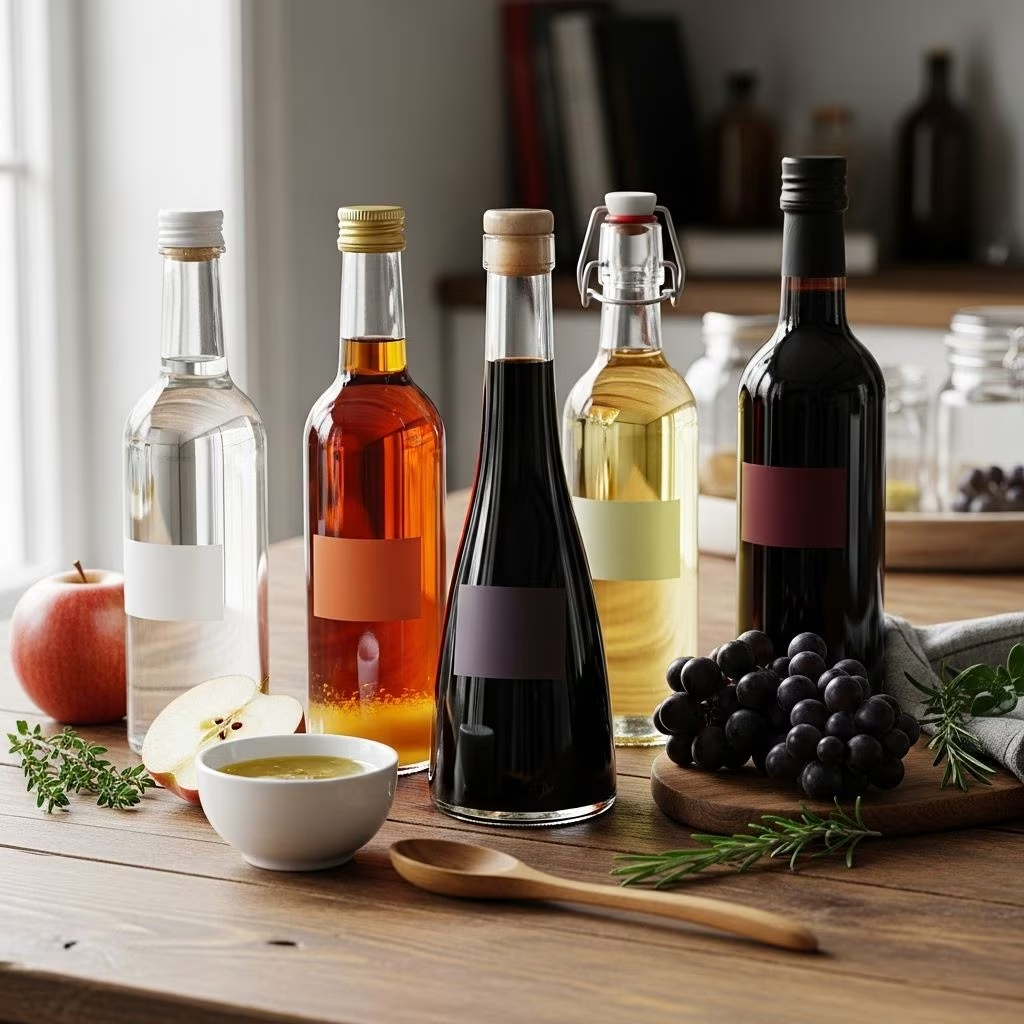
From salad dressings and marinades to natural cleaning solutions and ancient medicine, vinegar plays a unique and essential role across the globe. Its trademark tang, storied history, nutritional potential, and countless practical uses have earned it a permanent place in kitchens and homes everywhere. This comprehensive guide explores what vinegar really is—including its production, varieties, health benefits, uses in cooking and cleaning, and the fascinating chemistry behind its distinctive taste.
What Is Vinegar? The Basic Definition
Vinegar is a sour liquid produced through the fermentation of ethanol (alcohol) by Acetobacter bacteria into acetic acid—its key component. Though modern vinegar is made from many different base liquids (apples, grains, grapes, rice, and more), the finished product always contains a significant amount of acetic acid (generally 4–8% by volume), water, organic acids, esters, and flavor compounds that reflect its base ingredients .
- Main acid: Acetic acid
- Common uses: Cooking, preserving food, cleaning, and as a traditional folk remedy
- Name origin: The word “vinegar” comes from the French “vin aigre,” meaning “sour wine”
A Brief History of Vinegar
Vinegar’s story stretches back over 7,000 years, with the earliest records tracing its use to Babylon around 5000 B.C.E. Originally discovered when wine was left open and soured by spontaneous fermentation, vinegar has been a valued ingredient and preservative the world over .
- Used in ancient Babylon, Egypt, China, and Greece for cooking, medicine, and even as a strengthening drink for laborers
- Found in records as both a flavor enhancer and a food preserver
- Integral for pickling—an ancient method for extending the shelf life of perishable foods
How Is Vinegar Made? The Science of Fermentation
Vinegar production is a two-step fermentation process involving beneficial microbes:
- Alcoholic fermentation: Yeast microbes consume the sugars or starches present in plant-based liquids (fruit juice, malt solution, rice mash) and convert them into ethanol (alcohol) and carbon dioxide.
- Acetic acid fermentation: Acetobacter bacteria, in the presence of oxygen, oxidize the ethanol to acetic acid and water. Additional organic acids, esters, and volatile compounds are formed, contributing characteristic aromas and flavors .
The acetic acid gives vinegar its sharp, sour taste. The fermentation process can be quick (industrial tank methods) or slow (traditional cask aging or surface fermentation), profoundly influencing the flavor and complexity of the resulting vinegar.
Chemical Composition of Vinegar
- Acetic acid: 4%–8% (main sour component)
- Water: 92%–96%
- Trace elements: Vitamins, minerals, amino acids, polyphenols, esters, and organic acids (tartaric, malic, lactic, depending on the type )
Varieties of Vinegar: From Apple Cider to Balsamic and Beyond
Vinegar can be made from any fermentable source of sugar. Different starting ingredients yield distinct flavors, acidity levels, and culinary uses. Common types include:
| Vinegar Type | Base Ingredient | Typical Flavor Profile | Common Uses |
|---|---|---|---|
| Distilled White | Grain alcohol (corn, barley) | Very sharp, clean, almost flavorless besides acidity | Pickling, cleaning, general use |
| Apple Cider Vinegar | Fermented apple juice | Fruity, tangy, mildly sweet | Salad dressings, marinades, health tonics |
| Balsamic Vinegar | Cooked grape must | Sweet, complex, syrupy | Garnishes, salads, sauces, reduction |
| Red Wine Vinegar | Fermented red wine | Full-bodied, robust, slightly fruity | Vinaigrettes, deglazing, marinades |
| White Wine Vinegar | Fermented white wine | Bright, delicate, less acidic | Light dressings, sauces, pickling |
| Rice Vinegar | Fermented rice or rice wine | Mild, slightly sweet | Asian dishes, sushi rice, sauces |
| Malt Vinegar | Malted barley (beer) | Malty, mellow, brown color | Fish & chips, sauces, condiments |
| Sherry Vinegar | Sherry wine | Nutty, complex, slightly sweet | Spanish cuisine, vinaigrettes |
Other Vinegar Types and Specialty Varieties
- Champagne vinegar: Made from champagne grapes, very light and delicate—great for subtle dressings
- Black vinegar: Typically from fermented rice or sorghum, popular in Chinese cooking
- Cane vinegar: Produced from sugar cane juice, used in Filipino cuisine
- Beer vinegar: Created from fermented beer; robust and tangy
- Infused vinegars: Flavored with herbs, fruits, or spices (rosemary, basil, chili, garlic, etc.)
The flavor and aroma are profoundly influenced by the source ingredient, fermentation method (surface vs. submerged, speed), and in some cases, lengthy aging in wooden barrels (as in traditional balsamic).
Health Benefits of Vinegar
Vinegar has long been valued for its purported wellness effects. Modern science supports some benefits, while other claims remain less substantiated.
- Blood sugar management: Studies show vinegar may help lower blood glucose and insulin levels after meals, potentially beneficial for people with type 2 diabetes or insulin resistance .
- Appetite control: Some evidence suggests vinegar’s acidity may increase satiety and reduce overall calorie consumption.
- Antimicrobial properties: Vinegar’s acidity can inhibit the growth of foodborne pathogens and bacteria on surfaces, making it useful for both food preservation and cleaning.
- Antioxidants: Polyphenols in vinegars such as balsamic and wine vinegar provide antioxidant effects, which can help counteract oxidative stress in the body.
- Digestive support: Traditional use in some cultures as a digestive aid, though research is ongoing.
Note: While vinegar offers these potential benefits, it is not a cure-all and should be consumed in moderation. Excessive use can cause irritation to the digestive tract and teeth.
Culinary Uses of Vinegar Around the World
Vinegar’s culinary versatility makes it indispensable in countless cuisines. Its sharp flavor profile accentuates, balances, and preserves foods.
- Salad dressings and vinaigrettes: Essential for making balanced oil-and-acid-based dressings.
- Marinades: Tenderizes proteins, infuses flavor, and helps inhibit microorganisms.
- Pickling: The preferred acid for classic pickles, both quick and fermented, preserving vegetables, fruits, fish, and eggs.
- Sauces and condiments: Central in ketchup, mustard, hot sauce, barbecue sauce, chutneys, and more.
- Baking: Used to activate baking soda in recipes, providing leavening (e.g., in quickbreads and cakes).
- Glazes, reductions, and syrups: Especially balsamic, for plating and layering flavors.
- Rice seasoning: Rice vinegar is key for sushi rice and many Asian recipes.
- De-glazing pans: Red or white wine vinegar lifts caramelized bits and enhances flavor in pan sauces.
Regional Specialties
- Italy: Traditional balsamic vinegar, often enjoyed as a condiment over cheese, fruit, or even gelato.
- France: Red and white wine vinegars are crucial for classic French vinaigrettes and sauces.
- United Kingdom: Malt vinegar traditionally accompanies fish and chips.
- Japan and China: Rice vinegars are indispensable for sushi, dumplings, and dipping sauces.
- Philippines: Cane vinegar is a foundational flavor in adobo, dipping sauces, and more.
Non-Culinary Uses: Cleaning, Preserving, and More
Vinegar’s utility extends well beyond the kitchen. Its acidity and natural antimicrobial properties make it a versatile and eco-friendly household staple.
- Natural cleaning agent: Distilled white vinegar effectively cleans glass, countertops, tile, and stainless steel appliances by cutting grease and dissolving mineral deposits.
- Deodorizing: Neutralizes odors in rooms, on clothing, and in garbage disposals.
- Weed killer: Used as a non-toxic option for controlling weeds in gardens and patios.
- Laundry booster: Softens fabrics, removes odors, and helps break down stubborn stains when added to the wash.
- Pet care: Removes pet odors and cleans surfaces safely (distilled white vinegar is recommended for safety).
- Disinfecting: Kills many types of bacteria and some viruses on hard surfaces due to its low pH.
Note: Vinegar is not a replacement for hospital-grade disinfectants where sterilization is required.
Taste Profile: What Does Vinegar Really Taste Like?
Vinegar’s signature taste can be described as sharp, sour, and pungent, but its flavor profile varies widely based on type and production method :
- Distilled vinegar: Clean but intensely acidic with no flavor notes beyond sharpness
- Apple cider vinegar: Fruity tang with a mellow, slightly sweet edge
- Malt vinegar: Earthy, malty, and softer in acidity than distilled
- Wine vinegars: Rounder, more complex, with grape/fruity undertones
- Balsamic vinegar: Deep, syrupy, balancing bold sweetness with lingering acidity and unique woody or spicy aromas especially when aged
- Rice vinegar: Mild, subtle tang, sometimes even a touch of umami
The main component, acetic acid, stimulates the salivary glands, which many people find refreshing and appetite-stimulating. Additional organic acids (tartaric, malic, lactic) and aromatic esters present from the base ingredient add further complexity and make for the wide world of flavor in vinegars .
Safety, Storage, and Considerations
- Acidity: Vinegar is acidic (pH 2.0–3.0), so it should be consumed in moderation, especially by those with acid reflux or digestive sensitivities.
- Dental health: Undiluted vinegar can erode dental enamel; use in food or drinks and rinse mouth after consuming straight shots.
- Storage: Vinegar is naturally self-preserving due to acidity. Store in tightly sealed bottles, away from direct sunlight and heat to preserve flavor and color.
- Spoilage: Most vinegars will not spoil, but flavor can diminish or sediment can form over extended storage; this is harmless.
Frequently Asked Questions (FAQs)
Q: What is the main difference between apple cider, white, and balsamic vinegar?
A: Apple cider vinegar is made from fermented apples and is fruity and tangy; white vinegar is made from distilled alcohol and is very sharp and clean; balsamic vinegar is made from cooked grape must, aged (sometimes decades!), and is sweet, syrupy, and complex.
Q: Can vinegar be used as a health supplement?
A: Small amounts of vinegar, particularly apple cider vinegar, may support blood sugar control and digestion, but there is no conclusive evidence it is a cure-all. Overuse can be harmful; moderation is key .
Q: How long does vinegar last?
A: Most types of vinegar are virtually non-perishable due to their acidity. Unopened, they can last indefinitely; opened bottles are best used within 1–3 years for optimal flavor.
Q: Can vinegar really clean as well as commercial cleaning products?
A: Vinegar is an effective natural cleaner for many household tasks, though it does not disinfect as thoroughly as bleach or chemical antiseptics. It’s best for everyday cleaning and deodorizing.
Q: Are there any foods or materials vinegar should not be used on?
A: Avoid using vinegar on natural stone (marble, granite), cast iron, or certain finishes as its acidity can cause damage. Also, too much vinegar can overpower delicate flavors in food.
References
- https://ajeanneinthekitchen.com/2025/04/09/its-all-about-the-vinegar/
- https://www.britannica.com/topic/vinegar
- https://nutritionsource.hsph.harvard.edu/food-features/vinegar/
- https://www.americanscientist.org/article/the-chemistry-of-vinegar-varieties
- https://www.webstaurantstore.com/article/373/types-of-vinegar.html
- https://www.vegetariantimes.com/skills/vinegar-101-varieties-health-benefits-and-cooking-tricks/


