


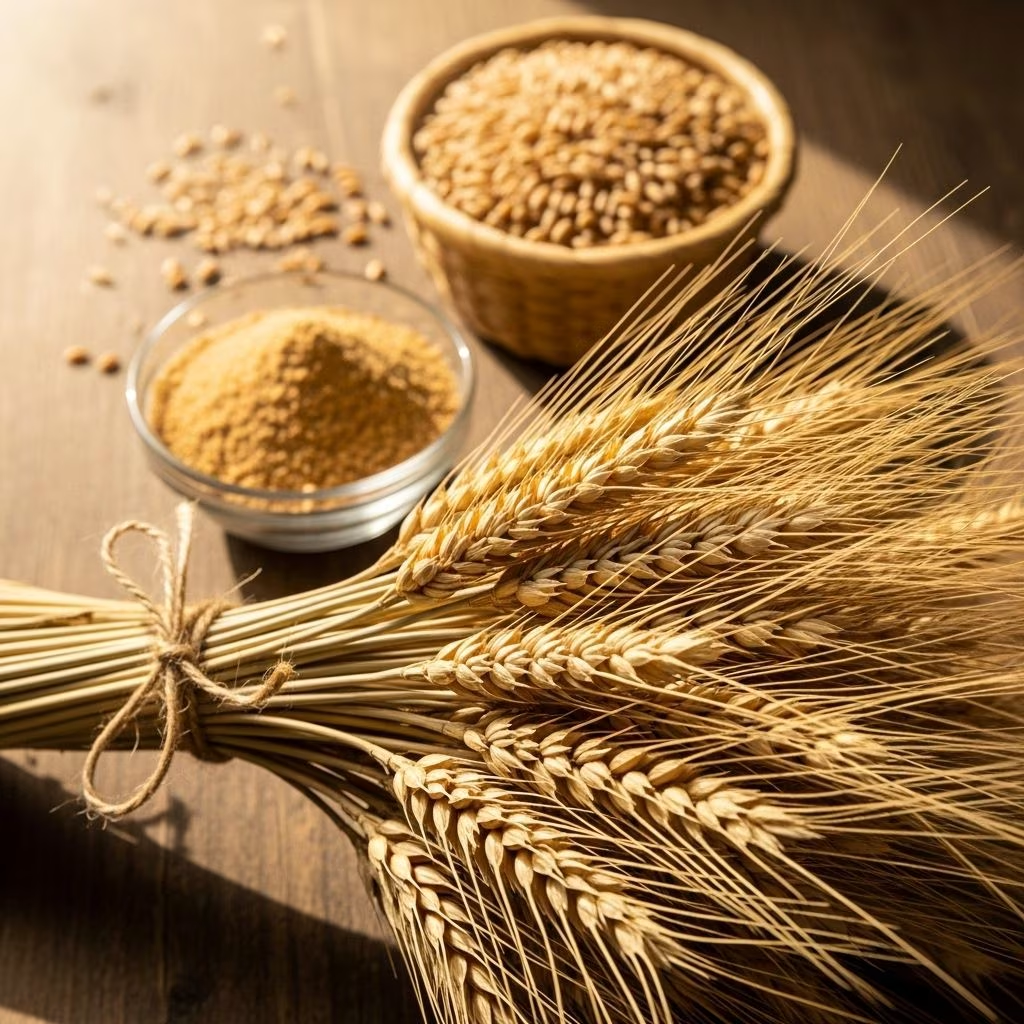
Introduction: Understanding Wheat
Wheat is one of the world’s most prominent and versatile cereal grains, forming the backbone of the human diet for millennia. Whether as a staple ingredient in bread, pasta, or breakfast cereals, wheat’s nutritional value and functional properties have rendered it indispensable. This article provides a thorough exploration of wheat: its origins, nutritional benefits, practical uses, and distinctive taste.
Origin and History of Wheat
The domestication of wheat dates back over 10,000 years in the Fertile Crescent region of the Middle East. As civilizations flourished, wheat rapidly disseminated across Europe, Asia, and Africa, eventually becoming a dietary cornerstone worldwide. Its adaptability and productivity have made it crucial for both subsistence and industrial-scale agriculture.
Today, wheat is cultivated in temperate regions, with hundreds of varieties tailored for baking, pasta-making, and specialty foods.
Types and Forms of Wheat
Wheat exists in numerous varieties and forms, each with distinct culinary and nutritional properties. The main types include:
- Common/Bread Wheat (Triticum aestivum): The most widely grown species, used for bread, pastries, and many processed foods.
- Durum Wheat (Triticum durum): Primarily used in pasta and semolina products due to its high protein and gluten content.
- Emmer, Spelt, and Einkorn: Ancient varieties with unique flavors and nutritional profiles, increasingly popular with health-conscious consumers.
Wheat grain can also be processed into various forms:
- Whole Wheat: Contains the bran, germ, and endosperm; maximizes fiber, vitamins, and minerals.
- Refined White Wheat: Bran and germ removed, leaving primarily starchy endosperm; reduced nutrition but softer texture.
- Cracked Wheat, Bulgur, Wheat Berries: Minimally processed forms often used in salads and pilafs.
- Wheat Flour: The most common product, available whole or refined.
Nutritional Value of Wheat
Wheat is valued for its impressive nutritional profile, especially when consumed in whole grain form.
- Carbohydrates: Wheat is a rich source of complex carbohydrates, providing sustained energy for bodily functions.
- Proteins: Contains about 14g of protein per 100g, essential for cellular growth and repair.
- Dietary Fiber: Whole wheat is abundant in fiber, particularly insoluble types, aiding digestion and satiety.
- Vitamins: Notably high in B vitamins (B1, B2, B3, B6, folic acid) that support energy metabolism and nerve function.
- Minerals: Includes magnesium, iron, zinc, phosphorus, potassium, calcium, and copper that maintain bone, immune, and metabolic health.
- Fat Content: Low in total fat, with healthy unsaturated fatty acids predominating.
- Calories: Approximately 339 calories per 100g serving.
Here’s a table summarizing the nutritional facts per 100 grams of whole wheat:
| Nutrient | Amount per 100g |
|---|---|
| Calories | 339 kcal |
| Protein | 14 g |
| Total Carbohydrates | 71 g |
| Dietary Fiber | ~12 g |
| Total Fat | 2.5 g |
| Sodium | 2 mg |
| Potassium | 431 mg |
| Iron | 19% RDA |
| Magnesium | 36% RDA |
| Vitamin B-6 | 20% RDA |
Health Benefits of Wheat
Wheat, especially in its whole form, provides substantial health benefits. The most notable advantages include:
- Supports Weight Management: Dietary fiber and slow-digesting carbohydrates contribute to satiety, helping control hunger and calorie intake, which is particularly effective for managing obesity, especially in women.
- Improves Metabolism: B vitamins in wheat are essential for converting food to energy, optimizing metabolic processes, and maintaining healthy cholesterol levels.
- Stabilizes Blood Sugar: Whole wheat has a low glycemic index, gradually releasing glucose into the bloodstream, reducing diabetes risk and helping manage existing cases.
- Promotes Digestive Health: High fiber content regulates bowel movements, prevents constipation, and supports gut microbiota.
- Contributes to Heart Health: The soluble fiber in whole wheat helps lower cholesterol and blood pressure, reducing the risk of coronary heart disease and stroke.
- Strengthens the Immune System: Essential minerals like zinc and antioxidants protect against diseases and cellular damage.
- Supports Bone Health: Magnesium and phosphorus in wheat contribute to bone density and overall skeletal strength.
- Reduces Inflammation: Whole wheat’s phytonutrients and antioxidants combat chronic inflammation, which is linked to multiple diseases.
- Prevents Certain Cancers: Regular whole wheat consumption is associated with lower risk of breast cancer and supports gastrointestinal health.
Other documented benefits include prevention of gallstones, childhood asthma, postmenopausal symptom relief, and protection against heart attacks.
Uses of Wheat in Everyday Life
Wheat’s culinary versatility is nearly unrivaled; it is an integral ingredient in countless foods enjoyed across the globe. Popular uses include:
- Breads: Wheat flour provides structure and elasticity for crusty breads, soft buns, and flatbreads.
- Pasta: Durum wheat is preferred for making spaghetti, macaroni, and lasagna.
- Breakfast Cereals: Wheat flakes, puffs, and shredded wheat are common in morning meals.
- Pastries and Cakes: Refined wheat flour’s fine texture is perfect for light, airy baked goods.
- Crackers and Snacks: Wheat is used for a range of crackers, biscuits, and snack foods.
- Non-Food Uses: Wheat starch is used industrially in adhesives, paper processing, and biodegradable packaging.
Whole wheat, wheat berries, bulgur, and couscous offer alternative textures and flavors, popular in salads and side dishes. Additionally, wheat by-products enrich animal feed and contribute to biofuels.
Taste and Sensory Profile of Wheat
The taste and mouthfeel of wheat vary according to its variety and level of processing. Whole wheat breads possess a hearty, nutty, and earthy flavor, often described as robust and slightly sweet. In contrast, refined wheat flour yields milder-tasting products with subtle sweetness and a softer, more delicate texture.
The bran and germ impart not only nutrition but also complexity—adding depth to the flavor profile and a grainier mouthfeel. Wheat pasta and noodles present a slightly chewy, satisfying texture, while wheat berries offer a distinctive, almost crunchy bite.
The aroma of wheat products—fresh bread, for instance—is famed for its comforting, warm, and slightly toasted character.
| Wheat Form | Taste Profile | Texture |
|---|---|---|
| Whole Wheat Bread | Nutty, robust, earthy | Hearty, dense |
| Refined Wheat Bread | Mild, slightly sweet | Soft, airy |
| Pasta | Subtle, savory | Chewy, smooth |
| Wheat Berries | Grainy, mildly sweet | Crunchy, chewy |
Potential Side Effects and Allergies
While wheat is generally considered safe for most populations, certain individuals should take precautions:
- Gluten Sensitivity and Celiac Disease: Wheat contains gluten, a protein that can trigger immune reactions in sensitive individuals, leading to digestive disturbances, nutrient malabsorption, and additional health concerns.
- Wheat Allergy: Rare, but possible. Symptoms can range from mild (hives, nasal congestion) to severe (anaphylaxis).
- Excess Calories: Overconsumption of wheat-based processed foods may contribute to weight gain and metabolic syndrome.
- Antinutrients: Wheat bran contains phytates, which may reduce absorption of certain minerals if consumed excessively.
For the majority, consuming whole wheat contributes positively to health, but individuals with gluten intolerance or wheat allergy should avoid or limit intake.
Frequently Asked Questions (FAQs)
Q: What’s the difference between whole wheat and white wheat?
A: Whole wheat retains all parts of the grain—the bran, germ, and endosperm—providing more fiber and micronutrients. White wheat is refined, primarily consisting of the starchy endosperm, which results in lower nutritional value but a softer texture.
Q: Can wheat help with weight loss?
A: Yes, the fiber in whole wheat promotes satiety and helps reduce overall calorie intake, aiding weight control especially when replacing refined grains.
Q: Is wheat safe for people with diabetes?
A: Whole wheat’s low glycemic index stabilizes blood sugar and is suitable for people with diabetes when consumed in moderation.
Q: Why do some people avoid wheat?
A: Mainly due to gluten intolerance, celiac disease, or wheat allergy. Symptoms may include digestive upset, fatigue, or immune reactions.
Q: What’s the main nutritional benefit of switching to whole wheat?
A: Improved fiber intake, better heart and digestive health, stabilized metabolism, and enhanced micronutrient consumption.
Summary
Wheat stands as one of humanity’s most critical and nutrient-rich grains. Its health benefits, ranging from metabolic support to chronic disease prevention, justify its central role in global cuisines. Consuming whole wheat products over refined alternatives is recommended for optimal health, thanks to their robust nutritional profile and positive impact on digestion, heart, and bone health.
Whether you savor the nutty flavor of whole wheat bread or enjoy the comfort of pasta, wheat delivers pleasure and sustenance in equal measure. Being mindful of potential allergies and opting for minimally processed forms allows individuals to maximize wheat’s benefits.
References
- https://www.lybrate.com/topic/wheat-benefits
- https://ozmenun.com/en/news/health-benefits-of-whole-wheat-flour
- https://www.webmd.com/diet/health-benefits-of-wheat
- https://www.healthline.com/nutrition/foods/wheat
- https://wholegrainscouncil.org/whole-grains-101/whole-grains-101-orphan-pages-found/health-benefits-wheat
- https://www.mayoclinic.org/healthy-lifestyle/nutrition-and-healthy-eating/in-depth/whole-grains/art-20047826
- https://nutritionsource.hsph.harvard.edu/what-should-you-eat/whole-grains/
- https://pmc.ncbi.nlm.nih.gov/articles/PMC5310957/
- https://www.healthline.com/nutrition/9-benefits-of-whole-grains


