


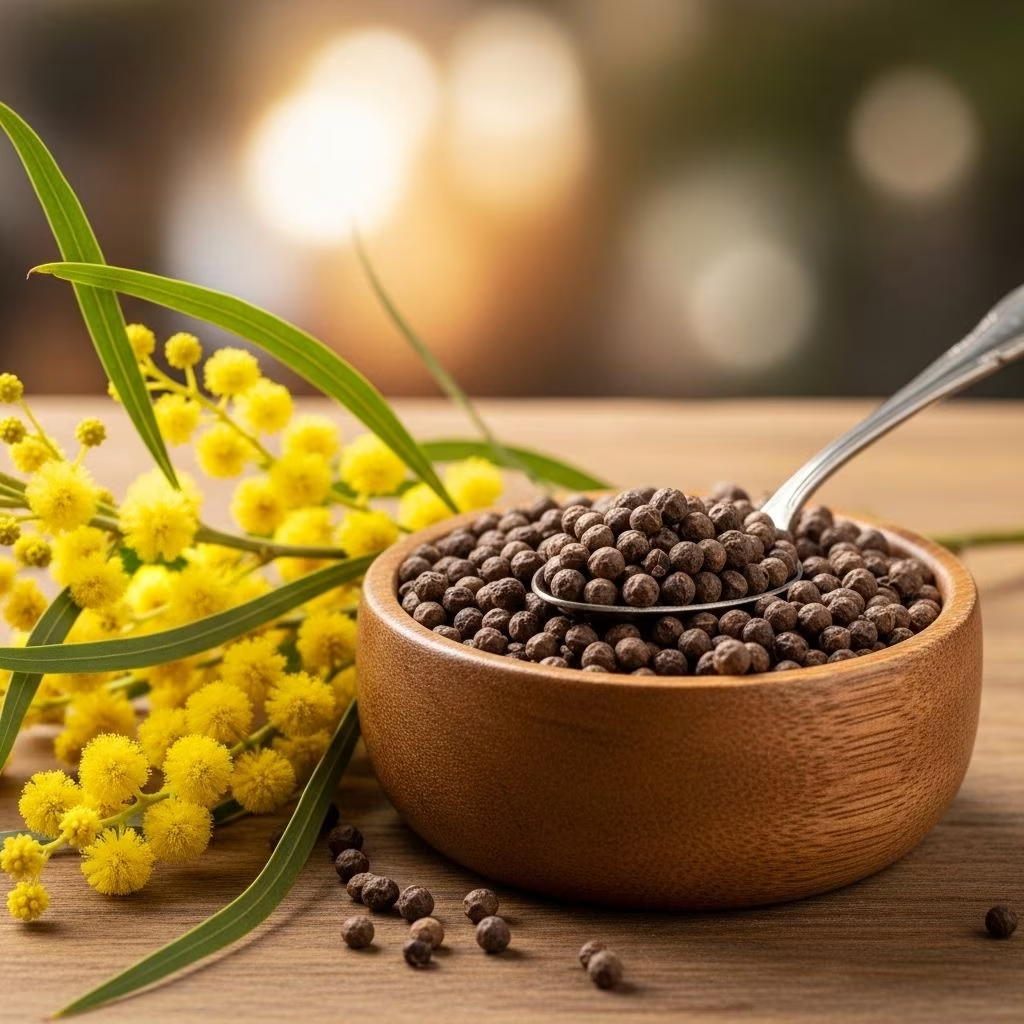
Wattleseed is a highly nutritious seed harvested from various Acacia species, treasured for millennia by Indigenous Australians and increasingly sought after worldwide for its health benefits, culinary versatility, and unique flavor profile. In this comprehensive guide, discover what makes wattleseed an ancient superfood, its nutritional powerhouse status, traditional and contemporary uses, how it tastes, and why it’s gaining attention in health-conscious circles and gourmet kitchens alike.
Origins and History of Wattleseed
Wattleseed refers to the edible seeds from plants in the genus Acacia, commonly known as wattles. There are over 1,350 Acacia species worldwide, with more than 1,000 native to Australia, making wattles Australia’s most abundant group of trees and shrubs.
Indigenous Australians have used over 100 species of wattles for food across diverse climates for thousands of years. Seeds were wild-harvested, steamed, eaten as-is, or ground into flour for cooking breads and cakes. Wattleseed served not only as a crucial food source but also played central roles in culture, medicine, and daily life, noted for its ability to thrive in arid environments and provide reliable nourishment.
- Traditionally, wattleseed was a staple for their protein, long shelf-life, and utility in difficult growing conditions.
- The knowledge and use of wattleseed spread beyond Australia, with some species introduced to African regions for food security.
Nutritional Profile of Wattleseed
Wattleseed is widely recognized as a nutrient-dense food, rivaling and sometimes surpassing many common legumes in nutritional composition. There are some variations between Acacia species, but commonalities exist:
| Nutrient | Concentration (Typical Range) | Benefits |
|---|---|---|
| Protein | 18–35% | Supports growth, muscle repair, and satiety. High essential amino acids. |
| Dietary Fiber | 33–41% | Promotes gut health, aids digestion, supports blood sugar management. |
| Fat (including essential fatty acids) | Up to 19% | Mainly unsaturated fats such as oleic acid, supporting cardiovascular wellbeing. |
| Carbohydrates | Low GI | Slow energy release, suitable for sustained energy and glycemic control. |
| Vitamins & Minerals | Rich source: potassium, calcium, magnesium, iron, zinc | Essential for blood, nerve, and bone health; immune support. |
| Sugars | Mainly pentose (xylose, arabinose), glucose, galactose | Low in simple sugars; contributes to flavor and GI properties. |
One of the most remarkable qualities is the amino acid profile, comparable to soybean, containing key essentials such as lysine, arginine, histidine, leucine, and isoleucine. The high arginine content is particularly noted for its potential cardiovascular benefits.
Micronutrient Highlights
- Potassium (up to 10 g/kg in Acacia coriacea)
- Iron (up to 43 mg/kg)
- Calcium, magnesium, and zinc at meaningful concentrations for wellness and dietary support
Wattleseed is therefore increasingly seen as a true “functional food” in both ancestral and modern diets.
Health Benefits of Wattleseed
- High Protein for Sustained Energy: A significant source of plant protein, supporting muscle maintenance, energy, and overall nutrition.
- Excellent Source of Dietary Fiber: Promotes digestive regularity and feeds beneficial gut bacteria, potentially improving gut health.
- Low Glycemic Index: Carbohydrates in wattleseed are slowly digested, making it ideal for sustained energy, weight management, and for individuals with blood sugar concerns such as diabetes.
- Rich in Essential Minerals: Iron (for blood health), potassium, magnesium, zinc, and calcium contribute to energy, nerve function, muscle contraction, immunity, and bone strength.
- Antioxidant Properties: Some studies and traditional uses suggest antioxidant effects, helping to combat oxidative stress and inflammation.
- Amino Acid Profile Comparable to Soybean: Helps build a complete protein when combined with cereals—valuable in plant-based diets.
- Lactose and Gluten-Free: Naturally suitable for individuals with dairy or gluten intolerances.
Traditional and Modern Uses
Indigenous Australian Usage
For thousands of years, wattleseed provided Indigenous Australians with a sustainable, long-lasting source of nutrients in dry, harsh conditions. Common practices included:
- Collecting seeds from ripe Acacia pods
- Steaming, roasting, or simply eating the seeds whole
- Grinding dried seeds to make flour, then baking into a type of flatbread
Beyond food, wattles (Acacia) were also used for shelters, tools, medicine, and supporting local ecosystems.
Modern Innovations
- Wattleseed flour is now added to bread, muffins, pancakes, cereals, and health bars.
- Ground wattleseed is used in desserts such as ice cream, custard, and mousse for its coffee-chocolate-nut flavors.
- Breweries incorporate wattleseed in craft beers and spirits for unique flavor infusions.
- It is increasingly featured in gourmet and native Australian cuisine, used by chefs for its depth of flavor and nutrition.
Flavor, Aroma, and Taste
The sensory properties of wattleseed are particularly intriguing, varying by species and preparation. Its taste and aroma can be described as:
- A blend of coffee, chocolate, roasted nuts, with undertones of savory and herbaceous notes
- Slightly earthy, sometimes spicy, occasionally grassy or reminiscent of roasted grains
- Some varieties deliver subtle hints of caramel, cinnamon, popcorn, or even savory flavors like mushroom and onion.
This complexity is captured in a sensory analysis table from a recent study:
| Acacia Species | Primary Aroma/Flavor Notes | Aftertaste |
|---|---|---|
| A. retinodes | Mushroom, coffee, chocolate, roasted nuts | Grassy, smoky, savory |
| A. cowleana | Spicy, popcorn, burnt toast, roasted jam | Bitter, peppery, lingering |
| A. coriacea | Savoury, sweet, chocolate, tropical fruit | Spinach, mild, not lingering |
| A. sophorae | Yeasty (vegemite), roasted onion, meaty | Mild, grassy, bitter, savory |
This makes wattleseed an exceptional ingredient for baristas, bakers, and chefs looking to infuse their creations with a unique, refined, and distinctly Australian flavor.
How to Use Wattleseed in Cooking
Wattleseed’s culinary uses have expanded rapidly as more people appreciate its distinctive flavor and nutrition. Popular forms include whole seeds, roasted and ground wattleseed powder, and wattleseed flour. Here’s how you can enjoy it at home or in professional kitchens:
- Add to baked goods: Stir ground wattleseed into bread, muffins, cakes, biscotti, or cookies for depth and subtle sweetness.
- Enhance beverages: Brew wattleseed like coffee (caffeine-free), or add to hot chocolate, smoothies, or specialty lattes.
- Thicken and flavor desserts: Infuse cream, custard, ice cream, or mousse with wattleseed for nutty, roasted undertones.
- Use in savory dishes: Incorporate into spice blends for meats, sprinkle into grain bowls or roasted veggies, or use as a coating for seafood.
- Enrich breakfast: Add to porridge, granola, yogurt, or pancakes for extra protein and flavor.
It can be used as a partial substitute for, or in addition to, cocoa, coffee, or grains, providing a novel taste and nutritional boost.
Buying and Storing Wattleseed
Wattleseed—primarily from Australian Acacia species—is increasingly available online and in specialty health food or gourmet stores. Look for:
- Whole Seeds: For grinding fresh at home; store in a cool, dry place.
- Roasted Ground Wattleseed: Ready-to-use powder ideal for baking and infusions; keep sealed and refrigerate after opening for freshness.
- Wattleseed Flour: Used as part of gluten-free and high-fiber flour blends for baking.
Given its low moisture and resistance to spoilage, properly stored wattleseed can last many months.
Potential Side Effects and Considerations
Wattleseed is generally considered safe and well-tolerated. However:
- Only certain Acacia species are edible. Do not consume wild wattleseed unless properly identified to avoid toxicity.
- Some sources recommend moderation for individuals with legume allergies, as Acacias are botanically related.
- As with introducing any new food, start with small amounts when trying wattleseed for the first time.
If you have special dietary requirements or allergies, consult a qualified health practitioner before adding wattleseed to your diet.
Frequently Asked Questions (FAQs)
Q: Is wattleseed gluten-free?
Yes, wattleseed is naturally gluten-free and often used in gluten-free baking mixes and recipes.
Q: Can wattleseed be used as a coffee substitute?
When roasted and ground, wattleseed produces a rich, earthy, coffee-like beverage that is naturally caffeine-free, making it a popular alternative for those avoiding caffeine.
Q: Is wattleseed suitable for vegans and vegetarians?
Absolutely. Wattleseed is a plant-based, high-protein food ideal for vegan and vegetarian diets, adding both nutrition and flavor variety.
Q: Does wattleseed have any environmental benefits?
Yes. Acacia species thrive in poor soils and arid zones, require little irrigation, and often improve local soil health, making them an environmentally sustainable crop.
Q: How does wattleseed taste compared to other seeds or grains?
Its flavor is most often compared to a blend of coffee, cocoa, roasted hazelnuts, and spices—a richer, deeper, and more complex taste than most grains or legumes.
Final Thoughts
Wattleseed embodies the intersection of ancient tradition and modern nutrition—offering a potent combination of high protein, fiber, minerals, and a unique multi-faceted flavor. As interest in native foods and sustainable agriculture grows, wattleseed’s many health benefits and culinary applications are bringing new attention to this time-honored ingredient, both in everyday kitchens and gourmet gastronomy. If you’re seeking a delicious, wholesome, and distinctly Australian addition to your pantry, wattleseed offers an extraordinary experience in both taste and nutrition.
References
- https://pmc.ncbi.nlm.nih.gov/articles/PMC6836056/
- https://tuckerbush.com.au/meet-the-wattleseed/
- https://uniquelyaustralianfoods.org/wp-content/uploads/2022/10/Wattleseed_article_Food_Australia_Oct-Dec_2022.pdf
- https://byronbaylabs.com.au/our-ingredients/about-wattleseed/
- https://natif.com.au/blogs/news/wattleseed-species-information
- https://www.sbs.com.au/food/article/high-protein-wattleseed-is-nuttily-delicious-and-good-for-you-too/s2tqz9ic2
- https://www.diegobonetto.com/blog/wattles-the-incredible-native
- https://www.dining-downunder.com/so-what-the-bloody-hell-is-wattleseed/


