


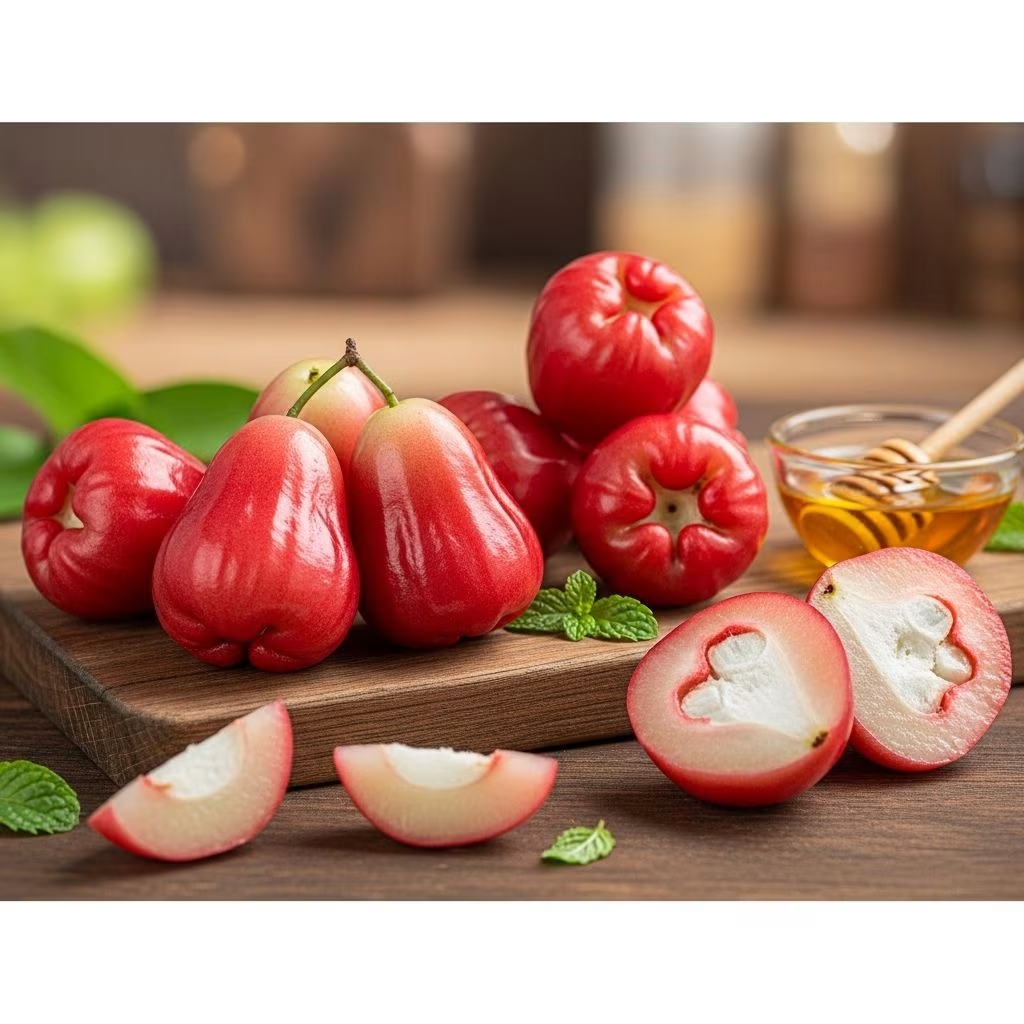
The wax apple, with its gleaming skin and crisp, juicy flesh, is a hidden gem among tropical fruits. Known botanically as Syzygium samarangense, this fruit goes by many names around the world—wax jambu, bell fruit, Java apple, and rose apple. Prized not only for its refreshingly subtle flavor but also its potential health perks, the wax apple has captured the interest of nutrition enthusiasts and gourmets alike. This comprehensive guide explores everything you need to know about wax apple: from its origins and nutritional content to its culinary uses, health benefits, and sensory experience.
Introduction to Wax Apple
Wax apple is a tropical to subtropical fruit native to Southeast Asia, with a long cultivation history in regions like Malaysia, Indonesia, Taiwan, Sri Lanka, and southern India. It belongs to the Myrtaceae (myrtle) family, closely related to other edible Syzygium species. The moniker “wax apple” arises from its waxy, glossy skin, which ranges in hue from pale green and creamy white to deep ruby red and dark purple depending on the cultivar .
The fruit is noted for its unique shape—resembling a swollen bell pepper or an elongated pear, with a flared base and narrow stem end. Its crisp, airy flesh and thirst-quenching juiciness make it a refreshing treat, especially in hot climates. In addition to being eaten out of hand, wax apples are valued for their nutritional benefits and versatility in food preparation .
Origin, Distribution, and Botanical Insights
Wax apple trees (Syzygium samarangense) are medium-sized, free-branching evergreens growing up to 16 to 50 feet (5–15 meters) tall. The species flourishes in tropical and sub-tropical climates, especially in Southeast Asia and Asia-Pacific regions .
- Botanical features: Large, glossy leaves; bell-shaped, waxy-looking fruits; flaking pinkish-gray bark; pink-to-white flowers that often appear in clusters along trunk and branches.
- Distribution: Native to the Greater Sunda Islands, widely cultivated across Southeast Asia, Taiwan, India, Sri Lanka, and southern China; grown on a smaller scale in Florida and the Caribbean.
- Plant hardiness and soil: Thrives in moist, fertile soils with good drainage at temperatures between 25–30 °C for growth and 15–25 °C for fruiting .
Key Varieties and Unique Cultivars
Wax apple boasts a wide array of cultivars, each with distinct skin colors, sizes, and flavors. Varietal differentiation is often based on color, sweetness, and geographical origin.
Appearance, Texture, and Taste Profile
Wax apple’s appeal begins with its striking appearance:
- Shape: Bell-like, pear-shaped; broad at base, narrow at stem.
- Skin: Thin, waxy, glossy, can be red, pink, green, purple, or white. The presence of faint ridges that run from top to base is a key identifier .
- Flesh: Translucent white or blush-pink, crisp and spongy, with an airy texture and high water content close to that of watermelon .
- Seed: Many cultivars are seedless, but some may contain 1–2 small brown seeds.
The taste of wax apple is best described as:
- Mildly sweet and refreshing, with subtle floral and rosewater notes—occasionally accompanied by a faint tartness, reminiscent of a tender Asian pear or watermelon.
- Aroma: Light, rose-like fragrance—distinct especially in Thai varieties .
- Texture: Crisp, crunchy, and juicy near the skin; slightly spongy toward the central core. The flesh’s high water content makes the fruit immensely thirst-quenching .
- Flavor variations: Some cultivars (like Brown Sugar Barbie) offer a mildly sweet, slightly sour, refreshing flavor, with the base being the sweetest part .
Nutritional Profile of Wax Apple
Wax apple is not only delicious but also offers a range of nutrients that contribute to its health value. This fruit is:
- Low in calories—making it suitable for calorie-conscious diets.
- High in water—over 90% water content, excellent for hydration .
- Rich in dietary fiber, especially pectin, which promotes digestive health.
- Source of vitamin C, providing immune support and antioxidant benefits.
- Contains traces of: vitamin A, calcium, iron, magnesium, potassium, and flavonoids.
Typical nutritional values per 100g of wax apple:
- Calories: 25–40 kcal
- Water: 90–93%
- Carbohydrates: 5–9 g
- Fiber: ~1 g
- Vitamin C: 10–25 mg
- Potassium: 120–150 mg
Health Benefits of Wax Apple
Incorporating wax apple in the diet may offer several health advantages owing to its unique composition:
- Hydration and electrolyte balance: High water and potassium content support rehydration—ideal for hot weather .
- Digestive health: Fiber and pectin help regulate bowel movements and may reduce the risk of constipation.
- Immune system support: Antioxidants, primarily vitamin C and phytochemicals, strengthen immune defense and may help combat oxidative stress.
- Blood sugar management: Low-calorie, high-fiber, and low-sugar fruit may fit well in balanced diets for blood sugar regulation; some preliminary research also suggests possible antidiabetic effects through bioactive compounds (though more clinical evidence is needed) .
- Weight management: Low energy density and high fiber promote fullness and can reduce overall calorie intake.
- Cardiovascular health: Potassium and antioxidants may help lower blood pressure and reduce risk of vascular disease.
Potential Phytochemical Benefits
- Polyphenols and flavonoids: Present in the skin and flesh; may provide anti-inflammatory and antioxidant effects .
- Ellagic acid, catechins, and tannins: May play a role in reducing oxidative stress and neutralizing free radicals.
Note: While preliminary studies hint at positive effects, more human clinical studies are needed to fully establish the specific medicinal benefits of wax apple.
Culinary and Practical Uses
Wax apples are prized in tropical cuisines for their refreshing flavor and versatility. Common uses include:
- Fresh eating: Consumed raw, uncut, and sometimes slightly chilled for a crisp, juicy snack. The core is typically removed to preserve the fruit’s bell-shaped look .
- Salads: Sliced or chopped wax apple adds crunch and moisture to green salads, fruit salads, and slaws.
- Chutneys and relishes: Its moisture and mild sweetness complement spicy or tangy ingredients.
- Cooking: In some traditions, wax apple is gently poached, candied, or stewed with sugar and spices for dessert.
- Juices and beverages: Blended to make refreshing drinks, smoothies, and cocktails.
- Pickling: Chopped or whole wax apples pickled in brine or spice blends—a popular treat in some Southeast Asian cuisines.
Creative Culinary Pairings
- Pair with pineapple, cucumber, lime, and mint in summer salads
- Serve alongside cheese and cured meats as a palate cleanser
- Incorporate into Thai or Indian fruit chaats with spices and citrus
Selection, Storage, and Handling Tips
To enjoy wax apples at their best:
- Appearance: Choose fruits with glossy, spotless, powderless skin. The base should be deep-colored and wide, and the calyx broad .
- Firmness: Fruit should feel heavy for its size and slightly firm when pressed.
- Avoid: Wrinkled, soft, or blemished skin, which can indicate overripeness or spoilage.
- Storage: Wax apples are delicate and highly perishable. Store unwashed in the refrigerator up to 3–5 days. Bring to room temperature before eating for best flavor.
- Handling: Handle gently, as the thin skin is easily damaged. Wash just before eating.
Growing Wax Apple: Climate and Care
If you are interested in growing wax apples, here are key tips:
- Climate: Wax apple trees prefer tropical or subtropical climates. They grow best in regions with long, warm, humid seasons and do not tolerate frost .
- Soil: Thrive in well-drained, fertile soils with neutral to slightly acidic pH (5.5–7.0).
- Propagation: Mostly through seeds or air-layering for true-to-type plants. Grafting and budding are also used in commercial orchards .
- Watering: Maintain consistently moist soil, especially during fruit development.
- Harvesting: Pick by hand when skin color indicates ripening and calyx at the base flattens or bends down. Fruits do not ripen once picked, so harvest at peak maturity .
Frequently Asked Questions (FAQs)
Q: Is wax apple the same as rose apple?
A: No. While closely related and sometimes confused, wax apple (Syzygium samarangense) is distinct from the rose apple (Syzygium jambos). Both share similar flavor notes but differ in appearance and origin.
Q: Can you eat the seeds of wax apple?
A: Generally, wax apples are eaten without seeds. Most commercial varieties are seedless or have small, undeveloped seeds not typically consumed.
Q: Is wax apple good for people with diabetes?
A: Wax apple is low in sugar and high in fiber, which may help with blood sugar regulation. However, anyone with specific dietary restrictions should consult a healthcare provider before making major dietary changes.
Q: What are the seasonal availabilities for wax apple?
A: Availability varies by region—spring harvest in Sri Lanka, summer season in Java and Thailand, and varying seasons in Taiwan and India .
Q: How should wax apples be eaten or served?
A: The simplest way is to wash, core, and eat whole or sliced, enjoying their crisp, juicy flesh. They are also excellent in salads, savory dishes, and fruit cocktails.
Conclusion
Wax apple is a dynamic fruit that combines exotic allure with practical health and culinary value. Its low-calorie, hydrating properties, outstanding crispness, and gentle sweetness make it a sought-after treat in tropical regions and a curiosity for adventurous eaters everywhere. As research into its potential health benefits continues, the wax apple promises to gain
References
- https://www.growables.org/information/TropicalFruit/waxjambu.htm
- https://specialtyproduce.com/produce/Thai_Wax_Apple_7608.php
- https://specialtyproduce.com/produce/Brown_Sugar_Barbie_Wax_Apples_24969.php
- https://pmc.ncbi.nlm.nih.gov/articles/PMC10980702/
- https://school.eatsmart.gov.hk/en/content_joyful.aspx?id=6459
- https://agriculture.gov.vc/agriculture/images/stories/PDF_Documents/Wax-Apple.pdf
- https://pmc.ncbi.nlm.nih.gov/articles/PMC9618390/


