


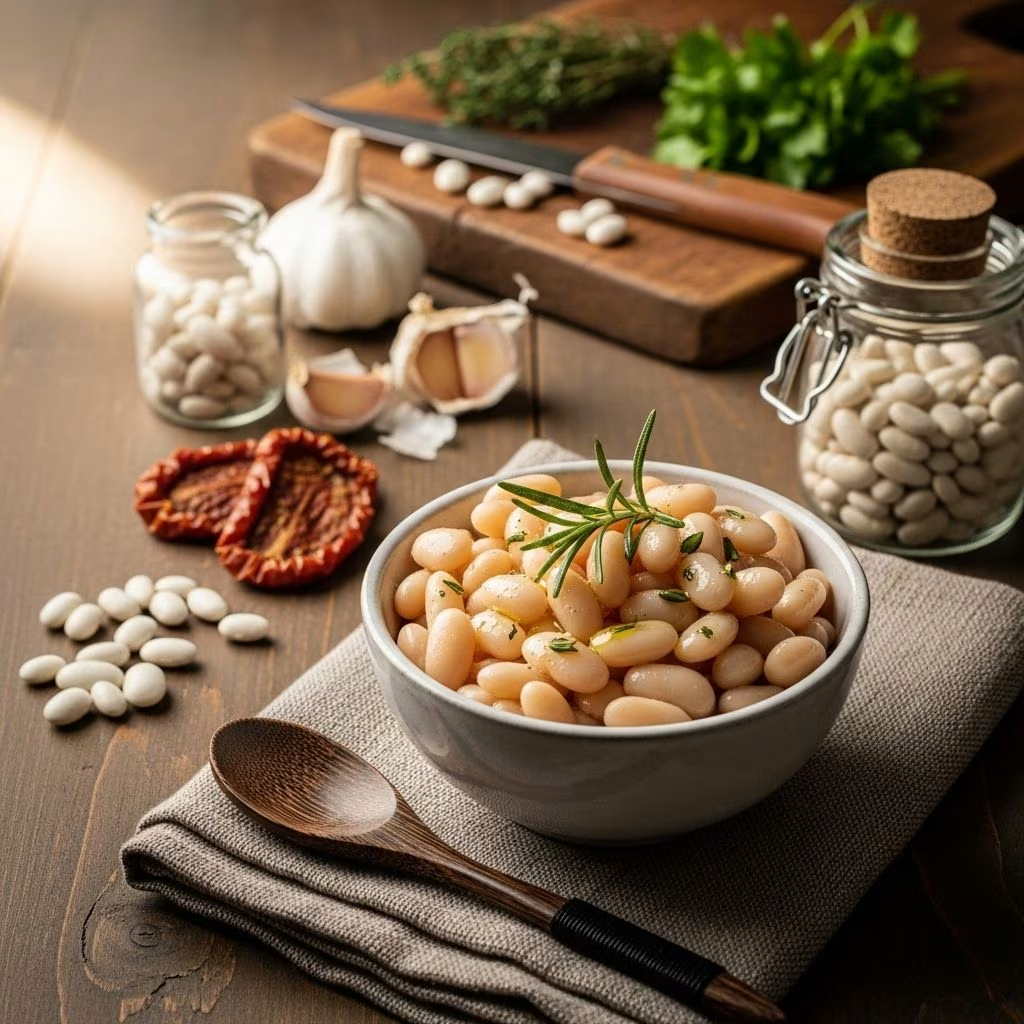
White beans are among the most celebrated and versatile legumes in global cuisine. Prized for their mild flavor, creamy texture, and impressive nutritional content, white beans are a staple ingredient for both traditional and modern recipes alike. This article provides a comprehensive exploration of white beans — detailing what they are, their health benefits, culinary uses, varieties, nutritional profile, and taste — equipping you with everything you need to appreciate and incorporate them into your diet.
What Are White Beans?
White beans refer to a group of closely related legume varieties sharing a pale hue, creamy texture, and a mild, slightly nutty flavor. The most common white beans include Cannellini, Great Northern, Navy, and Baby Lima beans. Originating predominantly from the Americas, these beans have found their way into European, Middle Eastern, and Asian cuisines.
White beans are valued not only for their taste but also for their ability to absorb the flavors of surrounding ingredients, making them versatile for savory and even sweet preparations.
Types of White Beans
There are several distinct varieties of white beans, each with subtle textural and size differences. The most commonly encountered types include:
- Cannellini Beans: Often called “white kidney beans,” they are large, oval, and have a slightly nutty flavor. Popular in Italian cuisine, especially in soups and salads.
- Great Northern Beans: Medium-sized, with a mild, delicate flavor and smooth texture. Common in American dishes and well-suited for stews and casseroles.
- Navy Beans: Smaller and rounder, known for holding their shape during cooking. Core ingredient in baked beans and soups.
- Baby Lima Beans (Butter Beans): Flat and creamy, these beans have a buttery texture and are often used in casseroles and succotash.
| Bean Variety | Appearance | Typical Uses |
|---|---|---|
| Cannellini | Large, kidney-shaped | Salads, Italian soups, stews |
| Great Northern | Medium, oval | Chilis, casseroles, soups |
| Navy | Small, oval | Baked beans, purees, soups |
| Baby Lima | Small, flat, tender | Succotash, casseroles |
Nutritional Profile of White Beans
White beans are a nutrient-dense food, providing an excellent source of plant-based protein, complex carbohydrates, and dietary fiber, while being low in fat. Their micronutrient and mineral content is notably high, particularly in iron, magnesium, potassium, and folate.
Key Nutritional Facts (Cooked, per 1-cup/170g serving)
- Calories: 242
- Protein: 17 grams
- Fat: 0.6 grams
- Carbohydrates: 44 grams
- Fiber: 11 grams
- Copper: 55% Daily Value (DV)
- Folate: 36% DV
- Iron: 36% DV
- Potassium: 21% DV
- Magnesium: 26% DV
- Phosphorus: 28% DV
- Calcium: 16% DV
- Vitamin B6: 12% DV
White beans are also high in polyphenol antioxidants, compounds known to help protect against cellular damage and chronic diseases. Their macronutrient breakdown is about 70% carbohydrates, 27% protein, and only 2% fat.
Complete Macronutrient Table (Raw Beans, per 1 cup/202g)
| Nutrient | Amount | % DV |
|---|---|---|
| Calories | 673 | – |
| Protein | 47g | 84% |
| Fiber | 31g | 110% |
| Carbohydrate | 122g | 44% |
| Fat | 2g | 2% |
| Calcium | 485mg | 48% |
| Iron | 21mg | 264% |
| Potassium | 3626mg | 77% |
(Values vary between dried/raw and cooked beans due to water absorption during cooking.)
Health Benefits of White Beans
The nutritional richness of white beans translates to a host of potential health benefits:
- Excellent Source of Plant-Based Protein: White beans offer a substantial amount of protein, supporting muscle building and repair, especially for vegetarians and vegans.
- High in Dietary Fiber: Promotes digestive health, aids regularity, and supports a feeling of fullness, which may help with weight management.
- Supports Heart Health: With almost no saturated fat, high fiber, and a wealth of antioxidants, white beans may help reduce cholesterol and lower the risk of heart disease.
- Regulates Blood Sugar: The fiber and protein content can slow glucose absorption, contributing to steadier blood sugar levels and decreased risk of type 2 diabetes.
- Rich in Essential Minerals: Their iron, magnesium, and potassium support red blood cell formation, nerve function, and healthy blood pressure.
- High in Antioxidants: Polyphenols in beans may protect cells from oxidative stress, lowering the risk of chronic illnesses such as heart disease and certain cancers.
- Folate for Cell Growth: Folate in white beans assists in DNA synthesis and cell growth; it is especially important for pregnant women.
Culinary Uses of White Beans
White beans are celebrated for their ability to blend with a wide spectrum of flavors and cuisines. Some of the most common ways to use white beans include:
- Soups and Stews: Form the backbone of minestrone, Tuscan bean soup, and French cassoulet.
- Salads: Add substance, protein, and texture to cold grain or green salads.
- Dips and Spreads: Pureed into creamy spreads, white bean hummus, or dips.
- Sides and Mash: Mashed as a healthy side dish or filling for wraps and sandwiches.
- Main Courses: Used in bean burgers, vegetarian casseroles, or even paired with seafood or poultry.
- Baked Dishes: Core ingredient in traditional baked beans and gratins.
White beans can be used whole for structural integrity or pureed for creamy texture, adapting well to both savory and slightly sweet pairings.
Taste and Texture
The taste of white beans is mild and slightly nutty, with a subtle sweetness and earthiness. Their natural flavor is understated, allowing them to soak up aromatic herbs, spices, and broths effectively.
In terms of texture, white beans are known for their creamy, tender consistency once cooked. This is why they are a favorite ingredient for creating velvety soups, dips, and fillings.
Summary of Taste:
- Mild and delicate flavor
- Slightly nutty and earthy
- Soft, creamy when cooked
This neutral taste and adaptable texture make white beans an ideal canvas for bold seasonings and diverse culinary applications.
How to Cook White Beans
White beans are available dried, canned, or sometimes fresh, and can be cooked in various methods.
Preparing Dried White Beans
- Sort and Rinse: Remove debris and rinse beans under cold water.
- Soak: Soak beans in plenty of water for 6–8 hours or overnight. Alternatively, use a quick-soak method (boil for 2 minutes, cover and let sit 1 hour, then drain).
- Cooking: Cover soaked beans with fresh water, bring to a gentle boil, then simmer for 45–90 minutes until tender. Skim any foam. Add salt toward the end of cooking to maintain bean skins.
Using Canned White Beans
- Drain and rinse thoroughly to reduce sodium and remove canning liquid before adding to recipes.
- Canned beans are fully cooked and ready to use in salads, recipes, or to be gently heated in stews and soups.
Tips for Including White Beans in Your Diet
- Replace meat in recipes with white beans to increase your meal’s plant protein content.
- Puree cooked beans into dips, spreads, or soup thickeners to add fiber and creaminess.
- Add to salads for extra protein and texture.
- Bake into casseroles, gratins, and veggie burgers for a satisfying, healthy twist.
- Try dessert recipes using sweetened mashed white beans for high-fiber, subtly sweet treats.
Potential Side Effects and Precautions
While white beans are generally safe and healthy for most people, consider the following:
- Gas or Bloating: Beans contain oligosaccharides, which can cause digestive discomfort. Gradually increase intake and soak beans well to reduce this effect.
- Antinutrients: Raw beans contain lectins and phytic acid, which can interfere with the absorption of certain nutrients. Proper soaking and cooking significantly reduces antinutrient content.
- Allergies: Rarely, some people may have allergies to legumes. Exercise caution if unsure.
- Picky Eaters: Their mild taste makes them a good option for those with sensitive palates, especially children.
Frequently Asked Questions (FAQs)
Q: Are white beans the same as cannellini beans?
A: Cannellini beans are a type of white bean, specifically the large, kidney-shaped variety common in Italian cuisine. Other white beans include Great Northern, Navy, and Baby Lima beans.
Q: What is the healthiest way to eat white beans?
A: The healthiest option is to cook dried beans (after soaking). Avoid canned beans with added salt or preservatives when possible. Use them in soups, salads, and stews for balanced meals.
Q: Can white beans help with weight loss?
A: Yes. Due to their high fiber and protein content, white beans promote satiety and help keep you full longer, which can support healthy weight loss or maintenance.
Q: Are white beans gluten-free?
A: Yes, white beans are naturally gluten-free and suitable for those with celiac disease or gluten sensitivity.
Q: How should I store cooked white beans?
A: Store cooked beans in an airtight container in the refrigerator for up to 5 days, or freeze for up to 3 months.
Q: Can I substitute white beans for other beans?
A: Absolutely. White beans can substitute for chickpeas, kidney beans, or other varieties in most recipes, though texture and flavor will vary slightly.
Conclusion: White Beans — A Nutritional Powerhouse
White beans are an exceptionally healthy, affordable, and versatile addition to almost any diet, offering significant amounts of protein, fiber, minerals, and antioxidants in every serving. Their gentle flavor and creamy consistency make them suitable for a wide range of dishes, from robust stews to smooth dips and light salads. Whether you are looking for plant-based nutrition, heart health, or simply inviting flavors and textures, white beans are worthy of a regular place on your table.
References
- https://www.eatthismuch.com/calories/white-beans-3547
- https://www.healthline.com/nutrition/white-beans-nutrition
- https://foodstruct.com/food/white-beans-nutrition
- https://www.urmc.rochester.edu/encyclopedia/content?contenttypeid=76&contentid=16050-1
- https://www.farmcreditofvirginias.com/blog/everything-you-need-know-about-cannellini-beans
- https://foodstruct.com/nutrition-comparison-text/beans-navy-matureseeds-sprouted-raw-vs-white-beans
- https://tools.myfooddata.com/nutrition-facts/175203/wt1


