


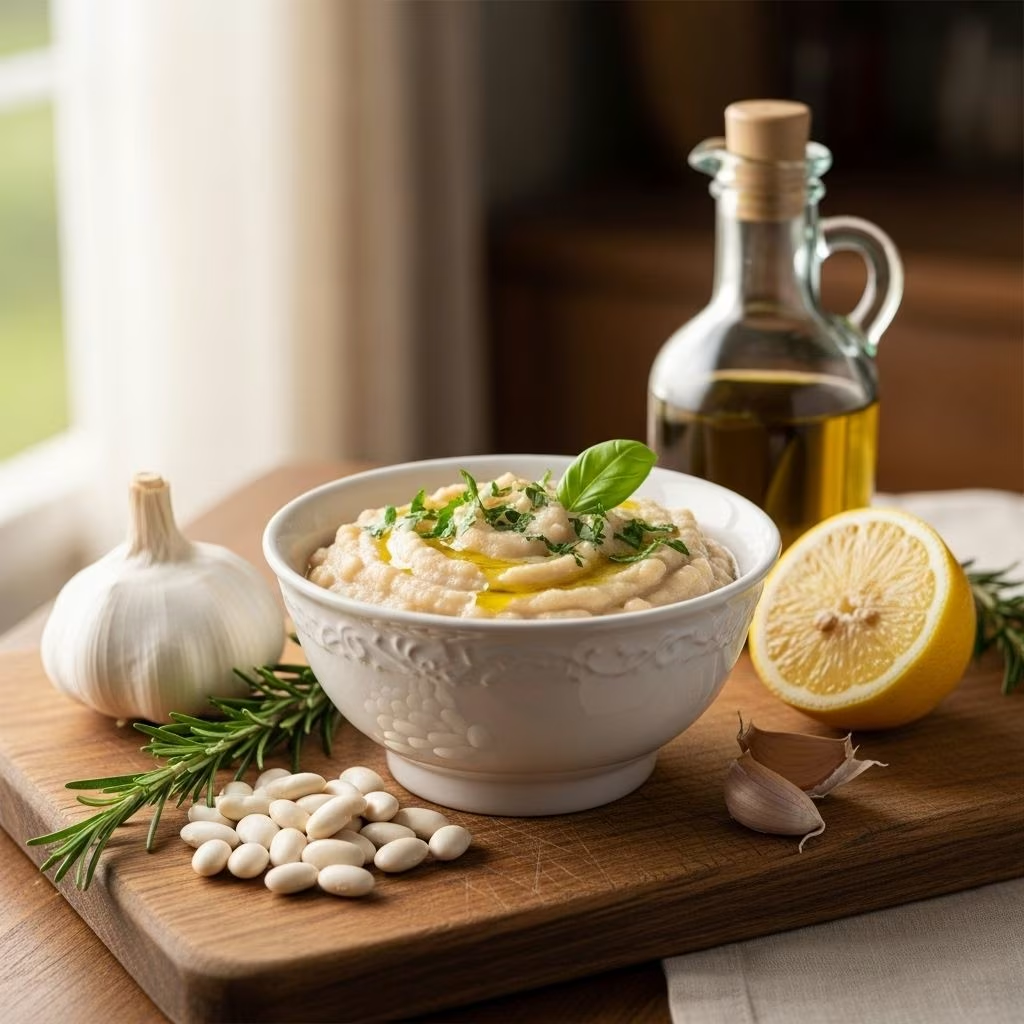
White bean puree is a creamy, protein-rich dish made by blending cooked white beans with olive oil, garlic, and other seasonings. Originating in Mediterranean cuisine, this versatile puree is celebrated for its smooth texture and subtle flavor. Whether used as a dip, spread, or side dish, white bean puree offers remarkable nutritional benefits while providing a neutral canvas for bold flavors. This guide explores what white bean puree is, its health advantages, delicious applications in cooking, and why its taste profile is winning hearts worldwide.
What Is White Bean Puree?
White bean puree is a savory, garlicky blend of white beans whipped into a creamy texture, similar in appearance and consistency to mashed potatoes but lighter and richer in protein. Typically made using cannellini, great northern, or butter beans, this puree is flavored with olive oil, garlic, lemon juice, and—optionally—herbs or spices. The puree can be prepared with canned beans for convenience or with home-cooked beans for enhanced flavor and freshness.
- Main Ingredients: White beans (cannellini, great northern, butter beans), olive oil, garlic, lemon juice, salt, pepper.
- Optional Additions: Herbs (thyme, parsley), spices (za’atar, cumin), miso paste, sautéed vegetables, fried leeks.
- Cooking Method: Beans are drained, rinsed, and blended with oil, flavorings, and liquids until smooth.
This dish is highly regarded for its versatility and ease of preparation, making it an excellent choice for busy households, gourmet chefs, and healthy eaters alike.
White Beans: Varieties and Selection
The term ‘white bean’ encompasses several varieties, each bringing unique textural and flavor qualities to the puree. The most common types used in white bean puree are:
| Bean Variety | Features | Flavor | Texture | Nutrition Highlights |
|---|---|---|---|---|
| Cannellini Beans | Popular in Italian cuisine | Mild, slightly nutty | Creamy, smooth | High fiber, iron, protein |
| Great Northern Beans | Medium shape, readily available | Delicate, mild | Smooth, soft | Rich in folate, magnesium |
| Butter Beans (Lima) | Larger, flatter beans | Slightly buttery | Soft, creamy | Good source of potassium |
Selection Tips: Use canned beans for speed and consistency, or home-cooked beans for depth of flavor and texture. Always rinse canned beans thoroughly to remove excess sodium and preservatives before use.
Nutritional Benefits of White Bean Puree
White bean puree is a nutritious choice with several health benefits:
- High in Plant Protein: White beans supply substantial protein, supporting muscle repair and growth.
- Rich in Dietary Fiber: Promotes digestive health, helps control blood sugar, and contributes to satiety.
- Low in Fat: Most fat in puree recipes comes from healthy olive oil, not saturated sources.
- Micronutrient Dense: Provides iron, magnesium, potassium, folate, and B vitamins, supporting metabolism and cardiovascular health.
- Heart Healthy: Combination of fiber, plant protein, and olive oil supports cholesterol balance and heart function.
- Vegetarian & Vegan Friendly: Easily fits meatless diets.
Bean purees are associated with improved blood sugar control, lower cholesterol, and enhanced digestive function due to their fiber and micronutrient content.
Taste and Texture Profile
White bean puree is lauded for its subtle, mellow flavor and luxurious mouthfeel:
- Taste: Mild, slightly nutty, and savory; easily picks up garlic, olive oil, lemon juice, and herbs.
- Creaminess: When properly blended, white beans create a soft, velvety texture comparable to whipped potatoes but less starchy and more protein-rich.
- Customizable: The puree acts as a neutral backdrop, allowing creative seasoning (e.g., za’atar, cumin, miso) and toppings (fried leeks, browned butter).
- Visual Appeal: When garnished with herbs, spices, or sautéed vegetables, it becomes a centerpiece-worthy dish.
The flavor and texture of white bean puree can be easily adjusted by altering the amount of olive oil, lemon juice, broth, or seasonings added during blending.
Culinary Uses and Serving Ideas
White bean puree is prized for its adaptability in the kitchen. Here are popular ways to serve and enjoy it:
- As a Dip or Spread: Serve with crackers, crostini, pita, or raw vegetables; an excellent alternative to hummus or bean-based dips.
- As a Side Dish: Present alongside grilled meats, roasted vegetables, or poultry—perfect substitute for mashed potatoes or polenta.
- Sauce Base or Bed: Use as a creamy bedding beneath seared fish, steak, or braised meats to absorb juices and flavor.
- In Salads: Swirl into green salads or grain salads for added creaminess and protein.
- For Canapes: Spread atop toasted baguette slices and garnish with tapenade, sautéed mushrooms, or crisped leeks for elegant hors d’oeuvres.
- Meatless Substitute: Offers protein and creaminess for vegetarian dishes, replacing dairy-based sauces or dips.
Creative cooks often add roasted garlic, caramelized onions, or fresh herbs to white bean puree, aligning the dish with Mediterranean, Italian, or Middle Eastern themes.
How to Make White Bean Puree: Basic Recipe & Tips
Preparing white bean puree requires minimal ingredients and effort:
Essential Ingredients
- 2 cans (15 oz each) white beans or 3 cups home-cooked beans
- 3 tablespoons extra virgin olive oil
- 2–4 garlic cloves, sliced or minced
- 2 tablespoons fresh lemon juice
- Salt and black pepper, to taste
- Optional: ½ cup vegetable/chicken broth (for desired consistency)
- Optional flavor: 2 teaspoons white miso or a handful of fresh herbs
Step-by-Step Instructions
- Gently heat olive oil in a skillet and sauté garlic until fragrant. (Optionally add onions or leeks for depth.)
- Combine drained beans, sautéed garlic (and oil), lemon juice, salt, pepper, and optional flavorings in a food processor.
- Add broth as needed for creaminess and blend until velvety smooth.
- Taste and adjust seasoning. Transfer to a serving bowl, drizzle with olive oil, and garnish with herbs, spices, or crispy vegetables (like fried leeks).
Tips for Perfect Puree
- Use high-speed blenders for an ultra-smooth mixture.
- Balance acidity (lemon juice) and savory notes (garlic, miso) for layers of flavor.
- Adjust liquid—add broth or water for a looser puree, reduce for spreadable texture.
- For rich flavor, drizzle with browned butter or top with savory fried leeks.
Variations and Flavor Enhancers
White bean puree’s neutral taste welcomes flavor innovations. Enhance or diversify your puree with these popular additions:
- Herbs: Thyme, rosemary, parsley, basil for freshness and aromatics.
- Spices: Za’atar (earthy), cumin (warm), sumac (lemony), smoked paprika (smoky).
- Vegetables: Fried leeks, caramelized onions, sautéed mushrooms for savoriness and complexity.
- Acidity: A splash of balsamic vinegar, white wine vinegar, or extra lemon for brightness.
- Umami Amp: White miso for deeper, savory undertones.
- Luxury Touch: Drizzle with browned butter or chili oil for richness and subtle spice.
- Dairy-Free: Blend with coconut milk or vegetable broth for extra creaminess without dairy.
Experimenting with these ingredients allows you to tailor the puree to fit Mediterranean, Italian, French, or fusion cuisine themes.
Frequently Asked Questions
Q: Is white bean puree suitable for vegan diets?
A: Yes, classic white bean puree recipes are naturally vegan, using only plant-based ingredients like beans, olive oil, garlic, and lemon juice.
Q: Can I use canned beans instead of dry beans?
A: Absolutely. Canned beans save time and deliver consistent results. Be sure to rinse thoroughly to remove excess sodium and preservatives.
Q: How long does white bean puree last in the refrigerator?
A: Stored in an airtight container, white bean puree keeps well for up to 3–5 days. Stir before serving and refresh with a squeeze of lemon juice.
Q: Is white bean puree gluten-free?
A: Yes, unless flavored with gluten-containing additions. The main ingredients—beans, olive oil, garlic, lemon—are naturally gluten-free.
Q: What are creative ways to serve white bean puree at dinner parties?
A: Serve atop crostini, layered with tapenade, or as a base for seared meats. Garnish with fried leeks, za’atar, or roasted vegetables for a gourmet presentation.
Conclusion
White bean puree is a versatile, healthful dish that brings plant-based protein, fiber, and robust flavor to meals. Whether enjoyed as a dip, side dish, culinary base, or spread, it presents a unique opportunity to savor the creamy goodness of beans in a simple yet elegant format. Its mild flavor profile allows culinary creativity, making it a staple in both home kitchens and gourmet restaurants. Explore different varieties, use fresh herbs and seasonings, and relish this timeless Mediterranean delight for its taste, nutrition, and culinary versatility.
References
- https://thenewbaguette.com/white-bean-puree/
- https://leitesculinaria.com/96625/recipes-white-bean-puree.html
- https://umamigirl.com/brown-butter-white-bean-puree/
- https://thekitchenmccabe.com/2014/01/15/white-bean-puree-with-brown-butter/
- https://www.amazingfoodmadeeasy.com/info/modernist-recipes/more/white-bean-puree-with-rosemary-oil-recipe
- https://oldwayspt.org/recipe/white-bean-puree/
- https://cookingbythebook.com/recipes/white-bean-puree/
- https://www.bijouxandbits.com/2018/01/easy-garlic-white-bean-puree/


