


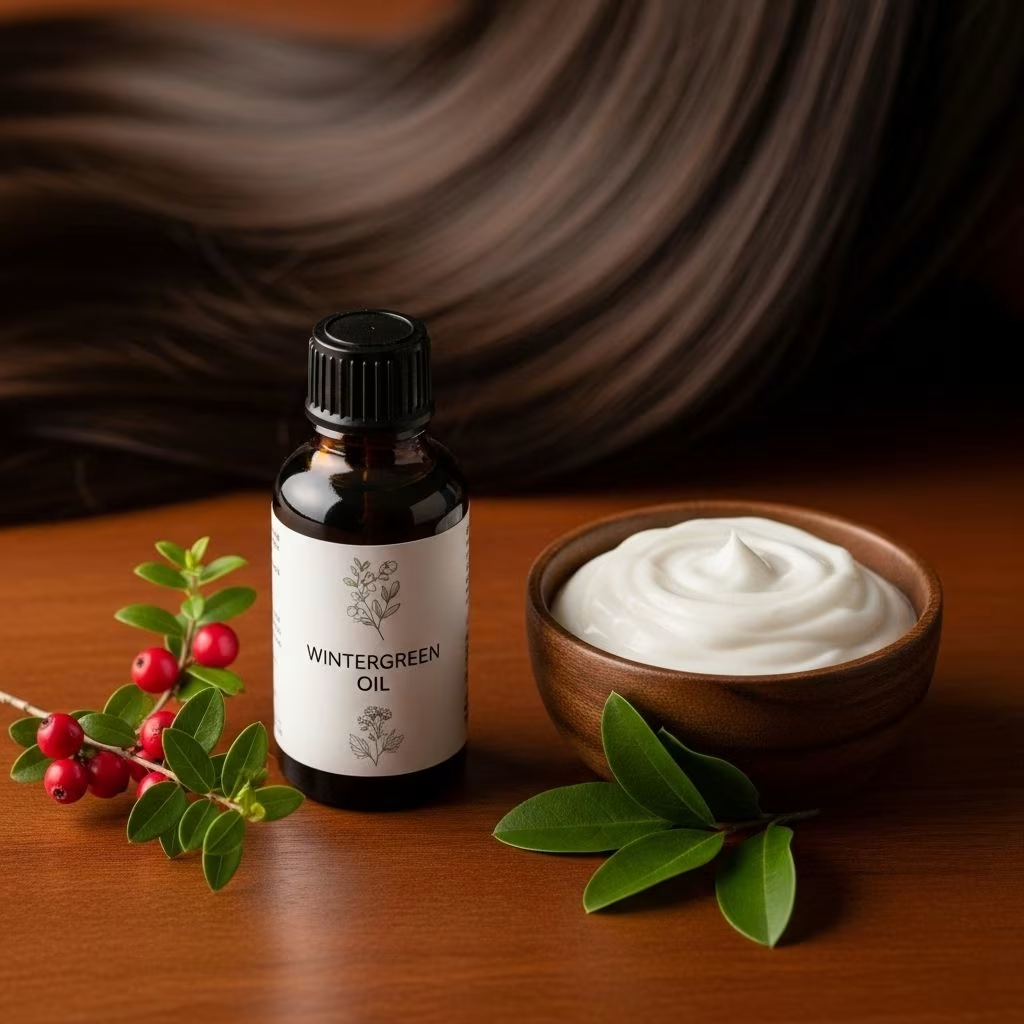
Wintergreen oil, distilled from the leaves of the evergreen Gaultheria procumbens plant, has rapidly emerged as a natural solution for common hair and scalp concerns. Its unique composition—dominated by methyl salicylate—not only imparts a pleasant, minty aroma, but also endows it with a wide spectrum of therapeutic and cosmetic benefits.
In this comprehensive guide, explore why wintergreen oil is making waves in hair care, how to use it safely and effectively, and discover tips from experts to maximize its potential.
What Is Wintergreen Oil?
Wintergreen oil is an essential oil obtained by steam distillation of the leaves of the wintergreen plant (Gaultheria procumbens). The resulting oil is rich in methyl salicylate, which provides anti-inflammatory, analgesic (pain-relieving), and antimicrobial effects. While traditionally renowned for muscle pain relief, wintergreen oil has also found a niche in scalp and hair care due to its ability to improve circulation, cleanse, and soothe the skin and hair follicles.
Key Benefits of Wintergreen Oil for Hair
Wintergreen oil stands out as a multifunctional natural ingredient for scalp and hair wellness. Below are its most significant benefits supported by research and expert consensus:
- Stimulates Blood Circulation to the Scalp: Massaging diluted wintergreen oil onto the scalp boosts blood flow, which enhances nutrient delivery to hair follicles, potentially encouraging hair growth and the development of thicker, more resilient strands.
- Combats Dandruff and Flakiness: The oil’s natural antimicrobial and antifungal properties help inhibit scalp fungus, effectively reducing dandruff, itchiness, and flaky skin.
- Soothes Itchy and Inflamed Scalps: Its cooling and anti-inflammatory actions make wintergreen oil ideal for alleviating scalp irritation and redness. This can be particularly beneficial for individuals with sensitive or easily inflamed skin.
- Controls Greasiness and Sebum Production: The oil’s natural astringency helps regulate excess oil on the scalp, reducing greasiness and buildup that can lead to follicle blockage or limp hair.
- Strengthens Hair Strands and Reduces Breakage: By supporting a healthy scalp and reinforcing hair root contractions, wintergreen oil can reduce breakage and split ends, leading to stronger, more resilient hair.
- Adds Natural Shine and Freshness: Its refreshing scent and cleansing properties leave hair looking shinier and feeling cleaner after application.
Wintergreen Oil for Hair Growth: What Does the Science Say?
The stimulation of scalp circulation is crucial for delivering oxygen and nutrients to hair follicles, which may promote faster or more robust hair growth. While direct clinical studies on wintergreen oil’s effect on hair growth are limited, its combination of increased circulation and anti-inflammatory action aligns with conditions known to support healthier, fuller hair.
Comparison Table: Wintergreen Oil Benefits vs. Common Hair Oils
| Feature | Wintergreen Oil | Coconut Oil | Tea Tree Oil |
|---|---|---|---|
| Stimulates Circulation | Yes | No | Moderate |
| Controls Dandruff | Yes | Slight | Yes (Strong) |
| Soothes Itchiness | Yes | No | Yes |
| Controls Sebum | Yes | Moderate | Yes |
| Strengthens Hair | Yes | Yes | No |
| Adds Shine | Yes | Yes (Strong) | No |
How to Use Wintergreen Oil for Hair
Wintergreen oil offers versatility in hair care routines, but must never be applied directly to the scalp due to its potency. Here’s how you can incorporate it:
- Always dilute wintergreen oil with a carrier oil (such as coconut, jojoba, almond, or olive oil). A safe dilution ratio is 3–5 drops of wintergreen oil per 1 ounce (30 ml) of carrier oil.
- Massage the diluted blend gently into your scalp using your fingertips, focusing on problem areas or throughout for overall scalp health.
- Leave the oil on for at least 15–30 minutes (or up to overnight for a deeper treatment), then wash out with a mild, natural shampoo.
- Use sparingly: 1–2 times a week is typically sufficient to see benefits while minimizing the risk of irritation or buildup.
- Patch test before first use by applying a little diluted oil to your inner forearm and waiting 24 hours to check for sensitivity.
Practical Ways to Add Wintergreen Oil to Your Hair Care
- Scalp Massage Oil: Mix 2–3 drops wintergreen oil with 2 tablespoons coconut or jojoba oil. Massage in, wait 15–30 minutes, and shampoo.
- Anti-Dandruff Blend: Add a few drops to your regular shampoo for antifungal action.
- Refreshing Hair Rinse: Combine 2 drops wintergreen oil, 1 tablespoon apple cider vinegar, and 1 cup water. Use as a final rinse post-shampoo for shine and scalp freshness.
DIY Wintergreen Oil Recipes for Hair Care
Unlock the full benefits of wintergreen oil with these easy homemade blends:
1. Wintergreen Scalp Massage Treatment
- 3–5 drops wintergreen oil
- 1 ounce (30 ml) carrier oil (coconut or almond best for dry scalp, jojoba or grapeseed for oily scalp)
Blend well, massage into scalp for 10–15 minutes, leave for at least 30 minutes or overnight, then rinse with a gentle shampoo.
2. Anti-Dandruff Hair Mask
- 2 drops wintergreen oil
- 1 tablespoon coconut or olive oil
- 1 teaspoon aloe vera gel
Mix ingredients. Apply to scalp, leave for 20 minutes, then wash thoroughly.
3. Shine-Boosting Hair Rinse
- 2 drops wintergreen oil
- 1 tablespoon apple cider vinegar
- 1 cup cold water
Pour over hair as a final rinse after cleansing to add shine and remove product buildup.
Safety Precautions and Considerations
- Never use wintergreen oil undiluted on the scalp or skin. It is highly concentrated and can cause irritation, burns, or allergic reactions.
- Perform a patch test before first-time use to check for allergies or sensitivities.
- Pregnant or nursing individuals and those with bleeding disorders or taking blood thinners should consult a healthcare provider prior to use, as wintergreen oil contains compounds similar to aspirin (methyl salicylate).
- Keep away from children and pets. Ingestion of wintergreen oil is toxic.
- Discontinue use immediately if redness, burning, or swelling occurs.
Expert Tips and Best Practices
- Combine with complementary oils: Rosemary and lavender oils blend well with wintergreen and can enhance hair growth and scalp calming benefits.
- Rotate treatments: Avoid overuse by rotating wintergreen oil treatments with other natural oils to prevent sensitivity.
- Use mild cleansers: After oil treatments, wash hair with sulfate-free, gentle shampoos to avoid stripping natural protective oils from your scalp.
- Consistency matters: For lasting results, consistency—using wintergreen oil regularly but not excessively—is key.
- Storage: Store the essential oil in a cool, dry place away from direct sunlight to preserve potency.
Potential Side Effects
Most adverse reactions are due to improper use:
- Skin irritation, burning, or redness (especially if undiluted)
- Allergic reactions in sensitive individuals
- Headaches or nausea from inhaling concentrated fumes
- Potential toxicity if ingested—even small amounts
Wintergreen oil should not be used by children, pregnant, or breastfeeding individuals, or those allergic to aspirin. Always use with caution and monitor your body’s response.
Frequently Asked Questions (FAQs)
Q: Can wintergreen oil help with hair loss?
A: Wintergreen oil may help support hair growth by stimulating circulation and promoting a healthier scalp environment, but it is not a standalone cure for genetic or medical hair loss. Use as part of a broader healthy hair routine.
Q: How often should I use wintergreen oil on my hair?
A: 1–2 times per week is generally effective for most people. Excessive use can lead to scalp irritation or oil buildup.
Q: What carrier oils are best to dilute wintergreen essential oil?
A: Coconut, jojoba, almond, and olive oils are all excellent for dilution, as they nourish the scalp and increase absorption.
Q: Is it safe to use wintergreen oil for dandruff-prone scalps?
A: Yes, its natural antimicrobial elements make it effective for dandruff. Ensure proper dilution and patch test before full application.
Q: Are there any contraindications with medications?
A: Wintergreen oil contains methyl salicylate, which may interact with blood-thinning medication or exacerbate certain medical conditions. Consult your healthcare provider before use if you have chronic medical issues or are on medication.
Q: Can I add wintergreen oil directly to my shampoo?
A: Yes, adding a few drops to your shampoo can boost its dandruff-fighting properties, but be sure not to exceed recommended dilution levels.
Conclusion
Wintergreen oil delivers real benefits for those seeking natural solutions to common hair and scalp challenges—ranging from growth stimulation and dandruff control to strengthening and shine. When used safely and strategically, it can be a valuable component of a holistic hair care regimen. Always practice proper dilution, sensitivity testing, and mindful use to enjoy its full potential for healthier, stronger, and more beautiful hair.
References
- https://www.theplantguru.com/page/wintergreen-oil-for-hair-promote-growth-and-strength-naturally/
- https://www.wintergreenoil.in/blogs/wintergreen-oil-for-hair
- https://www.lybrate.com/topic/benefits-of-wintergreen-oil-and-its-side-effects
- https://gyalabs.com/blogs/essential-oils/wintergreen-essential-oil-uses-benefits-diy-recipes
- https://www.anveya.com/blogs/top-tips/all-you-need-to-know-about-wintergreen-oil
- https://www.healthline.com/health/wintergreen-oil
- https://www.newdirectionsaromatics.com/blog/all-about-wintergreen-oil/
- https://hairborist.com/en/blog/wintergreen-essential-oil/
- https://www.halecosmeceuticals.com/blog/exploring-the-wonders-of-wintergreen-essential-oil-unlocking-its-therapeutic-potential
- https://tucokids.com/blogs/ingredients/wintergreen-oil-uses-benefits-side-effects


