


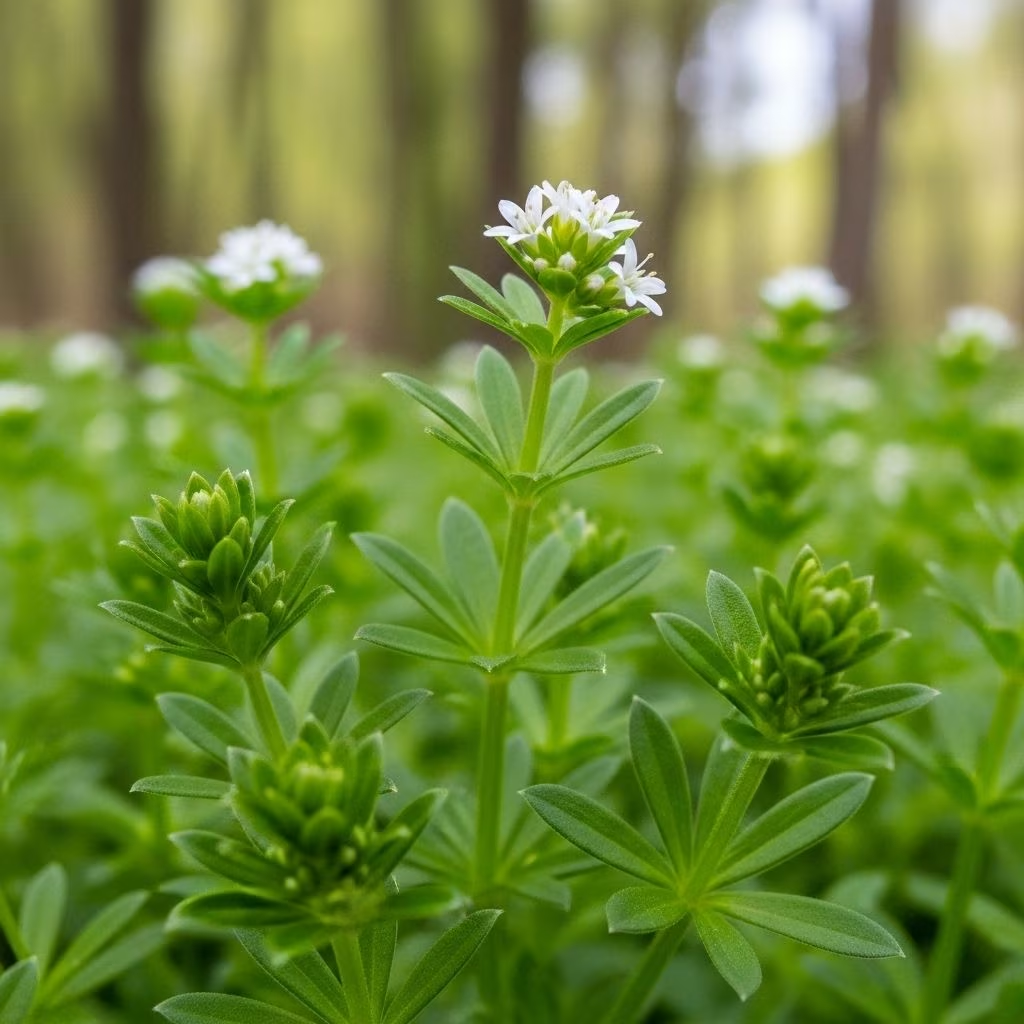
What Is Woodruff?
Woodruff, commonly known as sweet woodruff (Galium odoratum), is a perennial herb native to Europe, Asia, and North Africa. It belongs to the Rubiaceae family, which also includes coffee and gardenias. The plant is valued for its sweet, hay-like fragrance, especially when dried or crushed, and its delicate white flowers that bloom in late spring.
History and Origin
Woodruff has a rich history dating back to ancient times. The Greeks and Romans recognized its medicinal properties, using it for its calming effects and to treat nervous disorders. In medieval Europe, it was a popular “strewing herb”—scattered on floors to mask unpleasant odors—and was also hung in homes to freshen the air and ward off moths. Its name derives from the Old English “wudrofe,” reflecting its woodland origins.
Botanical Description
Woodruff is a low-growing, shade-loving plant, typically reaching heights of 4 to 8 inches, though some descriptions note it can grow up to 19.5 inches under ideal conditions. It features whorls of narrow, lance-shaped leaves and small, white, star-shaped flowers. The plant thrives in deciduous forests and can spread aggressively, making it considered invasive in some regions.
Health Benefits of Woodruff
Woodruff has been used traditionally for a variety of health benefits, many of which are attributed to its active compounds, including coumarin and dicumarol.
- Anti-inflammatory: May help reduce swelling and inflammation.
- Circulatory Support: Traditionally used to improve poor circulation and strengthen veins.
- Digestive Aid: Used to relieve intestinal discomfort, cramps, and stimulate liver function.
- Diuretic: Promotes urination, helping with water retention.
- Calming Effects: Believed to ease anxiety, restlessness, and insomnia.
- Wound Healing: Applied topically for wounds and skin diseases.
Traditional Medicinal Uses
Historically, woodruff was administered in several forms:
- Teas and Tonics: Dried leaves were steeped to make teas or tonics for internal use.
- Powders: Mixed with fruit or honey for easier consumption.
- Compresses: Applied to the forehead for headaches, but direct skin contact with pulp was avoided.
- Sachets and Potpourri: Crushed leaves were used in sachets to freshen linens and repel moths.
Modern Uses
While medicinal use has declined in many countries, woodruff remains popular in certain regions for both therapeutic and culinary purposes.
- Herbal Remedies: Still used in some European herbal traditions for nervousness, digestive issues, and circulation problems.
- Fragrance Industry: Extracts are used in perfumes for their sweet, hay-like scent.
- Culinary Flavoring: Primarily in Germany, where it flavors May wine and other beverages.
Culinary Uses
Woodruff’s unique flavor and aroma make it a distinctive ingredient in certain traditional dishes and drinks.
- May Wine: In Germany, woodruff is a key ingredient in Maibowle (May wine), a festive spring drink.
- Infusions: Fresh or dried leaves can be used to infuse water, lemonade, or syrups for a subtle, aromatic twist.
- Desserts: Occasionally used to flavor jellies, custards, and other sweets.
Sweet Woodruff-Infused Lemonade Recipe
- 4 cups water
- 1 cup freshly squeezed lemon juice
- 1/2 cup granulated sugar
- 10–12 fresh sweet woodruff leaves
- Ice cubes
- Lemon slices and fresh woodruff sprigs for garnish
Bring 2 cups of water to a boil, then remove from heat and add woodruff leaves. Steep for 15 minutes, strain, and mix with lemon juice, sugar, and remaining water. Chill and serve over ice, garnished with lemon and woodruff.
Taste and Aroma
Fresh woodruff has little scent, but when wilted or crushed, it releases a sweet, hay-like aroma due to the presence of coumarin. The taste is slightly bitter with a subtle, sweet undertone, making it more suitable as a flavor enhancer than a primary ingredient.
How to Use Woodruff
Woodruff can be used fresh or dried, but it is most aromatic after wilting. Here are some tips for use:
- Harvesting: Collect leaves before or just after flowering for the best flavor and medicinal properties.
- Drying: Hang stems upside down in a cool, dark place to preserve aroma.
- Culinary: Use sparingly to infuse drinks, syrups, or desserts—a little goes a long way.
- Medicinal: Brew as tea, make tonics, or use in compresses (with caution).
- Home Use: Place dried leaves in sachets to freshen drawers or repel moths.
Precautions and Side Effects
While woodruff offers many benefits, it must be used with caution:
- Blood Thinning: Contains coumarin, which can act as an anticoagulant. Avoid use if you have circulatory problems or are on blood-thinning medication, as it may increase the risk of bleeding.
- Internal Use: High doses can cause headaches, dizziness, and liver damage. Use in moderation and consult a healthcare provider before internal consumption.
- Pregnancy and Lactation: Not recommended due to lack of safety data.
- Skin Contact: Avoid applying fresh pulp directly to the skin to prevent irritation.
Frequently Asked Questions
Q: What is woodruff used for?
Woodruff is used for flavoring beverages (especially May wine), as a medicinal herb for digestive, circulatory, and nervous system support, and as a natural air freshener or moth repellent.
Q: Is woodruff safe to eat?
In small amounts, such as for flavoring drinks, woodruff is generally safe. However, consuming large quantities can be harmful due to its coumarin content, which acts as a blood thinner and may cause side effects.
Q: How do you harvest and store woodruff?
Harvest woodruff leaves before or just after flowering, then dry them in a cool, dark place. Store dried leaves in an airtight container away from light and moisture.
Q: Can woodruff be grown at home?
Yes, woodruff grows well in shady, moist areas and can spread aggressively, so it’s best grown in contained gardens or pots.
Q: What’s the difference between woodruff and sweet woodruff?
They are the same plant—Galium odoratum—also called sweet woodruff or sweet-scented bedstraw.
Q: Where can I buy woodruff?
Woodruff may be available at specialty herb stores, online retailers, or as seeds or plants at garden centers. It’s less common in mainstream grocery stores.
Conclusion
Woodruff (Galium odoratum) is a versatile herb with a rich history in European medicine, cuisine, and culture. Its sweet, hay-like aroma and subtle, slightly bitter taste make it a unique flavoring agent, while its coumarin content has both therapeutic benefits and risks. Used in moderation, woodruff can be a valuable addition to herbal remedies, festive drinks, and natural home products, but always exercise caution and consult healthcare professionals for medicinal use.
References
- https://foodal.com/knowledge/herbs-spices/woodruff-whats-used/
- http://www.morganloghouse.org/online-exhibitions/sweetwoodruff/
- https://www.planetayurveda.com/library/sweet-woodruff-galium-odoratum/
- https://www.rxlist.com/supplements/sweet_woodruff.htm
- https://en.wikipedia.org/wiki/Galium_odoratum
- https://backyardpatch.blogspot.com/2013/05/sweet-woodruff-herb-of-week.html
- https://www.bbg.org/article/sweet_woodruff
- https://silvercircledistillery.com/blogs/news/sweet-woodruff-master-of-the-woods
- https://www.stlouisherbsociety.org/herbs/favorite_herbs/sweet-woodruff/


