


Introduction
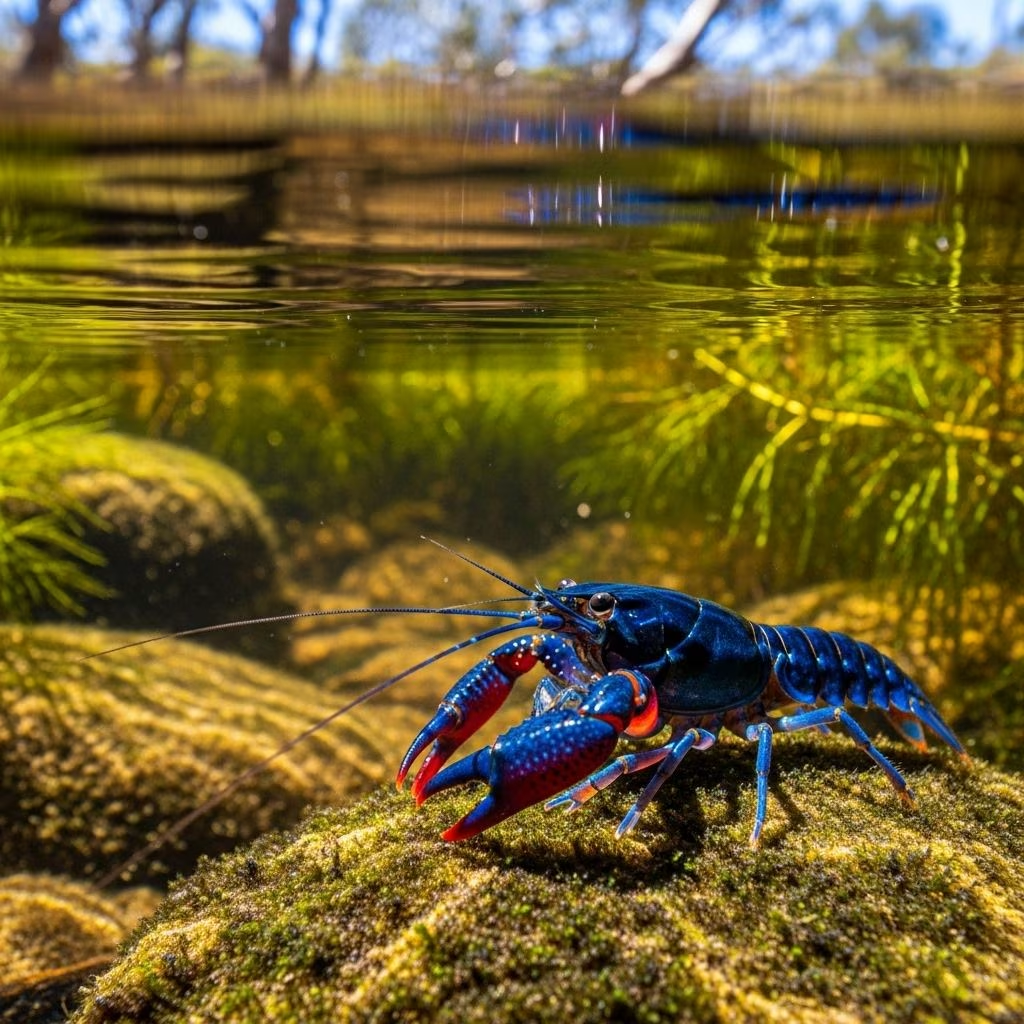
The yabby (Cherax destructor) is a unique freshwater crayfish native to Australia and New Guinea, belonging to the Parastacidae family. Renowned for its adaptability, colorful appearance, and importance in Australia’s culture, yabbies are appreciated not only for their ecological significance but also as a prized culinary delicacy. Their presence spans lowland rivers, swamps, reservoirs, and farm dams, making them an integral part of the continent’s aquatic ecosystems.
Taxonomy & Physical Characteristics
| Common Name | Yabby |
|---|---|
| Scientific Name | Cherax destructor |
| Family | Parastacidae |
| Order | Decapoda (crustaceans) |
| Other Names | Blue Yabby, Cyan Yabby |
Yabbies are recognized for their adaptability and wide range of physical traits:
- Size: Typically 4–8 inches (10–20 cm) in length; can occasionally reach up to 12 inches (30 cm).
- Weight: 0.04–0.18 lbs (approx. 18–80 grams).
- Color: Highly variable; ranges from black and blue-black in clear waters to brown, green-brown, beige, or even vibrant blue—especially in aquarium breeds.
- Shell: Hard carapace divided into head, thorax, and tail. Notable for broad, spade-like claws and a smooth rostrum (area between the eyes).
- Lifespan: Up to 7 years.
- Behavior: High aggression, especially when defending territory.
The external carapace protects their internal organs, and their pincers display intricate mesh-like coloration distinct to each species.
Key Species Within the Cherax Genus
- Cherax destructor — Common yabby or blue yabby
- Cherax destructor albidus — White yabby
- Cherax quadricarinatus — Queensland red claw
- Cherax cainii — Smooth marron
Habitat and Distribution
Yabbies thrive in a variety of freshwater environments throughout Australia and New Guinea:
- Preferred Habitats: Slow-moving waterways, swamps, streams, rivers, dams, and reservoirs.
- Adaptability: Survive seasonal droughts by burrowing deep into mud, remaining dormant until water returns.
- Dispersal Ability: Can travel significant distances over land during wet seasons to colonize new water bodies.
The ability to endure harsh environments has contributed to the yabby’s wide distribution and resilience against habitat fluctuations.
Life Cycle and Behavior
- Sexual Maturity: Achieved at 2–3 years of age.
- Breeding: Females can lay up to 1000 eggs per spawning, with eggs hatching in 19–40 days.
- Burrowing: Vigorous burrowers, capable of damaging dams and levee banks through their tunneling activities.
- Diet: Omnivorous—feeds mainly on decomposing vegetation, opportunistically consumes invertebrates, small fish, and even conspecifics.
Benefits of Yabby
The yabby contributes in numerous ways to ecology, economy, nutrition, and culture:
- Ecological Role: Aids in controlling aquatic vegetation, recycles nutrients, and serves as prey for fish, birds, and mammals.
- Economic Value: Supports a thriving aquaculture and fishing industry, providing livelihoods and income for farmers and local communities.
- Culinary Delicacy: Yabbies are celebrated in Australian cuisine for their sweet, delicate flesh and versatility in numerous dishes.
- Educational Significance: Used for research and teaching about crustacean biology, aquatic health, and invasive species management.
- Aquarium Trade: Colorful varieties, notably blue yabbies, are popular in the pet trade.
Uses of Yabby
Yabbies are valued for both practical and recreational reasons:
- Culinary Uses: Central ingredient in Australian dishes, comparable to lobster or shrimp.
- Aquaculture: Farmed for meat, contributing to regional aquaculture industries.
- Fishing and Recreation: Popular target for freshwater fishing with nets or traditional traps.
- Education and Laboratory Studies: Model organism for studies in physiology, ecology, and environmental science.
- Aquarium Hobby: Blue and other colorful yabbies are prized pets for aquarists.
Taste & Culinary Preparation
Yabby meat is highly prized for its delicate, sweet, and slightly nutty flavor—often described as a cross between prawn and lobster, but with its own unique sweetness. Its succulent texture makes it versatile in various cuisines.
Popular Culinary Preparations
- Boiled or Steamed: The simplest preparation, highlighting its natural flavor.
- Grilled or Barbecued: Enhances its sweetness and imparts a smoky finish.
- In Soups and Chowders: Adds a rich, savory depth to broths and stews.
- In Salads: Chilled meat pairs well with fresh herbs and citrus.
- With Sauces: Served with garlic butter, lemon, or regional spices.
Chefs recommend simple preparations to showcase the unique flavor, though it works in complex recipes as well. Yabby shells can be used for stocks, imparting a subtle umami note to sauces or bisques.
Nutritional Value
Yabby is considered a lean protein source with meaningful health benefits:
- High in Protein: Supports muscle development and repair.
- Low in Fat: Makes for a healthy addition to balanced diets.
- Key Minerals: Contains appreciable levels of calcium, phosphorus, iron, and magnesium.
- Vitamins: Provides B vitamins important for energy metabolism.
- Omega-3 Fatty Acids: Contributes to cardiovascular health.
Owing to its low calorie content and high nutritional density, yabby is popular among health-conscious diners and culinary professionals.
Yabby in Aquaculture
Yabby farming has grown substantially in Australia’s aquaculture sector:
- Easy to Farm: Rapid growth, adaptability to different water conditions, and resilience to drought.
- Market Demand: Increasingly exported to culinary and aquarium markets abroad.
- Stocking Rate: Can be grown at high densities, enhancing productivity.
- Sustainable Farming: Lower environmental footprint compared to other crustacean aquaculture.
Farmed yabbies are regularly harvested and processed for domestic and international consumption.
Farming and Conservation
Though wild populations remain robust thanks to human-made habitats, the common yabby is designated as vulnerable by the IUCN due to threats like habitat loss and disease. Conservation efforts focus on:
- Monitoring Populations: Tracking numbers and genetic diversity.
- Habitat Restoration: Supporting wetlands, rivers, and streams.
- Disease Control: Preventing outbreaks of crayfish plague and parasites.
- Sustainable Fisheries: Balancing harvest with ecosystem health.
Regulations also restrict export/import to prevent invasive behavior in non-native regions (such as the Lacey Act ban in the United States).
Potential Risks and Impacts
- Dam and Bank Damage: Burrowing activities can compromise water structures.
- Invasive Potential: Risk of establishing populations outside Australia, impacting native habitats.
- Vector for Disease: Yabbies can spread crayfish plague and parasites such as Thelohania parastaci.
- Competition: May outcompete or displace native species in introduced environments.
Strict biosecurity and management protocols help minimize these risks.
Frequently Asked Questions (FAQs)
Q: What makes a yabby different from other crayfish?
Yabbies are native to Australia and New Guinea, noted for their ability to tolerate droughts, highly variable coloration, and popularity both in cuisine and as pets.
Q: How do you catch or farm yabbies?
Traditionally caught with baited nets or traps in wild waters; farming involves managed ponds with optimal water quality and feed.
Q: Is yabby safe to eat?
Yes, when properly prepared and sourced from sustainable farms or clean waterways. It is considered nutritious and safe for most people.
Q: Can yabby be invasive?
Outside its native range, the yabby can disrupt local ecosystems, especially if introduced to non-native habitats. Regulations in some countries prohibit their importation.
Q: What does yabby taste like?
Yabby has a sweet, delicate flesh with a hint of nuttiness—resembling lobster or shrimp, but with a unique flavor profile that is celebrated in Australian seafood cuisine.
Summary Table: Yabby Facts
| Aspect | Details |
|---|---|
| Native Range | Australia and New Guinea |
| Habitat | Freshwater lakes, rivers, swamps, farm dams |
| Color Variability | Black, brown, beige, blue, green-brown |
| Average Lifespan | Up to 7 years |
| Typical Length | 10–20 cm (up to 30 cm) |
| Culinary Taste | Sweet, nutty, delicate—akin to lobster/prawn |
| Major Benefits | Nutritional, ecological, economic, culinary |
Final Thoughts
The yabby is more than just a freshwater crayfish—it embodies the richness of Australian waterways, the resilience of native species, and the creativity of regional cuisine. Its nutritional value, adaptability, and distinctive taste ensure its continued popularity among aquaculture producers, chefs, and environmentalists alike. Whether featured in a gourmet menu or studied for its ecological role, the yabby remains a symbol of Australia’s unique aquatic heritage.
References
- https://a-z-animals.com/animals/yabby/
- https://en.wikipedia.org/wiki/Common_yabby
- http://www.misin.msu.edu/facts/detail/?project=misin&id=275&cname=Yabby
- https://www.invadingspecies.com/invaders/invertebrates/common-yabby-2/
- https://www.michigan.gov/invasives/id-report/crustaceans/yabby
- https://humanwildlifeecology.wordpress.com/2018/02/15/common-yabby-cherax-destructor-ecological-species-profile-section-60/
- https://australian.museum/learn/animals/crustaceans/black-yabbie/
- https://invasive-species.squarespace.com/s/Yabby-Crayfish.pdf
- https://www.fws.gov/sites/default/files/documents/Ecological-Risk-Screening-Summary-Yabby_0.pdf


