


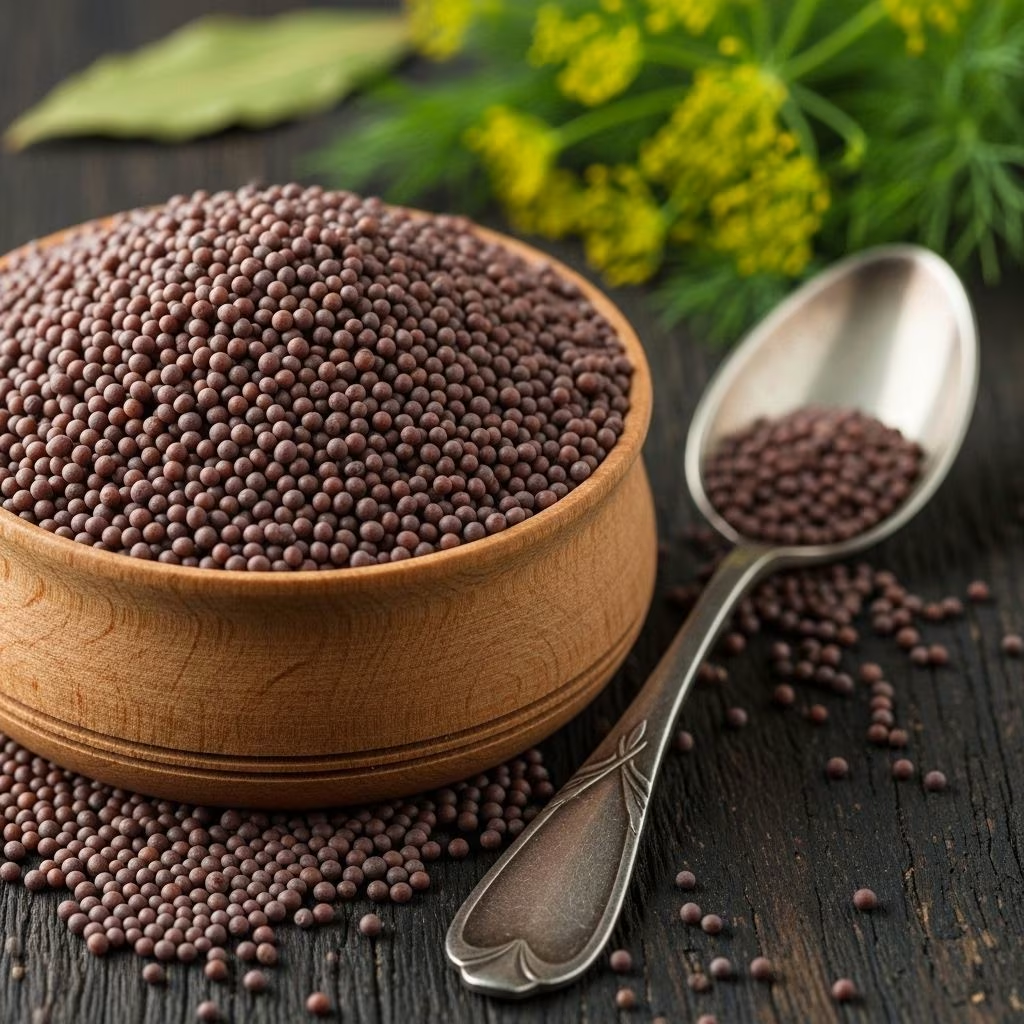
What Are Brown Mustard Seeds?
Brown mustard seeds come from the Brassica juncea plant, a species related to cabbage, broccoli, and Brussels sprouts. They are a staple in many world cuisines, especially in India, where they are used both whole and ground in a wide range of dishes. Brown mustard seeds are slightly larger than their yellow counterparts and are celebrated for their robust, pungent flavor and distinct nutty aroma.
Unlike black mustard seeds (which are very pungent and used mainly in South Indian cooking) or yellow mustard seeds (which are milder and often used for pastes and dressings), brown mustard seeds strike a balance between heat and complexity, making them a versatile ingredient in both traditional and modern kitchens.
Flavor Profile
Brown mustard seeds are known for their:
- Pungent, robust taste: They offer a strong, slightly bitter, and spicy flavor that intensifies when heated or ground.
- Nutty undertones: Dry roasting the seeds brings out a deeper, nutty aroma.
- Mild heat: While not as fiery as black mustard seeds, brown mustard delivers a noticeable warmth that enhances many dishes.
- Aromatic oils: Tempering brown mustard seeds in hot oil releases their essential oils, adding complexity to curries, dals, and vegetable dishes.
Culinary Uses of Brown Mustard Seeds
Brown mustard seeds are incredibly versatile. Here are some common ways to use them:
- Tempering: Sprinkling seeds into hot oil until they crackle is a foundational technique in Indian cooking, building flavor bases for dals, curries, and vegetables.
- Spice blends: They are a key component in mixed spices such as Bengali panch phoron and kasundi, a pungent mustard sauce.
- Pickles and chutneys: Their sharp flavor makes brown mustard seeds ideal for pickling vegetables and fruits.
- Mustard pastes and sauces: Ground into a paste, brown mustard seeds add depth to marinades, salad dressings, and sandwich spreads.
- Meat rubs and marinades: Crushed or whole, they can be used to season meats, poultry, and even sausages for added punch.
Additionally, brown mustard seeds are popular in European mustards such as Dijon and whole-grain styles, contributing to their characteristic tang and texture.
Brown Mustard Seeds in Global Cuisines
Brown mustard seeds are a global spice, with unique roles in various food traditions:
- Indian Cuisine: Central to Bengali and South Indian dishes, they are used for tempering, curries, dals, and pickles.
- European Cuisine: Essential in Dijon and rustic mustards, as well as in sauerkraut and pickled vegetables.
- American Cuisine: Often used in specialty sandwiches (like the Muffaletta), salads, and baked beans.
- Asian Cuisine: Found in Chinese hot pots, pickles, and as a seasoning in certain stir-fries.
Health Benefits
Brown mustard seeds are not just flavorful—they also offer several health benefits:
- Rich in antioxidants: Help combat oxidative stress and inflammation.
- Source of minerals: Provide calcium, iron, potassium, and magnesium.
- Dietary fiber: Support digestive health.
- Low in calories: With about 17 calories per teaspoon, they add flavor without excess calories.
- Traditional remedies: Used in folk medicine for relief from colds and muscle pain.
Where to Buy Brown Mustard Seeds
Brown mustard seeds are widely available:
- Specialty spice shops: Both online and brick-and-mortar stores often carry organic and conventional varieties.
- Supermarkets: Look in the spice aisle or international foods section.
- Online retailers: Many websites offer bulk options for home cooks and professional kitchens.
Storing Mustard Seeds
To maintain freshness and flavor:
- Store in an airtight container in a cool, dark place to preserve their volatile oils.
- Shelf life: Properly stored, they last up to two years.
- Avoid moisture and heat: These can diminish aroma and potency over time.
Easy Substitutes for Brown Mustard Seeds
If you don’t have brown mustard seeds on hand, consider these alternatives:
- Yellow mustard seeds: Milder in flavor, best for pastes and dressings; use a slightly larger quantity for more punch.
- Black mustard seeds: More pungent and spicy, ideal if you want extra heat; reduce the quantity to avoid overpowering the dish.
- Dijon or whole-grain mustard: Use prepared mustard as a paste or sauce substitute; adjust for added vinegar or salt content.
- Mustard powder: Use in rubs, marinades, or sauces; add a little water to form a paste if needed.
- Horseradish or wasabi: For heat without the mustard flavor; use sparingly.
Comparison of Mustard Seed Varieties
| Type | Flavor | Heat Level | Texture | Common Uses |
|---|---|---|---|---|
| Yellow | Mild, tangy | Low | Smooth | Pastes, dressings, pickles |
| Brown | Robust, nutty, slightly bitter | Medium | Coarse | Curries, tempering, spice blends, condiments |
| Black | Very pungent, spicy | High | Coarse | Sambar, tempering, pickles, strong curries |
Frequently Asked Questions (FAQs)
Q: Are yellow and brown mustard seeds the same?
A: No, they are different varieties. Yellow mustard seeds are milder, while brown seeds are more robust and pungent.
Q: Can I substitute black mustard seeds for brown?
A: Yes, but use less, as black mustard seeds are hotter. They are best for dishes that benefit from extra spice.
Q: How do I activate the flavor of brown mustard seeds?
A: Toasting or tempering them in hot oil releases their aromatic oils and enhances their flavor.
Q: Where can I buy organic brown mustard seeds?
A: They are available at specialty spice shops, health food stores, and online retailers.
Q: How should I store mustard seeds?
A: Keep them in an airtight container in a cool, dark place; they can last up to two years.
Q: What dishes are brown mustard seeds best for?
A: They’re excellent in Indian curries, European mustards, pickles, and meat rubs.
Q: Are mustard seeds gluten-free and vegan?
A: Yes, mustard seeds are naturally gluten-free and vegan, making them suitable for most diets.
Q: Can I use mustard powder instead of seeds?
A: Yes, mustard powder can replace seeds in recipes, especially for rubs and sauces. Adjust quantity to taste.
References
- https://sunrisespices.in/blogs/exploring-different-varieties-of-mustard-from-yellow-to-brown.html
- https://spicesinc.com/organic-brown-mustard-seeds
- https://www.herbco.com/p-421-mustard-seed-brown-whole.aspx
- https://www.penzeys.com/online-catalog/mustard-seed-brown/c-24/p-1376/pd-s
- https://evermill.com/products/brown-mustard-seed
- https://blog.suvie.com/mustard-seeds-the-small-and-pungent-spice
- https://worldspice.com/products/brown-mustard-seed
- https://spiceadvice.com/encyclopedia/mustard-seed/
- https://thespiceway.com/products/brown-mustard-seed


