


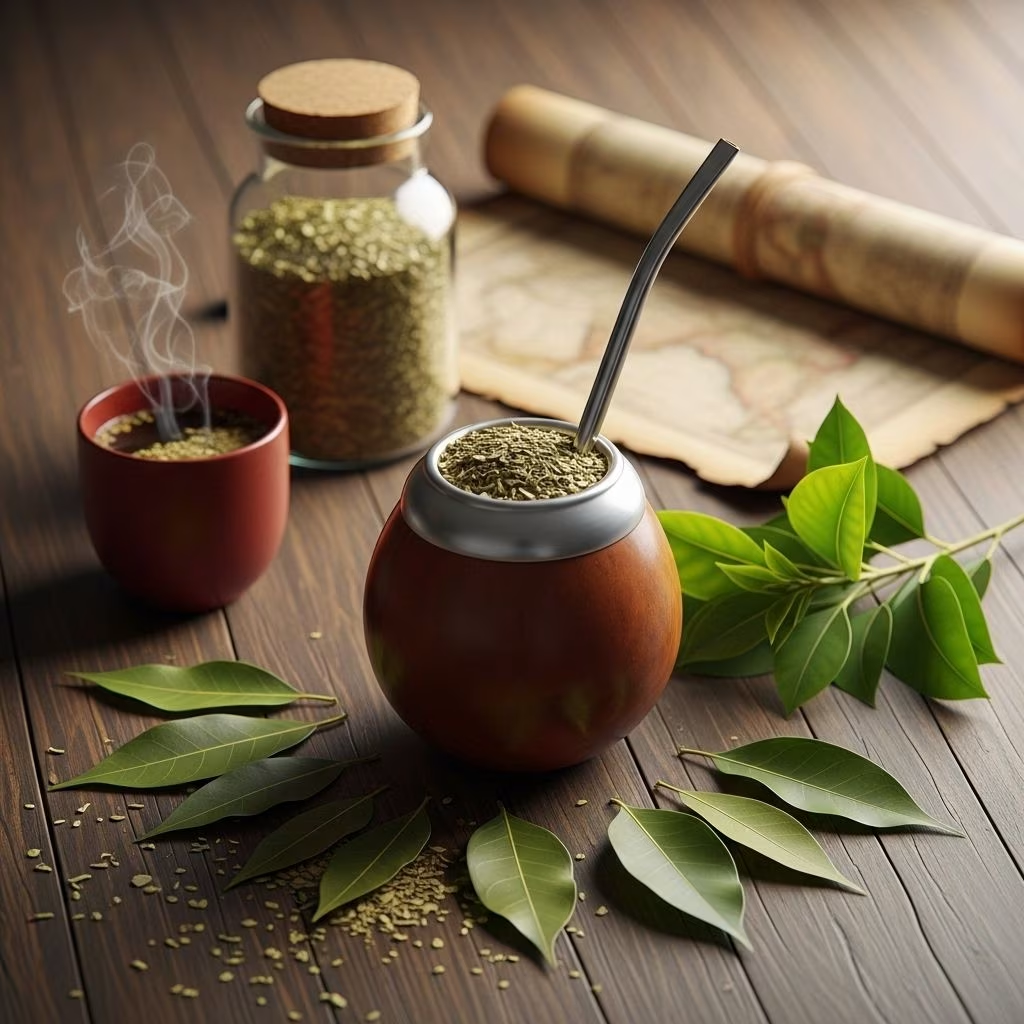
Yerba Maté Leaf: Origins, Health Benefits, Uses, and Sensory Experience
Yerba maté—the leaf of the Ilex paraguariensis plant—has captivated drinkers across South America for hundreds of years. Renowned for its energizing properties and cherished for its unique taste, yerba maté enjoys cultural significance while being touted for a wide range of health benefits. This comprehensive guide examines yerba maté’s history, nutrition, uses, science-backed benefits, and sensory attributes.
Introduction to Yerba Maté
Yerba maté is a herbal tea traditionally made from the dried leaves and stems of the South American rain forest holly tree, Ilex paraguariensis. Consumed for its stimulating, health-promoting qualities, yerba maté stands at the crossroads of tea, coffee, and chocolate—rich in caffeine, antioxidants, and a broad suite of nutrients.
Origins and Cultural History
Yerba maté’s cultural story dates back to indigenous tribes of Paraguay, Argentina, Uruguay, and Brazil. Local peoples honored yerba maté as a gift from the gods, using it during communal gatherings, spiritual rites, and everyday life. Colonists dubbed it the “green gold of the Indios,” and it remains Argentina’s national beverage. Sharing mate from a communal gourd is a powerful gesture of friendship and social bonding.
- Traditional consumption: Sipped from a hollow gourd (calabash) using a metal straw (bombilla) with a filter for leaf fragments.
- Social rituals: Passed from person to person; drinking yerba maté together is a core South American tradition.
- Modern spread: Enjoyed globally in cafes, wellness communities, and among athletes.
Nutritional Profile of Yerba Maté
Yerba maté is recognized as a nutritional powerhouse, packed with a spectrum of antioxidants, amino acids, and trace vitamins and minerals.
| Nutrient | Amount | Benefits |
|---|---|---|
| Caffeine | ~80 mg | Energy boost, mental focus |
| Xanthines (theobromine) | Variable | Mild stimulant, heart health |
| Saponins | – | Immune, anti-inflammatory |
| Polyphenols | – | Antioxidant, disease prevention |
| Vitamin C | Trace | Antioxidant |
| B vitamins (B1, B2, B6) | Trace | Metabolism, energy |
*Nutrient levels vary by preparation and blend
- Contains 24 vitamins and minerals and 15 amino acids
- Low in calories, fat, and sugar
- Not a significant dietary source of macros but rich in micronutrient diversity
Health Benefits
Modern science and traditional wisdom both highlight yerba maté’s manifold health benefits. Though research is ongoing, existing evidence supports various physiological, cognitive, and metabolic effects.
Energy and Mental Focus
- Caffeine content: Similar to coffee (~80 mg per cup), yerba maté provides a reliable energy boost and improved alertness.
- Mental clarity: Regular drinkers report enhanced concentration and cognition without the jitters associated with coffee.
- Mood enhancement: May support improved mood and help with attention-related disorders.
Physical Performance
- Improves exercise performance by increasing fat oxidation and delaying fatigue—useful for athletes and active individuals.
Weight Management
- Stimulates fat breakdown and a sense of satiety, supporting weight loss efforts.
- May aid overeating and regulate eating behaviors.
Heart Health
- Antioxidants and anti-inflammatory compounds may lower the risk of heart disease.
- Theobromine helps relax blood vessels for improved circulation.
- Lowers blood pressure and cholesterol (reduces LDL per preliminary studies).
Immunity and Disease Prevention
- High antioxidant content: Protects cells from oxidative stress and may support immune health.
- Saponins: Boost immune system and modulate inflammatory response, potentially benefiting allergies, arthritis, and autoimmune disorders.
- May help protect against certain cancers, inflammation, and liver diseases.
Bone Health
- Regular consumption increases bone density—even in individuals who do not exercise—particularly among postmenopausal women.
Blood Sugar and Cholesterol Regulation
- Lowers blood sugar levels and supports metabolic health.
- Improves cholesterol profile, reducing LDL for cardiovascular health.
Traditional Medicinal Uses
South American herbalists and naturopaths have used yerba maté as a versatile tonic for:
- Digestive health: Aids digestion and relieves gastrointestinal complaints.
- Pain and fatigue: Believed to restore energy and support recovery.
- Mood disorders: Used as a mild antidepressant in folk medicine.
- Seasonal allergies and sinusitis: Saponins and polyphenols may help modulate immune response and reduce symptoms.
Nearly 100 scientific studies investigate and support these traditional claims, though more robust clinical trials are needed for consensus.
How Yerba Maté Is Used and Prepared
- Traditional Gourd: Place dried leaves in a hollow gourd, pour hot (not boiling) water, and sip via a filtered metal straw (bombilla).
- Infusion: Steep loose leaves in a teapot, French press, or infuser for several minutes and drink as tea.
- Cold Brew (“Tereré”): Prepare yerba maté with cold water and sometimes citrus or herbal infusions for a refreshing summer drink.
- Powder/Supplements: Found in oral supplements, shakes, and capsules for convenience.
- Culinary Uses: Used in chocolates, energy bars, and baked goods for added flavor and function.
Taste Profile and Sensory Experience
Yerba maté’s flavor is complex, strong, and slightly bitter, reminiscent of green tea but with earthier, grassy undertones and subtle notes of smoke—especially when fire-dried. Its unique taste is acquired and can be adjusted based on blend, preparation method, and added ingredients.
| Attribute | Description |
|---|---|
| Bitterness | Moderate to strong, often complimented by a natural sweetness |
| Grassiness | Fresh, vegetal, reminiscent of green tea |
| Earthiness | Distinct earthy undertones, especially in traditional blends |
| Smokiness | Slight, more pronounced if leaves are fire-dried |
| Body | Full, robust, mouth-coating |
- Flavor modifiers: Lemon, orange zest, honey, milk, or herbs can be added to soften bitterness or enhance complexity.
- Acquired taste: Many grow to appreciate its boldness and smoky finish with repeated exposure.
Potential Risks and Side Effects
While yerba maté is generally safe for most people, excessive or long-term consumption may pose risks:
- Caffeine sensitivity: May cause insomnia, jitters, headache, or increased heart rate—similar to coffee.
- Digestive upset: Unusual in moderate intake but possible at high doses.
- Potential cancer link: Preliminary research raises concerns about the risk of esophageal cancer with extremely frequent (and very hot) consumption, most likely explained by the temperature rather than the leaf itself.
- Drug interactions: Some compounds may interact with medications for blood pressure, mood, or heart health; consult a healthcare provider.
Frequently Asked Questions (FAQs)
Q: How much caffeine does yerba maté contain?
A: A standard cup contains about 80 mg—similar to coffee but often with a smoother, less jittery effect.
Q: Is yerba maté safe for daily use?
A: Most people can safely enjoy yerba maté daily; however, those with caffeine sensitivity or certain health conditions should moderate intake and consult with their physician.
Q: Can yerba maté help with weight loss?
A: It may aid weight loss by increasing metabolism and promoting the feeling of fullness, according to preliminary studies.
Q: What is the best way to prepare yerba maté?
A: Traditionally in a gourd with a bombilla, but steeping leaves in hot water using a teapot or infuser is suitable for modern preparation.
Q: How does yerba maté compare to green tea and coffee?
| Beverage | Caffeine Content | Antioxidant Level | Flavor |
|---|---|---|---|
| Yerba Maté | ~80 mg/cup | High | Bitter, earthy, vegetal |
| Green Tea | ~30 mg/cup | Moderate | Mild, grassy |
| Coffee | ~80-120 mg/cup | Moderate | Bitter, roasted, robust |
Q: Can children or pregnant women consume yerba maté?
A: Generally not recommended due to caffeine. Always consult a healthcare professional.
Yerba maté, steeped in tradition and nutrition, delivers a unique combination of energizing and health-promoting qualities. As science continues to explore its benefits, yerba maté’s place at the crossroads of culture, wellness, and flavor makes it an enduring favorite for millions worldwide.


