


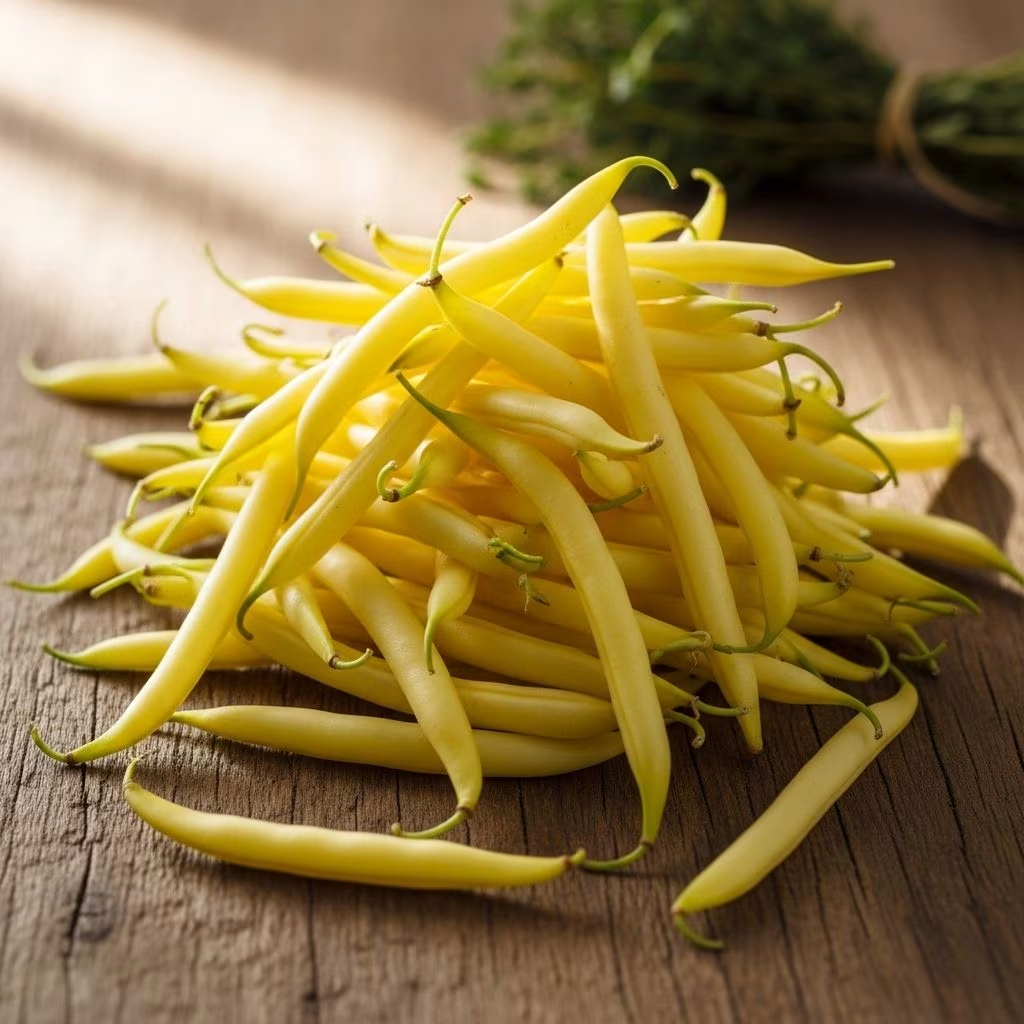
Yellow wax beans are a vibrant, versatile, and nutrient-rich vegetable cherished across global cuisines. Known for their striking yellow hue and tender, mildly sweet flavor, these beans are a staple in markets and gardens, prized for their health benefits and culinary flexibility. This comprehensive guide explores yellow wax beans from their botany and history through health benefits, usage tips, taste, and much more.
Introduction
Yellow wax beans, sometimes referred to as butter beans, stand out on the produce aisle with their sunny color and delicate texture. While often overshadowed by their green cousins, these beans offer a subtle, distinct flavor and a robust nutritional profile. This article provides an in-depth look at what yellow wax beans are, their historical journey, their health advantages, and practical kitchen tips for incorporating them into daily meals.
What Are Yellow Wax Beans?
Yellow wax beans are a cultivar of the Phaseolus vulgaris species, which also includes common green beans. Their defining feature is their pale yellow color, caused by the lack of chlorophyll and the presence of carotenoid pigments. Unlike green beans, which get their color from chlorophyll, yellow wax beans are stringless and have a smooth, sometimes slightly waxy texture. These beans are usually harvested when young, making them crisp and tender for eating raw or cooked.
- Common names: Yellow wax bean, butter bean, Cherokee wax bean.
- Appearance: Slender, uniform pods, ranging from light to deep yellow. Pods are usually 10–15 cm long, with tapered ends.
- Texture: Snap-crisp, tender, and slightly velvety or waxy skin.
- Seasonality: Peaking in summer to early fall, but available year-round in many markets.
Botanical Background and History
Yellow wax beans are direct descendants of the common green bean, first cultivated in Central and South America thousands of years ago. Archaeological evidence traces bean cultivation to Peru about 8,000 years ago. As explorers brought these vegetables to Europe in the 16th century, new varieties emerged — including yellow and purple beans.
- The term “wax” originated in New England, used for any yellow bean regardless of its waxy feel .
- Famous varieties include the Beurre De Rocquencourt (France) and Cherokee Wax bean (USA).
- Today, wax beans are cultivated globally, thriving in temperate zones and enjoyed in home gardens and commercial fields alike.
Historical Fact
The Cherokee Wax bean is named for the Cherokee people and was first brought to public attention by Clemson University in the mid-20th century.
Nutrition and Health Benefits
Yellow wax beans are more than a vibrant addition to the plate. They offer significant nutritional benefits, combining low calories with rich micronutrients. Here’s an overview of their nutritional highlights:
| Nutrient | Content (per 100g, cooked) | Benefit |
|---|---|---|
| Calories | ~31 kcal | Low in calories for weight management |
| Fiber | 2.7 g | Supports digestive health and satiety |
| Vitamin C | ~16 mg (20% DV) | Antioxidant; immunity support |
| Vitamin K | ~14 µg (17% DV) | Bone health, blood clotting |
| Potassium | ~211 mg (5% DV) | Electrolyte balance, blood pressure regulation |
| Folate (B9) | ~33 µg (8% DV) | Cell growth, pregnancy nutrition |
Other micronutrients include magnesium, iron, manganese, and trace carotenoids (lutein and zeaxanthin). Yellow wax beans are naturally low in fat and sodium, making them a heart-healthy food option .
Major Health Benefits
- Digestive Health: The dietary fiber in wax beans supports regular digestion and gut health.
- Immune Support: Vitamin C helps the body fend off viral and bacterial infections.
- Bone Strength: Vitamin K and minerals support healthy bones and blood vessel integrity.
- Antioxidants: Carotenoids and vitamin C protect cells from oxidative damage, potentially lowering chronic disease risk.
- Weight Loss Aid: Their low calorie and high-nutrient density make wax beans suitable for weight management diets.
Allergy and Safety Note
While rare, some people may be allergic to beans. Also, avoid consuming raw beans in large quantities as they contain lectins, natural compounds that can interfere with digestion but are neutralized with proper cooking .
Culinary Uses
Yellow wax beans are exceptionally versatile and can be enjoyed raw, blanched, or cooked. Their visual appeal and tender bite make them popular in both rustic and elegant cuisines.
- Fresh salads: Blanched or lightly steamed beans add snap and sweetness to cold salads.
- Side dishes: Sautéed with garlic, olive oil, and a sprinkle of herbs for a simple accompaniment.
- Stir-fries: Their crisp texture complements noodles, tofu, and various proteins.
- Soups and stews: Holds its structure in long-cooked dishes, adding nutrients and color.
- Pickled beans: Retain their bite and color when pickled in brines.
Yellow wax beans pair well with:
- Lemon or citrus zest
- Nuts (especially almonds and walnuts)
- Fresh herbs (e.g., dill, tarragon)
- Cheeses (feta, goat cheese)
- Tomatoes and red onions
Recipe Highlight: Classic Yellow Wax Bean Salad
- Blanch wax beans for 2–3 minutes until just tender.
- Toss with cherry tomatoes, red onion, olive oil, lemon juice, fresh herbs, and a sprinkle of sea salt.
- Chill and serve as a refreshing side dish.
Taste and Flavor Profile
Yellow wax beans offer a milder profile than green beans. Their taste can be described as:
- Mild: Subtle and delicately sweet, less grassy than green beans.
- Tender-crisp: With youthful pods, they are juicy and snappy when bitten.
- Earthy undertones: Faint nutty and mineral notes, sometimes with a buttery flavor, especially in freshly picked beans.
- Slightly salty: Some people note a natural trace of saltiness, enhancing their appeal in simple preparations.
- Cooking tends to soften the pod’s outer layer, making the flavor mellow.
For more pronounced flavor, use beans harvested at peak freshness and avoid overcooking, which can dull both flavor and color .
Popular Varieties and Cultivation
Several varieties of yellow wax beans exist, with notable differences in size, shape, disease resistance, and yield:
- Cherokee Wax: Bush variety, crisp and disease-resistant .
- Beurre De Rocquencourt: French heirloom, famous for buttery flavor and tender texture .
- Gold Rush: Another popular bush type with abundant yields.
- Improved Golden Wax: Noted for early production and reliability.
Most yellow wax beans are bush types, requiring little to no support, and mature rapidly (usually within 50–55 days from planting).
Home Gardening Tips
- Sow after the last frost for best germination.
- Provide full sun and well-draining soil.
- Space plants 3–4 inches apart in rows 18–24 inches apart.
- Harvest pods when young and slender for best texture.
Preparation and Cooking Methods
Simple handling preserves both the nutritional integrity and delicate flavor of yellow wax beans:
- Washing: Rinse thoroughly and remove stem ends.
- Blanching: Drop in boiling water 2–3 minutes, then transfer to ice water to preserve color and crunch.
- Steaming or sautéing: Briefly cook with a splash of water or oil for tenderness with bite.
- Roasting: Toss beans in olive oil, season, and roast at high heat for a slightly caramelized flavor.
- Eaten raw: Works well in salads or as crudité for dips.
Buying and Storing Yellow Wax Beans
For freshest flavor and nutrition, select yellow wax beans that are:
- Bright yellow and free from brown spots or wrinkling.
- Firm to the touch, snapping crisply when bent.
- Available fresh during summer but also found frozen and occasionally canned in many regions.
Storage Tips: Refrigerate fresh beans in a produce bag or container for up to 5–7 days. Avoid washing until just before use to prolong freshness. Blanched beans can be frozen for several months.
Cultural Significance and Traditional Uses
Though yellow wax beans have not been as heavily referenced in traditional medicine as other legumes, they have been valued in many cultures for their
- Digestive support
- Nourishing energy
- Role in seasonal peasant diets — particularly in regions like France, Central, and South America
In culinary tradition, wax beans are both a comfort food and a symbol of summer harvest. They feature in classic French “haricot” recipes, American picnic salads, and various fusion dishes.
Frequently Asked Questions (FAQs)
Q: Are yellow wax beans the same as green beans?
A: No; while both are Phaseolus vulgaris varieties and share similar shape and taste, yellow wax beans lack chlorophyll, giving them a yellow color and slightly milder flavor.
Q: Can I eat yellow wax beans raw?
A: Yes, yellow wax beans are tender and crisp when raw. However, brief cooking or blanching improves digestibility and taste, especially for larger pods.
Q: How do yellow wax beans compare nutritionally to other beans?
A: Nutrient profiles are similar to green beans—rich in fiber, vitamin C, vitamin K, and potassium, but slightly different in carotenoid content due to color differences.
Q: How should I store yellow wax beans for maximum freshness?
A: Store unwashed beans in the refrigerator in a ventilated bag or container. Use within a week, or blanche and freeze for longer storage.
Q: Are yellow wax beans suitable for special diets?
A: Yes. They are low-carb, low-fat, gluten-free, and suitable for vegan, vegetarian, and paleo diets.
Summary
Yellow wax beans combine visual appeal, delicate flavor, and high nutritional value, making them a favorite among chefs, gardeners, and health-conscious eaters alike. Explore their buttery taste in salads, stir-fries, or simply steamed, and enjoy the many benefits they offer as a wholesome vegetable for any meal.
References
- https://www.wisdomlib.org/ingredients/yellow-wax-beans
- https://www.ufseeds.com/product/cherokee-wax-bean-seeds/BECW.html
- https://specialtyproduce.com/produce/Yellow_Wax_Beans_602.php
- https://naturesproduce.com/encyclopedia/wax-beans/
- https://specialtyproduce.com/produce/Yellow_Wax_Beans_17844.php
- https://ucanr.edu/blog/backyard-gardener/article/some-thoughts-wax-beans
- https://www.growveg.com/guides/yellow-wax-beans-your-in-depth-guide-to-growing-storing-and-cooking/
- https://www.gardeningknowhow.com/edible/vegetables/beans/planting-yellow-wax-beans.htm
- http://waxedbean.blogspot.com/p/what-is-waxed-bean.html


