


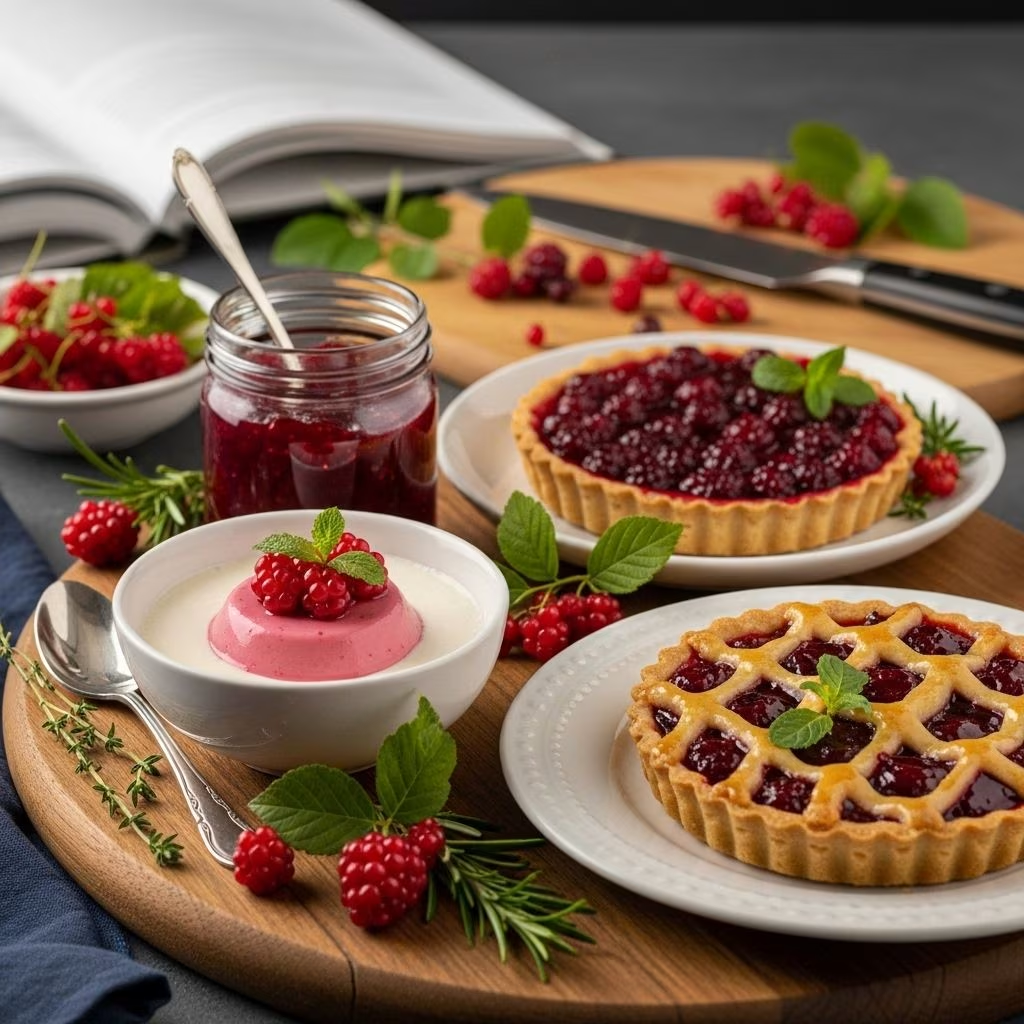
Best Riberry Recipes (+ How to Cook Perfectly)
Riberry—also known as Lilly Pilly—is a native Australian fruit increasingly appreciated by chefs and home cooks for its clove, cinnamon, and nutmeg-like flavours, vibrant color, and versatility across sweet and savoury dishes. Whether making classic jams, sauces, or innovative mains, riberry’s tartness and aromatic profile offer unique culinary opportunities. Here you’ll discover: the best riberry recipes, expert cooking techniques, pairing suggestions, and answers to frequently asked questions.
What is Riberry?
Riberry (Syzgium luehmannii), part of the Lilly Pilly family, is a small oval fruit native to Australia’s east coast. Its taste is mildly sour with rich clove and berry notes, commonly described as reminiscent of cranberries mixed with spice. Vividly pink to purple, riberries add a splash of colour and complex flavour to sweet and savoury dishes alike.
Riberries have long been prized in Indigenous Australian bushfood traditions and are now a sought-after ingredient for artisanal jams, sauces, desserts, and modern Australian cuisine.
Fresh riberries are available in season, but frozen options are increasingly found in specialty stores.
Core characteristics:
- Distinctive clove-like flavour with hints of cinnamon and nutmeg
- Bright colour (pink to purple)
- Pairs well with apples, game meats, and citrus
- Used in jams, sauces, chutneys, desserts, drinks, and more
How to Cook Riberry Perfectly: Tips & Techniques
Riberry can be enjoyed fresh, cooked, candied, or blended. Optimal results are achieved by balancing its tartness with sweet or savoury ingredients. Here’s how to ensure riberry shines in every dish:
- Choose Quality Fruit: Opt for ripe, plump riberries—they should be free from blemishes. Fresh are preferred, but frozen berries maintain much of their character.
- Preparation: Rinse thoroughly and, if required, remove tiny seeds. Some recipes use whole fruit; others call for lightly crushed berries to release more flavour.
- Balancing Flavours: Riberry’s tartness pairs excellently with sweet apples, brown sugar, citrus, and honey in desserts; and balances rich game meats, pork, or chicken in savouries.
- Cooking Methods:
- Sauces & Jams: Simmer gently with sugar and aromatics.
- Mains: Add riberry near the end of cooking to preserve colour and flavour.
- Baking: Mix gently into batters or fruit bases, ensuring even distribution.
- Pickling: Preserves tartness and adds zing to salads and cheese platters.
Expert tip: Always add riberries at the last minute when cooking with other fruits (like apple crumble) to preserve their texture and punchy colour .
Classic Sweet Riberry Recipes
Apple & Riberry Crumble
A true classic—riberry adds spice and tartness to this comforting dessert. Its natural clove nuances mean you can skip extra spice.
- Ingredients: 12 apples, 100g riberries (lightly crushed), 1/4 cup sugar, 1 cup water, Crumble: 1 cup flour, 2 tbsp butter, 1/2 cup dark brown sugar, 1/2 cup rolled oats (optional)
- Instructions:
- Peel, core, and chop apples. Cook in a saucepan with sugar and water for about 30 minutes.
- Add riberries at the last minute, stir through, and transfer to an oven dish.
- Mix flour with butter until crumbs form, add sugar and oats.
- Press crumble over apples and bake 25 minutes at 180°C .
Riberry Jam & Marmalade
Riberry’s strong flavour and natural pectin make it perfect for preserves. Try this with toast, cakes, or as a cheese board accompaniment.
- Simple Riberry Jam: Simmer riberries with equal parts sugar and a splash of lemon juice until thickened. For marmalade, add thinly sliced lemons and limes. Test by placing a drop on a cold plate; it should set minimally .
| Preserve | Main Ingredients | Serving Suggestions |
|---|---|---|
| Riberry Jam | Riberry, sugar, lemon | Breakfast, scones, cheese |
| Riberry Marmalade | Riberry, citrus, sugar | Pork, chicken, cakes |
Candied Riberry
Delicious for confectionery or as a topping for desserts and breakfast bowls.
- Simmer ripe riberries gently in a sugar syrup (4 1/2 cups white sugar to 500g berries) until glossy . Serve on yoghurt, ice cream, or add to fruit salads.
Riberry Cakes & Tarts
- Fold lightly crushed riberries into cake or tart batters for a unique Australian twist. Try combining with apple, pear, or vanilla in tarts for a harmonious flavour profile .
Savoury Riberry Recipes
Riberry Caramel Sauce (for Pork Belly)
- Combine 220g brown sugar and 250ml water; dissolve and boil until caramelised (approx. 6 min). Add 60ml fish sauce, toss in 100g deseeded riberries. Spoon over braised pork belly and serve immediately . Riberry’s tart/spicy note cuts through the richness of the pork.
Chicken Breast with Riberry Marmalade
- Marinate chicken fillets in vinegar, oil, thyme. Coat with riberry marmalade, bake at 180°C until cooked (approx. 30 min). Serve garnished with riberry and citrus slices; nap plate with reserved sauce .
Kangaroo with Riberry Purée & Pickled Riberries
Showcase riberry in modern Australian cuisine with game meats.
- Riberry Purée: Cook onions, garlic, ginger—add riberries and water, simmer, then blend until smooth .
- Pickled Riberries: Bring water, vinegar, and aromatics to 112°C, add riberries and cool .
- Majestic pairing: Plate kangaroo loin sliced, on riberry sauce, garnished with pickled riberries and roasted carrots .
Versatile Riberry Sauces & Jams
Sweet Riberry Sauce for Desserts
Blend riberries cooked with sugar and lemon juice for a vibrant pink sauce—ideal for ice cream, cheesecake, or pancakes .
Riberry Chutney
- Simmer riberries with onions, vinegar, brown sugar, ginger, and spices until thick. This chutney pairs beautifully with cheeses, cured meats, and hearty pies .
Riberry in Main Courses: Modern Bush Food
- Kangaroo Loin: Serve with a generous drizzle of riberry puree and roasted purple carrot .
- Chicken or Emu: Glaze or sauce with riberry marmalade or chutney .
- Braised Pork Belly: Finish with riberry caramel sauce to add complexity and depth .
Creative Riberry Inspirations
- Riberry Sorbet: Blend riberries, sugar, and lemon; churn until frozen for a refreshing treat.
- Riberry Infused Vinegar: Steep riberries in white wine vinegar for a week, strain, and use as salad dressing or pickling liquid.
- Riberry Ice Cream: Stir riberry puree into vanilla ice cream base before freezing for a vibrant pink dessert .
- Cocktail Syrup: Boil riberries with sugar and water—strain, chill, and use in gin cocktails or sparkling lemonade.
Riberry Pairings & Serving Suggestions
- Apple – amplifies the fruit’s complexity in crumbles, pies, and tarts .
- Citrus – lemon, lime, and orange all brighten riberry preserves and sauces .
- Game Meats – kangaroo, emu; riberry purée adds tart lift .
- Pork & Chicken – caramel or sweet sauces, marmalade glazes .
- Cheese Platters – serve jam or chutney alongside creamy and hard cheeses.
- Spices – ginger, cinnamon, anise, clove, and pepper enhance riberry’s natural notes.
Frequently Asked Questions (FAQs)
Q: What does riberry taste like?
A: Riberry tastes tart and aromatic, featuring clove, cinnamon, and cranberry-like notes .
Q: How do I use riberry in cooking?
A: Use riberries in jams, sauces, chutneys, desserts, and as a vibrant accent in savoury dishes. For best results, add near the end of cooking .
Q: Where can I buy riberries?
A: Ribberries are available fresh in season across eastern Australia, or frozen in specialty stores and online .
Q: Can riberries be eaten raw?
A: Yes, riberries can be eaten fresh and have a pleasant flavour, but are most often cooked for use in recipes .
Q: Are riberries healthy?
A: Riberries are high in vitamin C, folate, and minerals, making them a nutritious native ingredient .
Q: What common mistakes should I avoid?
- Overcooking—leads to faded colour and mushy texture.
- Adding too much sugar—overwhelms riberry’s delicate, spicy-sour balance.
- Not balancing with acid—citrus or vinegar helps lift riberry flavour in jams or sauces.
Discover, Cook & Enjoy Australia’s Native Riberry
Riberry carries a delightful blend of native bushfood heritage and modern food culture, adding vibrant colour and sophisticated flavour to contemporary Aussie cuisine. From comforting apple crumbles and fragrant jams to bold savoury mains like kangaroo and pork belly, riberry’s culinary applications are boundless. Begin with fresh, quality fruit, use proven recipes, and experiment with new pairings—your kitchen will never be the same. Explore riberry today, and savour the taste of Australia!
References
- http://bushtuckerrecipes.com/at_the_aussie_table/native-fruits-nuts/lilly-pilly/
- https://10.com.au/appetite-for-change/recipes/kangaroo-with-purple-carrot-riberry-native-pepper/r190614yowgu
- http://www.nintione.com.au/resource/DKCRC_Bush%20Food_IS-8_Riberry_July09.pdf
- https://whowouldathought.wixsite.com/blog/post/riberry
- https://polkadotwedding.com/2020/08/a-native-twist-on-a-classic-flourless-chocolate-riberry-cake-recipe/
- https://www.goodness.com.au/riberry-chickpea-quinoa-salad-with-seared-lamb/
- https://currong.com.au/pages/spicey-riberry-toastie
- https://thatonedish.substack.com/p/a-recipe-for-blood-orange-quince
- https://www.sbs.com.au/food/recipe/strawberry-gum-cherry-and-riberry-tapioca-trifle/vuoi3qhqo


