


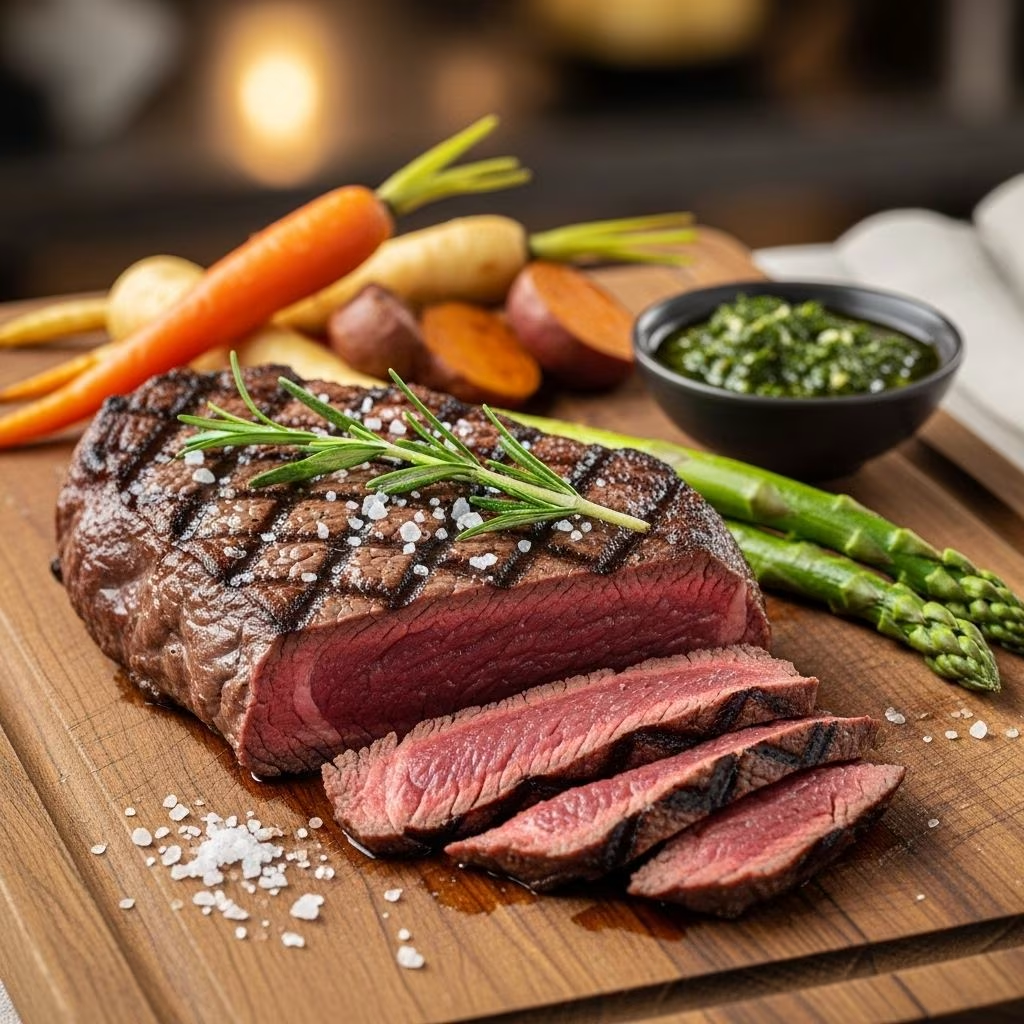
Zebra Meat: Nutrition, Benefits, Uses, and Taste Explained
Zebra meat is gaining attention worldwide as an exotic, lean, and nutritious protein source. While traditionally consumed in African communities, it has found a niche market among athletes, health enthusiasts, and culinary adventurers in Europe and America. This article provides a comprehensive exploration of zebra meat—its origins, nutritional profile, health benefits, legal status, culinary uses, and distinct taste.
What is Zebra Meat?
Zebra meat is the flesh obtained from species in the Equidae family, specifically zebras native to sub-Saharan Africa. Historically, it has been part of the diet in African communities, especially during festivals and special occasions. More recently, it has been introduced as a delicacy in high-end and specialty markets in Europe and North America.
Key Facts About Zebra Meat
- Zebra meat is classified as game meat, similar to venison, ostrich, or bison.
- The Burchell’s zebra is the only species legally farmed for meat in South Africa and is also the main export breed.
- American suppliers offer farm-raised zebra meat from certified sources, shipped within the United States.
- Consumption is subject to regulation to ensure no endangered species are involved.
Nutritional Profile of Zebra Meat
One of the standout characteristics of zebra meat is its impressive nutritional composition, positioning it as a superior alternative to common red meats for health-conscious individuals.
| Nutrient | Amount per 100g | Beef Steak (for comparison) |
|---|---|---|
| Fat | 0.5 g | ~5 g |
| Protein | 28–35 g | 23–25 g |
| Calories (per steak) | 148 | 230 |
| Zinc | High | Moderate |
| Iron | High | Moderate |
| Vitamin B12 | High | High |
| Omega-3 fatty acids | High | Low |
Major Nutritional Advantages
- Extremely low fat: Zebra meat contains only one-tenth the fat of beef and less than chicken, making it one of the leanest meat choices available.
- High protein: With up to 35g of high-quality protein per serving, zebra is competitive with other red meats and excellent for muscle repair and growth.
- Rich in micronutrients: It is especially high in zinc (immune and thyroid health), iron (oxygen transport), vitamin B12 (energy and nerve function), and omega-3 fatty acids (cell health and cardiovascular wellness).
- Lower calorie content: Zebra steaks typically contain around a third fewer calories than beef steak, supporting weight management goals.
Health Benefits of Zebra Meat
Many nutritionists and fitness experts recommend game meats like zebra due to their superior composition and positive effects on health.
- Weight management: The combination of low fat and high protein assists with satiety and muscle maintenance while supporting fat loss.
- Heart health: Higher levels of unsaturated fatty acids and omega-3s contribute to cardiovascular health and may help manage blood pressure.
- Immune support: Zinc, iron, and other micronutrients reinforce immune system function and overall vitality.
- Energy and cognitive health: Vitamin B12 is vital for neurological health, energy production, and even mood stability.
- Muscle repair and athletic performance: Protein, zinc, and omega-3s positively affect muscle repair and athletic recovery.
- Suitable for various diets: Zebra meat fits paleo, high-protein, and low-fat dietary regimens due to its clean and lean profile.
Uses and Cooking Methods
As zebra meat enters gourmet marketplaces, it is prized for its versatility and unique flavors. Chefs and home cooks alike explore its properties through multiple preparation styles.
Common Cuts & Products
- Zebra tenderloin: prized for its tenderness, often served grilled or broiled.
- Zebra strip steak: cut similar to beef strip; best for searing or grilling.
- Zebra porterhouse and T-bone steaks: popular for thick, juicy servings.
- Zebra stew meat: cubed for slow-cooked dishes or chili, becoming tender over longer cooking times.
Popular Dishes Featuring Zebra Meat
- Grilled zebra steak (marinated to enhance its savory notes)
- Zebra stew (with root vegetables and aromatic spices, slow-cooked for several hours)
- Exotic chili (paired with beans and chili peppers for depth)
- Cured zebra meat or jerky for high-protein snacks
- Zebra burgers or meatballs (occasionally paired with strong cheeses or tangy relishes)
Cooking Tips
- Due to low fat, zebra meat can dry out quickly—short cooking times at high heat or slow braising with moisture are best.
- Pairing with robust spices and marinades can enhance its naturally sweet, gamey flavor.
- Always cook zebra meat to recommended temperatures to ensure food safety with wild game.
Taste and Flavor Profile
The taste of zebra meat is distinct from familiar domestic meats. It is often described as sweeter than beef with a subtle, gamey undertone. The flavor is appreciated most by those already accustomed to game meats such as venison, elk, or bison.
Characteristics of Zebra Meat’s Taste
- Sweeter than beef: Among testers, hindquarter cuts are mild and subtly sweet.
- Gamey flavor: Noticeable wild undertones make zebra more flavorful than most farm-raised meats, with a flavor reminiscent of robust game varieties.
- Color: Raw zebra meat is bright red, a visual indicator of its purity and leanness.
- Texture: Firm, slightly more fibrous than beef, but tender when properly cooked.
- Best appeal: Suits adventurous eaters and game enthusiasts seeking stronger, more complex meat flavors.
Zebra Meat vs Other Meats
| Aspect | Zebra Meat | Beef | Chicken | Venison |
|---|---|---|---|---|
| Fat | Very low (0.5g/100g) | High (5g/100g) | Low (1-2g/100g) | Very low (1g/100g) |
| Protein | 28–35g/100g | 23–25g/100g | 20–23g/100g | 22–25g/100g |
| Flavor | Sweet, gamey | Rich, mild | Mild | Earthy, gamey |
| Calories | 148 per steak | 230 per steak | 140–160 per breast | 155 per steak |
| Micronutrients | High Zinc, Iron, B12, Omega-3s | Moderate Iron, B12 | Moderate Iron | High Iron, B12 |
| Legality | Legal if not endangered | Legal anywhere | Legal anywhere | Legal as game meat |
Sourcing, Legal Status, and Sustainability
Zebra meat’s commercial availability is regulated, with strict adherence to conservation laws:
- South Africa is the main producer, farming Burchell’s zebra for meat exports.
- American suppliers use zebras bred, raised, and harvested according to animal welfare regulations.
- Legal sale is permitted as long as the species is not endangered; the FDA and other authorities monitor compliance.
- Consumers should verify ethical sourcing and sustainability practices when purchasing zebra meat.
- Endangered zebra species or those threatened by habitat loss are not used for meat production or legal trade.
Frequently Asked Questions (FAQs)
Q: Is zebra meat safe to eat?
Yes, provided it comes from non-endangered species raised and processed under regulated standards. Game meat must be properly handled and cooked to ensure food safety.
Q: What does zebra meat taste like?
Zebra meat is described as sweet, subtly gamey, and closer to beef than horse or venison. Hindquarter cuts are especially tender and mild.
Q: Where can I buy zebra meat?
Specialty retailers, gourmet markets, and select online suppliers in the US, UK, and South Africa offer farm-raised zebra cuts, usually shipped fresh or frozen.
Q: Is it legal to sell or consume zebra meat?
Yes, as long as it is sourced from legally farmed, non-endangered zebras and meets national and local food safety regulations. Always check for supplier certification and regulatory compliance.
Q: What are the health risks associated with zebra meat?
Similar to other game meats, properly sourced and cooked zebra meat poses minimal health risks. However, always adhere to cooking guidelines and buy from reputable suppliers.
Conclusion
Zebra meat stands out as a nutritious, exotic, and uniquely flavored red meat, prized for its low fat, high protein, and micronutrient content. Its culinary versatility, legal availability, and health benefits position it as an appealing choice for adventurous eaters and those pursuing a wholesome diet. When sourced responsibly, zebra meat offers a rare opportunity to enjoy a true taste of Africa, with flavors and benefits unmatched by conventional meats.
References
- https://a-z-animals.com/blog/zebra-meat/
- https://www.exoticmeatmarkets.com/category-s/1047.htm
- https://www.the-independent.com/life-style/food-and-drink/zebra-meat-exotic-and-lean-but-does-it-taste-good-9623700.html
- https://time.com/3033951/exotic-zebra-meat-protein/
- https://pmc.ncbi.nlm.nih.gov/articles/PMC9818002/
- https://study.com/academy/lesson/what-do-zebras-eat-lesson-for-kids.html


