


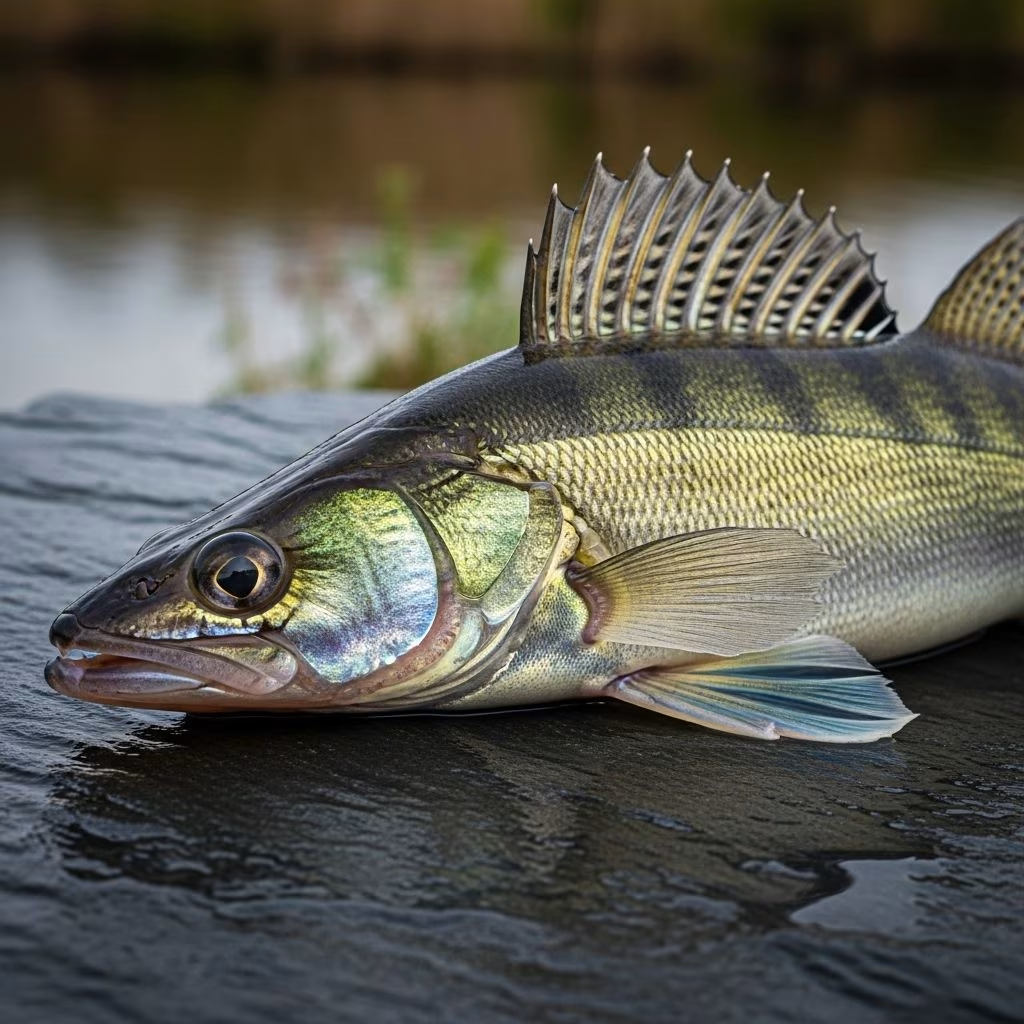
A comprehensive guide to the zander fish—understanding its biology, health advantages, wide-ranging uses, and what makes its taste sought after across Europe and beyond.
- Table of Contents
- Introduction
- Origin and Taxonomy
- Biological Characteristics
- Distribution and Habitat
- Life Cycle and Behavior
- Nutritional Profile of Zander
- Health Benefits of Eating Zander
- Culinary Uses
- Taste Profile
- Fishing and Aquaculture
- Ecological Impact and Conservation
- Zander vs. Other Popular Fish
- Frequently Asked Questions
Introduction
The zander (Sander lucioperca), sometimes known as pikeperch or simply sander, is a species of ray-finned predatory fish from the family Percidae, best known as the largest and most impressive perch in Europe. With its streamlined, muscular appearance, prized white flesh, and unique ecological adaptations, the zander is a star in European waters, a delicacy in renowned cuisines, and an emerging focus in aquaculture.
Origin and Taxonomy
The zander has a rich evolutionary background within the Percidae family, closely related to species like the North American walleye. First formally described in 1758 by Linnaeus, the zander—initially named Perca lucioperca—is now the type species of the genus Sander, which represents its European lineage. Fossil evidence dates the existence of the zander back to the Late Miocene era, emphasizing its longstanding presence in Eurasian aquatic ecosystems.
| Common Names | Zander, Pikeperch, Sander |
|---|---|
| Scientific Name | Sander lucioperca |
| Family | Percidae (perches and relatives) |
| Related Species | European perch, ruffe, darter, walleye |
Biological Characteristics
- Size: Zander can grow up to 120 cm (47 in) long and weigh as much as 15–20 kg (44 lbs), though typical specimens are noticeably smaller.
- Lifespan: Up to 20 years in ideal conditions.
- Appearance: The body is long, streamlined, with a green-brown back, dark vertical stripes along the sides, and a cream to silvery-white underbelly. The caudal (tail) fin is dark, while other fins can be pale or off-white, often with black spots.
- Jaws and Teeth: Zander boast a wide mouth and pronounced sharp fangs, including two long canines in each jaw—giving them a signature predatory look.
- Eyes: Large, opaque in murky waters for enhanced low-light vision.
- Dorsal Fin: Split configuration, a key perch family trait—13–20 spines in the first section, softer rays in the second.
- No Sexual Dimorphism: Males and females look virtually identical.
Distribution and Habitat
Zander inhabit freshwater and occasionally brackish water across Western Eurasia, thriving in lakes, rivers, and reservoirs. Their range covers most of continental Europe (except extreme northern Scandinavia, northern Russia, and the southern Balkans), extending into parts of Western and Central Asia.
- Preferred Habitat: Deep lakes, slow-moving or still rivers, and reservoirs with cloudy or turbid waters—zander are expertly adapted to low-visibility conditions.
- Behavior: They tend to be bottom dwellers and favor waters at several meters depth, where they hunt small fish like perch, roach, bream, and gudgeon.
Life Cycle and Behavior
- Diet: Zander are voracious piscivores (fish-eaters), preying primarily on smaller fish species.
- Predators: Natural enemies include large birds like the gray heron.
- Sexual Maturity: Typically reached between ages 3 and 5.
- Mating Season: March through June.
- Spawning Behavior: Males dig nests in shallow, riparian zones (up to 3 meters deep). Females lay up to 200,000 sticky eggs, which are attached to submerged plants, roots, or stones. The male guards both the eggs and the fry post-hatching.
- Larval Development: Larvae hatch after about a week, initially feeding on plankton and later on eggs and young of other fish.
- Longevity: Can live as long as 20 years, though many succumb earlier due to predation and fishing.
Nutritional Profile of Zander
Zander is celebrated as an outstanding source of lean, high-quality protein and essential nutrients. Its firm, white flesh is low in fat and especially prized in cuisines that prioritize clean flavors and healthy ingredients.
| Nutrient | Amount (per 100g) | Health Highlights |
|---|---|---|
| Calories | 80–95 kcal | Low energy density |
| Protein | ~18–20 g | Supports muscle, tissue repair |
| Fat | ~0.5–2 g | Very low fat content |
| Omega-3 | Moderate | Supports cardiovascular health |
| Cholesterol | Low-moderate | Lower than fatty fish |
| Vitamins | B-complex (B12, B6), D | Brain and immune support |
| Minerals | Selenium, zinc, phosphorus | Immune and bone health |
Note: Exact nutritional values can vary depending on habitat, diet, and season.
Health Benefits of Eating Zander
- Excellent Protein Source: Provides all essential amino acids, fueling growth and tissue maintenance.
- Low in Saturated Fat: A top choice for heart-healthy diets, with significantly less fat than many other white fish.
- Omega-3 Fatty Acids: Contains moderate levels of omega-3s, supporting cardiovascular and neurological health.
- Vitamin-Rich: High in B12 and B6, which are crucial for nervous system function and energy metabolism. Vitamin D supports bone strength.
- Minerals: Selenium acts as an antioxidant; phosphorus and zinc are important for immunity and cellular functions.
- Easy to Digest: Lean flesh is suitable for children, the elderly, or those with digestive sensitivities.
- Low Mercury Risk: Zander typically contain much lower mercury levels than predatory ocean fish.
Culinary Uses
Zander’s delicate, firm flesh and lack of small bones make it one of the most versatile fish in European kitchens. Its mild, sweet taste and adaptable texture lend themselves to a wide range of preparations.
- Fillet Preparation: Zander is often served as thick, boneless fillets, which hold together well under heat.
- Pan-frying and Grilling: Fillets can be quickly seared to achieve a crispy skin while retaining moist, flaking flesh.
- Poaching and Steaming: Maintains the fish’s mild flavor and delicate texture.
- Baking and Broiling: Larger fillets or whole fish fare well in the oven with simple herbs or sauces.
- Fish Farce and Mousseline: The compact, white meat is ideal for creating fine-textured fish mousses or farces in haute cuisine.
- Soups and Stews: Zander is commonly included in hearty fish soups, notably in Central and Eastern European traditions.
- Popular Dishes: Classic preparations include pan-seared zander with beurre blanc in France, zander with paprika in Hungary, and zander fillet with potato cakes in Germany.
Taste Profile
- Flavor: Mild, subtly sweet, and notably clean-tasting—less “fishy” than carp or even sea bass.
- Texture: Firm and compact yet flakey when cooked, suitable for delicate or hearty recipes alike.
- Comparison: Often likened to walleye or perch in flavor and texture, but with larger, meatier fillets.
- Visual Appeal: The flesh is bright white, which remains attractive after cooking.
- Bones: Few small bones, facilitating easy preparation and enjoyment.
Chefs praise zander for its culinary versatility, subtle flavor, and ability to highlight seasoning without overpowering accompanying ingredients.
Fishing and Aquaculture
- Game Fish: Zander is one of Europe’s most prized freshwater sportfish, valued for both size and fighting spirit—though some anglers note it provides less of a struggle than pike.
- Methods: Common angling approaches include lure fishing and bait fishing targeting adults in lakes and rivers.
- Aquaculture: Zander is increasingly cultivated due to its fast growth, high tolerance for dense stocking, and market appeal. The species is seen as promising for diversifying and increasing sustainable fish production in Europe.
- Commercial Fishing: Zander is a leading target for fisheries in areas like Germany, Hungary, and Russia.
Ecological Impact and Conservation
- Status: Assessed as “Least Concern” by the IUCN.
- Invasiveness: Zander has been introduced into many non-native waters for angling or commercial purposes. In some regions, this has led to ecological disruption, as it aggressively preys on native fish.
- Natural Range: Within its native habitat, zander plays an important ecological role as a top predator, helping regulate populations of smaller fish species.
- Protection: While not currently threatened, local monitoring of zander populations is necessary to prevent overfishing and to mitigate negative impacts where it has become invasive.
Zander vs. Other Popular Fish
| Feature | Zander | Pike | Walleye | Perch |
|---|---|---|---|---|
| Scientific Name | Sander lucioperca | Esox lucius | Sander vitreus | Perca fluviatilis |
| Max Length | 120 cm | 150 cm | 76 cm | 60 cm |
| Flavor | Mild, clean | Stronger, more gamey | Mild, similar to zander | Delicate, sweet |
| Fat Content | Very low | Low | Low | Low |
| Main Culinary Uses | Fillet, poach, grill | Bake, grill | Fry, grill | Fry, bake |
Frequently Asked Questions (FAQs)
Q: Is zander safe to eat?
A: Yes, zander is considered safe and healthy to eat, with low mercury levels compared to many other predatory fish.
Q: What does zander taste like?
A: Zander has a mild, slightly sweet, and clean flavor with a firm yet flaky texture—often compared to walleye or perch but with thicker, meatier fillets.
Q: How should zander be cooked?
A: Zander is versatile and works well grilled, pan-fried, baked, or poached. Its firm flesh holds up to various recipes and sauces.
Q: Is zander the same as walleye?
A: No, but they are closely related. Both belong to the genus Sander and are similar in taste and appearance, but zander is native to Europe and Asia, while walleye is found in North America.
Q: Is zander endangered?
A: No, the zander is classified as “Least Concern” by conservation authorities, and populations are stable throughout most of its natural range. However, local management is essential where it is considered an invasive species.
References
- https://en.wikipedia.org/wiki/Zander
- https://www.kaiserzander.de/en/zander/
- https://badangling.com/coarse-fish-species/zander/
- https://www.invadingspecies.com/invaders/fish/zander-2/
- https://www.fws.gov/sites/default/files/documents/Ecological-Risk-Screening-Summary-Zander.pdf
- https://nas.er.usgs.gov/queries/factsheet.aspx?SpeciesID=830
- https://canalrivertrust.org.uk/things-to-do/fishing/caring-for-our-fish/invasive-and-non-native-fish/zander
- https://www.michigan.gov/invasives/id-report/fish/zander


