


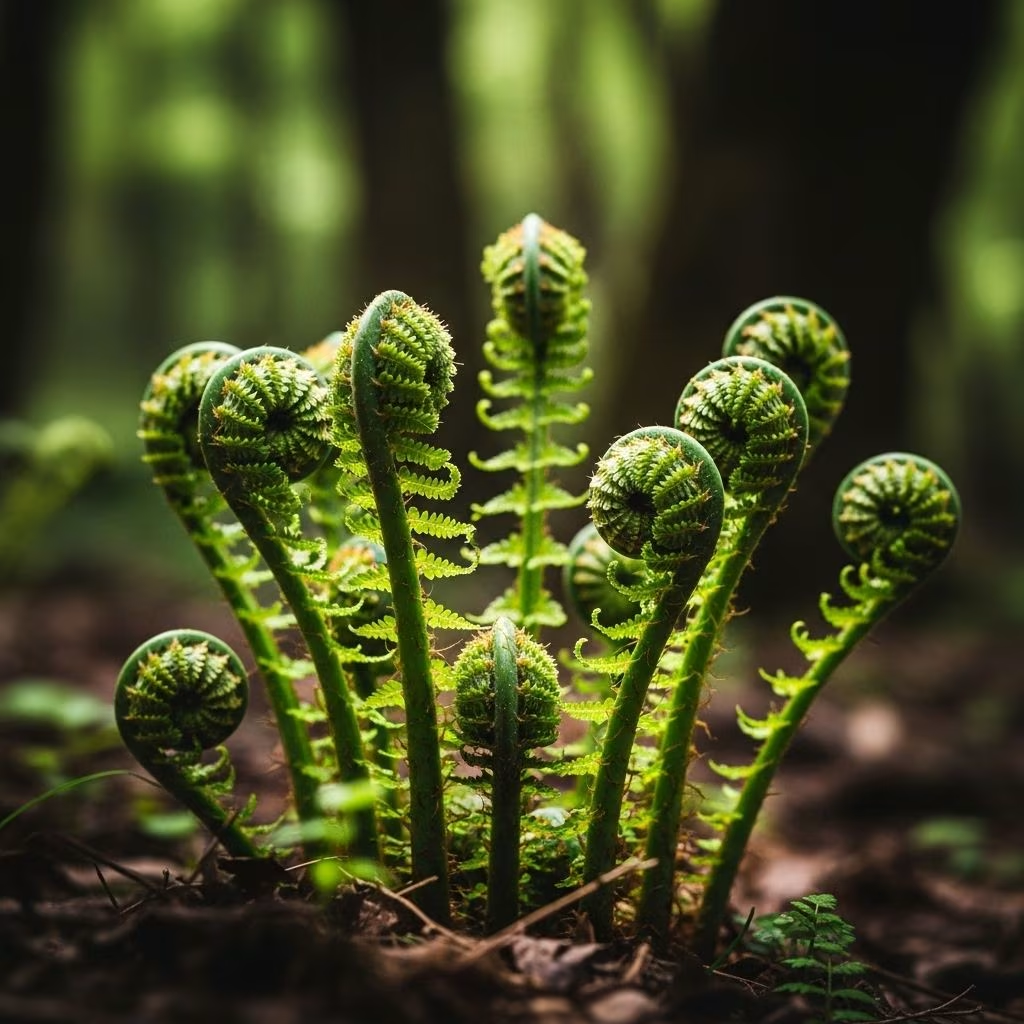
Zenmai, a traditional spring delicacy in East Asian cuisine and an important natural material in cultural crafts, refers to the young shoots of the Osmunda japonica fern. Known for its coiled “fiddlehead” form and distinctive texture, Zenmai is appreciated not only for its culinary qualities but also for its role in folk practices, textile crafts, and rural traditions. This guide takes an in-depth look at Zenmai: its botanical background, nutritional profile, historical significance, culinary applications, and taste.
Zenmai Overview
Zenmai (ゼンマイ) is the Japanese name for the edible spring shoots of the Osmunda japonica fern. The plant produces curled, hairy shoots in early spring, which are prized for their unique appearance and used as both food and crafting material. Zenmai is native to East Asia, especially Japan, Korea, China, and parts of the Himalayas, and is found in moist, forested areas and near streams or ditches, thriving from low hills to mountainous regions.
Botanical Background
- Scientific name: Osmunda japonica
- Family: Osmundaceae
- Common names: Zenmai (Japanese), Flowering Fern
- Growth: Deciduous perennial, producing new shoots (fiddleheads) in spring.
- Height: Up to 1 meter when mature.
The young, spiraled leaves are covered with a soft, brownish hair or “cotton.” This gives Zenmai shoots their signature fuzzy appearance, which inspired their Japanese name—the coils resemble an old coin called “zenmaki.”
Zenmai Varieties and Related Ferns
- Osmunda japonica (Japanese Zenmai): Most commonly consumed.
- Osmunda cinnamomea: Known as Yamadori Zenmai or Cinnamon Fern in some regions.
- Osmunda claytoniana, Osmunda regalis: Related but less commonly used for food in East Asia.
Cultural and Historical Significance
In Japan, Zenmai has been harvested for centuries and plays a prominent role in seasonal festivals and rural traditions. Mountain villagers historically used every part of the plant: the cottony covering of the young fern was spun into thread for winter clothing or mixed with other fibers due to its water-resistance. The plant’s name also lent itself to “zenmai-bane,” a type of coil spring in old Japanese clock mechanisms, inspired by the shape of the spirelled shoot.
Culinary use developed not only from necessity but also from an appreciation for wild foods (known as sansai in Japan), which symbolize the arrival of spring and reconnect people with nature.
Nutritional Benefits of Zenmai
Zenmai is considered a healthy, low-calorie food packed with beneficial nutrients. Its profile typically includes:
- Vitamin A and beta-carotene: Supports vision, skin, and immune health.
- Vitamin C: An antioxidant, aids in tissue repair.
- Fiber: Promotes digestive health and satiety.
- Potassium, calcium, magnesium: Essential minerals for nerve and muscle function.
- Iron: Supports red blood cell production.
Zenmai is cholesterol-free, fat-free, and provides a source of plant protein. These combined attributes make it a valuable wild vegetable for balanced, nutrient-rich diets, particularly in traditional Japanese and Korean cuisine.
Culinary Uses of Zenmai
Zenmai is appreciated for its versatility in the kitchen. Once processed correctly, the young shoots become tender, lightly earthy, and mildly sweet, making them ideal for various savory dishes.
Popular Ways to Eat Zenmai
- Nimono (simmered dishes): Zenmai is often simmered with soy sauce, sugar, sake, and mirin, serving as a side or topping in rice bowls and set meals.
- Ohitashi (blanched salads): Lightly boiled and served with soy sauce, sesame seeds, or bonito flakes.
- Seasoned for sushi or rice: Mixed with rice or as a filling for inari-zushi (seasoned tofu pockets).
- Soup ingredient: Adds earthy flavor and unique mouthfeel to miso soup or clear broths.
- Stir-fried: Cooked with other vegetables or meat for Korean-style namul (seasoned vegetable side dish) or Japanese stir-fries.
- Pickled (tsukemono): Preserved in vinegar, salt, or soy brine.
Traditional Dishes Featuring Zenmai
- Japanese: Zenmai no Nimono, Sansai Gohan (wild vegetable rice), Chawanmushi (savory egg custard with wild greens).
- Korean: Gosari Namul (seasoned bracken fern), Bibimbap (mixed rice bowl with various wild herbs including Zenmai or other ferns).
Zenmai Taste and Texture
Properly prepared Zenmai is renowned for:
- Texture: Soft, slightly chewy, and delicate, holding its shape after simmering.
- Taste: Mildly earthy, somewhat nutty, and green—less bitter than many other edible ferns. It absorbs the flavors of seasoning and broths, making it highly versatile in both simple and elaborate preparations.
- Aroma: Subtle, vegetal fragrance reminiscent of young green beans or asparagus after cooking.
Unlike the bracken fern (warabi), Zenmai requires slightly longer soaking and cooking but results in a silkier consistency and a milder flavor profile, with almost no residual bitterness if processed properly.
Harvesting and Preparation Methods
Zenmai season spans from April to June, when the young shoots emerge and are coiled tight with hair or “cotton.” Harvesters seek these springs in wild, moist regions. Because fresh Zenmai contains certain compounds that can be irritating or mildly toxic, it must be processed before consumption.
Zenmai Preparation: Step-by-Step
- Harvest young, coiled shoots (fiddleheads) while still covered in cottony hair.
- Remove the hairs by rubbing or briefly blanching, then rinse the shoots thoroughly.
- Soak Zenmai in water overnight to leach out bitterness and tannins.
- Boil in plenty of water for up to 15–30 minutes until tender, then shock in cold water.
- Dry for preservation (optional): Zenmai is often sun-dried, stored for months, and reconstituted before use, which deepens the flavor and softens the fiber.
This processing is essential for edibility and optimum taste. Sun-dried Zenmai, when rehydrated, gains a uniquely silky texture prized in Japanese cuisine.
Non-Culinary Applications
Aside from being a food, Zenmai played a historic role in rural craft and daily life:
- Textiles: The durable, waterproof fibers of Zenmai “cotton” (the fuzzy down) were used to spin thread or added to traditional cloth for insulation and water resistance.
- Fly Tying: In Japanese tenkara fishing, Zenmai down is still used for dubbing—the process of creating a fly body—for its water repellence and supple texture.
- Namesakes: The unique spiral inspired the name of mechanical coil springs (zenmai-bane) in old Japanese timepieces.
Zenmai vs. Other Edible Ferns
| Fern | Botanical Name | Main Region | Common Usage | Taste Profile |
|---|---|---|---|---|
| Zenmai | Osmunda japonica | Japan, East Asia | Nimono, pickles, salads, soups | Mild, earthy, slightly sweet |
| Bracken (Warabi/Gosari) | Pteridium aquilinum | Japan, Korea, China | Nimono, rice bowls, namul | Bitter, robust, grassy |
| Fiddlehead Fern | Matteuccia struthiopteris | Northern Hemisphere | Salads, sautéed, soups | Fresh, grassy, asparagus-like |
Buying, Storing, and Seasonality
- Fresh Zenmai is sold in Asian farmers’ markets or foraged in early spring.
- Processed Zenmai is available dried year-round in Japanese and Korean specialty stores.
- Storage: Dried Zenmai keeps for up to a year in a cool, dry place. Rehydrate in water before use.
Look for firm, coiled shoots with exposure to minimal light, and without any smell of mold when buying dried Zenmai.
Popular Zenmai Recipes
1. Zenmai no Nimono (Simmered Zenmai)
- Rehydrate dried Zenmai overnight.
- Simmer in dashi (broth) with soy sauce, mirin, sugar, and a touch of sake.
- Optionally, cook with carrots, bamboo shoots, or fried tofu for a classic Japanese side dish.
2. Zenmai Namul (Korean-Style Seasoned Zenmai)
- Boil Zenmai, drain, and let cool.
- Sauté with garlic, sesame oil, soy sauce, and sesame seeds to taste.
- Serve as a banchan (side dish) or as a topping for bibimbap.
3. Zenmai Tempura
- Dip blanched fresh Zenmai in tempura batter.
- Deep-fry until golden and crisp.
- Serve hot with dipping sauce.
Frequently Asked Questions (FAQs)
Q: Is Zenmai safe to eat raw?
A: No, Zenmai should never be eaten raw. It requires boiling and soaking to remove natural bitterness and mildly toxic substances found in many ferns.
Q: How does Zenmai differ from bracken (warabi)?
A: Zenmai (Osmunda japonica) is usually softer, less bitter, and silkier than bracken fern (Pteridium aquilinum, warabi), which is more robust and has a stronger taste.
Q: Can Zenmai be foraged outside Japan?
A: Yes, Osmunda japonica grows in Korea, China, and parts of the Himalayas, and related species are found broadly across the Northern Hemisphere, except Australasia.
Q: What are traditional non-food uses of Zenmai?
A: Zenmai’s cotton is used for traditional spinning, winter clothing, fishing fly-tying, and as inspiration for the “zenmai-bane” coil spring mechanism.
Q: When is Zenmai in season?
A: Zenmai shoots are generally harvested from April through June, depending on the climate and location.
References
- https://tenkarausa.com/blogs/tenkara-fishing-tips/fly-tying-material-zenmai-fern-dubbing
- https://www.takao599museum.jp/treasures/plants/%E3%82%BC%E3%83%B3%E3%83%9E%E3%82%A4%E7%A7%91/610/?lang=en
- http://www.hi-ho.ne.jp/amago/b-streams/flytying/zenmai.html?width=600&height=499
- https://microbenotes.com/osmunda/
- https://en.wikipedia.org/wiki/Osmunda_japonica
- https://www.designingyourlife.coach/blog/2021/2/25/zenmai-a-practice-of-unfoldment-in-nature
- https://pfaf.org/user/Plant.aspx?LatinName=Osmunda+japonica
- https://www.bloomindesigns.com/osmunda/
- https://dnr.illinois.gov/education/wildaboutpages/wildaboutplants/wildaboutplantsferns/waproyalfern.html


