


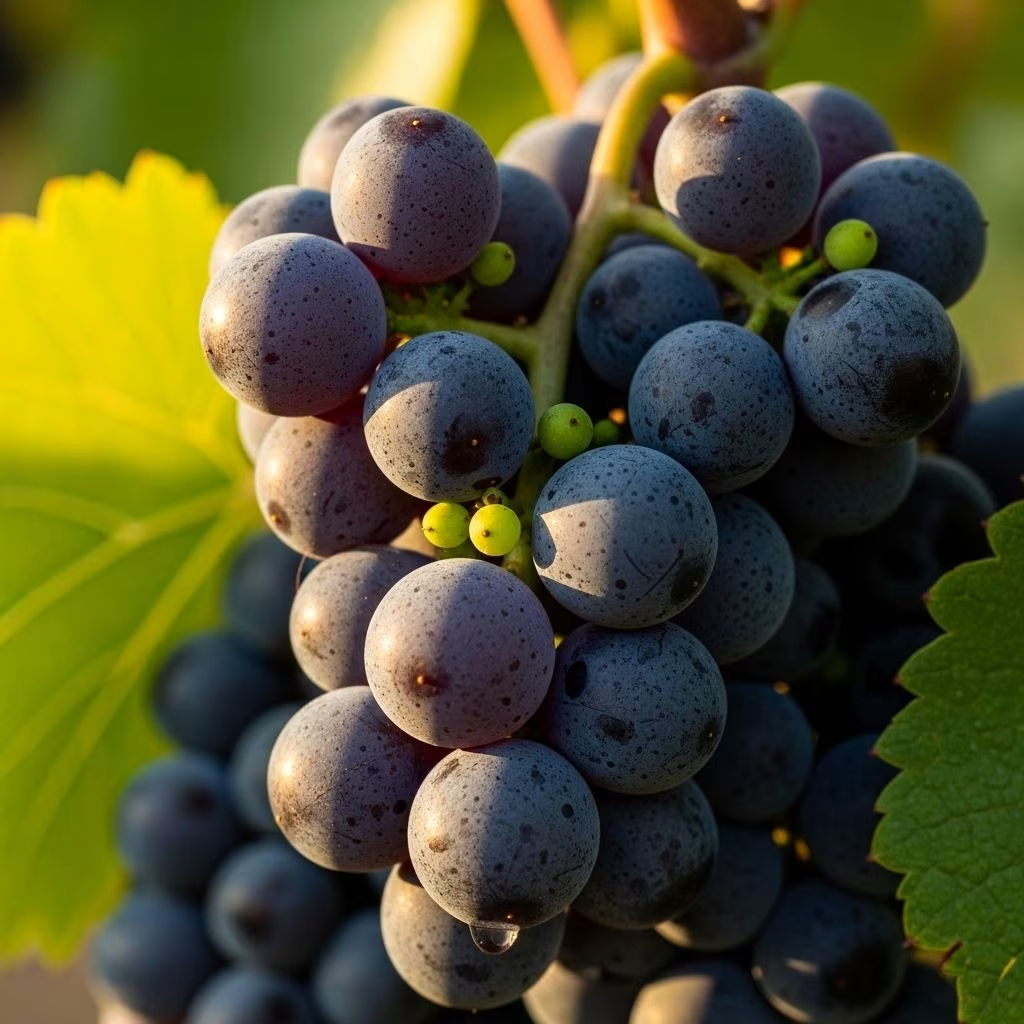
Zinfandel stands out as one of the most expressive and versatile grape varieties in the world of wine. With its storied past, distinct flavor profile, and wide-ranging use in iconic wines, Zinfandel grape has captivated wine lovers across generations. This comprehensive guide explores everything you need to know about Zinfandel grape—its history, health benefits, uses, and unmistakable taste.
What Is Zinfandel Grape?
Zinfandel, also known as Primitivo (in Italy), is a black-skinned grape varietal primarily used for winemaking. Today, it is cultivated in over 10 percent of California’s vineyards and remains highly regarded for producing robust red wines and popular blush-style wines such as White Zinfandel. DNA analysis has established that Zinfandel is genetically identical to Croatia’s Crljenak Kaštelanski and Italy’s Primitivo grapes.
- Classification: Black-skinned grape variety
- Main Growing Regions: California, Croatia (Dalmatia), Italy (Apulia), USA (Northeast, West Coast)
- Primary Use: Winemaking (red, rosé, and even some fortified styles)
- Parentage: Genetically linked to European grape species Vitis vinifera
Origin and Historical Journey
The journey of Zinfandel across continents is a tapestry of botany, migration, and innovation.
Roots in Croatia and Italy
Zinfandel’s genetic lineage traces back to Croatian grapes such as Crljenak Kaštelanski and Pribidrag. It reached Apulia, Italy by the 18th century, where it is called Primitivo.
Arrival and Expansion in the United States
- Zinfandel cuttings arrived in the U.S. in the 1820s via Long Island, NY, from Austria.
- By the 1830s, it became known as “Zinfendel” and was planted in the U.S. Northeast as a table grape.
- During the California Gold Rush of the 1850s, the grape migrated west and flourished as a wine grape.
- Survived Prohibition thanks to an allowance for home winemaking, and rebounded strongly afterward.
By the mid-20th century, Zinfandel was the third most-crushed grape in California, after Cabernet Sauvignon and Chardonnay. The 1970s saw a surge in popularity with the creation of White Zinfandel, a sweet, light rosé by Sutter Home Winery, further cementing its legacy.
Cultivation, Terroir, and Viticulture
The adaptability of Zinfandel grapes is evident in the diversity of locations and microclimates where they thrive.
Ideal Growing Conditions
- Climate: Prefers sun-drenched, warm climates but shows versatility in cooler zones.
- Soil Types: Well-drained soils are optimal; regions vary from sandy loam to rocky terrains.
- Altitude and Rainfall: Moderately elevated vineyards with controlled rainfall encourage balanced sugar and acidity.
- Harvest Timing: Usually late September to early October, depending on region and ripeness desired.
Zinfandel grapes are typically small and thin-skinned, leading to a lower skin-to-juice ratio and sometimes higher tannin levels in wine. Their high sugar content enables winemaking with alcohol levels exceeding 15 percent.
Main Cultivation Areas
- California: Napa Valley, San Joaquin County, Dry Creek Valley
- Croatia: Dalmatian Coast
- Italy: Apulia (as Primitivo)
California remains Zinfandel’s heartland, with old-vine plots that are highly prized for the intense character they impart to wines.
Zinfandel Wine Styles and Uses
Few grapes express such varied styles as Zinfandel, from big reds to refreshing rosés to limited blends.
| Wine Style | Description | Notable Regions |
|---|---|---|
| Red Zinfandel | Full-bodied, robust reds with spicy, jammy, and black fruit notes. Often aged in oak for complexity. | California (Napa, Sonoma, Lodi, Paso Robles) |
| White Zinfandel (Rosé) | Semi-sweet pink wine; light, fruity, and easy to drink. Created accidentally in the 1970s, now a commercial staple. | California (Statewide) |
| Primitivo | Italian expression; often richer and denser, with herbal and currant notes. | Italy (Apulia) |
| Field Blends | Old vineyards co-planted with other grapes (Petite Sirah, Alicante Bouchet, Carignane) for added complexity. | California Historic Vineyards |
Key Uses Beyond Wine
- Table grape (historically popular, especially in the Northeast U.S.)
- Blends in fortified wines
- Homemade wine production (historically vital during Prohibition)
The versatility in winemaking has allowed Zinfandel to remain relevant and desirable across generations and trends.
Health Benefits of Zinfandel Grapes
Beyond its delightful flavors, Zinfandel grape—like other dark grape varieties—offers numerous health benefits when enjoyed in moderate quantities.
- Rich in Antioxidants: Contains polyphenols (resveratrol, quercetin) known to fight oxidative stress and lower inflammation.
- Supports Heart Health: Moderate wine consumption is linked to improved cardiovascular health due to vasodilatory compounds in grape skins.
- Potential Diabetes Protection: The resveratrol found in red wine grapes may have a role in aiding glucose management.
- Bone Strength: Silicon and certain minerals in the grape skin contribute to bone health.
- Immune Support: Anthocyanins and flavonoids boost immune function and overall vitality.
It is crucial to note that most research recommends enjoying wine—Zinfandel included—in moderation (generally no more than one glass per day for women, two for men).
Taste Profile and Aromatic Characteristics
The character of Zinfandel wine is shaped by climate, terroir, and winemaking choices.
Core Flavour Notes
- Red berry fruits (strawberry, raspberry) dominate in cooler climates.
- Jammy black fruits (blueberry, blackberry, plum) emerge in warmer regions, often with hints of anise and pepper.
- Lush mouth-filling texture, medium to high tannins, and refreshing acidity.
- Spicy undertones (black pepper, tobacco, vanilla, coffee, baking spice) are signature elements.
- Occasional earthy or herbal notes, especially in older vine wines or Italian expressions.
White Zinfandel
- Pale pink colour, crisp and semi-sweet flavor with watermelon, cherry, citrus, and floral notes.
- Lower alcohol, refreshing and accessible for newcomers to wine.
The wide range of flavor variation makes Zinfandel suitable for both casual sipping and gourmet pairing.
Food Pairing with Zinfandel Wines
Zinfandel’s robust profile makes it one of the best wines for diverse culinary matches.
- Grilled meats (beef, lamb, pork ribs)
- Barbecue dishes and smoked sausages
- Pasta with tomato-based sauces
- Pulled pork, roast chicken, spicy curries
- Cheddar, Gouda, and other flavorful cheeses
For White Zinfandel, lighter fare works best: salads, seafood, turkey, or Asian cuisine.
Sustainability and Future Trends in Zinfandel
The sustainability of Zinfandel grape cultivation is an increasing focus for growers globally. Many California vineyards now adopt sustainable practices—water management, soil preservation, and organic farming—aiming to protect old vines and unique terroirs for future generations.
- Adoption of cover crops to prevent erosion
- Drip irrigation and water conservation
- Organic and regenerative farming methods
Festivals and educational events, such as ZAP’s annual Zinfandel celebration, help promote sustainable growing and consumer appreciation, ensuring Zinfandel’s vibrant future in the wine industry.
Frequently Asked Questions (FAQs)
Q: What regions are the best for Zinfandel wines?
A: California valleys (Napa, Sonoma, Lodi), Apulia in Italy (as Primitivo), and Croatia’s Dalmatian Coast are acclaimed for quality Zinfandel wines.
Q: Is Zinfandel a sweet or dry wine?
A: Classic red Zinfandel is dry and robust, while White Zinfandel is semi-sweet and light. The sweetness level depends on winemaking style and grape ripeness.
Q: Are Zinfandel and Primitivo grapes the same?
A: Yes. DNA analysis proves they are genetically identical. Primitivo is Zinfandel’s name in Italy; Crljenak Kaštelanski in Croatia.
Q: How much alcohol does Zinfandel wine have?
A: Zinfandel’s high sugar content enables wines with alcohol levels typically between 13.5% and 16% ABV.
Q: What foods pair well with Zinfandel?
A: Grilled meats, barbecue, robust cheeses, and spicy dishes complement the spicy, fruity profile of Zinfandel. Lighter fare pairs well with White Zinfandel.
Q: Why do some Zinfandel wines taste peppery?
A: The peppery quality comes from compounds produced by the grape in certain climates and fermentation conditions, especially in warmer regions.
Final Thoughts on Zinfandel Grape
The Zinfandel grape’s journey from ancient European vineyards to modern glasses tells a story of resilience, adaptation, and lasting popularity. Its suitability for varied climates, dynamic flavor range, and ongoing innovations in sustainable wine growing keep Zinfandel at the forefront of global winemaking. Whether enjoyed as a bold red or a sweet blush, Zinfandel remains a favorite for its expressive character and ability to delight palates worldwide.
References
- https://www.vinerra.com/education/grapes/zinfandel-an-in-depth-grape-varietal-profile
- https://en.wikipedia.org/wiki/Zinfandel
- https://zinfandel.org/learn/history/
- https://winefolly.com/grapes/zinfandel/
- https://www.wineandmore.com/croatian-origins-of-zinfandel-wines/
- https://pleasethepalate.com/zinfandel-the-fascinating-history-of-californias-grape/
- https://www.jancisrobinson.com/learn/grape-varieties/red/zinfandel
- https://daily.sevenfifty.com/discovering-the-origin-of-zinfandel/
- https://zanonzinfandel.com/about/history-of-zinfandel/


