


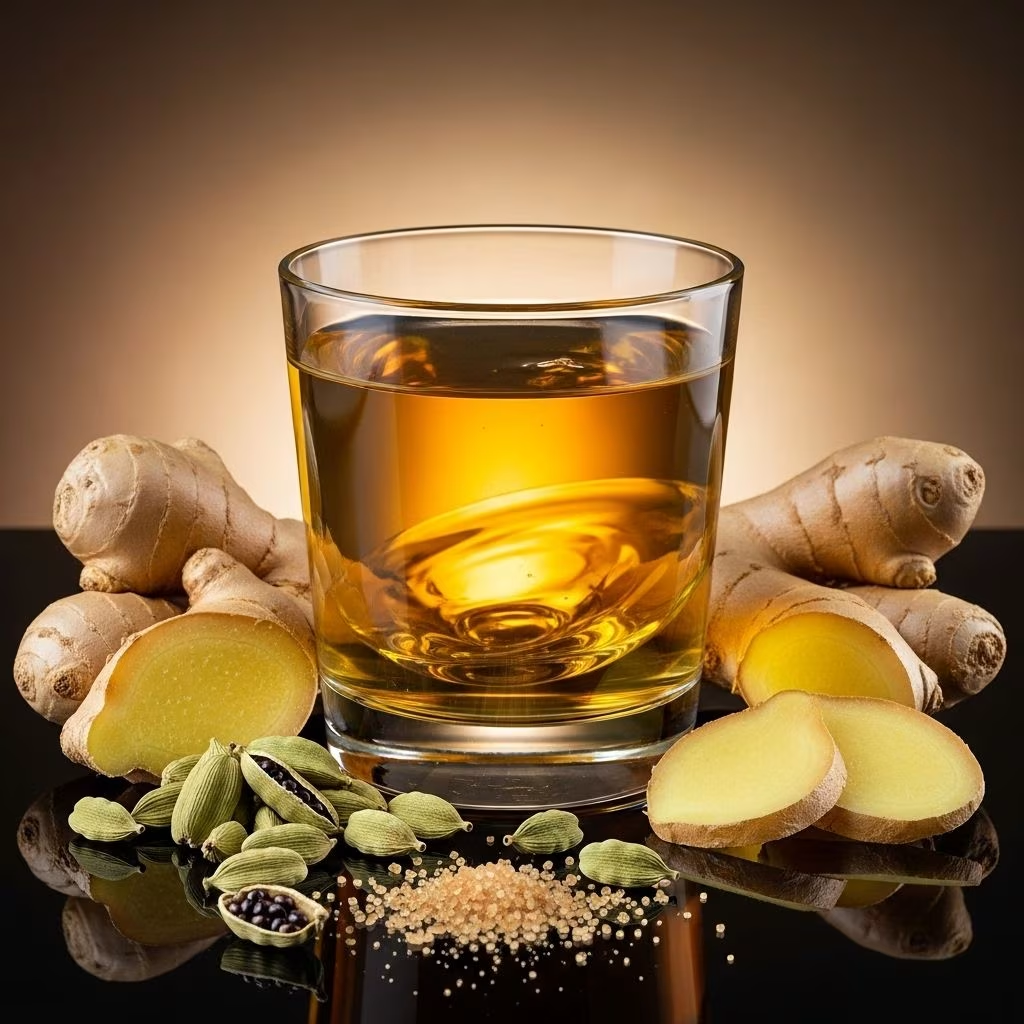
Zingerone is a natural compound formed from the ginger root, renowned for its unique sweet-spicy flavor and powerful medicinal properties. Widely studied for its diverse health benefits, zingerone is both a culinary flavor agent and a promising bioactive for human wellness. This comprehensive guide explores its origins, science, applications, flavor profile, and answers to common questions for health-conscious readers and food enthusiasts alike.
Introduction to Zingerone
Zingerone, also known as vanillylacetone, is a phenolic alkanone compound primarily found in ginger (Zingiber officinale) after the root is cooked or dried. Unlike the pungent compounds in fresh ginger such as gingerols, zingerone offers a sweet, mildly spicy flavor and is celebrated for a variety of health-promoting effects.
Key Facts About Zingerone
- Formed by heating or drying ginger (not present in fresh ginger)
- Has a sweet, spicy aroma and taste reminiscent of cooked ginger
- Belongs to the methoxyphenol family of compounds
- Studied for antioxidant, anti-inflammatory, anticancer, and antimicrobial effects
Formation and Occurrence
Unlike gingerols, which dominate in fresh ginger, zingerone is produced during the cooking or drying process. When ginger is exposed to heat, a chemical reaction called “retroaldol reaction” converts gingerol into zingerone. This transformation is responsible for the sweeter, less pungent flavor of cooked ginger.
Where is Zingerone Found?
- Primarily in dried or cooked ginger products
- Detected in some other plants (e.g., pot marjoram) but in far lower concentrations
- Not present in fresh, uncooked ginger
Analytical studies estimate that the concentration of zingerone in ginger can reach up to 9.25% of content in fully dried forms.
Chemical Properties and Structure
Chemically, zingerone is classified as a methoxyphenol. Its IUPAC name is 4-(4-hydroxy-3-methoxyphenyl)butan-2-one, and its molecular formula is C11H14O3.
| Property | Details |
|---|---|
| Chemical Family | Methoxyphenols (aromatic phenolic with methoxy group) |
| CAS Number | 122-48-5 |
| Molecular Formula | C11H14O3 |
| Appearance | White to pale yellow crystalline solid |
| Solubility | Sparingly soluble in water, soluble in organic solvents (e.g., ether) |
| Other Names | Vanillylacetone, [0]-paradol |
Comparison to Other Compounds
- Similar structure: Close to vanillin (vanilla) and eugenol (clove)
- Shares the phenolic “flavor backbone” of various culinary aroma agents
Zingerone vs. Other Ginger Compounds
The complex flavor and medicinal effect of ginger derive from a range of compounds. Here is a comparison of zingerone with its chemical relatives:
| Compound | Source | Main Flavor | Pungency | Key Properties |
|---|---|---|---|---|
| Gingerol | Fresh ginger | Pungent, spicy | High | Antioxidant, anti-inflammatory |
| Shogaol | Dried/older ginger | Hotter, sharper | Very high | Anti-inflammatory, antioxidant |
| Zingerone | Cooked/dried ginger | Sweet, warm, spicy | Low | Antioxidant, anti-inflammatory, anticancer, antimicrobial |
Health Benefits of Zingerone
Zingerone’s pharmacological actions have attracted extensive scientific interest. Studies have identified several promising health effects:
- Antioxidant activity
Zingerone neutralizes free radicals, protecting cells from oxidative stress and supporting overall health. - Anti-inflammatory effects
It helps suppress inflammation, potentially alleviating chronic inflammatory diseases. - Antimicrobial properties
Demonstrates activity against bacteria and fungi, supporting immune function. - Anticancer potential
Laboratory studies suggest inhibitory effect on some cancer cell lines, though clinical validation is under study. - Digestive support
Known for relieving nausea, abdominal discomfort, and improving gut health. - Metabolic benefits
May help regulate blood sugar and protect against obesity-related complications through multiple biochemical pathways. - Liver protection
Animal research supports possible benefits in reducing liver inflammation and oxidative damage.
Scientific Evidence and Research
Robust pharmacological studies, mostly in vitro and animal models, highlight zingerone’s potential in diverse therapeutic areas. Human studies are ongoing but preliminary results are promising, especially in the context of antioxidant and anti-inflammatory health support.
Medicinal and Practical Uses
Zingerone is utilized both as a natural remedy and increasingly as a supplement or active ingredient in wellness formulations.
- Traditional use: As part of ginger, used to soothe gastrointestinal discomfort, motion sickness, and common colds
- Modern supplements: Available in standardized ginger extracts for antioxidant and anti-inflammatory support
- Topical products: Employed in some cosmetics and ointments for its skin-soothing, antioxidant qualities
- Food additive: Used to impart sweet-spicy aroma in spice blends, teas, confections, and baked goods
Upon consumption, zingerone is metabolized mainly by the liver and is excreted within 24 hours, generally indicating a favorable safety profile.
Zingerone in Food Applications
Zingerone is a valued natural flavor compound in the food and beverage industries:
- Flavoring agent: Adds characteristic sweet-spicy note to ginger-flavored foods and beverages
- Spice oils: Used in formulation of spice blends, sauces, curries, and marinades
- Confectionery: Enhances gingerbread, candies, cakes, cookies, and snack foods
- Tea and beverages: Lends aroma and flavor to ginger-based drinks and herbal teas
Because zingerone is not present in fresh ginger, recipes aiming for sweeter, milder ginger flavor rely on heat-processed or dried ginger roots.
Taste and Aroma Profile
One of the defining characteristics of zingerone is its unique sensory appeal:
- Aroma: Warm, spicy, with a sweet vanilla-like undertone; reminiscent of clove and subtle animalic notes
- Taste: Sweet, mild, and slightly spicy; less pungent than fresh ginger
- Imparts the signature flavor of cooked or baked ginger in culinary use
- Adds a smooth, lingering warmth without the intensity of gingerol or shogaol
Its similarity to vanillin (vanilla) and eugenol (clove) make it complementary in sweet and savory dishes alike.
Potential Risks and Safety
Studies to date indicate that zingerone is nontoxic at typical dietary levels, with animal studies suggesting a high margin of safety.
- Rapidly metabolized by the body and excreted naturally
- No significant adverse effects reported in human use at moderate doses
- As with all bioactive food compounds, excessive intake should be avoided until more research is available
Individuals with allergies or sensitivities to ginger or its components should consult a healthcare professional before using concentrated extracts.
Frequently Asked Questions (FAQs)
Q: What is the difference between zingerone and gingerol?
A: Gingerol is the primary pungent compound in fresh ginger, responsible for its hot taste. When ginger is cooked or dried, gingerol is chemically transformed into zingerone, which is sweeter and less pungent, imparting the characteristic flavor of cooked ginger.
Q: Can zingerone be found in fresh ginger?
A: No, zingerone is not present in significant amounts in fresh ginger. It forms only when gingerol undergoes a heat-induced reaction during cooking or drying.
Q: Is zingerone safe for regular consumption?
A: Yes, available research indicates that zingerone is nontoxic at normal dietary levels. It is a natural constituent of cooked ginger and has a history of safe culinary use. As with any supplement or extract, moderation is advised.
Q: Are there supplements containing pure zingerone?
A: While most ginger supplements contain a mix of gingerols, shogaols, and zingerone, some formulations may highlight concentrated zingerone. Always verify product quality and evidence for health claims.
Q: What foods contain the highest levels of zingerone?
A: Dried and heat-processed ginger products (including ginger powder, gingerbread, and ginger-spice confections) contain the highest concentrations of zingerone. Fresh ginger, in contrast, contains little to none.
Q: How does zingerone compare to vanillin or eugenol?
A: All three are aromatic, sweet-spicy compounds found in beloved culinary ingredients: zingerone (ginger), vanillin (vanilla), and eugenol (clove). Their structural similarity accounts for overlapping flavor properties, making them invaluable in both sweet and savory cuisine.
References
- A Review on Pharmacological Properties of Zingerone [PMC4461790]
- Zingerone – Wikipedia
- Showing Metabocard for Zingerone – HMDB
- A Review on Pharmacological Properties of Zingerone (2015)
References
- https://pmc.ncbi.nlm.nih.gov/articles/PMC4461790/
- https://en.wikipedia.org/wiki/Zingerone
- https://hmdb.ca/metabolites/HMDB0032590
- https://onlinelibrary.wiley.com/doi/10.1155/2015/816364
- https://foodb.ca/compounds/FDB010527
- https://www.ebi.ac.uk/chebi/searchId.do?chebiId=68657
- https://www.acs.org/molecule-of-the-week/archive/g/gingerol.html


