


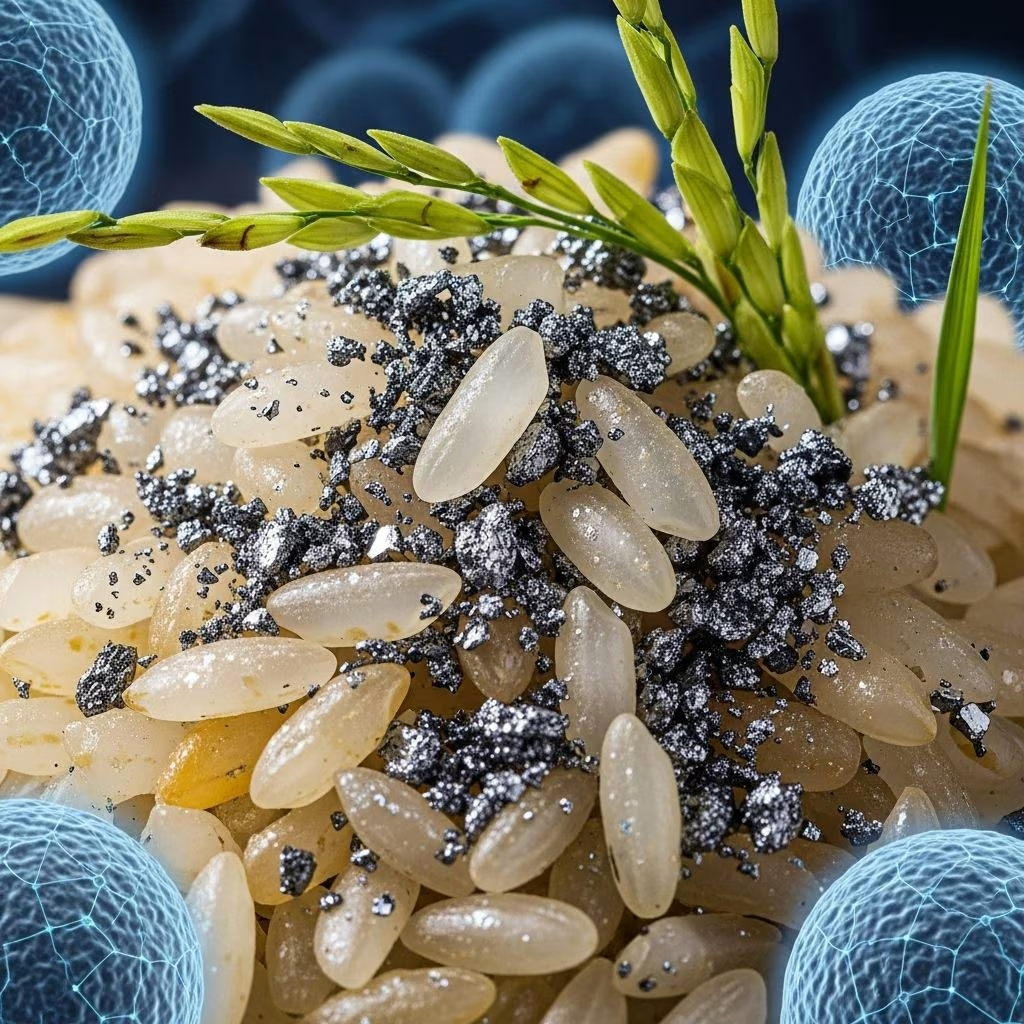
Zinc is an essential trace mineral pivotal for human health, impacting immunity, metabolism, and most notably, skin health. With malnutrition and micronutrient deficiencies still prevalent worldwide, zinc-biofortified rice, often dubbed zinc rice, has gained significant attention for its potential to remedy zinc deficiency through dietary staples. This guide explores in depth how zinc rice supports skin health, its practical uses in nutrition and skincare, as well as known side effects and risks, backed by recent scientific evidence.
Introduction to Zinc Rice and Biofortification
Zinc rice refers to rice varieties that have been biofortified—through selective breeding or genetic engineering—to contain elevated levels of naturally occurring zinc in their grains. Since rice is a dietary staple for more than half the world’s population, increasing its intrinsic zinc content has the potential to address the widespread problem of zinc deficiency, especially in regions where dietary diversity is low and animal-source foods (natural sources of zinc) are scarce.
- Biofortification is the process of increasing nutrient levels in crops through agronomic practices, conventional plant breeding, or modern biotechnology.
- Zinc-biofortified rice varieties show improved nutritional value, particularly after processing and polishing, compared to traditional varieties which tend to lose significant micronutrient content during milling.
- The average zinc content in polished zinc rice varieties ranges between 16–40 mg/kg, substantially more than in conventional polished rice, bridging much of the dietary zinc gap in populations at risk.
This increase in zinc intake can account for up to 57% of the Recommended Dietary Allowance (RDA) for women and 47% for men, depending on the exact rice cultivar and individual dietary patterns.
How Zinc Supports Skin Health
Zinc is well-documented to play a critical role in maintaining healthy skin. It acts in several capacities, including structural, catalytic, and regulatory functions within bodily tissues:
- Skin Barrier Function: Zinc is essential for maintaining the integrity of the skin barrier, supporting wound healing, and limiting water loss from the skin.
- Immune Modulation: Zinc modulates inflammatory responses by affecting immune cell activity, supporting the skin’s defense against pathogens and allergens.
- Antioxidant Protection: It helps counteract oxidative stress induced by UV radiation and environmental pollutants, thereby reducing visible skin aging and the risk of skin malignancies.
- Collagen Metabolism: Zinc contributes to collagen synthesis and repair, maintaining skin’s firmness and elasticity.
- Antiandrogenic Effects: Zinc regulates the activity of androgen hormones that stimulate sebum production, which can help prevent acne and oily skin.
Several studies highlight the efficacy of oral and topical zinc for managing dermatological conditions, solidifying the mineral’s reputation as a safe, multi-functional component for skin health.
Zinc Rice: Specific Skin Benefits
Consuming zinc rice offers a sustained, diet-based method of supporting skin health, particularly for populations who otherwise have inadequate dietary zinc. Here are the primary skin benefits linked to zinc rice:
1. Enhanced Skin Healing and Regeneration
Regular intake of zinc rice supports optimal wound healing and tissue regeneration, as zinc is a cofactor for numerous enzymes involved in cell division and protein synthesis required for skin repair.
2. Stronger Defense Against Acne and Inflammation
Zinc’s anti-inflammatory and antiandrogenic actions curb the activity of acne-causing bacteria, regulate sebum production, and calm skin redness and irritation. Consumption of zinc rice may thereby reduce breakouts, especially in adolescents and young adults.
3. Protection Against UV Damage and Premature Aging
Zinc has demonstrated antioxidant and DNA-protective properties, effectively helping to neutralize free radicals generated by ultraviolet (UV) radiation. This offers some natural defense against photoaging, sun spots, and the risk of precancerous skin lesions.
4. Improved Management of Dermatological Conditions
With better zinc levels, some chronic dermatological conditions—including eczema, atopic dermatitis, rosacea, and alopecia areata—can be alleviated or their symptoms reduced.
Summary Table: Role of Zinc in Major Dermatological Conditions
| Condition | Zinc’s Role | Potential Dietary Impact of Zinc Rice |
|---|---|---|
| Acne Vulgaris | Reduces inflammation, controls sebum, inhibits bacterial growth | May lessen acne severity and flare-ups |
| Eczema & Dermatitis | Supports immune regulation, barrier restoration | May alleviate chronic inflammation and improve healing |
| Rosacea | Soothes inflamed skin, reduces redness | Potential supportive treatment via regular dietary intake |
| Wound Healing | Promotes tissue repair, collagen synthesis | Speeds wound closure and regeneration |
| Photoaging | Protects from oxidative damage, UV-induced lesions | Reduces risk of premature aging signs |
Dietary and Skincare Uses of Zinc Rice
Zinc rice can be incorporated into the daily diet much like any other rice variety, offering a practical and sustainable solution for improving overall zinc status. Here are the primary uses:
Dietary Uses
- Main Staple: Consumed as regular boiled rice, risotto, pilaf, biryani, or other rice dishes, providing enhanced zinc nutrition without requiring changes in culinary traditions.
- Complement to Low-Diversity Diets: Especially useful where rice is a major dietary staple and animal-source foods are limited, boosting zinc intake in communities prone to deficiency.
- Ingredient in Multigrain Products: Can be milled and blended with wheat, barley, or maize flours for bread, porridge, and snack production, adding nutritional value to processed foods.
Synergies with Other Nutrients and Topical Applications
- Dietary zinc from zinc rice is most effective when combined with a balanced intake of vitamin A, E, and C, all of which synergize in supporting skin health.
- While oral consumption remains the core benefit of zinc rice, topical zinc compounds (found in creams, ointments, and sunscreens) are also widely used for localized skin issues such as dermatitis, sunscreen protection, and wound healing.
Improvement in Public Health Outcomes
- Widespread adoption of zinc-biofortified rice in regions with persistent deficiency could meaningfully reduce the incidence of skin disorders linked to malnutrition and enhance general skin resilience across the population.
- Zinc intake via rice also bolsters immune function, which indirectly benefits skin as it is the body’s first line of defense.
Potential Side Effects and Health Considerations
While zinc rice is generally regarded as safe, certain side effects or risks may arise from overconsumption or in sensitive individuals.
- Zinc Toxicity: Overconsumption of zinc—though rare via diet alone—may lead to toxicity characterized by nausea, vomiting, stomach cramps, loss of appetite, headaches, and, in extreme cases, impaired immune function and disruption of copper absorption.
- Pediatric Concerns: Children are more susceptible to micronutrient overdose; caregivers should ensure that zinc intake, even with zinc rice, does not exceed age-specific tolerances.
- Allergic Reactions: While uncommon, some individuals may have unpredictable allergic responses to genetically modified or biofortified rice strains, especially if novel proteins are expressed in the grains.
- Digestive Sensitivity: Sudden transitions to higher micronutrient-dense diets can, in some cases, cause mild gastrointestinal discomfort until the body adjusts.
- Interactions with Medications: High zinc intake can interfere with certain antibiotics and penicillamine; individuals on medication should consult healthcare professionals before significantly changing dietary zinc intake.
It is important to note that dietary zinc intake from biofortified rice is unlikely to induce toxicity under normal consumption patterns, as the zinc content is several orders lower than pharmacologic or supplemental zinc dosages.
Populations at Particular Risk of Zinc Deficiency
- Pregnant and lactating women
- Young children
- Elderly individuals
- Individuals with chronic digestive diseases (e.g., Crohn’s disease, celiac disease)
- Vegetarians and those with limited access to animal foods
For these groups, zinc rice can play a pivotal role in mitigating the risk of deficiency without the elevated risk of side effects associated with supplementation.
Frequently Asked Questions (FAQs)
Q: What makes zinc rice different from ordinary rice?
A: Zinc rice is biofortified to contain higher intrinsic zinc, often 2–3 times more than standard polished rice, offering additional nutritional benefits to consumers.
Q: How does eating zinc rice impact day-to-day skin health?
A: Regular consumption improves skin’s resilience, reduces acne risk, accelerates wound healing, and can offer subtle protection from environmental stressors.
Q: Can zinc rice cause an allergic reaction?
A: No evidence suggests that natural biofortified rice varieties are allergenic; however, genetically modified varieties carrying genes from other species could pose a theoretical risk for sensitive individuals. Monitoring and labeling are crucial as transgenic varieties enter markets.
Q: Can I replace supplements with zinc rice?
A: For mild to moderate zinc deficiency or for general skin health, consistent consumption of zinc rice could replace the need for over-the-counter supplements. Severe deficiencies still require targeted clinical intervention.
Q: Who should avoid high-zinc diets?
A: Individuals with known zinc metabolism disorders or those on medications interacting with zinc should consult healthcare providers before significant dietary changes.
Q: Does zinc rice protect against all skin diseases?
A: Zinc rice helps address skin issues stemming from zinc deficiency, but it is not a cure-all for all dermatologic diseases, many of which have diverse causes unrelated to nutrition.
Conclusion
Zinc-biofortified rice stands as a promising intervention to improve global skin health and reduce the burden of micronutrient deficiency. By providing a nutrient-dense alternative to standard rice, it can address not only dermatological issues arising from zinc insufficiency but also broader health outcomes. Zinc rice is safe for daily consumption for most people, bringing together the worlds of agriculture, nutrition, and dermatology in the fight against malnutrition and common skin ailments. However, responsible cultivation, clear labeling, and ongoing research on biofortification’s long-term impacts are vital to ensuring safety and public trust as this innovation enters the global marketplace.
References
- https://pmc.ncbi.nlm.nih.gov/articles/PMC7827176/
- https://www.frontiersin.org/journals/nutrition/articles/10.3389/fnut.2020.00026/full
- https://pmc.ncbi.nlm.nih.gov/articles/PMC4893750/
- https://www.harvestplus.org/wp-content/uploads/2022/08/Zinc-Rice.pdf
- https://www.news-medical.net/health/Health-Benefits-of-Zinc-and-How-to-Get-Enough-from-Diet.aspx
- https://nutritionsource.hsph.harvard.edu/zinc/


