


Introduction
Gelatin is an ingredient that bridges food science, nutrition, pharmaceuticals, and even technical industries. Renowned for its unique gelling properties, it is extracted from animal collagen and finds versatile applications in food, health care, capsules, photography, and cosmetics. This article explores the definition, production, benefits, uses, taste, and broader implications of gelatin in modern-day industry and everyday life.
Definition and Chemical Composition
Gelatin is a natural polypeptide polymer derived from partial hydrolysis of collagen, mainly sourced from animal connective tissues such as skin, bones, and tendons. It is also known as edible collagen or isinglass in some contexts.
- Amino Acid Profile: Gelatin comprises 18 amino acids, with glycine (~33%), proline, hydroxyproline, and alanine being dominant.
- Basic Elemental Makeup: Contains about 50% carbon, 7% hydrogen, 17% nitrogen, 25% oxygen.
- Molecular Structure: Fragments of collagen chains; variable molecular mass from 15,000 to 400,000.
This unique amino acid profile results in an amphoteric protein—it can function as both acid and base, supporting its roles in multiple chemical contexts.
Production Process of Gelatin
The journey from raw animal tissue to refined gelatin involves controlled hydrolysis and several purification stages. Key steps:
- Raw Materials: Gelatin is typically produced from porcine (pig), bovine (cow), or fish collagen.
- Pre-Treatment: Raw materials are cleaned, degreased, and treated to extract collagen.
- Hydrolysis: Collagen undergoes chemical or enzymatic hydrolysis (usually using acid or lime), breaking down its triple-helix structure into smaller peptides—this is what produces gelatin.
- Extraction: Heated water extracts gelatin from the treated material.
- Purification and Drying: The solution is filtered, concentrated, and dried as powder, granules, or sheets.
The process determines the bloom strength, viscosity, and purity—parameters critical for its final industrial use.
Physical and Chemical Properties
Gelatin is prized for its physical attributes, which drive its industrial versatility:
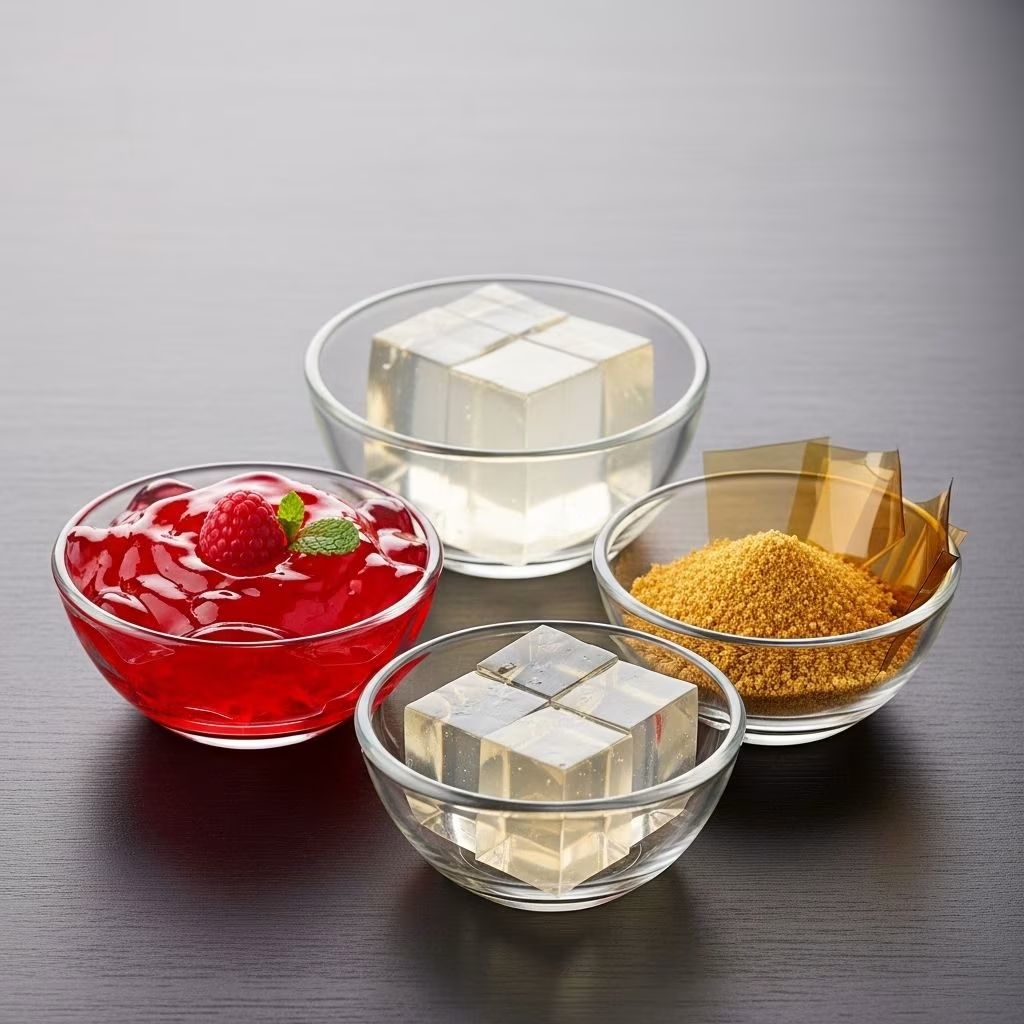
- State and Appearance: Colorless to pale-yellow powder, sheet, or granules; glossy texture; odorless and tasteless.
- Solubility: Insoluble in cold water, ethanol, or chloroform; readily soluble in hot water, glycerol, acetic acid.
- Gel Formation: Hydrates and absorbs 5–10x its weight in water; gels upon cooling (35–40°C); optimal at 10–15% concentrations depending on pH, salts, and temperature.
- Thermo-Reversibility: The gel reverses by heating and re-forms by cooling—a property unique to gelatin and essential for dessert and pharmaceutical formulations.
- Film Forming: Creates elastic, clear, flexible films; vital for capsules, coatings, and photography.
Thermal sensitivity is critical—prolonged heating above 40°C can degrade its structure, reducing gel strength and viscosity.
Nutritional and Health Benefits
Gelatin contributes positively to human health due to its high protein content, digestibility, and functional bioactive peptides.
- Protein Source: Provides a clean-label, allergen-free source of protein, supporting dietary needs.
- Amino Acids for Joint and Skin Health: The glycine, proline, and hydroxyproline content—crucial for collagen synthesis—helps support joint flexibility, skin elasticity, and hair/nail strength.
- Gut Health: The gel-forming property can support digestive tract lining and gut barrier function.
- Satiety and Weight Management: Protein-rich foods like gelatin promote fullness and may contribute to appetite control.
- Hydration and Electrolyte Balance: Capacity to bind and retain water aids hydration and supports electrolyte stability.
- Clean Label Nutrition: Free from cholesterol, fat, and carbohydrates; suitable for various dietary regimens.
Industrial and Food Applications
Gelatin’s unique functional properties make it indispensable in multiple sectors. Its applications include:
- Food Industry:
- Confectionery: Gummies, marshmallows, Jell-O, and chewy candies rely on gelatin’s gelling power.
- Desserts: Used in mousses, panna cotta, aspics, custards, and ice creams for creamy texture.
- Dairy: Stabilizes yogurts, whipped creams, soft cheeses.
- Beverages: Clarifies wine, beer, and juice through its fining capability.
- Low-fat Products: Replaces fat, bringing texture and mouthfeel to reduced-calorie foods.
- Encapsulation: Protects active flavors and nutrients, enabling extended shelf life.
- Meat Products: Used in sausages, ham glazes, and as a binder in processed meats.
- Technical and Industrial Applications:
- Photography: As a film-former in photographic and x-ray films.
- Cosmetics: For capsules, skin masks, and hair products for its elasticity and hydration effect.
- Adhesives: Used in glues, especially for wood and specialty papers.
Uses of Gelatin in Pharmaceuticals
Gelatin is a “must” in pharma due to its unique combination of safety, biocompatibility, and functional versatility.
- Capsules: Essential for hard and soft capsules—protects active ingredients, controls drug release, and offers rapid dissolution.
- Tablets: Used as a binder, film-former, and stabilizer in tablet manufacturing.
- Microencapsulation: Protects sensitive probiotics, vitamins, or active pharmaceutical ingredients (APIs).
- Medical Devices: Applied in wound dressings, scaffolds, and tissue engineering due to its film-forming and biocompatible properties.
- Bioavailability: Enhances solubility and absorption of drugs, supporting modified or delayed release formulations.
Taste and Texture of Gelatin
Gelatin itself is odorless and tasteless, making it suitable for both sweet and savory foods without imparting unwanted flavors.
- Mouthfeel: Gelatin-based gels melt at body temperature (~37°C), delivering a smooth, luxurious texture and unique melt-in-mouth experience unmatched by plant-based alternatives.
- Texture Range: Can produce firm, elastic bites in confectionery, or soft, creamy textures in desserts by varying concentration and bloom strength.
- Flavor Release: Neutral structure allows rapid and even release of flavors.
- Versatility: Adapts to any flavor, salt, acid, or sweet profile in food manufacturing.
Gelatin Substitutes and Alternatives
For vegetarian and vegan consumers, several plant-based hydrocolloids are used as gelatin substitutes:
- Agar: Seaweed-derived; firmer, less melt-in-mouth, non-reversible gel.
- Pectin: Fruit-derived; used for jams/jellies, requires sugar and acid to set.
- Carrageenan: Seaweed-derived; forms thermo-reversible gels with certain ions.
Sustainability and Ethical Considerations
- Source Material: Traditional gelatin production relies on animal by-products. This is effective for utilizing food chain waste, but raises ethical and dietary challenges.
- Traceability: Modern manufacturing ensures safety, traceability, and compliance with religious dietary standards (halal, kosher).
- Innovations: Ongoing research into fish-derived, recombinant, and plant-based collagens seeks to address sustainability and ethical limitations.
- Clean Label: Gelatin remains a clean, minimally processed ingredient compared to many synthetics.
Frequently Asked Questions (FAQs)
Q: Is gelatin vegetarian or vegan?
A: Traditional gelatin is not vegetarian or vegan—it is derived from animal connective tissues. Plant-based hydrocolloids such as agar and pectin serve as substitutes for specific applications, although texture and functionality may differ.
Q: What is the nutritional value of gelatin?
A: Gelatin is primarily protein—providing 18 amino acids and negligible fat or carbohydrates. Its glycine, proline, and hydroxyproline content support joint, skin, and gut health.
Q: What are the main uses of gelatin in everyday products?
A: Food (gummies, marshmallows, yogurt, desserts, meat products), pharmaceuticals (capsules, tablets), cosmetics (skin masks), photography (films), and adhesives.
Q: Can gelatin cause allergies?
A: Gelatin is considered allergen-free; sensitivities are rare but can occur. Always check sources and manufacturing standards when dietary restrictions or allergies are present.
Q: How does gelatin compare to agar and pectin?
A: Gelatin melts at body temperature, giving a melt-in-mouth feel and is thermo-reversible; agar is firmer, non-reversible, and does not melt in the mouth. Pectin requires sugar and acid to gel and is used mainly for jams and jellies.
Conclusion
Gelatin’s unique blend of nutritional, sensory, and functional benefits commands its indispensable role in food, health, technical, and pharmaceutical realms. Whether for melt-in-the-mouth confections, capsule formation, or nutrient delivery, its versatility remains unmatched, while ongoing innovation seeks to expand sustainable, ethical choices for a broader consumer base.
References
- https://www.gelkengelatin.com/news/what-is-gelatin-in-depth-guide-to-production-methods-properties-and-industrial-applications/
- https://www.gelita.com/en/knowledge/properties-gelatin
- https://www.pbleiner.com/en/insights-news/insights/what-gelatin-and-why-it-must-pharma
- https://nitta-gelatin.com/wp-content/uploads/2018/02/GMIA_Gelatin-Handbook.pdf
- https://pmc.ncbi.nlm.nih.gov/articles/PMC6835507/
- https://pubchem.ncbi.nlm.nih.gov/compound/Gelatin


