


Introduction
In a world that often demands quick fixes and surface-level solutions, the practice of mindful collage making for emotional mapping offers a profound alternative. This creative process invites individuals to slow down, connect with their inner worlds, and visually map their emotions through the intuitive selection and arrangement of images, colors, and textures. Rooted in expressive arts therapy and mindfulness, this practice supports emotional awareness, self-discovery, and holistic wellbeing.
Collage making is not just about creating art; it is a form of meditation and self-inquiry that bridges the subconscious and the conscious mind. By engaging in this process, individuals can uncover hidden emotional patterns, reconcile inner conflicts, and cultivate a greater sense of self-acceptance and empathy.
What is Mindful Collage Making?
Mindful collage making is a meditative and intentional art practice where individuals create collages by selecting images, colors, and textures that resonate with their current emotional or psychological states. Unlike traditional art-making, the focus here is on the process—being present with each choice, movement, and sensation, rather than on the final product.
This approach encourages curiosity and non-judgment, allowing the collage to become a visual diary of one’s emotional landscape. The practice is adaptable, making it accessible for people of all ages, including older adults seeking stress relief and cognitive stimulation.
Emotional Mapping Explained
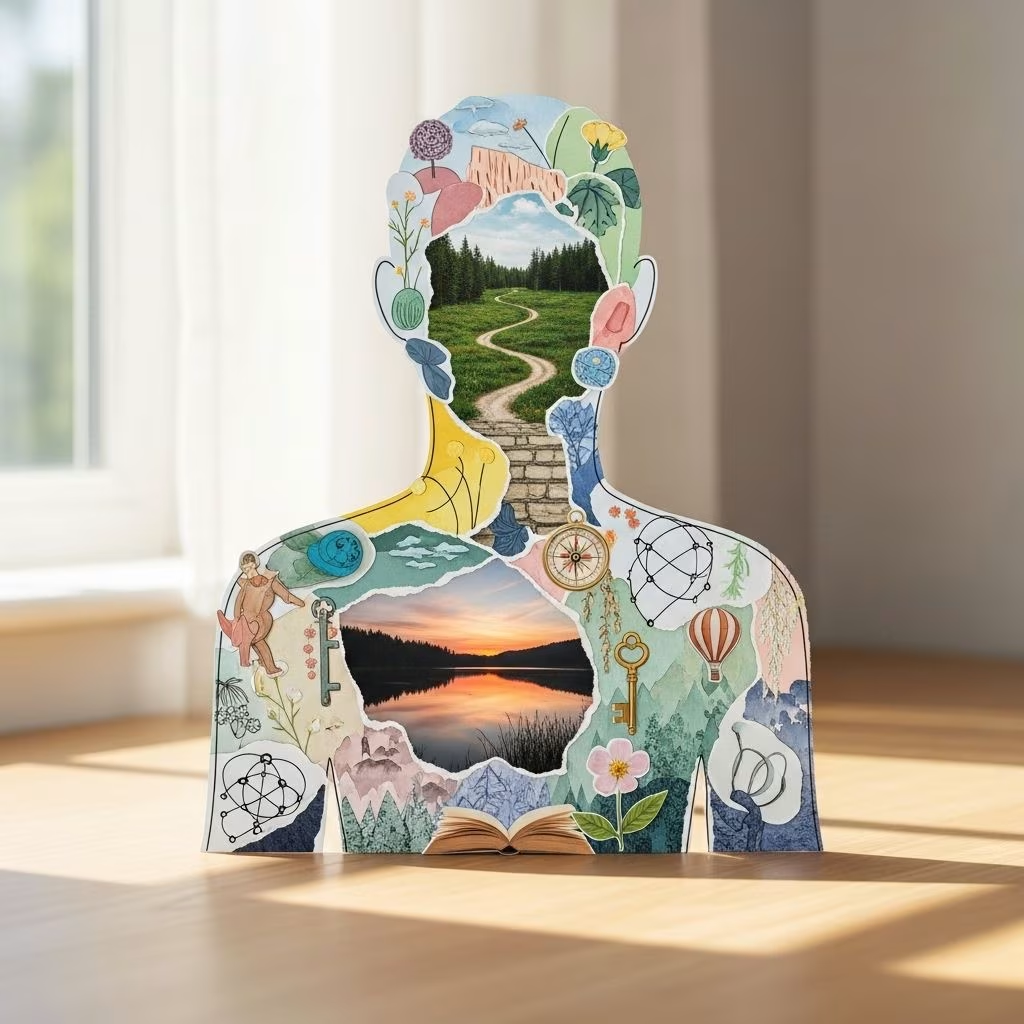
Emotional mapping through collage is the process of visually representing one’s emotions, beliefs, and inner experiences by arranging found images and materials into a cohesive piece of art. The collage becomes a symbolic “map” of the creator’s psyche, revealing patterns, conflicts, and aspirations that may not be readily apparent through words alone.
The act of mapping can bring clarity to complex feelings, helping individuals recognize and name different “parts” of themselves—each with unique needs, fears, and desires. This process of witnessing and labeling emotional states cultivates self-awareness and provides a pathway toward integration and healing.
Benefits of Mindful Collage Making for Emotional Mapping
Mindful collage making offers a wealth of psychological and emotional benefits, both for personal growth and therapeutic contexts:
- Enhanced Self-Awareness: Engaging with imagery and color can surface subconscious feelings and beliefs, offering new insights into personal emotional patterns and triggers.
- Stress Reduction: The meditative, focused nature of collage making can reduce stress and anxiety, promoting relaxation and emotional release.
- Improved Emotional Regulation: By visually mapping emotions, individuals can better recognize, name, and manage their feelings, reducing the power of unprocessed emotions.
- Increased Creativity and Autonomy: The process encourages creative expression, autonomy, and positive self-regard, as participants make choices about what resonates with them.
- Facilitation of Healing and Integration: Over time, collage making can help integrate conflicting aspects of the self, fostering a greater sense of wholeness and acceptance.
- Community and Connection: When practiced in groups, mindful collage making can build empathy, understanding, and connection through shared creative experiences.
Techniques and Methods
Several structured and intuitive techniques can guide mindful collage making for emotional mapping:
Intuitive Image Selection
Allow intuition to guide the choice of images and materials, selecting those that evoke a felt response in the body—without overthinking or analyzing. This process taps into the subconscious, revealing authentic emotional states.
Color Meditation
Choose a color that resonates with your current mood and focus your collage around that hue, paying attention to how color influences emotions and perceptions.
Texture Exploration
Engage the senses by experimenting with different textures—tearing paper, adding fabric, or incorporating natural materials—to enrich the tactile and emotional experience.
Mindful Arrangement
Place images and materials on the paper with mindful attention, focusing on the process of arranging and rearranging until the composition feels complete and emotionally “true”.
Journal Integration
After completing the collage, journal about the experience, reflecting on the emotions, memories, and insights that arose during the process.
| Technique | Description | Purpose |
|---|---|---|
| Intuitive Image Selection | Choose images that intuitively resonate | Access subconscious emotions |
| Color Meditation | Focus on one color family | Amplify specific emotional states |
| Texture Exploration | Include varied tactile materials | Enhance sensory and emotional engagement |
| Mindful Arrangement | Arrange materials with awareness | Encourage presence and acceptance |
| Journal Integration | Reflect on the collage experience | Deepen self-understanding and integration |
Step-by-Step Guide to Mindful Collage Making
Here’s a practical, step-by-step guide to help you begin your mindful collage journey:
- Set Your Intention: Decide whether you want to explore a specific emotion, question, or simply be open to whatever emerges.
- Prepare Your Space: Gather magazines, photographs, colored paper, glue, scissors, and any other materials you might need. Create a comfortable, distraction-free environment.
- Center Yourself: Take a few deep breaths, ground yourself, and become present. You might want to meditate or journal briefly before starting.
- Browse and Select: Without overthinking, flip through magazines and select images, words, or colors that evoke a response in you—even if you don’t understand why.
- Arrangement: Lay out your selections on your base paper. Move them around, noticing how each placement affects you emotionally. Allow the composition to evolve organically.
- Glue and Layer: Once satisfied, glue your selections down. You can add layers, textures, or doodles as you feel drawn.
- Reflect and Label: After completion, write on the back of your collage or in your journal the emotions or parts of yourself you recognize in your creation. Name them—for example, “The Witness,” “The Nurturer,” “The Fearful One,” etc.
- Review and Integrate: Reflect on your collage over time. Notice if certain images or themes become more or less resonant as your emotional landscape shifts.
Case Studies and Personal Experiences
Many individuals and facilitators have shared transformative experiences with mindful collage making for emotional mapping.
- Art Therapist’s Journey: One art therapist mapped her psyche intensively over two years, creating over 50 collage cards, each named and revisited as her emotional needs evolved. She observed that as emotional needs were met and integrated, certain cards “retired” and new ones emerged, reflecting ongoing personal growth.
- Community Workshops: Group workshops, such as those described by Laura Becker, foster collective healing through shared collage-making, journaling, and reflection. Participants report increased empathy, stress relief, and a deeper sense of connection with themselves and others.
- Older Adults: Collage meditation has been used in senior living communities to reduce stress, improve cognitive function, and enhance social connections among residents.
Overcoming Challenges and Tips for Success
While mindful collage making is accessible to most, some common challenges and their solutions include:
- Self-Criticism: Remind yourself that the process, not the product, matters. Let go of perfectionism and embrace curiosity.
- Emotional Overwhelm: If intense emotions arise, pause and breathe. Journaling or discussing your collage with a trusted person can help process feelings.
- Creative Block: If you feel stuck, try changing your environment, limiting your materials, or focusing on a single color or texture.
- Maintaining Regular Practice: Keep a collage station easily accessible at home to encourage spontaneous sessions when you notice emotional shifts.
Integration into Daily Life
Mindful collage making can be a sustainable practice for emotional wellness. Consider these ways to integrate it into your routine:
- Weekly Ritual: Dedicate a regular time each week to collage and reflect on your current emotional state.
- Emotional Check-Ins: Use collage as a tool to check in with yourself during times of transition, stress, or uncertainty.
- Group Practice: Invite friends or family to collage together, sharing experiences and fostering mutual support.
- Therapeutic Supplement: Pair collage making with therapy or counseling for deeper exploration of emotional patterns.
Frequently Asked Questions (FAQs)
Q: Do I need to be artistic to benefit from mindful collage making?
A: No, artistic skill is not required. The focus is on the intuitive, emotional process rather than technical ability.
Q: How often should I practice mindful collage making?
A: There is no set rule—practice as often as you feel called. Some benefit from regular sessions, while others collage in response to emotional shifts.
Q: Can mindful collage making replace therapy?
A: While it is a powerful self-awareness and stress-reduction tool, it is generally not a substitute for professional mental health care for serious concerns. It can complement therapy by providing insights and emotional release.
Q: What materials do I need to get started?
A: Start with magazines, scissors, glue, and paper. You can expand to include photographs, fabric, and natural materials as you explore.
Q: Can children and older adults participate?
A: Yes, mindful collage making is adaptable and beneficial for all ages. It is particularly helpful for emotional expression in children and stress relief in older adults.
Q: How can I share my collage experiences with others?
A: Join workshops, online communities, or informal gatherings where you can discuss and reflect on your collage journey with like-minded individuals.
Closing Thoughts
Mindful collage making for emotional mapping offers a creative, accessible, and deeply personal path to self-awareness and emotional wellbeing. By engaging with imagery, color, and texture in a mindful way, you can uncover hidden aspects of yourself, reconcile inner conflicts, and cultivate resilience and compassion. Whether practiced alone or in community, this expressive art form is a powerful tool for navigating the complexities of the human emotional landscape.
References
- https://www.expressiveartworkshops.com/creative-counselling/intuitive-art-gallery/self-discovery-cards/
- https://funkypsyche.substack.com/p/exploring-creative-self-expression
- https://michaelsjostedt.com/collage-meditation-a-stress-relief-tool-for-older-adults/
- https://milwaukeemindfulness.com/mm2020/wp-content/uploads/2022/03/Exploring-Creative-Self-Expression-Through-Mindful-Collage.pdf
- https://balancedawakening.com/blog/the-power-of-collagenbsp
- https://arttherapyspot.com/2012/12/07/the-art-therapy-of-collage/
- https://fiveable.me/art-therapy/unit-3/collage-techniques/study-guide/8ozAnw5BGgqHMZUN
- https://www.youtube.com/watch?v=WK9ikD9URBI
- https://alexandriaarttherapy.com/blog/collage-as-an-art-therapy-medium


