


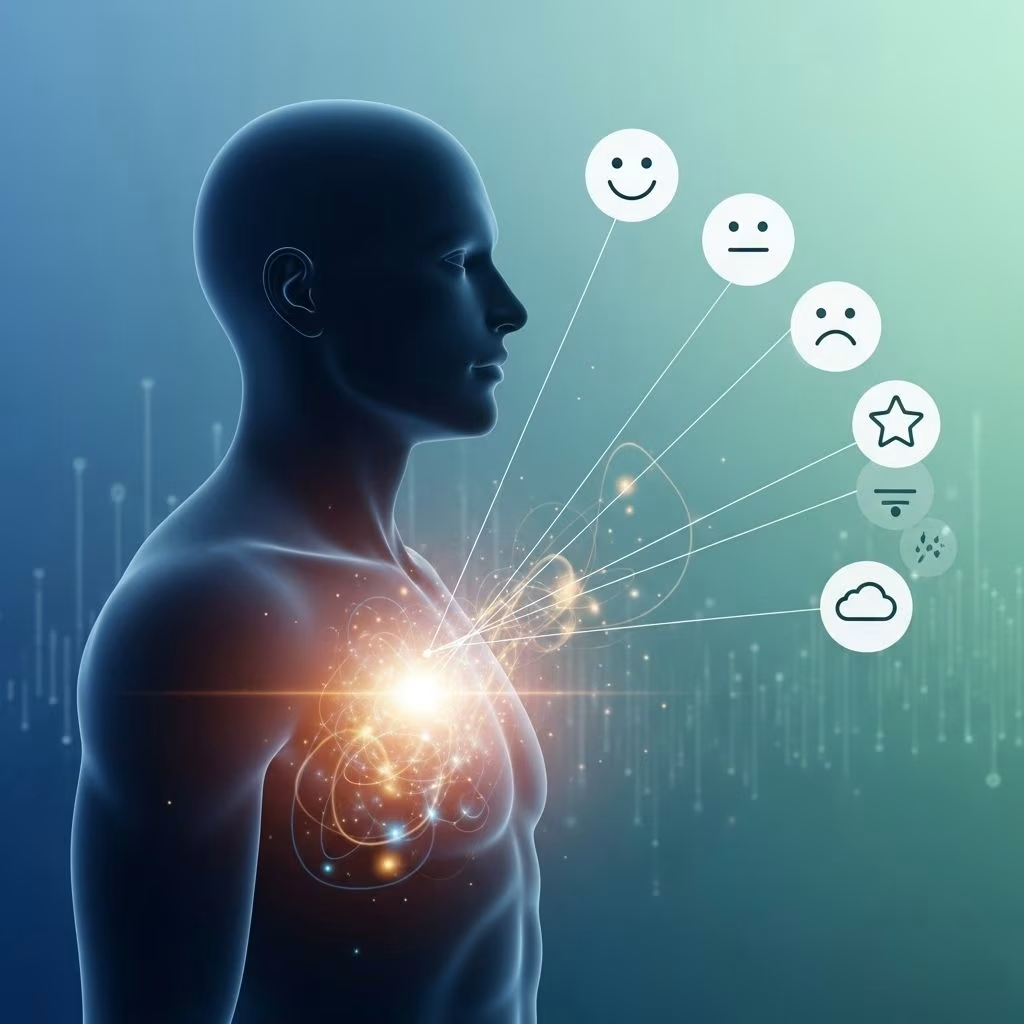
Interoception refers to the perception of bodily sensations such as hunger, pain, and heart rate. It plays a crucial role in emotional regulation and awareness, which are essential components of mood logging. Mood logging involves tracking and analyzing emotional states over time, which can help in understanding and managing mental health. This article delves into the relationship between interoception and mood logging accuracy, exploring how interoceptive awareness can enhance emotional insight and regulation.
Understanding Interoception
Interoception involves the ability to accurately perceive and interpret internal bodily sensations. This can include monitoring heart rate, breathing, or sensation of hunger. It is distinct from exteroception (sensing external stimuli) and proprioception (sensing body position). Research suggests that interoception is linked to emotional experience and regulation, as it helps in recognizing physiological changes associated with emotions.
Interoceptive Accuracy and Emotional Experience
Studies indicate that individuals with higher interoceptive accuracy tend to have a better grasp of their emotional states. However, the relationship between interoception and emotional experience is complex. While increased interoceptive accuracy can enhance emotional awareness, excessive focus on internal signals may lead to increased anxiety or negative emotional states. Therefore, it’s crucial to balance interoceptive awareness with emotional regulation strategies.
Connection Between Interoception and Mood Logging Accuracy
Mood logging accuracy improves when individuals can accurately perceive and interpret their emotional states. Interoception aids in this process by enhancing the ability to recognize and monitor physiological changes associated with emotions. For instance, a person with high interoceptive accuracy may be better at detecting subtle shifts in their mood by recognizing changes in heart rate or breathing patterns.
Methods to Improve Interoceptive Accuracy for Better Mood Logging
Several methods can enhance interoceptive accuracy and, consequently, mood logging accuracy:
- Mindfulness and Meditation: Practices like mindfulness meditation can increase awareness of internal bodily sensations, thereby improving interoceptive accuracy.
- Heart Rate Monitoring: Engaging in heartbeat perception tasks can help individuals develop a stronger connection with their internal physiological signals.
- Breathing Exercises: Focused breathing exercises can enhance awareness of respiratory patterns, which can be an indicator of emotional states.
Interoception and Emotional Regulation
Emotional regulation is closely linked to interoception. By accurately perceiving bodily sensations, individuals can better manage their emotional responses. For example, recognizing physiological signs of stress (e.g., rapid heartbeat) can prompt the use of relaxation techniques to manage stress levels. Studies suggest that improved interoceptive sensibility (the tendency to focus on internal signals) can lead to better emotional regulation, though this may vary depending on the context and individual differences.
Challenges and Future Directions
While interoception is beneficial for mood logging and emotional regulation, there are challenges to consider. Excessive focus on internal signals can lead to increased anxiety or negative emotional states. Future research should explore optimal levels of interoceptive attention and how it can be balanced with other factors like cognitive and emotional processes. Additionally, developing personalized interoception training programs could help tailor interventions to individual needs.
Interoception and Mental Health Disorders
Interoception is also relevant in the context of mental health disorders. For instance, individuals with anxiety may exhibit increased interoceptive accuracy, which can sometimes exacerbate anxiety symptoms. Understanding this relationship can help in developing targeted interventions that address both interoception and emotional regulation.
Frequently Asked Questions (FAQs)
Q: What is interoception?
A: Interoception is the ability to perceive and interpret internal bodily sensations such as heart rate, hunger, and pain.
Q: How does interoception affect mood logging accuracy?
A: Interoception enhances mood logging accuracy by improving emotional awareness and regulation through better recognition of physiological changes associated with emotions.
Q: Can interoception be improved?
A: Yes, interoception can be improved through practices like mindfulness, meditation, and specific breathing exercises.
Conclusion
In conclusion, interoception plays a significant role in improving mood logging accuracy by enhancing emotional awareness and regulation. By understanding and improving interoceptive abilities, individuals can gain a deeper insight into their emotional states, leading to better mental health management and mood regulation. Further research is needed to explore the optimal balance of interoceptive attention and its integration with other emotional processes.
References
- https://pmc.ncbi.nlm.nih.gov/articles/PMC2964892/
- https://pmc.ncbi.nlm.nih.gov/articles/PMC11444224/
- https://www.nature.com/articles/s41598-023-49313-9
- https://www.frontiersin.org/journals/psychiatry/articles/10.3389/fpsyt.2019.01028/full
- https://magazine.hms.harvard.edu/articles/making-sense-interoception
- https://www.cpn.or.kr/journal/view.html?doi=10.9758%2Fcpn.2023.21.2.252


