


Introduction: Understanding Trapped Gas and Bloating
Bloating and trapped gas are common digestive complaints, often causing discomfort, abdominal distension, and pain. These symptoms can result from various factors, including diet, lifestyle, and underlying health conditions. While many individuals seek relief through medication or dietary changes, specific exercises and yoga poses have proven highly effective for immediate and natural relief of trapped gas and bloating.
In this comprehensive guide, we highlight practical exercise techniques, explain their benefits, and provide step-by-step instructions to address bloating quickly and safely.
Common Causes of Trapped Gas and Bloating
Understanding the factors contributing to bloating helps tailor your exercise and lifestyle choices for optimal relief.
- Overeating or rapid eating: Swallowing air and undigested food increase intestinal gas production.
- Consumption of gas-producing foods: Beans, legumes, cruciferous vegetables (broccoli, cabbage), high-fiber diets, and carbonated drinks are frequent culprits.
- Food intolerances: Lactose or gluten intolerance can trigger bloating and gas formation.
- Constipation: Reduced bowel movements slow gas release and increase abdominal pressure.
- Medical conditions: Irritable bowel syndrome (IBS), small intestinal bacterial overgrowth (SIBO), or infections may underlie persistent symptoms.
- Stress and anxiety: Can alter gut motility and exacerbate bloating.
Benefits of Exercise for Digestive Comfort
Physical activity stimulates peristalsis—the movement of the intestines that propels gas and waste towards evacuation. Engaging abdominal muscles and relaxing specific body regions can provide fast and lasting relief from bloating and trapped gas.
- Enhances intestinal motility: Helping gas transit and stool passage.
- Strengthens core and pelvic muscles: Improving bowel regularity.
- Relaxes abdominal musculature: Reducing pain and discomfort.
- Stimulates nervous system relaxation: Counteracts stress and associated gut symptoms.
These effects are particularly pronounced with targeted yoga poses and gentle movements that compress and stretch digestive organs.
Yoga Poses for Gas and Bloating Relief
Yoga combines breathing, stretching, and gentle compression of the abdominal region, which helps release trapped gas efficiently.
| Pose Name | Description | Effects | Step-by-Step |
|---|---|---|---|
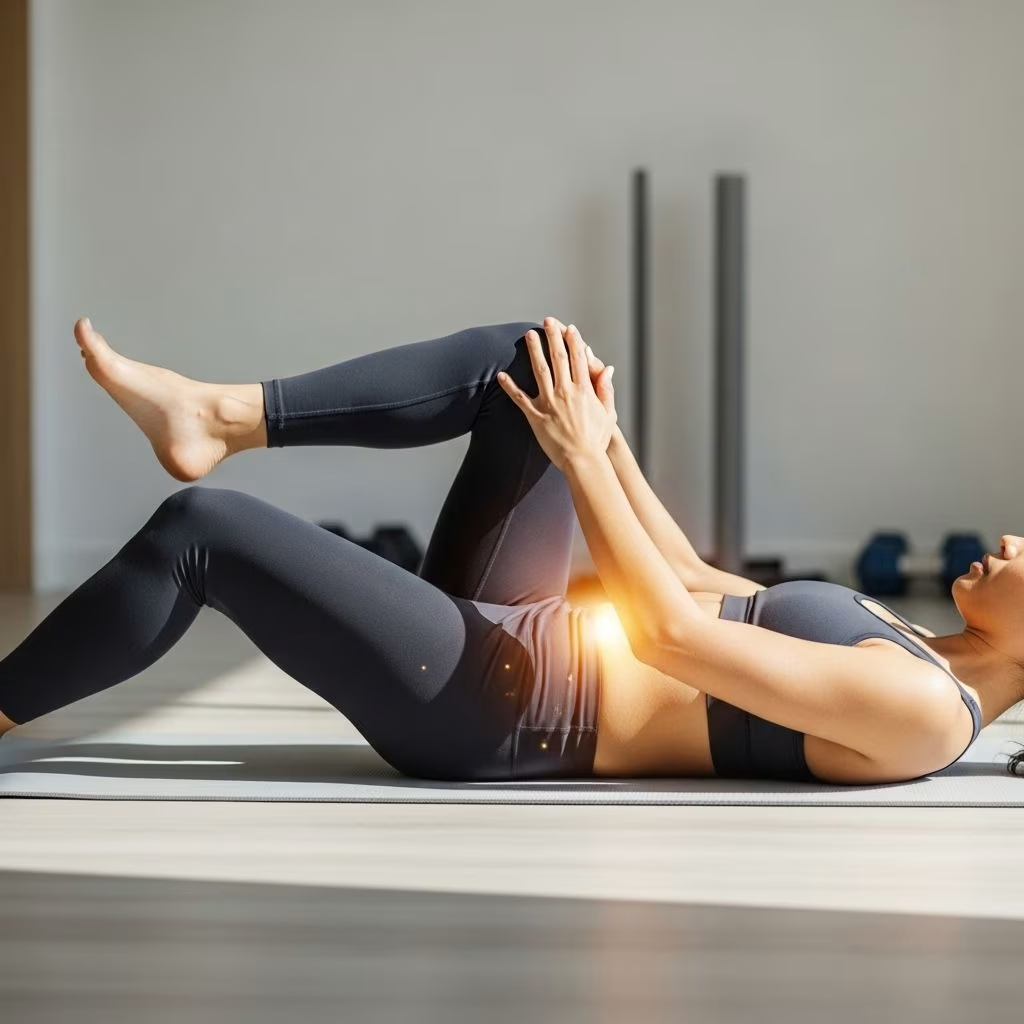
| Wind-Relieving Pose (Pawanmuktasana) | Supine pose targeting the lower abdomen and hips. | Compresses digestive organs, stimulates gas release, relieves tension. |
|
| Child’s Pose (Balasana) | Kneeling pose that relaxes the abdomen, lower back, and hips. | Massages internal organs, soothes digestive discomfort. |
|
| Happy Baby Pose (Ananda Balasana) | Supine pose that opens hips and stretches the lower back. | Relieves abdominal pressure, massages colon, encourages gas release. |
|
| Knee-to-Chest Pose (Apanasana) | Supine pose bringing knees towards chest. | Stretches lower back, compresses abdomen, helps pass trapped gas. |
|
| Seated Forward Bend (Paschimottanasana) | Sitting stretch for spine and hips, gently compresses abdomen. | Promotes bowel movement, relieves mild gas and bloating. |
|
Tips for Maximizing Yoga’s Effects on Gas and Bloating
- Practice slow, controlled breathing with each pose.
- Focus on relaxation and tension release in the abdomen.
- Hold each pose for 30 seconds to 2 minutes, or until relief is felt.
- Repeat poses as needed; combine several for best results.
- Rock gently, as in Happy Baby pose, to further stimulate bowel motility.
Additional Physical Activities & Techniques
Beyond yoga, several other exercises and movements can help alleviate gas and bloating:
- Pillow Child’s Pose: A variation of Child’s Pose performed with a pillow beneath the torso for added comfort and abdominal compression.
- Pelvic Stirrer: Lying on your back, knees bent, feet together, gently rock knees in a circular motion to stir pelvic and lower abdominal muscles, helping mobilize trapped gas.
- Goblet Squats: Holding a weight (optional), squat with feet apart and elbows inside knees. This stance mimics the natural defecation posture, opening the pelvis and relaxing the rectum for gas release.
- Natural Pooing Position: Squatting or sitting with knees raised above hips (using a step or stool) relaxes the rectal angle and helps pass gas and stools more easily.
- Abdominal Massage: Massaging counterclockwise (along the direction of the colon) with gentle to moderate pressure may mobilize trapped gas and facilitate bowel movement.
Simple Home Exercise Routine for Bloating Relief
- Begin with a Wind-Relieving Pose (30 seconds)
- Transition to Child’s Pose (1 minute)
- Perform Pelvic Stirrer (15 rotations each direction)
- Move into Happy Baby Pose (hold and rock side-to-side for 30–60 seconds)
- Finish with Goblet Squats (10–12 slow repetitions)
- End with a gentle abdominal massage for 2–3 minutes
This sequence may be repeated daily or as needed for digestive comfort.
Dietary and Lifestyle Support for Exercise
- Stay hydrated: Water supports healthy digestion and softens stool.
- Eat slowly: Chew thoroughly to minimize swallowed air and promote efficient digestion.
- Include probiotics and fiber: Consider yogurt, kefir, or fiber-rich foods for gut health. Increase fiber gradually to avoid exacerbating symptoms.
- Avoid trigger foods: Pay attention to individual sensitivities—beans, lentils, onions, and artificial sweeteners often worsen bloating.
- Try herbal teas: Peppermint, ginger, and fennel teas have been shown to relax the gut and reduce bloating.
Safety Tips and Precautions
- Consult with your healthcare provider before beginning new exercise routines if you have underlying health conditions (such as hernias, severe abdominal pain, or recent surgeries).
- Stop any exercise that causes sudden pain, discomfort, or dizziness.
- Exercise gently and listen to your body; avoid excessive or forceful movements.
- Children, elderly adults, and pregnant individuals should modify exercises as advised by a qualified instructor.
- Persistent or severe bloating may require medical attention – exercise alone may not address all underlying causes.
Frequently Asked Questions (FAQs)
Q: Which exercise offers the fastest relief for trapped gas?
A: The Wind-Relieving Pose (Pawanmuktasana) and knee-to-chest poses often provide rapid results by compressing the abdomen and facilitating gas release.
Q: How many times per day can these exercises be performed?
A: These exercises may be repeated several times per day as needed, provided there is no pain or discomfort, and are generally safe for routine practice.
Q: Can exercise help with chronic bloating related to IBS or food intolerance?
A: Physical activity and yoga often help manage symptoms of IBS and mild food intolerance, but dietary adjustments and medical advice are usually required for persistent symptoms.
Q: Is abdominal massage safe for everyone?
A: Gentle abdominal massage is safe for most, but those with recent abdominal surgery, active infections, or unremitting pain should consult their healthcare provider first.
Q: Are there additional benefits to regular yoga practice for digestive health?
A: Regular yoga enhances stress management, core strength, and digestive function long-term, making it a valuable preventive tool for mild bloating and gas.
Conclusion
Targeted exercises and yoga poses are among the most effective remedies for trapped gas and bloating, offering rapid, natural relief and improved digestive health. Consistent practice—even just a few minutes daily—promotes regular bowel movement, helps expel excess gas, and supports overall comfort and wellbeing. Always pair exercise routines with attentive dietary habits and consult a healthcare professional for persistent or severe symptoms.
References
- https://www.youtube.com/watch?v=jnrMkmgcre0
- https://www.healthline.com/health/digestive-health/how-to-fart
- https://www.medicalnewstoday.com/articles/321556
- https://www.gas-x.com/living-with-gas-and-bloating/exercises-stretches-relieve-gas-bloating/
- https://www.youtube.com/watch?v=nmI7a1PAoUQ
- https://www.youtube.com/watch?v=YX0SX-ofDow
- https://www.medanta.org/patient-education-blog/why-you-keep-getting-trapped-gas-11-remedies-for-relief


