


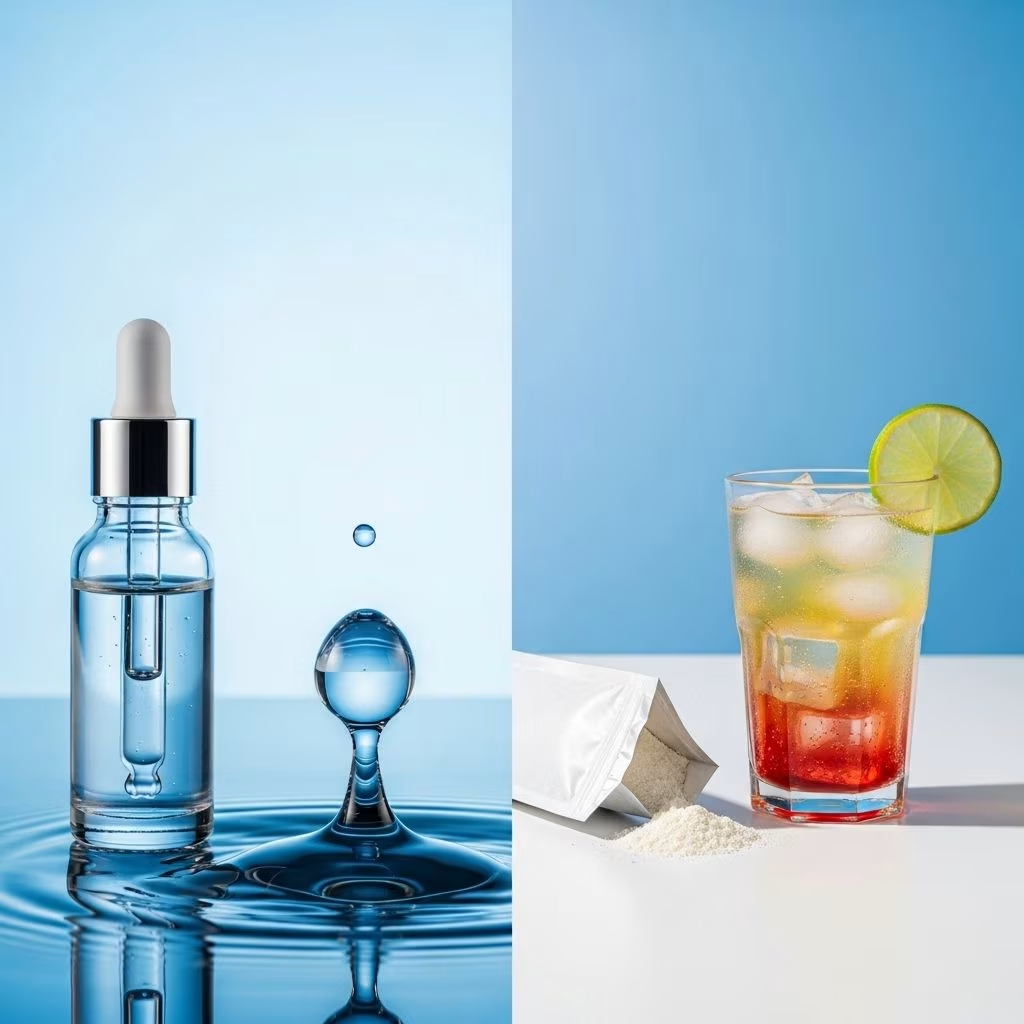
Staying properly hydrated remains vital for maintaining physical and cognitive performance, especially for athletes, outdoor enthusiasts, and individuals with elevated hydration needs. As personalized hydration solutions surge in popularity, two major contenders dominate discussions: hydration drops and electrolyte mixes. Each promises efficiency, convenience, and a targeted approach to replacing lost fluids and key minerals. This article provides a research-driven comparison to help you select the best product for your specific needs.
Understanding Hydration and Electrolyte Balance
Hydration is more than just water intake. It also involves maintaining a healthy electrolyte balance, as electrolytes (including sodium, potassium, magnesium, calcium, and chloride) play a major role in regulating muscle contractions, nerve impulses, pH, and fluid distribution.
- Sodium: Maintains fluid balance and nerve function.
- Potassium: Supports muscle contractions and heart rhythm.
- Magnesium: Critical for nerve, enzyme, and muscle function.
- Calcium: Vital for bones, muscle movement, and signaling.
- Chloride: Balances pH and pressure in cells.
Imbalances arise with vigorous exercise, hot climates, illness, or digestive troubles. Symptoms of dehydration and electrolyte loss include headache, muscle cramps, fatigue, confusion, and dizziness. Supplements, such as drops or mixes, can help when water alone is not sufficient.
What Are Hydration Drops?
Hydration drops (sometimes called electrolyte concentrates or liquid electrolyte drops) are concentrated liquids containing a blend of electrolytes and sometimes minerals. They are designed to be added to water or other beverages, offering a quick and customizable way to enhance hydration.
- Formulation: Typically high in sodium, potassium, magnesium, and trace minerals. Sugar- and calorie-free options are common.
- Usage: Mix a measured number of drops into water based on product instructions and individual needs.
- Absorption: Rapid, as the liquid form enters the bloodstream efficiently.
- Portability: Lightweight, spill-risk (especially over long travel), but portable for those not carrying powders or tablets.
Advantages:
- Quick mixing: No dissolving required, mixes instantly into water.
- Customizable dosing: Easily adjust concentration for higher or lower needs.
- No added sugar or calories: Ideal for those limiting sugars or following keto or paleo diets.
Drawbacks:
- Taste: Can be salty or have a mineral aftertaste unless used with juice.
- Leakage risk: Lids may loosen in backpacks, causing spills and loss of product during hiking, biking, or other travel activities.
- Limited nutrients: Usually focus strictly on electrolytes, often lacking vitamins or flavor enhancements.
What Are Electrolyte Mixes?
Electrolyte mixes (also called powders, tablets, or packets) are dry blends containing electrolytes and sometimes additional ingredients like sugars, flavors, or vitamins. These mixes are dissolved in water to make flavorful, rehydrating beverages.
- Formulation: Sodium, potassium, magnesium, sometimes calcium and chloride. Flavored or unflavored. May contain sugars, stevia, or other natural sweeteners.
- Usage: Pour powder or drop tablet into measured water, shake or stir, and consume.
- Absorption: Slightly slower than liquids, but generally rapid once dissolved.
- Portability: Single-use packets, bulk canisters, or tablet strips are highly portable; mixing may require bottle/shaker and water access.
Advantages:
- Wide range of flavors: Makes drinking more enjoyable, boosting compliance especially in children or athletes.
- Balanced nutrition: Some products add carbohydrates, vitamins, and other nutrients for total-body recovery.
- Pre-measured doses: Tablets and packets offer convenience and accuracy.
Drawbacks:
- Mixability: Some powders can clump or settle, requiring vigorous shaking or stirring.
- Sugar content: Some brands contain added sugars, potentially unsuitable for diabetics or certain diets.
- Bulk: Carrying multiple packets or canisters may not suit ultra-light travelers.
Hydration Drops vs. Electrolyte Mixes: Key Comparisons
To choose effectively, consider the following direct comparisons:
| Feature | Hydration Drops | Electrolyte Mixes (Powder/Tablets) |
|---|---|---|
| Absorption Rate | Fast (liquid form) | Fast after full dissolution |
| Ease of Mixing | Instantly disperses | May require vigorous shaking/stirring |
| Customization | Fully customizable dose | Fixed dose per packet/tab |
| Flavors | Generally unflavored, slightly salty taste | Wide variety (natural and artificial) |
| Sugar/Calorie Content | Usually zero | Varies: 0 (stevia) to 8-10g/serving |
| Portability for Travel | Convenient but prone to leak/spills | Packets/tablets ultra-portable, little spill risk |
| Best-Use Scenario | Controlled environments, home, office, short travel | Outdoor activities, long travel, on-the-go |
| Extra Nutrients | Rarely included | May include vitamins/carbs for energy or recovery |
When Should You Use Hydration Drops or Electrolyte Mixes?
Both solutions excel in certain scenarios. Here are typical use cases for each:
- Hydration Drops: Best for those seeking clean, sugar-free electrolytes in environments where leak risk is minimal. Suitable for keto/paleo diets, non-flavored requirements, or rapid replenishment at home. Also effective for people who are sensitive to artificial flavors or additives.
- Electrolyte Mixes: Perfect for athletes, outdoor adventurers, and individuals needing flavor, added energy, or nutrient support on-the-go. The variety of flavors and easy, set doses promote regular consumption and can mask the taste of off-tasting water found during activities like hiking or backpacking.
Special Considerations:
- For prolonged, intense physical activity or high heat, choose a mix with adequate sodium, potassium, and a modest amount of sugar to facilitate rapid uptake.
- For medical recovery, gastrointestinal issues, or dieting, opt for products with clear label transparency and minimal additives.
Pros and Cons Table
| Type | Major Pros | Major Cons |
|---|---|---|
| Hydration Drops |
|
|
| Electrolyte Mixes |
|
|
How to Choose the Right Product
Evaluating your needs is essential when weighing hydration drops versus electrolyte mixes. Consider these selection criteria:
- Physical activity intensity: High-sweat activities benefit from solutions rich in sodium and carbohydrates for rapid energy and uptake.
- Dietary restrictions: Sugar-free, zero-calorie drops suit keto, paleo, and low-carb diets.
- Convenience demands: For spontaneous or extended travel, opt for sturdy packets or tablets that won’t spill.
- Flavor preference: Choose mixes for fruity, sweet, or invigorating flavors to encourage regular sips.
- Medical conditions: Consult your healthcare provider for medical recovery, kidney disease, or heart failure, as electrolyte composition and intake requirements may vary.
For most consumers outside of extreme endurance sports, a modest, well-balanced electrolyte supplement—powder or drop—will suffice. Read labels carefully and match product specs to your needs.
Frequently Asked Questions
Are hydration drops as effective as sports drinks?
Hydration drops can provide the essential electrolytes found in sports drinks without added sugars or artificial colors, making them comparable for basic rehydration, although they may lack carbohydrates needed during intense physical exertion.
Can children use hydration drops or mixes?
Electrolyte mixes formulated for children or oral rehydration solutions (ORS) should be chosen. Hydration drops intended for adults may have inappropriate concentrations—always follow pediatric recommendations or consult a healthcare provider.
Do I need electrolyte supplements if I drink plenty of water?
Water alone is often sufficient for sedentary or mildly active individuals in temperate environments. Electrolyte supplementation becomes vital with intense activity, profuse sweating, illness, or in extreme temperatures.
Will hydration drops or electrolyte mixes break my fast?
Pure hydration drops without added sugars or calories will not break a fast. However, some electrolyte powders include sugars or carbohydrates, which may break certain fasting regimens.
Are natural food sources enough for electrolytes?
A balanced diet typically supplies essential electrolytes for non-athletes. However, supplements are useful when food intake is inadequate, losses are excessive, or higher performance is needed.
Conclusion
Both hydration drops and electrolyte mixes offer distinct advantages for maintaining fluid and electrolyte balance in modern, busy lives. The best choice depends on your specific activity level, taste preference, dietary needs, and lifestyle. For minimalist, sugar-free solutions, hydration drops are excellent at home or in controlled settings. Electrolyte mixes, on the other hand, shine when flavor, additional nutrients, portability, and single-use convenience are essential. Always read labels, consider your health, and match your hydration strategy to your goals for optimal performance and wellbeing.
References
- https://www.treelinereview.com/gearreviews/best-electrolyte-powder
- https://trueprepper.com/best-electrolyte-powder/
- https://www.menshealth.com/nutrition/g60937124/best-electrolyte-powder/
- https://health.clevelandclinic.org/best-electrolyte-sources
- https://www.uhhospitals.org/blog/articles/2024/07/do-you-need-electrolyte-supplements-to-stay-hydrated


